

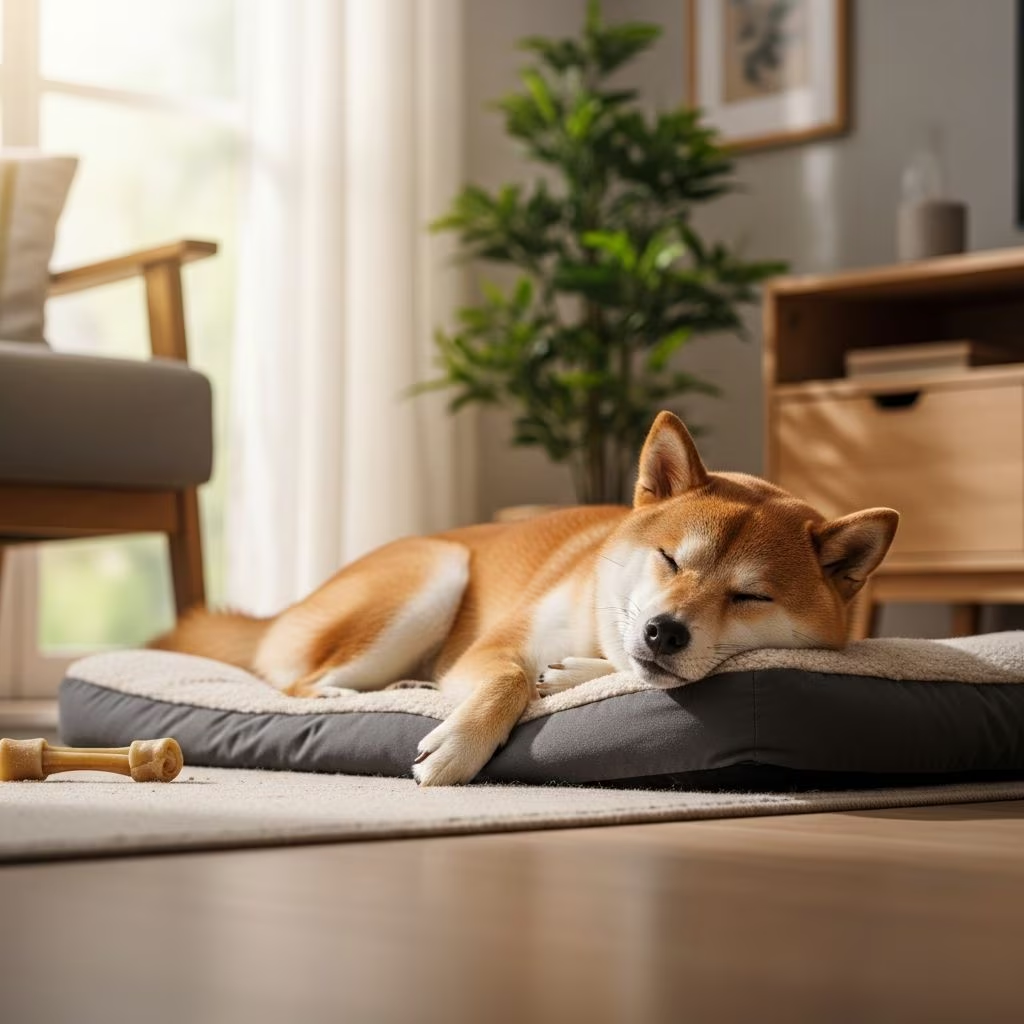
Shiba Inus, known for their fox-like appearance and spirited personality, possess a unique independence that makes them more tolerant of solitude than many breeds. Adult Shiba Inus can typically handle 6-8 hours alone daily, while puppies should not exceed 2 hours due to bladder limitations and developmental needs.
Understanding Shiba Inu Temperament and Independence
The Shiba Inu hails from Japan, originally bred as a hunting dog in mountainous terrain. This heritage fosters self-reliance, alertness, and agility. They weigh 17-23 pounds, stand 13.5-16.5 inches tall, and live 13-16 years with proper care.
These dogs are energetic, requiring 1-2 hours of daily exercise like brisk walks, hikes, or fetch games. Their playful yet reserved nature means they bond closely with family but remain cautious around strangers. This independence reduces clinginess, aiding alone time tolerance.
- Alert and Attentive: Quick to notice changes, making them good watchdogs without excessive barking.
- Playful Energy: Thrives on mental and physical challenges to prevent boredom.
- Self-Reliant: Less prone to constant human attention than velcro breeds like Labs.
Age-Specific Alone Time Recommendations
Alone time varies by life stage. Puppies under 6 months need frequent check-ins for potty training and socialization. Adolescents (6-12 months) build stamina, reaching adult levels around 18 months.
| Age Group | Max Alone Time | Key Considerations |
|---|---|---|
| Puppy (8-16 weeks) | 1-2 hours | Frequent potty breaks; risk of chewing if unsupervised. |
| Junior (4-12 months) | 3-5 hours | Building bladder control; introduce gradual alone training. |
| Adult (1+ years) | 6-8 hours | Ideal for workdays; monitor for anxiety signs. |
| Senior (10+ years) | 4-6 hours | Adjust for mobility or health issues. |
Exceeding these limits risks bladder accidents, destructive chewing, or vocal distress like the famous “Shiba scream.”
Recognizing and Preventing Separation Anxiety
Though independent, some Shibas develop anxiety, shown by pacing, whining, digging, or house soiling. Risk factors include sudden routine changes or insufficient exercise.
Prevention starts with desensitization: Practice short departures, gradually extending time. Use baby gates or crates for safe confinement. Puzzle toys dispense treats, channeling energy productively.
- Pre-departure exercise: 30-60 minute walk tires them out.
- Calm routines: Avoid excited goodbyes; pick up keys without leaving.
- Enrich environment: Rotate toys, leave calming music or pheromone diffusers.
For severe cases, consult a veterinary behaviorist. Positive reinforcement training builds confidence.
Practical Strategies for Puppy Owners
New Shiba puppies demand commitment. Bladder capacity equals age in months plus one hour (e.g., 3-month-old: 4 hours max).
Options for full workdays:
- Take initial leave: 2-3 weeks off for bonding and housetraining.
- Network support: Friends or family visit 2-3 times daily.
- Professional help: Dog walkers or daycare for socialization.
- Remote work advantage: Frequent breaks if home-based.
Reconsider puppy ownership if unavailable; adult rescues often adapt faster.
Daily Exercise and Mental Stimulation Essentials
Shibas need 45-90 minutes of activity daily. Combine cardio (runs, hikes) with brain games (scent work, agility).
Mental fatigue prevents mischief:
- Scent games: Hide treats for hunting simulation.
- Agility basics: Tunnels, jumps for coordination.
- Puzzle feeders: Slow eating, extend engagement.
Grooming aids calm: Weekly brushing manages heavy shedding; nail trims every 1-2 months.
Training Tips for Independent Shibas
Shibas are smart but stubborn, responding to short, positive sessions (3-5 minutes).
- Use high-value treats for recall, despite prey drive.
- Socialize early: Expose to people, dogs, noises.
- Consistency: Patient handlers succeed; novices may need classes.
Not ideal for first-timers or toddlers due to herding instincts and independence.
Safety Measures When Leaving Your Shiba Alone
Secure the home: Escape-proof fencing, as Shibas climb adeptly. Provide water, comfy bedding, and climate control (60-75°F ideal).
Tech aids:
- Pet cameras: Monitor and dispense treats remotely.
- Interactive toys: Activated via app.
Health check: Annual vet visits ensure no underlying issues amplify anxiety.
Shiba Inu as Family Pets: Pros and Cons
| Pros | Cons |
|---|---|
| Low-maintenance alone time | High exercise demands |
| Loyal to family | Stranger-wary |
| Easy housetraining | Stubborn training |
| Long lifespan | Heavy shedding |
Best for active singles/couples; multi-dog homes favor opposite sexes.
Common Myths About Shiba Independence
- Myth: Shibas need no training. Fact: Structure prevents “Shiba scream” frustration.
- Myth: They love all dogs. Fact: Same-sex aggression common.
- Myth: Puppies hold like adults. Fact: Strict limits apply.
Frequently Asked Questions (FAQs)
How long can an adult Shiba Inu stay alone?
Up to 8 hours, with exercise and enrichment.
Can Shiba Inu puppies be crated all day?
No, max 2 hours; arrange breaks.
What if my Shiba screams when alone?
Desensitize departures; add puzzle toys.
Are Shibas good for apartments?
Yes, if exercised adequately.
Do Shibas get along with cats?
Often, with proper intros; prey drive varies.
Long-Term Well-Being for Solo Time
Monitor behavior post-alone periods. Adjust based on age, health, routine. Regular vet care, quality diet, and bonding ensure thriving independence.
Shibas reward dedicated owners with unwavering loyalty and minimal fuss during absences.
References
- Can I Leave My Shiba Inu Alone at Home? — Dogster. 2023. https://www.dogster.com/dog-health-care/can-i-leave-my-shiba-inu-alone-at-home
- Can Shiba Inus Be Left Alone? — Hepper. 2023. https://articles.hepper.com/can-shiba-inus-be-left-alone/
- Shiba Inu Dogs—Your Complete Care & Adventure Guide — Rubyloo. 2024. https://rubyloo.co/blogs/news/dog-shiba-inu
- Shiba Inu Owner’s Guide — Greencross Vets. 2023. https://www.greencrossvets.com.au/pet-library/dogs/breed-guides/shiba-inu-owners-guide/
- Alone Time for Dogs: How Much Is Too Much? — American Kennel Club (AKC). 2024. https://www.akc.org/expert-advice/training/alone-time-dogs-how-much/



