

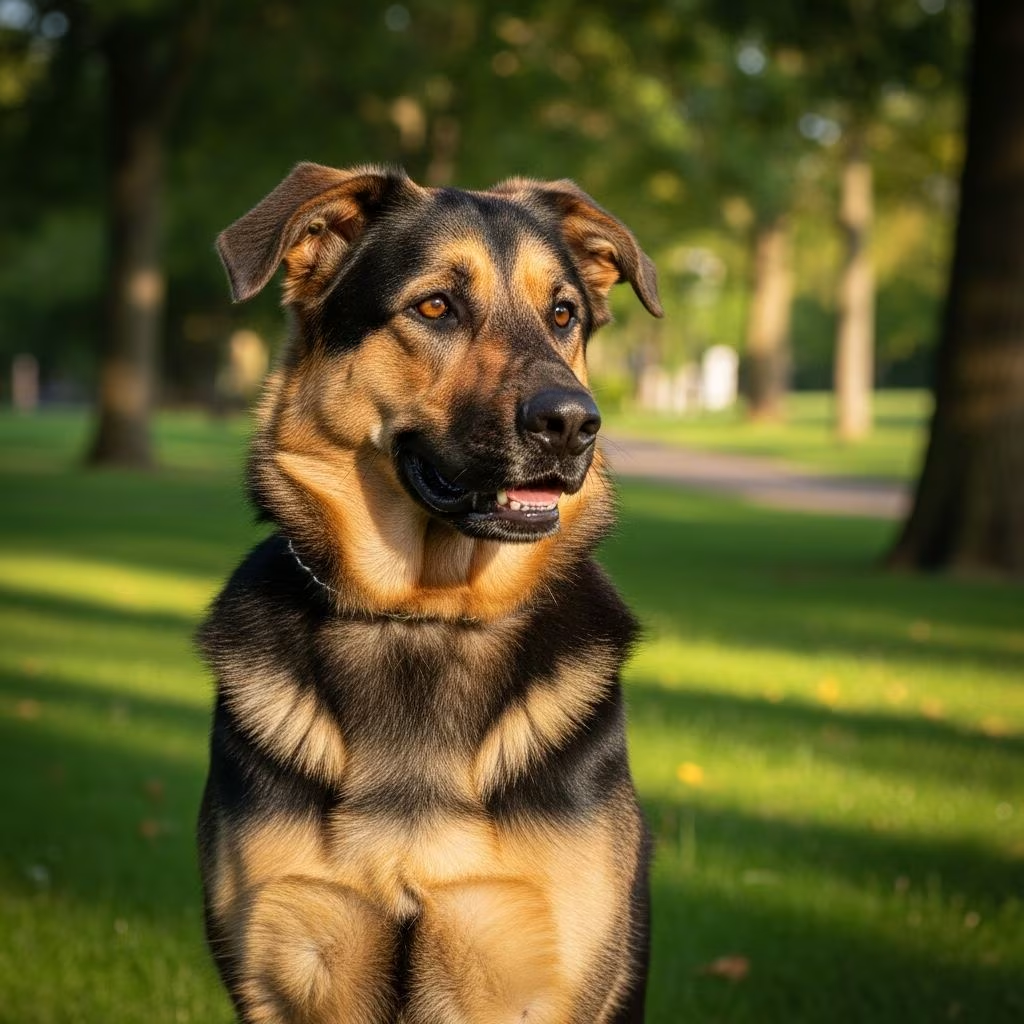
Sheprador Dog Breed: Complete Guide to Health and Care
The Sheprador is a fascinating hybrid dog breed that combines the intelligence and work ethic of a German Shepherd with the friendly, outgoing nature of a Labrador Retriever. As a cross between these two highly regarded purebred dogs, Shepradors inherit some of the best qualities from both parent breeds, making them loyal, intelligent, and active companions. Understanding the characteristics, health needs, and care requirements of this breed is essential for anyone considering bringing a Sheprador into their home.
What is a Sheprador?
A Sheprador is a cross between a German Shepherd and a Labrador Retriever, also known as a German Shepherd-Lab mix. This hybrid breed combines two of America’s most popular dog breeds, resulting in a dog that is highly intelligent, active, and energetic. The Sheprador inherits traits from both parent breeds, creating a unique combination of working dog abilities and companionship qualities.
Sheprador Personality and Temperament
Shepradors are known for their complex and multifaceted personalities. Because both parent breeds were originally developed to work—the German Shepherd for herding and protection, and the Labrador Retriever for retrieving and fieldwork—Shepradors require meaningful outlets for their innate abilities. These outlets may include swimming, retrieving, tracking, and other purposeful activities that engage their minds and bodies.
Key Personality Traits
Shepradors are fundamentally loyal and loving companions to family members of all ages. They form deep bonds with their owners and typically display affectionate behaviors such as greeting their families enthusiastically and wanting to be near them. Many Sheprador owners describe their dogs as energetic, protective, and eager to please. These dogs often exhibit a keen intelligence that makes them quick learners and highly trainable.
The protective instincts inherited from the German Shepherd side mean that many Shepradors will alert their families to the presence of strangers or unusual activity. However, with proper socialization and training, this protective nature can be channeled into appropriate guarding behavior rather than excessive aggression or reactivity.
Socialization and Training
Whether your Sheprador is comfortable around new people and animals depends largely on their training and socialization history. Early socialization is crucial for this breed to ensure they develop confidence and appropriate social skills. Owners consistently emphasize that early socialization and basic obedience training are essential for managing the breed’s protective tendencies and ensuring they become well-adjusted family members.
Physical Characteristics and Size
Shepradors are medium to large dogs, typically weighing between 50 and 90 pounds. Their size can vary depending on which parent breed they take after more closely. These dogs are built for activity and often possess a strong, athletic frame capable of sustained physical activity. Many Shepradors display a muscular build and a confident stance, reflecting their working dog heritage.
Exercise and Activity Needs
One of the most important considerations for Sheprador owners is understanding this breed’s significant exercise requirements. Shepradors are exceptionally active dogs that require substantial daily physical activity to maintain their health and happiness. These dogs can run for miles without tiring, making them ideal companions for owners who enjoy outdoor activities, long walks, hiking, and running.
Beyond physical exercise, Shepradors also need mental stimulation and enrichment. Puzzle toys, training sessions, scent work, and interactive games can help keep their active minds engaged. Without adequate exercise and mental stimulation, Shepradors may develop destructive behaviors such as excessive chewing, digging, or inappropriate barking.
Shedding and Grooming
Shepradors are known for shedding a considerable amount of hair. Both German Shepherds and Labrador Retrievers are heavy shedders, and Shepradors typically inherit this characteristic from both parent breeds. Owners should expect to deal with regular shedding year-round, with increased shedding during seasonal changes.
Regular grooming is essential for Sheprador owners. Brushing the dog’s coat several times per week helps manage shedding and keeps the coat healthy. During peak shedding seasons, daily brushing may be necessary. Most Shepradors do not require professional grooming but benefit from regular home maintenance to keep their coats in good condition.
Health Concerns and Common Issues
Like all dog breeds, Shepradors are susceptible to certain health conditions. Understanding potential health issues can help owners make informed decisions about preventive care and early intervention. Common health concerns in Shepradors include:
- Ear infections: Both parent breeds are prone to ear issues, particularly if ears are not kept clean and dry
- Allergies: Shepradors may develop allergies to food, environmental factors, or contact allergens
- Weight gain: Without adequate exercise, Shepradors can become overweight, leading to joint problems and other health issues
- Cancer: Like many larger dog breeds, Shepradors may be predisposed to certain types of cancer
- Hip dysplasia: This genetic condition can affect both parent breeds and may be passed to Sheprador offspring
- Bloat: Large, deep-chested dogs like Shepradors are at higher risk for bloat, a potentially life-threatening emergency
Regular veterinary checkups, a balanced diet, appropriate exercise, and preventive care can help minimize health risks and ensure your Sheprador lives a long, healthy life.
Diet and Nutrition
Providing appropriate nutrition is fundamental to maintaining your Sheprador’s health and energy levels. These active dogs require high-quality dog food formulated for large, energetic breeds. The specific caloric needs depend on the individual dog’s age, size, activity level, and metabolism.
Many Shepradors are highly food-motivated, which can be an advantage for training but also means portion control is important to prevent weight gain. Some Shepradors may have food sensitivities or allergies, so monitoring their response to different foods is important. Consulting with a veterinarian about appropriate portion sizes and nutritional requirements for your specific dog is recommended.
Training and Intelligence
Shepradors inherit exceptional intelligence from both parent breeds. This intelligence, combined with their eager-to-please attitude, makes them highly trainable dogs that generally respond well to consistent, positive reinforcement training methods. Many Shepradors learn commands quickly and excel in obedience training.
However, their intelligence also means they need consistent mental challenges and training opportunities. Dogs that are not mentally stimulated may become bored and develop problem behaviors. Ongoing training throughout the dog’s life, including advanced obedience, agility, or other dog sports, can provide important mental enrichment.
Suitability for Families
Due to their energy levels and size, all interactions between Shepradors and small children should be closely supervised. An enthusiastic Sheprador could accidentally knock over a small child during play. With proper supervision and training, however, Shepradors can be excellent family companions that are gentle and protective of children they grow up with.
Shepradors generally do well with families that can provide adequate exercise and mental stimulation. They thrive in households where they are included in family activities and given meaningful roles or jobs to perform. These dogs are not ideal for sedentary owners or those unable to commit to regular, substantial exercise.
Interactions with Other Pets
Shepradors typically have a moderate to high prey drive, meaning they may chase smaller animals. Direct supervision is necessary when Shepradors are around cats, rabbits, or other small pets. Early socialization with other animals can help reduce reactivity, but the predatory instinct inherited from both parent breeds should always be considered.
When it comes to other dogs, Shepradors’ compatibility varies depending on individual temperament and socialization history. Some Shepradors are pack-oriented and enjoy the company of other dogs, while others may display territorial or dominant behaviors. Early socialization with other dogs and ongoing management can help facilitate positive relationships with canine companions.
Living Environment and Space Requirements
Shepradors need plenty of space to run and play. These highly energetic dogs are not well-suited to apartment living or small yards. A securely fenced yard where the dog can exercise off-leash is ideal. Without adequate space and exercise opportunities, Shepradors may become destructive or develop behavioral problems.
Because Shepradors are energetic dogs that need consistent outlets for their energy and drive, owners should ensure they can commit to providing daily exercise and mental stimulation before bringing a Sheprador into their home.
Temperature Tolerance
Shepradors generally prefer warmer climates and may struggle in extremely cold weather. Their coat provides some insulation, but they are not specifically bred for cold-weather endurance like some northern breeds. In warmer climates, ensure your Sheprador has access to shade and fresh water, as these active dogs can overheat if exercised during the hottest parts of the day.
Frequently Asked Questions About Shepradors
Q: What is the average lifespan of a Sheprador?
A: Shepradors typically live 10-14 years, depending on overall health, genetics, diet, and exercise. Providing good nutrition, regular veterinary care, and appropriate exercise can help maximize lifespan.
Q: Are Shepradors good guard dogs?
A: Yes, Shepradors often make excellent guard dogs, inheriting protective instincts from the German Shepherd parent. They are alert, loyal, and typically willing to defend their family and property. However, proper socialization is important to ensure they distinguish between real threats and normal visitors.
Q: How much exercise does a Sheprador need daily?
A: Shepradors need at least 60-90 minutes of vigorous daily exercise, plus mental stimulation. Many thrive with even more activity, including running, swimming, and interactive play.
Q: Can Shepradors live in apartments?
A: Shepradors are not recommended for apartment living due to their size, energy levels, and need for space. They perform best in homes with secure yards where they can exercise freely.
Q: Do Shepradors get along with cats?
A: Shepradors have moderate to high prey drive, so they may chase cats. Early socialization and supervision are essential. Some individual Shepradors can coexist peacefully with cats, while others may not be trustworthy around them.
Q: How often should I groom my Sheprador?
A: Brush your Sheprador’s coat several times weekly to manage shedding. During heavy shedding seasons, daily brushing is recommended. Regular ear cleaning and nail maintenance are also important.
Q: Are Shepradors prone to separation anxiety?
A: Shepradors can develop separation anxiety due to their strong bonds with family members and need for activity and companionship. Crate training and gradual alone-time training can help, but these dogs do best when not left alone for extended periods.
Conclusion
The Sheprador is an intelligent, active, and loyal hybrid breed that combines the best qualities of the German Shepherd and Labrador Retriever. These dogs make excellent companions for active families prepared to meet their substantial exercise and mental stimulation needs. With proper training, socialization, veterinary care, and attention to their unique requirements, Shepradors can become beloved family members that provide years of devoted companionship and protection.
References
- Sheprador Dog Breed Health and Care — PetMD. 2024. https://www.petmd.com/dog/breeds/sheprador
- German Shepherd Lab Mix – Sheprador Breed Traits — The Labrador Site. 2024. https://www.thelabradorsite.com/german-shepherd-lab-mix/
- German Shepherd — American Kennel Club. 2024. https://www.akc.org/dog-breeds/german-shepherd-dog/
- Labrador Retriever — American Kennel Club. 2024. https://www.akc.org/dog-breeds/labrador-retriever/
- Canine Hip Dysplasia — Orthopedic Foundation for Animals. 2023. https://ofa.org/
- Gastric Dilatation-Volvulus in Dogs — The Merck Veterinary Manual. 2024. https://www.merckvetmanual.com/



