

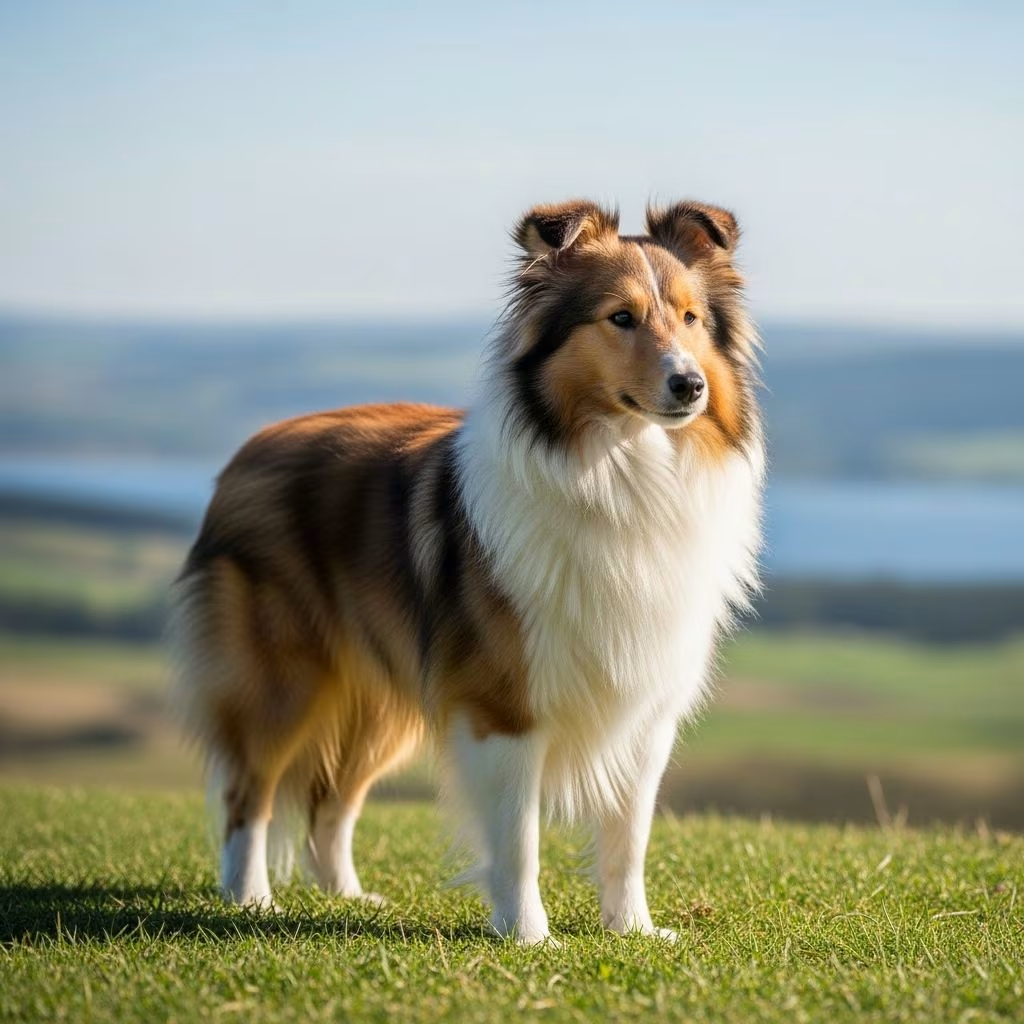
Shetland Sheepdogs, affectionately known as Shelties, are vibrant and intelligent companions renowned for their herding heritage and loyalty. However, like many purebred dogs, they face specific health vulnerabilities due to genetics and breed traits. Understanding these risks empowers owners to provide proactive care, potentially extending their pet’s lifespan and enhancing quality of life. This guide delves into the most notable conditions affecting Shelties, drawing from veterinary insights to outline symptoms, causes, and management strategies.
Endocrine Disorders in Shelties
Endocrine imbalances, particularly hypothyroidism, rank among the top concerns for Shetland Sheepdogs. This condition occurs when the thyroid gland fails to produce sufficient hormones, disrupting metabolism and various bodily functions.
- Symptoms: Owners often notice dry, dull coats, unexplained hair loss, recurrent skin infections, sudden weight gain despite stable diet, increased susceptibility to cold, lethargy, and behavioral shifts like heightened fearfulness or aggression.
- Causes: Primarily genetic, with environmental factors possibly exacerbating it. Shelties show a higher predisposition compared to mixed breeds.
- Diagnosis and Treatment: Annual blood tests during routine vet visits detect low thyroid levels early. Management involves daily oral hormone supplements, which are highly effective and inexpensive, restoring normal function in most cases.
Beyond hypothyroidism, Shelties may encounter gallbladder mucoceles, where bile accumulates abnormally in the gallbladder, risking rupture and severe complications like peritonitis.
Ocular Conditions Affecting Vision
Eye health is critical for Shelties, given their predisposition to hereditary issues such as Collie Eye Anomaly (CEA) and cataracts. CEA, a congenital defect, impacts retinal development and can lead to partial or complete blindness.
| Condition | Symptoms | Management |
|---|---|---|
| Collie Eye Anomaly | Abnormal pupil shape, detached retinas, vision loss from birth | Genetic screening in breeding stock; no cure, focus on monitoring |
| Cataracts | Cloudy lenses, bumping into objects, reluctance to navigate dark areas | Surgical lens removal; regular ophthalmic exams |
| Distichiasis | Eye irritation, tearing, corneal ulcers from aberrant eyelashes | Cryotherapy or surgical removal of extra lashes |
Routine ocular screenings by veterinary ophthalmologists, especially for breeding dogs, help mitigate these issues. Early intervention preserves vision and prevents secondary infections.
Skin and Autoimmune Challenges
Shetland Sheepdogs frequently battle dermatological problems, including atopy (environmental allergies) and dermatomyositis, dubbed “Sheltie Skin Syndrome.” Atopy triggers intense itching from pollen, dust, or food sensitivities.
- Signs include relentless scratching, red inflamed skin, recurrent ear infections, and secondary bacterial hotspots.
- Treatment combines allergen identification via intradermal testing, hypoallergenic diets, medicated shampoos, and anti-inflammatory drugs.
Dermatomyositis presents more severely as an autoimmune attack on skin and muscles, often evident by 6-12 months. Lesions appear on face, ears, paws, and tail tip, accompanied by muscle weakness and atrophy.
- Severity Levels: Mild cases show fading skin fade; moderate involve ulcers; severe lead to swallowing difficulties and megaesophagus.
- Approach: Immunosuppressants like steroids, sun protection (as UV triggers flares), and supportive care. Genetic testing aids breeders in reducing incidence.
Orthopedic and Mobility Concerns
Hip dysplasia, though less common in Shelties than larger breeds, remains a notable risk. This malformation causes joint instability, leading to arthritis and pain.
- Indicators: Limping, bunny-hopping gait, difficulty rising, reduced exercise tolerance.
- Prevention: Orthopedic Foundation for Animals (OFA) certifications for parents, controlled growth via puppy diets, weight management, joint supplements like glucosamine.
Elbow dysplasia and patellar luxation can also impair mobility, emphasizing the need for low-impact exercises like swimming over high-jump agility until maturity.
Cardiovascular and Bleeding Risks
Patent Ductus Arteriosus (PDA) is a congenital heart defect where a fetal vessel fails to close post-birth, straining the heart.
- Symptoms: Exercise intolerance, coughing, stunted growth, heart murmur audible on exam.
- Correction: Surgical ligation offers excellent prognosis if addressed early.
Von Willebrand’s Disease (vWD), a clotting disorder, heightens bleeding risks during surgeries or injuries. Pale gums, prolonged bleeding from cuts, or bloody stools signal issues. DNA testing confirms carriers, guiding breeding decisions.
Neurological and Gastrointestinal Issues
Epilepsy manifests as recurrent seizures, often starting between 6 months and 3 years. Episodes vary from mild staring to convulsions; never restrain the jaw during one.
- Control: Anticonvulsant medications with regular blood monitoring.
Fanconi syndrome, a kidney disorder, causes nutrient loss in urine, prompting excessive thirst and urination. Hemorrhagic Gastroenteritis (HGE) strikes suddenly with bloody vomiting/diarrhea, demanding immediate IV fluids.
Lupus, rare but serious, inflames multiple systems; symptoms emerge at 3-7 years, managed with immunosuppressants and sun avoidance.
Preventive Wellness Strategies
Maintaining Sheltie health hinges on holistic care:
- Nutrition: Breed-appropriate kibble portioned to prevent obesity; avoid table scraps.
- Exercise: 30-60 minutes daily of walks, fetch, herding games.
- Grooming: Weekly brushing reduces skin irritants; dental chews combat periodontal disease affecting 80% by age 2.
- Vaccinations/Parasite Control: Core shots against parvo/distemper; year-round preventives for heartworm/fleas.
- Screenings: Annual physicals, thyroid panels, eye certs, hip X-rays at 2 years.
Frequently Asked Questions
How long do Shelties typically live?
With vigilant care, 12-14 years is average, though some exceed 15.
Are Shelties prone to cancer?
Less so than some breeds, but regular checks catch issues early.
Can diet alone fix hypothyroidism?
No; hormone therapy is essential alongside balanced feeding.
What’s the best age for spaying/neutering?
Discuss with vet; often 6-12 months to balance growth and health risks.
How to choose a healthy Sheltie puppy?
Select breeders providing OFA/CHIC health clearances for parents.
Breeder and Buyer Responsibilities
Reputable breeders prioritize health via genetic testing and transparent records. Buyers should request proof of clearances for hips, eyes, thyroid, vWD, and CEA. Post-adoption, join breed clubs like the American Shetland Sheepdog Association for resources.
References
- General Health Information for your Shetland Sheepdog — VIDA Veterinary Care. Accessed 2026. https://vidavetcentennial.com/dog-breed/shetland-sheepdog/
- Health Considerations — American Shetland Sheepdog Association. Accessed 2026. https://www.americanshetlandsheepdogassociation.org/health-considerations/
- Shetland Sheepdog (Sheltie) Dog Breed Health and Care — PetMD. Accessed 2026. https://www.petmd.com/dog/breeds/shetland-sheepdog
- Shetland Sheepdog Dog Breed Information — American Kennel Club. Accessed 2026. https://www.akc.org/dog-breeds/shetland-sheepdog/
- Understanding Shetland Sheepdog Health Problems — Houndsy. Accessed 2026. https://www.houndsy.com/blogs/modern-tails/understanding-shetland-sheepdog-health-problems-a-comprehensive-guide-for-owners



