
Shelter Medicine: A Growing Veterinary Specialty
Understanding the critical role of shelter veterinarians in animal welfare and community health.
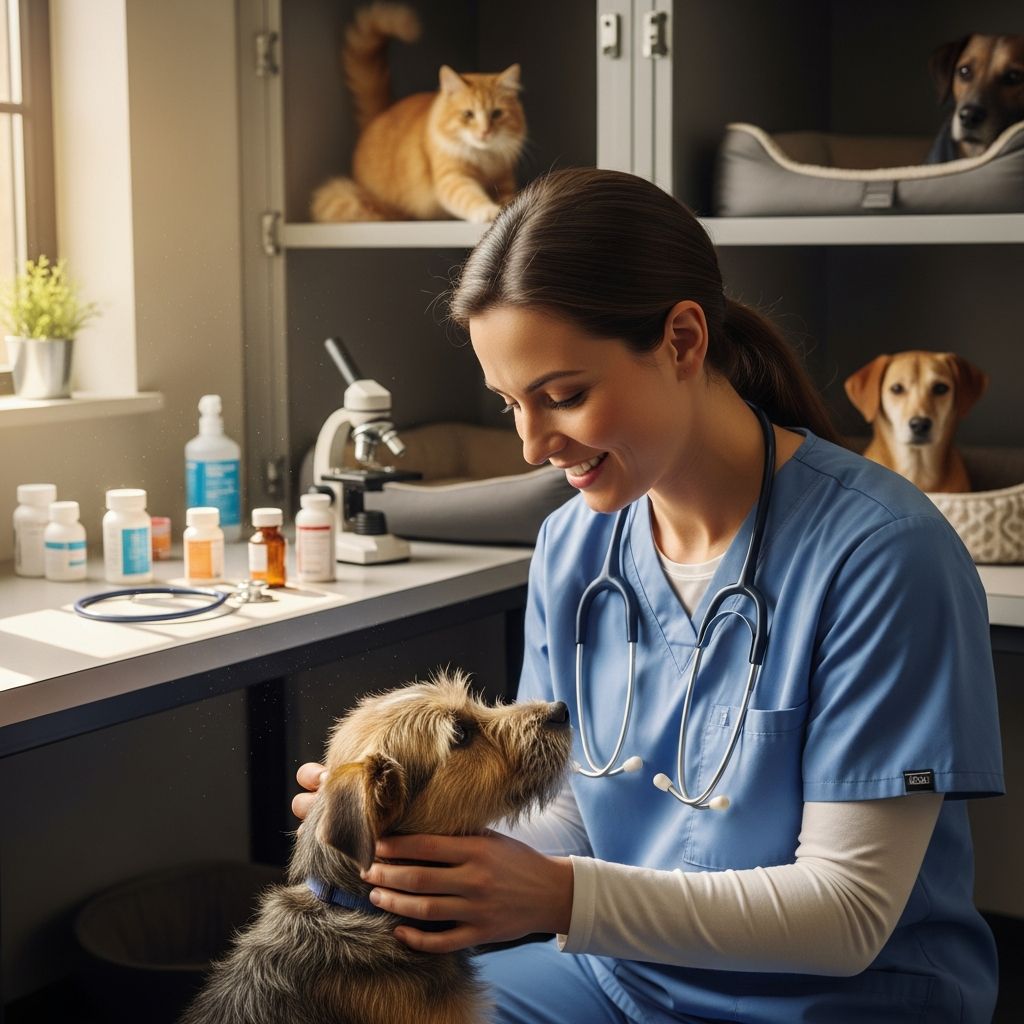
Veterinary medicine encompasses numerous specialized fields, each addressing unique healthcare challenges and populations. Among these emerging disciplines, shelter medicine has established itself as a critical and distinct specialty focused on the health, welfare, and management of animals within shelter environments and broader community settings. This field represents a significant departure from traditional companion animal or large animal veterinary practice, requiring practitioners to develop expertise across multiple domains while managing the complex interplay between individual animal care and population-level health considerations.
Defining Modern Shelter Medicine
Shelter medicine has evolved substantially since its initial conception, expanding far beyond the walls of traditional brick-and-mortar animal shelters. The modern definition encompasses a comprehensive range of veterinary services and community-focused programs designed to improve animal welfare across diverse populations and settings. This evolution reflects a growing recognition that vulnerable animals exist in multiple contexts, each requiring specialized veterinary attention and management strategies.
The scope of contemporary shelter medicine includes:
- Direct medical care for animals residing in shelter facilities
- Low-cost wellness and preventive medicine clinics serving at-risk owned animals
- Trap-neuter-vaccinate-return programs targeting free-roaming community animals
- Support for foster-based rescue organizations and animal sanctuaries
- Community resources such as pet food banks and supportive services for pet owners
- Collaboration with domestic violence programs to ensure animal safety during family crises
- Veterinary forensic services supporting animal cruelty investigations
- Wildlife rehabilitation and care for orphaned or injured animals
- Technical rescue operations for animals in emergency situations
This broad definition demonstrates how shelter medicine has transformed from a primarily clinical discipline into a multifaceted field addressing public health, community welfare, and social determinants affecting animal populations.
Professional Recognition and Accreditation
The veterinary profession has formally recognized shelter medicine as a distinct specialty worthy of specialized training, credentialing, and advanced education. The American Board of Veterinary Practitioners (ABVP) offers formal specialty accreditation for veterinarians pursuing this field, establishing standardized competencies and knowledge requirements. This professional recognition validates the complexity of shelter medicine and ensures that practitioners meet rigorous standards of clinical knowledge and operational expertise.
The establishment of professional organizations further solidifies shelter medicine’s status within veterinary medicine. The Association of Shelter Veterinarians publishes the Journal of Shelter Medicine and Community Animal Health, providing a peer-reviewed platform for research, best practices, and evidence-based guidelines. These professional structures enable shelter veterinarians to contribute to and access the expanding body of scientific literature supporting the field.
Core Knowledge Areas and Expertise Requirements
Practitioners in shelter medicine must develop proficiency across an unusually diverse array of knowledge domains. Unlike specialists in other veterinary fields who may focus deeply on a specific organ system or animal type, shelter veterinarians require competence in multiple interconnected areas.
Essential knowledge domains include:
| Knowledge Category | Specific Focus Areas |
|---|---|
| Medical and Surgical | Primary care, surgery, anesthesia, emergency medicine, pain management |
| Infectious Disease | Disease epidemiology, outbreak investigation, prevention protocols, zoonotic disease management |
| Behavioral Sciences | Animal behavior assessment, behavioral modification, enrichment strategies, stress reduction |
| Facility Management | Housing design, sanitation protocols, environmental controls, capacity planning |
| Population Management | Intake procedures, pathway planning, population demographics, resource allocation |
| Operations and Administration | Budgeting, staffing, data management, quality assurance, regulatory compliance |
| Public Health and Safety | Zoonotic disease prevention, dangerous animal assessment, risk mitigation |
| Community Engagement | Outreach programming, stakeholder communication, partnership development |
This comprehensive skill set reflects the reality that shelter veterinarians function as both clinicians and administrators, requiring them to integrate medical knowledge with operational management capabilities.
Balancing Individual and Population-Level Care
A fundamental principle distinguishing shelter medicine from other veterinary specialties involves the simultaneous management of both individual animal health and population-level wellness. Traditional veterinary practice often prioritizes individual animal care, with the veterinarian-client relationship centered on a specific pet and its owner. Shelter medicine inverts this dynamic considerably.
Shelter veterinarians must evaluate and treat individual animals presenting with medical or behavioral concerns while simultaneously monitoring the health status of the entire animal population within the facility. This dual perspective requires sophisticated decision-making frameworks that consider resource constraints, disease transmission risks, and the welfare implications of individual treatment plans on the broader population. For example, a treatment decision for one animal may have cascading effects on housing arrangements, sanitation protocols, or intake decisions that impact dozens or hundreds of other animals.
The balance between individual and population care is not static but rather dynamic, shifting based on facility census, disease status, resource availability, and seasonal factors. During infectious disease outbreaks, population-level considerations may temporarily supersede individual treatment preferences. Conversely, when facility capacity is low and resources abundant, more individualized care approaches become feasible.
Community-Based Programs and Outreach
Modern shelter medicine extends well beyond the physical confines of shelter facilities through diverse community-based programs designed to prevent animal surrender and improve welfare for underserved populations. These programs recognize that preventing animals from entering shelters constitutes an equally important mission as caring for those already sheltered.
Low-cost clinic services represent a significant component of community-focused shelter medicine. These programs provide essential preventive and primary care to pet-owning individuals with limited financial resources, removing barriers to veterinary access that might otherwise force difficult decisions about pet retention. Similarly, food banks and other supportive services for pet owners address the economic and social determinants that influence whether individuals can maintain their pets.
Trap-neuter-vaccinate-return (TNVR) programs address the substantial population of free-roaming cats and dogs in many communities. These evidence-based initiatives provide humane population management while improving the health and welfare of community animals through vaccination and parasite prevention. TNVR programs require specialized veterinary knowledge regarding field anesthesia, surgical procedures adapted for community settings, and understanding of cat and dog behavior in non-domesticated contexts.
Partnership arrangements between shelters enable geographic redistribution of animals from areas with shelter overpopulation to communities with greater adoption capacity. These transfer programs require careful health screening, transportation planning, and integration protocols to ensure successful outcomes.
Facility Design and Operational Management
The physical environment profoundly influences animal health, behavior, and welfare outcomes in shelter settings. Shelter veterinarians contribute essential expertise to facility design decisions that many veterinarians working in other settings never encounter. Considerations include housing configurations that minimize disease transmission while providing appropriate space and enrichment, ventilation systems supporting air quality and temperature regulation, sanitation infrastructure enabling effective cleaning protocols, and isolation capabilities for managing infectious diseases.
Operational protocols developed by shelter veterinarians establish frameworks for daily management that protect population health. These include intake procedures that screen for infectious diseases and behavioral concerns, daily health assessment rounds identifying animals requiring medical attention, sanitation schedules preventing pathogen accumulation, and movement protocols minimizing cross-contamination between animal groups. The effectiveness of these operational systems directly impacts disease prevalence, treatment success rates, and ultimately, adoption outcomes.
Infection Control and Disease Management
Infectious disease represents one of the most significant health challenges in shelter environments, where close confinement of animals from diverse backgrounds and unknown health histories creates conditions favoring rapid pathogen transmission. Shelter veterinarians must develop sophisticated approaches to infectious disease prevention, identification, and management.
Prevention strategies include:
- Comprehensive vaccination protocols tailored to shelter populations and age groups
- Parasite prevention and treatment programs addressing internal and external parasites
- Isolation and quarantine procedures for animals with suspected or confirmed infectious diseases
- Sanitation protocols that disrupt transmission chains for specific pathogens
- Diagnostic testing capabilities enabling rapid identification of infectious agents
- Outbreak response plans preparing facilities for infectious disease emergencies
When disease outbreaks occur despite prevention efforts, shelter veterinarians must implement rapid response protocols involving diagnostic testing, isolation procedures, treatment plans, and communication with staff and adoption networks. The ability to balance outbreak containment with continued animal care and adoptability represents a critical shelter medicine competency.
Behavioral Assessment and Welfare Considerations
Animal behavior profoundly influences shelter outcomes, including adoptability, safety, and welfare. Shelter veterinarians must understand behavioral assessment methodologies, recognize behavioral problems commonly seen in shelter populations, and implement interventions supporting behavioral rehabilitation. Stress, fear, and anxiety in shelter environments can manifest as behavioral changes that, if misinterpreted, may result in inappropriate euthanasia decisions.
Enrichment strategies, environmental modifications, and behavioral management techniques constitute essential components of shelter medicine practice. These interventions improve animal welfare by addressing psychological needs often unmet in conventional shelter housing. Some shelter medicine programs incorporate foster care and community-based rehabilitation programs that remove animals from the shelter environment temporarily or permanently, reducing stress while supporting behavioral development.
Veterinary Forensics and Legal Implications
Shelter veterinarians often participate in investigations of animal cruelty and neglect, contributing specialized knowledge regarding injury interpretation, evidence collection, and documentation. Veterinary forensics requires understanding of injury patterns, post-mortem changes, and legal standards for evidence admissibility. This aspect of shelter medicine connects the field directly to public safety and animal protection law enforcement, expanding its social significance beyond individual animal care.
Educational Pathways and Professional Development
The growing recognition of shelter medicine’s importance has prompted the development of formal educational programs at veterinary schools and universities. Some institutions now offer residencies specifically in shelter medicine with specialized focuses on infectious disease or behavioral medicine. Master’s degree programs in shelter medicine distance education provide advanced training for veterinarians seeking specialized credentials without relocating.
Educational curricula typically integrate clinical skills development with operational management training, ensuring graduates understand both the medical and administrative dimensions of shelter practice. Students gain experience with population health assessment, diagnostic testing, treatment planning, facility evaluation, and communication with diverse stakeholder groups.
Frequently Asked Questions
What distinguishes shelter medicine from traditional companion animal veterinary practice?
Shelter medicine differs fundamentally in its focus on population-level health management alongside individual care, incorporation of operational and facility management, and explicit attention to underserved animal populations. While companion animal practitioners treat individual pets within a client relationship, shelter veterinarians manage the health of animal populations within resource-constrained environments, often working with animals lacking direct human advocates.
Is shelter medicine recognized as an official veterinary specialty?
Yes, the American Board of Veterinary Practitioners offers specialty accreditation in shelter medicine, establishing it as a formally recognized discipline. Professional organizations like the Association of Shelter Veterinarians provide resources, guidelines, and publishing opportunities for practitioners in the field.
What career opportunities exist for shelter medicine specialists?
Shelter medicine graduates work in traditional animal shelters, rescue organizations, animal sanctuaries, municipal animal control facilities, and community-based outreach programs. Others establish private consulting practices advising shelters on operational and medical improvements, conduct research on shelter medicine topics, or teach at veterinary schools.
How do shelter veterinarians decide which animals to treat versus euthanize?
These decisions involve complex ethical frameworks considering the animal’s medical prognosis, quality of life, behavioral prospects, and available resources. Shelter veterinarians develop systematic approaches to these decisions, often consulting established guidelines and involving multiple stakeholders in the process.
Future Directions and Evolving Priorities
Shelter medicine continues evolving as an increasingly important veterinary specialty. Growing emphasis on evidence-based practices, research into shelter-specific health challenges, and expansion of community-based programs reflects the field’s maturation. The integration of shelter medicine principles into private practice veterinary medicine also represents an important trend, recognizing that knowledge gained in shelter settings benefits companion animal practitioners serving economically disadvantaged pet owners.
As animal welfare gains prominence in public discourse and policy, shelter medicine’s role in advancing both individual animal welfare and community public health will likely expand. The field’s emphasis on balancing resource constraints with ethical obligations, population health with individual compassion, and operational efficiency with welfare considerations positions shelter medicine as increasingly relevant to broader veterinary practice.
References
- Shelter Medicine and the ASPCA — ASPCA Professional. Accessed February 2026. https://www.aspcapro.org/about-programs-services/shelter-medicine-and-aspca
- Overview of Shelter Medicine – Special Subjects — Merck Veterinary Manual. Accessed February 2026. https://www.merckvetmanual.com/special-subjects/shelter-medicine/overview-of-shelter-medicine
- Shelter Medicine — University of Georgia College of Veterinary Medicine. Accessed February 2026. https://vet.uga.edu/hospital-and-primary-care/shelter-medicine/
- Training Veterinary Students in Shelter-Medicine — PubMed Central, National Institutes of Health. 2015. https://pmc.ncbi.nlm.nih.gov/articles/PMC4410800/
- About Shelter Medicine Distance Education — University of Florida College of Veterinary Medicine. Accessed February 2026. https://onlinesheltermedicine.vetmed.ufl.edu/about/
- Veterinary Sector Spotlight: Shelter medicine — American Veterinary Medical Association. Accessed February 2026. https://www.avma.org/news/veterinary-sector-spotlight-shelter-medicine
Similar Articles








Read full bio of medha deb


