

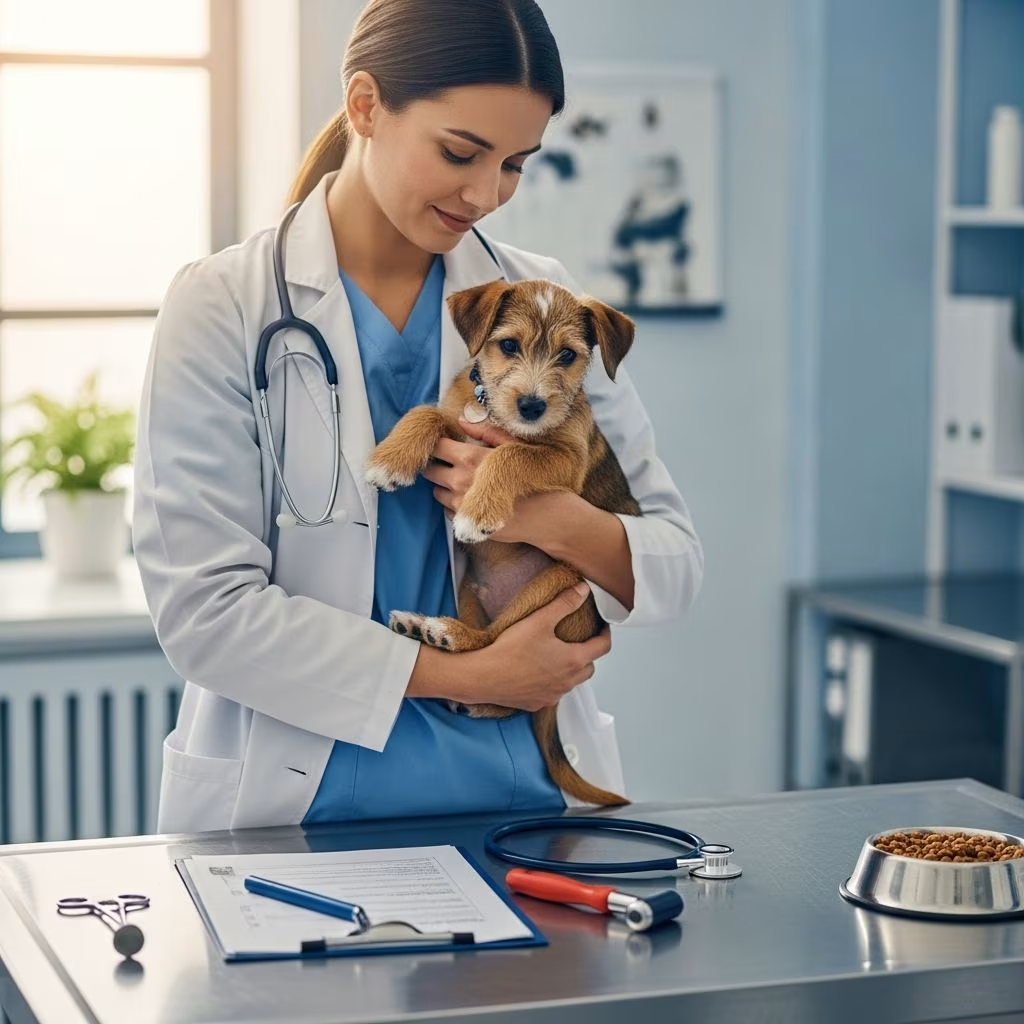
Shelter medicine represents a specialized branch of veterinary practice tailored to the unique challenges of caring for companion animals in high-volume, resource-limited environments like animal shelters. This field integrates individual patient care with population-level health strategies to promote welfare, prevent disease outbreaks, and facilitate successful adoptions.
Defining the Scope of Shelter Veterinary Practice
At its core, shelter medicine addresses the health needs of animals that are often underserved, including strays, surrenders, and those in crisis. Practitioners must navigate a blend of clinical skills, epidemiological knowledge, and operational expertise to manage diverse populations effectively. Unlike traditional private practice, which focuses on one-on-one care, shelter vets prioritize preventive measures to safeguard entire groups against common threats like respiratory infections or parasites.
This discipline has evolved significantly, expanding beyond shelter walls to encompass community programs such as mobile clinics and trap-neuter-return initiatives for feral cats. Recognized by the American Board of Veterinary Practitioners as a distinct specialty, it demands proficiency in areas ranging from biosecurity protocols to behavioral assessments.
Types of Animal Shelters and Their Operational Models
Animal shelters vary widely in structure, funding, and mandate, influencing the veterinary approaches employed. Municipal facilities, often open-admission, accept all animals regardless of health status or behavior, leading to high intake volumes and diverse health challenges. These are typically government-funded and may integrate animal control duties, enforcing laws on strays and cruelty cases.
Private nonprofits, such as humane societies or SPCAs, might operate under contracts or independently, emphasizing adoption and rehabilitation. Rescue groups and foster networks provide flexible, home-based care, often with volunteer support but minimal oversight. Sanctuaries focus on lifelong housing for animals unfit for adoption, requiring long-term chronic disease management.
| Shelter Type | Key Features | Veterinary Focus |
|---|---|---|
| Municipal | Open admission, animal control | High-volume triage, quarantine |
| Private Nonprofit | Selective intake, adoption-driven | Spay/neuter, behavior rehab |
| Foster/Rescue | Home-based, volunteer-led | Remote monitoring, transport health |
| Sanctuary | Non-rehoming, lifelong care | Chronic care, geriatric medicine |
Population Health Management Strategies
Central to shelter medicine is viewing animals as part of a dynamic population rather than isolated cases. Daily health rounds allow vets to monitor trends, isolate sick individuals promptly, and adjust housing to minimize stress and pathogen spread. Pathway planning—tracking each animal’s journey from intake to outcome—enables proactive interventions like early vaccination or foster placement.
- Capacity for Care: Managing intake to match resources, using tools like managed admission to prevent overcrowding.
- Enrichment Protocols: Implementing exercise, toys, and social interaction to reduce cortisol levels and improve adoptability.
- Data-Driven Decisions: Collecting metrics on disease incidence, length of stay, and live release rates to refine protocols.
Effective population management has led to marked declines in euthanasia rates, with many shelters achieving over 90% live outcomes through these methods.
Facility Design and Biosecurity Fundamentals
Optimal shelter layout is critical for health maintenance. Separate areas for intake, isolation, treatment, and adoption minimize cross-contamination. Ventilation systems, easy-clean surfaces, and population-specific wards (e.g., kittens vs. adults) form the backbone of biosecurity.
Vets collaborate on designing flow patterns that limit animal movement and human traffic between zones. For instance, double-door anterooms prevent airborne pathogen escape from isolation wards. Sanitation regimens include hospital-grade disinfectants rotated to combat resistance, with emphasis on high-touch surfaces.
Infectious Disease Prevention and Control
Shelters are hotspots for contagious illnesses like canine distemper, parvovirus, feline upper respiratory infections, and ringworm. Core vaccination upon intake—rabies, distemper combo for dogs, and panleukopenia for cats—provides immediate protection.
Quarantine protocols for bites, known exposures, or clinical signs allow monitoring without risking the herd. Innovations from organizations like the ASPCA include ringworm treatment pipelines using lime dips and systemic antifungals, reducing spread by 80% in treated cohorts. Zoonotic risks, such as ringworm or leptospirosis, necessitate staff training and PPE use.
High-Volume Spay/Neuter Programs
Surgical sterilization is a cornerstone, curbing overpopulation and stabilizing behaviors. High-Quality High-Volume Spay/Neuter (HQHVSN) protocols enable efficient, safe procedures on hundreds of animals weekly. Techniques include pediatric surgeries and minimally invasive methods to accommodate young intakes.
Pre-op exams focus on rapid health screens: hydration, anemia checks via packed cell volume, and parasite deworming. Anesthesia is streamlined with injectable protocols and skilled monitoring to minimize recovery time. Post-op care emphasizes pain management and incision checks during adoption holds.
- Daily surgical targets: 50-100 animals per team.
- Evidence-based guidelines reduce complications to under 1%.
- Integration with TNR for community cats boosts program impact.
Behavioral Health and Welfare Assessments
Behavior evaluations predict adoptability and flag aggression or fear issues early. Standardized tests assess responses to handling, novel stimuli, and conspecifics, guiding outcomes like training referrals or humane euthanasia in severe cases.
Stress mitigation through scent enrichment, classical music, and rotation schedules enhances mental well-being. Vets partner with trainers for modification plans, increasing live release for treatable cases.
Community Engagement and Outreach Initiatives
Modern shelter medicine extends outward via wellness clinics offering low-cost vaccines and exams to pet owners in need. Trap-Neuter-Vaccinate-Return (TNVR) programs manage feral populations humanely, vaccinating and ear-tipping before release.
Mobile units target underserved areas, providing spay/neuter and microchipping. Disaster response teams prepare for evacuations, stockpiling meds and partnering with FEMA. These efforts prevent shelter overcrowding and promote One Health by linking animal and human well-being.
Veterinary Roles and Professional Development
Shelter vets serve as staff, consultants, or directors, influencing policy from boardrooms to kennels. Training pathways include internships, residencies, and certifications from the Association of Shelter Veterinarians.
Key skills: forensics for cruelty cases, transport medicine for relocations, and public health advocacy. Resources like the Journal of Shelter Medicine and Community Animal Health keep practitioners current.
Challenges and Future Directions
Resource constraints, staff burnout, and evolving pathogens challenge shelters. Solutions include foster expansion, AI-driven health monitoring, and grant-funded upgrades. Emphasis on evidence-based standards, like those from ASV, ensures progressive care.
Frequently Asked Questions (FAQs)
What is shelter medicine?
A veterinary specialty focusing on population health in shelters and community animal care.
How do shelters prevent disease outbreaks?
Through vaccination, isolation, biosecurity, and monitoring.
Why is spay/neuter critical in shelters?
It controls population growth and improves behavior for adoption.
Can volunteers assist with veterinary care?
Under supervision for non-medical tasks; licensed vets handle treatments.
What role do shelters play in public health?
Managing zoonoses and providing accessible care.
References
- Shelter Medicine and the ASPCA — ASPCApro. 2023. https://www.aspcapro.org/about-programs-services/shelter-medicine-and-aspca
- The practice of veterinary medicine in animal shelters (Proceedings) — dvm360. 2022-05-15. https://www.dvm360.com/view/practice-veterinary-medicine-animal-shelters-proceedings
- Overview of Shelter Medicine — Merck Veterinary Manual. 2024. https://www.merckvetmanual.com/special-subjects/shelter-medicine/overview-of-shelter-medicine
- Shelter Medicine and Community Engagement Program — University of Pennsylvania School of Veterinary Medicine. 2023. https://www.vet.upenn.edu/research/research-programs/shelter-medicine
- Veterinary Sector Spotlight: Shelter medicine — AVMA. 2023-08-10. https://www.avma.org/news/veterinary-sector-spotlight-shelter-medicine
- Guidelines for Standards of Care in Animal Shelters — Association of Shelter Veterinarians. 2021-02. https://www.sheltervet.org/guidelines-for-standards-of-care-in-animal-shelters



