

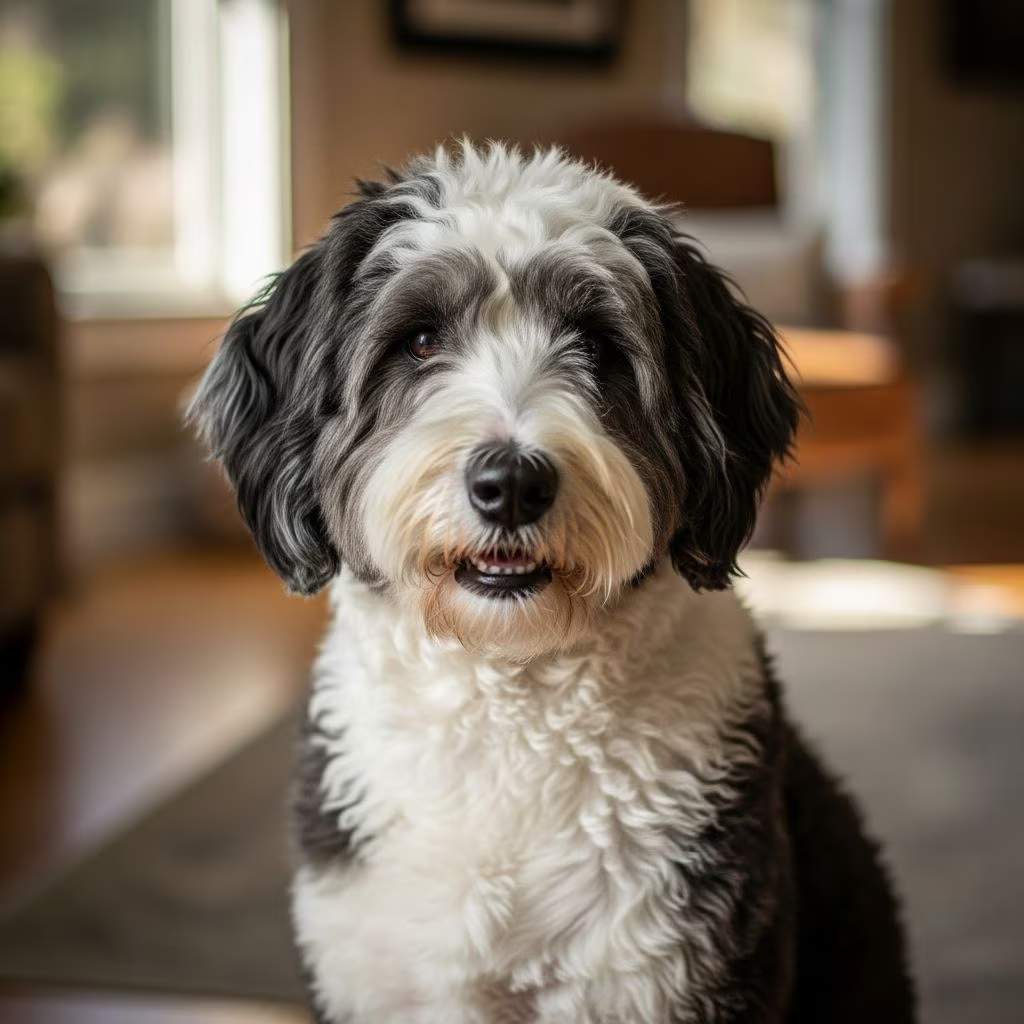
The Sheepadoodle, a delightful cross between the Old English Sheepdog and the Poodle, has captured the hearts of dog enthusiasts worldwide with its fluffy appearance, gentle demeanor, and sharp wit. This hybrid combines the herding prowess and loyalty of the Sheepdog with the intelligence and low-shedding coat of the Poodle, resulting in a versatile companion suitable for various lifestyles.
Origins and Development of the Sheepadoodle
Breeding Sheepadoodles began in the early 2000s as part of the designer dog trend, aiming to merge desirable traits from two iconic breeds. The Old English Sheepdog brings a history of herding livestock on English farms, known for its protective nature and shaggy coat. The Poodle contributes superior intellect, often ranking among the smartest dog breeds, along with a curly, hypoallergenic fur that reduces allergens in the home.
Responsible breeders select parent dogs for health, temperament, and conformation to produce puppies that embody the best of both worlds. Unlike purebreds recognized by major kennel clubs, Sheepadoodles fall under hybrid categories, with multigenerational crosses (F1B, F2) becoming common to stabilize traits like coat type and size variations from miniature to standard.
Physical Characteristics and Appearance Variations
Sheepadoodles exhibit a wide range of sizes depending on the Poodle parent’s stature—toy, miniature, or standard—paired with the typically large Old English Sheepdog. Adults can weigh 25 to 100 pounds and stand 13 to 27 inches tall at the shoulder.
| Size Category | Height | Weight | Typical Use |
|---|---|---|---|
| Miniature | 13-20 inches | 25-45 lbs | Apartment living, small families |
| Medium | 18-22 inches | 40-60 lbs | Active households |
| Standard | 21-27 inches | 60-100 lbs | Large yards, farms |
Their coat is a standout feature: dense, curly or wavy, and low-shedding, often in black, blue merle, red, or parti colors. Eyes are typically dark, and ears flop charmingly. Males tend to be larger, while females may have a more refined build.
Temperament: Playful, Loyal, and Intelligent
Sheepadoodles are renowned for their friendly, outgoing personalities. They inherit high emotional intelligence from both parents, making them intuitive to family moods and excellent therapy dog candidates. Playfulness defines them; they thrive on games like fetch or frisbee, often matching children’s energy levels.
Affectionate and people-oriented, these dogs form deep bonds and dislike solitude, potentially leading to separation anxiety if left alone excessively. Early socialization curbs any dog selectivity, especially in males, fostering harmony with pets and strangers.
- Gentle with kids: Their patient nature suits family life, though supervision prevents accidental rough play due to size.
- Watchful barkers: Alert to visitors without aggression, providing sensible home protection.
- Social butterflies: Eager for attention, they excel in multi-pet homes with proper introductions.
Training Essentials for Success
With Poodle smarts and Sheepdog eagerness to please, Sheepadoodles learn quickly but require consistent, positive reinforcement. Start obedience basics early—sit, stay, come—to channel their energy productively.
Herding instincts manifest as nipping heels or circling family members, a nod to Sheepdog ancestry. Redirect with toys or agility training rather than punishment, as they respond best to firm, loving leadership. Puppy classes aid socialization and curb stubborn streaks.
Mental stimulation via puzzle toys or scent work prevents boredom-induced chewing. Crate training eases housebreaking, often achieved swiftly due to their intelligence.
Exercise Requirements to Keep Them Thriving
These energetic hybrids demand 60-90 minutes of daily activity. Walks alone suffice for minis, but standards crave running, hiking, or yard romps. Incorporate play sessions to burn endurance, preventing pent-up restlessness.
- High-energy pursuits: Frisbee, fetch, swimming (Poodle trait).
- Family integration: Joins trampoline fun or kid games.
- Mental workouts: Obedience drills, herding balls.
Inactive homes risk behavioral issues like excessive barking or destructiveness. Aim for two brisk walks plus free play, adjusting for age and size.
Grooming Routine for That Signature Fluff
Despite low shedding, Sheepadoodles need regular maintenance to avoid matting. Brush 3-5 times weekly with a slicker brush and comb through curls. Professional grooming every 6-8 weeks clips to preferred lengths: teddy bear, kennel cut, or natural.
Bathe monthly with gentle shampoo, clean ears weekly to prevent infections (floppy ears trap moisture), and trim nails biweekly. Dental care via brushing and chews maintains oral health. Budget $100-200 quarterly for pro services.
Diet and Nutrition Guidelines
Feed high-quality, large-breed puppy food until 12-18 months, transitioning to adult formulas. Daily intake varies: 2-4 cups split into meals, based on size and activity. Prioritize proteins (chicken, fish) for muscle support, omega-3s for coat shine.
Monitor weight to avoid obesity, common in fluffy breeds. Fresh water always; consult vets for personalized plans, especially for joint health.
Health Considerations and Lifespan
Sheepadoodles boast 12-15 year lifespans with hybrid vigor reducing some purebred issues, but screen for hip dysplasia, elbow issues, eye problems (progressive retinal atrophy), and bloat (gastric torsion). Cardiac concerns and Addison’s disease warrant annual vet checks.
Choose breeders providing OFA/CHIC certifications on parents. Vaccinations, parasite prevention, and spay/neuter follow standard protocols. Early detection via wellness exams ensures longevity.
Pros and Cons of Sheepadoodle Ownership
| Pros | Cons |
|---|---|
| Hypoallergenic coat, minimal shedding | High grooming demands |
| Intelligent, easy to train | Potential herding/nipping behaviors |
| Affectionate family companion | Needs ample exercise |
| Long lifespan, gentle temperament | May develop separation anxiety |
| Watchdog alert without aggression | Large size not for all homes |
Is a Sheepadoodle Right for Your Lifestyle?
Ideal for active families with space, time for grooming, and commitment to training. Not suited for frequent solo hours or sedentary owners. Their clownish antics and loyalty reward dedicated humans immensely.
Frequently Asked Questions (FAQs)
Are Sheepadoodles good with children?
Yes, their gentle, playful nature makes them excellent with kids, though supervise due to size and herding tendencies.
Do Sheepadoodles shed or cause allergies?
Low-shedding and often hypoallergenic, but test exposure as no dog is 100% allergen-free.
How much exercise does a Sheepadoodle need?
1-2 hours daily, including walks, play, and mental challenges.
What’s the average cost of a Sheepadoodle puppy?
$1,500-$4,000 from reputable breeders, plus ongoing costs for food, grooming, vet care.
Can Sheepadoodles be left alone all day?
No, they thrive on companionship; arrange dog walkers or daycare for workdays.
References
- Our Giant Sheepadoodle: The Good, Bad & The Smelly — Chrissy Marie Blog. Accessed 2026. https://chrissymarieblog.com/sheepadoodle
- Sheepadoodle 101: Everything You Need to Know — Gravel Ridge Doodles. Accessed 2026. https://gravelridgedoodles.com/what-is-a-sheepadoodle/
- Sheepadoodle Dog Breed Health and Care — PetMD. Accessed 2026. https://www.petmd.com/dog/breeds/sheepadoodle
- All About Sheepadoodles — Australian Sheepadoodles Australia. Accessed 2026. https://www.australiansheepadoodlesaustralia.com.au/sheepadoodles/
- 11 Things To Know About Sheepadoodles — Gracewood Farms. Accessed 2026. https://www.gracewoodfarmsc.com/11-sheepadoodle-facts
- Sheepadoodle Dog Breed Information — Purina UK. Accessed 2026. https://www.purina.co.uk/find-a-pet/dog-breeds/sheepadoodle



