

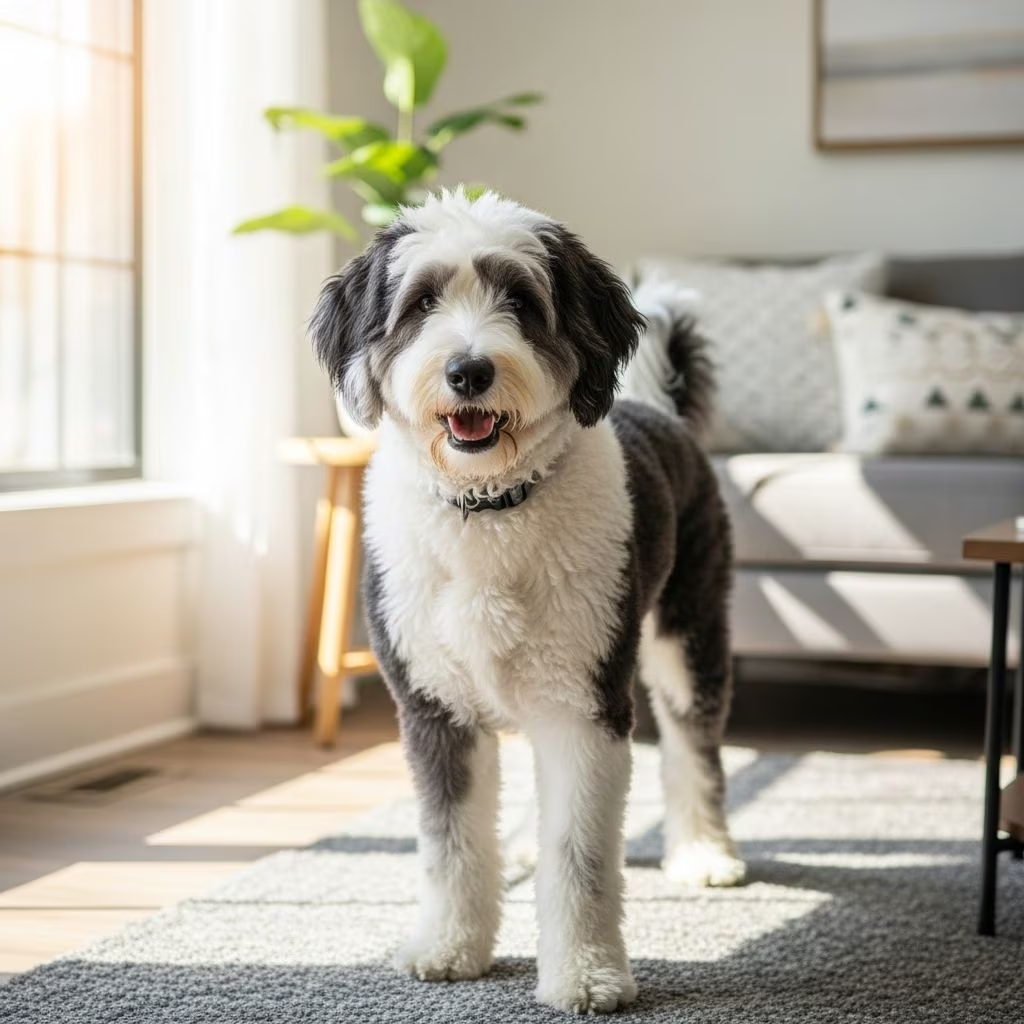
The Sheepadoodle represents a fascinating intersection of two distinct dog breeds, combining the gentle nature of the Old English Sheepdog with the remarkable intelligence of the Poodle. This hybrid breed has gained considerable popularity among dog enthusiasts seeking a companion that embodies desirable traits from both parent breeds. Whether you’re considering adding a Sheepadoodle to your household or simply curious about this distinctive breed, understanding their characteristics, needs, and personality will help you determine if they’re the right fit for your lifestyle.
What Defines a Sheepadoodle?
A Sheepadoodle is the result of intentional crossbreeding between an Old English Sheepdog and a Poodle, creating a hybrid that captures qualities from both lineages. The breed comes in multiple variations, with the most common being the standard Sheepadoodle, while miniature versions exist for those seeking a smaller companion. The distinctive appearance typically features the fluffy, substantial coat associated with their Sheepdog heritage combined with the curly or wavy coat texture inherited from Poodle ancestry.
Physical dimensions vary based on which parent breed exerts stronger genetic influence. Standard Sheepadoodles typically stand between 16 to 22 inches tall and weigh between 65 to 85 pounds, though individual dogs may fall outside these ranges. Miniature Sheepadoodles, bred from Miniature Poodle lineage, offer a more compact alternative for apartment dwellers or those preferring smaller dogs.
Appearance and Coat Characteristics
The visual presentation of a Sheepadoodle varies considerably among individual dogs, even within the same litter. Coat texture ranges from straight and fluffy hair resembling the Old English Sheepdog to kinky or curly hair similar to Poodle coats. Many Sheepadoodles display a combination, featuring thick, wavy hair that creates that characteristic teddy bear appearance for which the breed is known.
Coloration typically follows black-and-white patterns inherited from Old English Sheepdog ancestry, though Sheepadoodles can also display solid colors or various markings including white, gray, blue, silver, brown, apricot, or merle patterns. One of the most appreciated aspects of Sheepadoodle coats is their hypoallergenic nature. The breed produces less dander and saliva that triggers allergic reactions, making them suitable for allergy-sensitive households. Additionally, Sheepadoodles shed minimally compared to many dog breeds, reducing grooming demands and household cleaning requirements.
Temperament and Personality Traits
The Sheepadoodle’s personality represents one of its most compelling attributes. These dogs inherit the Old English Sheepdog’s gentle, calm demeanor and people-pleasing nature, combined with the Poodle’s energetic playfulness and cognitive abilities. This combination produces a dog that is simultaneously intelligent and affectionate, creating a balanced temperament suitable for diverse living situations.
Sheepadoodles display remarkable emotional intelligence, often picking up on their owners’ feelings and moods. This empathetic nature makes them excellent candidates for emotional support or therapy roles. They demonstrate genuine affection toward their families and enjoy being included in household activities. When properly socialized and integrated into family life, they thrive as companions.
These dogs are notably playful and maintain a sense of humor throughout their lives. They love interactive activities and respond enthusiastically to attention from family members. Their friendly disposition extends to children, whom they generally adore, and they typically adapt well to multi-pet households with proper introductions.
Energy Levels and Activity Requirements
While Sheepadoodles aren’t classified as “super-high energy” dogs, they possess considerable endurance derived from both parent breeds’ working dog heritage. The Old English Sheepdog’s herding background combined with the Poodle’s hunting instincts creates dogs that require regular physical and mental stimulation.
Without adequate exercise and cognitive engagement, pent-up energy can manifest as rambunctious or destructive behavior. These dogs benefit from at least two hours of daily walking combined with interactive play sessions and mental enrichment activities. Puzzle toys, training exercises, and games that challenge their problem-solving abilities help satisfy their cognitive needs.
Behavioral Characteristics and Potential Challenges
Understanding common behavioral patterns helps prospective owners prepare for Sheepadoodle ownership. While this breed is generally well-suited for families, certain traits require awareness and proactive management.
Herding Instincts
One characteristic inherited directly from Old English Sheepdog ancestry is the herding instinct. Sheepadoodles may attempt to herd children, other pets, or family members, nipping at heels or circling around people they perceive as needing direction. This natural behavior cannot be trained away completely but can be redirected and managed with consistent boundaries and appropriate training.
Separation Sensitivity
The Sheepadoodle’s strong attachment to family members can create challenges when they’re left alone. These dogs thrive on companionship and may experience anxiety or destructive behaviors if isolated for extended periods without mental stimulation. They perform best in households where someone is regularly available or where they receive midday care breaks.
Potential Aggression with Unknown Dogs
While Sheepadoodles typically get along well with known dogs and household pets, they may display aggression toward unfamiliar dogs, particularly males. Early socialization with diverse dogs and positive interaction experiences can minimize this tendency, though careful management during introductions remains important.
Training and Intelligence
Sheepadoodles demonstrate exceptional trainability, inheriting intelligence from both parent breeds. They eagerly learn new commands, respond well to positive reinforcement methods, and generally housetrain quickly. This intelligence makes them suitable for novice owners, though they benefit from consistency and firm, respectful leadership.
Their strong desire to please their owners facilitates training, and they respond enthusiastically to reward-based methods. Mental stimulation through training sessions provides valuable enrichment that helps prevent boredom-related behavioral issues.
Health and Lifespan Considerations
Sheepadoodles generally represent healthy hybrid dogs with lifespans ranging from 12 to 15 years. As with any breed, prospective owners should source puppies from reputable breeders who conduct health screenings on parent dogs to minimize hereditary health risks.
Daily grooming is essential to maintain coat health and prevent matting, as their thick, often-curly coats require regular attention. Despite minimal shedding, the grooming demands exceed many other breeds due to coat texture and density.
Comparative Overview: Sheepadoodle Advantages and Disadvantages
| Attribute | Advantages | Considerations |
|---|---|---|
| Sociability | Highly social, enjoys human interaction and family time | May struggle with extended alone time |
| Intelligence | Quick learner, easily housetrained, highly trainable | Requires mental stimulation to prevent behavioral issues |
| Coat | Hypoallergenic, minimal shedding, attractive appearance | Requires daily grooming commitment |
| Temperament | Gentle, affectionate, good with children, emotionally aware | Can display herding behaviors and potential dog aggression |
| Lifespan | 12-15 years provides extended companionship | Long-term commitment required |
Suitability for Different Households
Sheepadoodles thrive best with active owners who can provide regular exercise, consistent training, and engaged companionship. They excel in family environments with children, particularly when the children are old enough for interactive play. Their gentle nature makes them unsuitable for homes requiring a guard dog, though they function well as watchdogs, alerting owners to strangers or unusual sounds.
While Sheepadoodles can adapt to various living situations, they perform best with adequate space and access to outdoor exercise areas. They may not be ideal for apartment dwellers unless owners commit to frequent outdoor activities and provide substantial mental enrichment.
Households with established pets should approach introductions carefully, particularly with unfamiliar dogs. However, with proper socialization and management, Sheepadoodles integrate well into multi-pet environments.
Frequently Asked Questions
Are Sheepadoodles good family dogs?
Yes, Sheepadoodles make excellent family companions. They’re affectionate with children, playful, intelligent, and have gentle temperaments. However, they require active engagement and regular exercise to thrive.
Do Sheepadoodles require professional grooming?
While daily brushing can be done at home, professional grooming every 6-8 weeks helps maintain coat health and prevents severe matting due to their thick, often-curly coats.
Can Sheepadoodles be left alone?
Sheepadoodles can be left alone occasionally with training, but they’re prone to anxiety and separation-related behaviors if left for extended periods. They perform best with regular companionship or midday care.
How much exercise do Sheepadoodles need?
These dogs need over two hours of daily walking combined with interactive play and mental stimulation. Regular exercise prevents boredom-related behavioral issues.
Are Sheepadoodles truly hypoallergenic?
While no dog is completely hypoallergenic, Sheepadoodles produce less dander and saliva that trigger allergic reactions, making them suitable for allergy-sensitive individuals.
Making Your Decision
Choosing a Sheepadoodle as your family companion requires honest assessment of your lifestyle, available time, and commitment level. These intelligent, affectionate dogs flourish with active owners who can provide regular exercise, consistent training, and engaged companionship. Their hypoallergenic coats, playful personalities, and emotional intelligence make them appealing to many households, but their grooming needs, exercise requirements, and potential separation anxiety demand realistic consideration.
Before welcoming a Sheepadoodle, ensure your household can meet their physical and emotional needs. Source puppies from reputable breeders who prioritize health screening and temperament selection. With proper preparation and commitment, a Sheepadoodle can become a cherished family member providing years of loyalty, companionship, and unconditional affection.
References
- Chrissy Marie Blog — Chrissy Marie. 2024. https://chrissymarieblog.com/sheepadoodle
- Sheepadoodle Dog Breed Health and Care — PetMD. 2024. https://www.petmd.com/dog/breeds/sheepadoodle
- Sheepadoodle 101: Everything You Need to Know — Gravel Ridge Doodles. 2024. https://gravelridgedoodles.com/what-is-a-sheepadoodle/
- All About Sheepadoodles — Australian Sheepadoodles Australia. 2024. https://www.australiansheepadoodlesaustralia.com.au/sheepadoodles/
- Sheepadoodle Temperament: What You Need to Know — Deb’s Doodles. 2024. https://debsdoodles.net/blog/sheepadoodle-temperament-what-you-need-to-know/
- 11 Things To Know About Sheepadoodles — Gracewood Farm. 2024. https://www.gracewoodfarmsc.com/11-sheepadoodle-facts
- Sheepadoodle Dog Breed Information — Purina UK. 2024. https://www.purina.co.uk/find-a-pet/dog-breeds/sheepadoodle



