

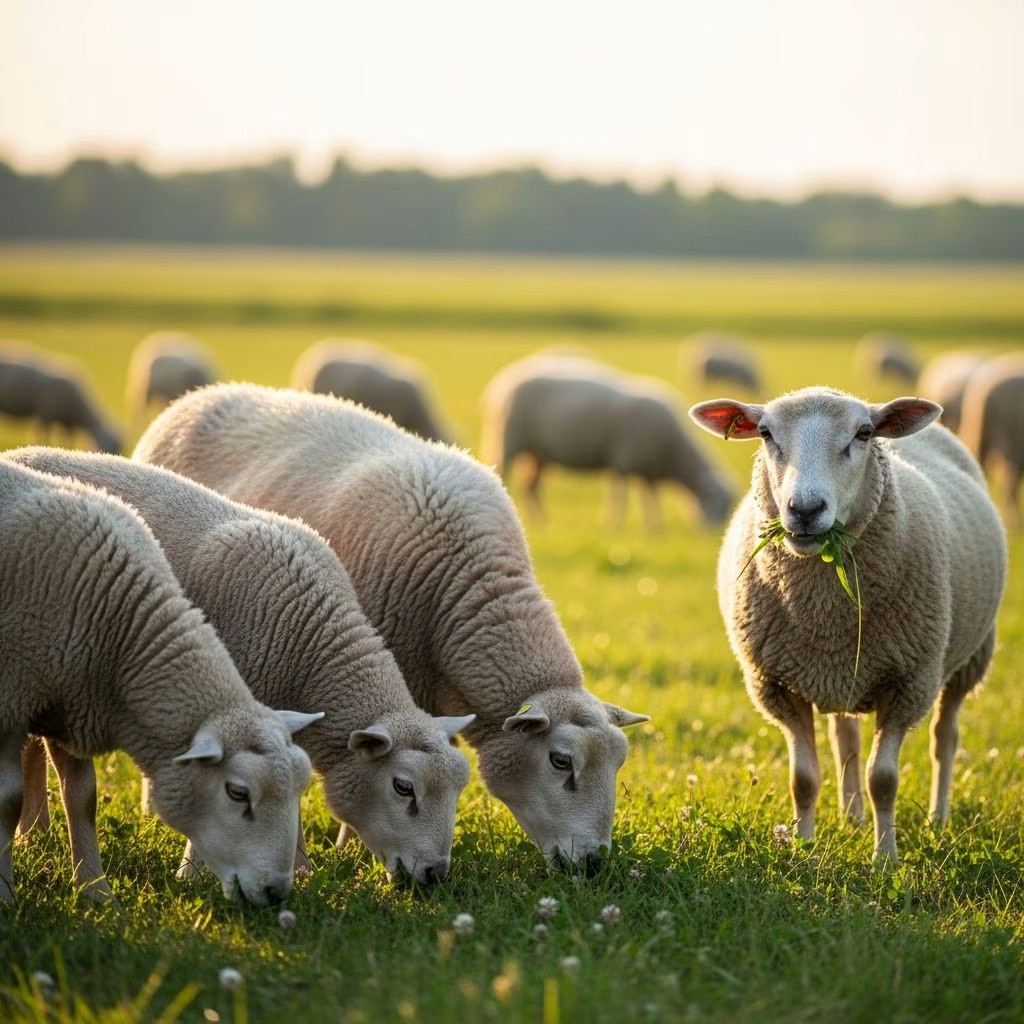
Proper nutrition forms the foundation of healthy sheep flocks, influencing growth rates, reproductive success, milk production, and overall vitality. Sheep, as ruminants, thrive on diets rich in forages that support rumen function while requiring targeted supplements for energy, protein, minerals, and vitamins during specific physiological phases.
Core Nutritional Components for Sheep
Sheep diets must supply energy, protein, fiber, water, minerals, and vitamins in balanced proportions. Energy typically represents the primary limitation, derived mainly from carbohydrates in forages and grains. Protein supports tissue repair and production, while fiber maintains rumen health. Water intake, often overlooked, can reach 4 gallons daily under stress conditions.
- Energy Sources: Pasture grasses, hay, silage, and grains like corn or barley provide carbohydrates via starch or cellulose.
- Protein Origins: Legume hays, soybean meal, and non-protein nitrogen like urea (used cautiously).
- Fiber Role: Essential for rumination; minimum 1 lb roughage per head daily prevents wool chewing.
Forages: The Backbone of Ovine Diets
Forages should comprise over 50% of mature sheep diets to ensure adequate fiber (>50%) and baseline protein (7-8% crude). Grasses and legumes form the bulk, varying by climate and season.
| Forage Type | Key Benefits | Suitable Seasons/Regions | Potential Drawbacks |
|---|---|---|---|
| Timothy Grass | High fiber, palatable | Cool seasons, temperate areas | Lower energy density |
| Bermudagrass | Nutritious, drought-tolerant | Warm climates | May need rotation |
| Fescue | Resilient, widespread | Moderate climates | Endophyte toxicity risk |
| Orchard Grass | Highly digestible | Temperate pastures | Requires fertile soil |
| Ryegrass | Fast growth, high quality | Cool, moist areas | Short stand life |
Legumes like alfalfa boost protein when harvested early-bloom. Weeds often supplement natural grazing, aiding pasture clearance. Rotate pastures to avoid overgrazing and maintain nutritional quality.
Energy Management Across Life Stages
Energy demands peak during late gestation, lactation, and rapid lamb growth. Maintenance needs are met by pasture, but high-production phases require concentrates. Post-weaning lambs benefit from >80% energy-dense diets for efficient gains.
- Maintenance: Forages suffice; add 0.67 lb corn/day if forage TDN is low.
- Growth (Lambs): Creep feeds with 18-21% protein, rolled grains, soybean meal.
- Reproduction: Flush ewes pre-breeding with energy boosts; protein post-breeding.
- Lactation: 2-3x maintenance energy; combine hay and grains.
Protein Strategies and Supplementation
Sheep convert non-protein nitrogen efficiently, but excesses strain kidneys. Soybean meal is preferred; grains offer modest levels. Urea (281% equivalent CP) suits adapted rumen microbes but demands gradual introduction.
Life-stage targets:
- Maintenance: 7-9% CP
- Growing Lambs: 15-21% CP
- Lactating Ewes: 12-16% CP
Avoid ruminant meat/bone meal due to legal and health risks.
Mineral Balance: Critical Ratios and Risks
Sixteen essential minerals include macros (Ca, P, Mg, Na, K, S, Cl) and traces (Cu, Fe, I, Mn, Se, Zn). Ca:P ratio of 2:1 prevents urinary calculi in rams/wethers, especially on grain-heavy diets. Forages often supply Ca; grains demand supplementation.
| Mineral | Function | Deficiency Risks | Notes |
|---|---|---|---|
| Calcium/Phosphorus | Bone health | Rickets, calculi | 2:1 ratio essential |
| Magnesium | Metabolism | Grass tetany | Supplement lush pastures |
| Selenium | Muscle/white muscle disease | Toxicity risk | Regional needs vary |
| Copper | Enzyme function | Anemia | Highly toxic in excess |
| Zinc | Immunity, hoof health | Parakeratosis | Boosts reproduction |
Free-choice minerals without copper reduce toxicity risks; include ammonium chloride for urinary health.
Vitamins: Rumen Synthesis and Exceptions
Rumen microbes produce B-complex and K vitamins, minimizing needs. Fat-solubles (A, D, E) may require supplements in housed flocks or poor forages. Vitamin E pairs with selenium against myopathies.
Water: The Forgotten Essential
Sheep drink 0.5-4 gallons daily, doubling with salt/protein loads or heat. Clean, accessible sources prevent dehydration, supporting digestion and thermoregulation.
Specialized Feeding Programs
Lamb Creep and Grower Feeds
Creep feeds (21% CP, palatable grains) encourage rumen development pre-weaning. Transition to 15% grower feeds with forage for finishing.
Ewe Flushing and Maintenance
Pre-breeding energy surge improves ovulation; winter protein sustains condition. All-roughage rations with macro/trace minerals support dry ewes.
Market Lamb Finishing
High-energy (>80% TDN) pellets with fiber caps maximize gains; monitor bloat.
Common Pitfalls and Prevention
- Grain Overload: Gradual adaptation prevents acidosis.
- Toxicity: Limit Cu, monitor fescue endophytes.
- Imbalances: Test forages; adjust Ca:P.
- Underfeeding Fiber: Ensures rumen motility.
Cost-Effective Ration Design
Nutrition drives 50-70% of production costs; prioritize forages, supplement deficits. Example: Corn for energy gaps in fall forages, shifting to protein in winter.
Frequently Asked Questions (FAQs)
What is the ideal Ca:P ratio for sheep?
A 2:1 calcium-to-phosphorus ratio prevents skeletal issues and calculi.
Can sheep eat grains daily?
Yes, in moderation for energy boosts, but always with roughage.
How much water do sheep need?
0.5-4 gallons/head/day, more in heat or on high-protein feeds.
Is copper safe in sheep minerals?
No added copper recommended to avoid toxicity.
What forages are best for lactating ewes?
Legume-grass mixes for protein and energy.
This guide equips producers with strategies for balanced, stage-specific feeding, optimizing flock performance while minimizing health risks.
References
- Flock nutritional requirements – Sheep 201 — Sheep101.info. Accessed 2026. http://www.sheep101.info/201/nutritionreq.html
- A Guide: What Do Sheep Eat? — DuraFerm. 2025-02. https://duraferm.com/2025/02/what-can-sheep-eat/
- Sheep Nutrition — University of California Agriculture and Natural Resources (UCANR). Accessed 2026. https://anrcatalog.ucanr.edu/pdf/8476.pdf
- Daily Diet, Treats, & Supplements For Sheep — Open Sanctuary Project. Accessed 2026. https://opensanctuary.org/daily-diet-treats-supplements-for-sheep/
- Sheep Quick Reference Guide — ADM Animal Nutrition. Accessed 2026. https://www.admanimalnutrition.com/cs/groups/public/documents/document/cmrf/mday/~edisp/wctrprd_002895~1.pdf
- Sheep Nutrition — New Mexico State University Cooperative Extension Service. Accessed 2026. https://pubs.nmsu.edu/_circulars/CR685/index.html



