

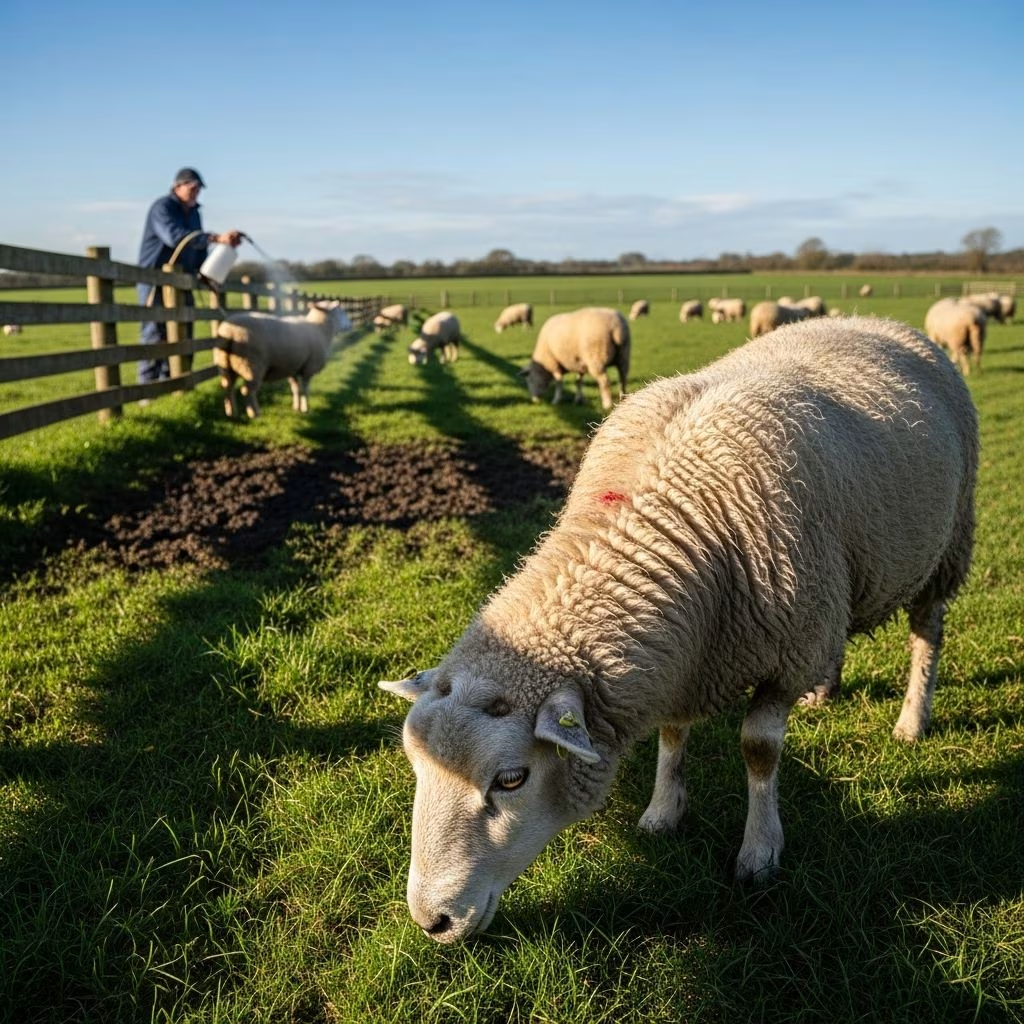
Effective sheep farming hinges on proactive health management. Many illnesses in flocks arise directly from routine activities like feeding, shearing, lambing, and pasture rotation. Understanding these connections allows producers to implement targeted interventions, reducing losses and boosting productivity. This article examines key health threats, their triggers, symptoms, and control measures drawn from veterinary expertise.
Parasitic Challenges in Sheep Herds
Parasites represent one of the most persistent threats to sheep health, often exacerbated by grazing habits and stocking density. Internal worms, or helminths, thrive in moist environments and contaminate pastures through fecal matter. Overgrazing intensifies exposure, leading to anemia, weight loss, and even death in severe cases. External parasites, including lice and mites, spread rapidly during close contact or unhygienic shearing.
To combat internal parasites, regular fecal egg counts guide targeted deworming. Rotating pastures for at least three weeks disrupts the parasite lifecycle, while avoiding grazing near stagnant water minimizes contamination. Genetic selection for resistant breeds further strengthens flock resilience. For external threats, post-shearing treatments with approved insecticides prove effective, especially when applied to freshly shorn sheep for better skin contact.
Common Parasite Types and Impacts
- Haemonchus contortus (Barber Pole Worm): Causes severe blood loss; monitor with FAMACHA eye scoring.
- Mange Mites: Leads to itching and wool loss; isolate affected animals immediately.
- Lice and Ticks: Transmit other diseases; routine checks during handling essential.
Bacterial Infections Linked to Handling Procedures
Bacterial diseases frequently emerge from wounds or stress during farm operations. Shearing wounds, if not managed, become entry points for pathogens. Caseous lymphadenitis, caused by Corynebacterium pseudotuberculosis, spreads via contaminated shears or pus from abscesses. Symptoms include swollen lymph nodes and internal organ damage, impacting meat quality.
Prevent spread by sharpening and disinfecting shears between animals, shearing suspect cases last, and avoiding communal dips. Vaccination offers long-term protection, particularly in endemic areas. Similarly, foot conditions like footrot arise from wet, overcrowded yards, causing lameness and reduced feed intake.
| Disease | Trigger | Prevention |
|---|---|---|
| Caseous Lymphadenitis | Contaminated shearing tools | Disinfect shears, vaccinate flock |
| Dermatophilosis | Shearing cuts in wet wool | Timely shearing, dry housing |
| Footrot | Overcrowded wet pens | Foot baths with copper sulfate |
Clostridial Diseases: A Major Vaccination Priority
Clostridial bacteria, spore-forming and ubiquitous in soil, pose acute risks during procedures like castration, tail docking, and lambing. Enterotoxemia (pulpy kidney), from Clostridium perfringens types C and D, strikes rapidly in overfed lambs, causing sudden death. Tetanus follows wounds from elastrator bands or dirty instruments. Black disease and malignant edema also target stressed or injured sheep.
Vaccination forms the cornerstone of prevention. Administer 6-in-1 vaccines covering tetanus, blackleg, pulpy kidney, black disease, malignant edema, and cheesy gland. Ewes receive two doses four weeks apart before lambing, passing antibodies via colostrum. Lambs benefit from boosters at 30 days and annually thereafter. For tetanus-prone operations, antitoxin injections at docking provide immediate safeguard. Clean environments and prompt wound care amplify vaccine efficacy.
Nutritional and Metabolic Disorders from Feeding Errors
Imbalanced diets trigger metabolic crises, especially in late pregnancy or fast-growing lambs. Pregnancy toxemia (twin lamb disease) occurs when ewes mobilize fat reserves excessively, leading to ketosis, weakness, and abortion. High-grain feeding without roughage predisposes to enterotoxemia. Coccidiosis, a protozoal scourge, overwhelms young lambs in damp bedding, causing diarrhea and dehydration.
Maintain body condition scoring, provide fiber-rich forage, and supplement minerals. Coccidiostats like decoquinate in creep feed protect lambs, while ewes receive treatments pre-lambing. Monitor pasture endophyte levels to avoid ryegrass staggers.
Key Nutritional Safeguards
- Gradual grain introduction to prevent acidosis.
- Access to clean water and mineral mixes daily.
- Separate creep areas for coccidiosis control.
Viral and Chronic Diseases Influenced by Husbandry
Viral threats like ovine progressive pneumonia and sheep pox persist in flocks with poor biosecurity. Johne’s disease (paratuberculosis) spreads via manure-contaminated feed, causing chronic wasting. While incurable, management limits spread: cull clinical cases, test replacements, and fence off cat access to feed to curb toxoplasmosis.
Shearing protocols reduce transmission; process young sheep first to protect naives from carriers. Quarantine new arrivals for 30 days.
Integrated Flock Health Programs
Holistic approaches outperform reactive treatments. Daily observations detect early illness when sheep are calm. Biosecurity includes visitor logs, boot dips, and rodent control. Pasture management—rotational grazing, harrowing—curbs parasites.
Annual veterinary audits tailor vaccination and deworming schedules. Record-keeping tracks trends, justifying investments like genetic selection for parasite resistance.
Frequently Asked Questions (FAQs)
What is the best vaccination schedule for clostridial diseases?
Ewes: Two initial doses 4 weeks apart pre-lambing, annual boosters. Lambs: At 30 days, booster 2-4 weeks later.
How can I prevent parasite resistance to dewormers?
Use fecal egg counts, treat only clinical cases, rotate classes, and select resistant genetics.
Is tetanus common after banding lambs?
Yes; vaccinate ewes pre-lambing or give antitoxin at procedure.
What causes sudden lamb deaths post-weaning?
Often enterotoxemia from diet change; vaccinate and introduce feed gradually.
How do I manage footrot outbreaks?
Isolate cases, foot bath with 10% copper sulfate or formalin, ensure dry yards.
Building Resilient Sheep Operations
Proactive husbandry transforms potential crises into manageable routines. By aligning practices with disease biology—clean shearing, strategic vaccination, pasture hygiene—farmers minimize losses. Invest in education and veterinary partnerships for sustained success. Regular monitoring and adaptation to local conditions ensure thriving flocks year-round.
References
- Disorders Associated with Management Practices of Sheep — Ohio State University Extension. 2021-01-19. https://u.osu.edu/sheep/2021/01/19/disorders-associated-with-management-practices-of-sheep/
- Managing sheep diseases and disorders — Business Queensland. Accessed 2026. https://www.business.qld.gov.au/industries/farms-fishing-forestry/agriculture/animal/industries/sheep/health/manage
- Additional Common Diseases Associated With Management Practices of Sheep — Merck Veterinary Manual. Accessed 2026. https://www.merckvetmanual.com/management-and-nutrition/preventative-health-care-and-husbandry-of-sheep/additional-common-diseases-associated-with-management-practices-of-sheep
- Sheep Health and Management — Oklahoma State University Extension. Accessed 2026. https://extension.okstate.edu/fact-sheets/sheep-health-and-management.html
- Tool 11.16 Common sheep diseases and their causes — Making More From Sheep. Accessed 2026. https://www.makingmorefromsheep.com.au/manual/module-11-healthy-and-contented-sheep/tool-11-16-common-sheep-diseases-and-their-causes/
- Chapter 6. SHEEP DISEASES — Food and Agriculture Organization (FAO). Accessed 2026. https://www.fao.org/4/ah651e/ah651e09.htm
- An Investigation into Major Sheep Diseases and Management Practices — PubMed Central (PMC). 2022. https://pmc.ncbi.nlm.nih.gov/articles/PMC9477567/



