

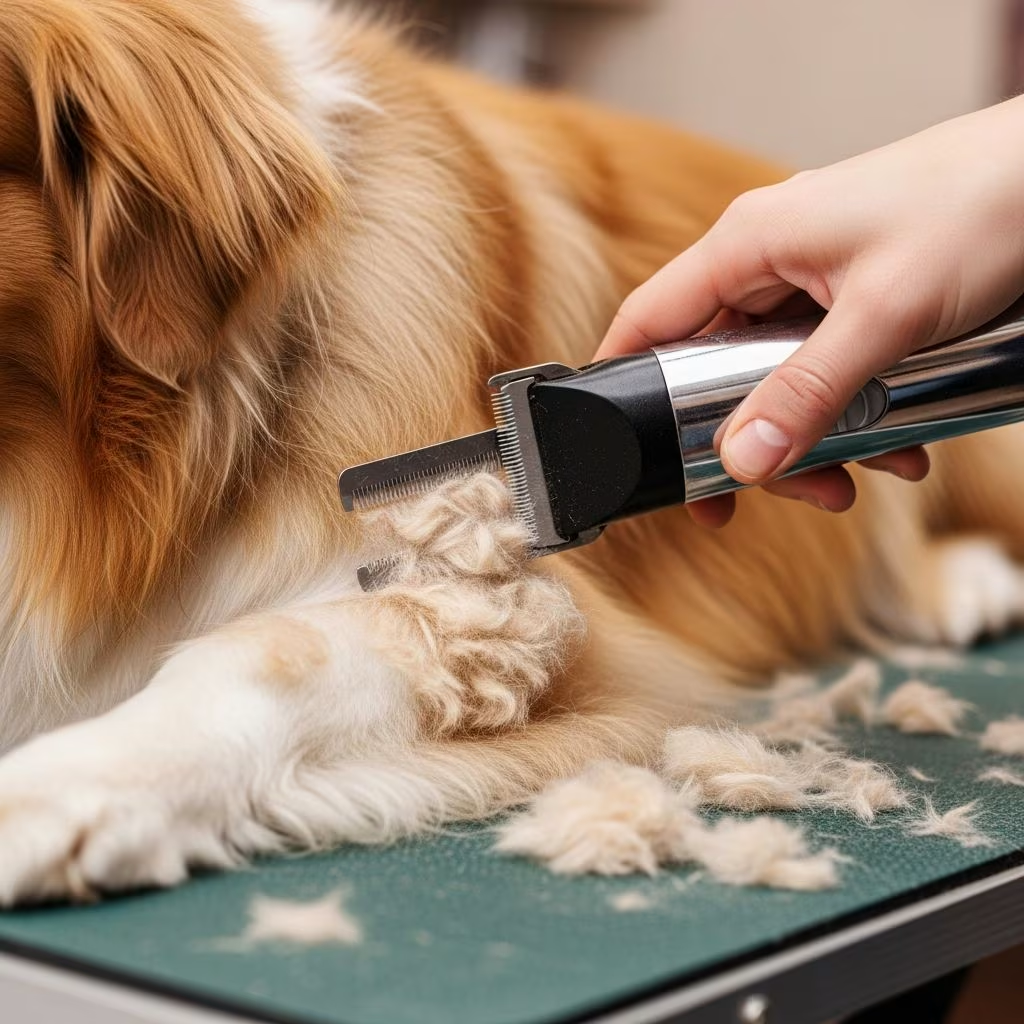
Matted fur on dogs forms tight knots that pull on the skin, causing discomfort and potential health issues, often requiring careful shaving to restore comfort.
Understanding the Formation of Matted Fur
Dog hair mats when loose strands tangle together, exacerbated by neglect in brushing, moisture retention after baths, or friction from collars and bedding. Breeds with long, curly, or double coats, such as Spaniels or Doodles, are particularly prone due to their fur growth patterns. Over time, these tangles tighten near the skin, trapping debris and moisture that foster bacterial growth.
Early detection is crucial; small knots can be brushed out, but advanced matting embeds deeply, making removal challenging without professional intervention.
Health Risks Posed by Untreated Matting
Severe matting leads to multiple complications beyond aesthetics. Tight knots rub against the skin, creating sores and hotspots that become infected if dirt accumulates within. Parasites like fleas thrive in these hidden areas, evading detection and treatment.
- Skin infections: Trapped bacteria cause inflammation and painful abscesses.
- Mobility issues: Mats around legs or joints restrict movement, leading to limping or reluctance to play.
- Circulation problems: Prolonged pressure from mats impairs blood flow, risking tissue damage.
- Psychological stress: Constant discomfort makes dogs irritable or withdrawn.
Professional groomers note that neglected mats can necessitate sedation for safe clipping, highlighting the urgency of addressing them promptly.
Why Shaving Becomes Necessary
When brushing fails, shaving offers the most humane solution by removing the problematic layer entirely, allowing skin to heal and new fur to grow evenly. This approach prevents further pulling and infection risks associated with forceful detangling. Home attempts often fail due to inadequate tools, but pros use clippers for precision.
For minor cases, dematting tools suffice, but severe matting—covering large areas or close to skin—demands a full shave-down to ensure complete relief. Post-shave, dogs experience immediate comfort, with fur regrowth typically even and healthier.
Essential Tools for Safe Matted Fur Removal
Equipping yourself or relying on groomers with the right gear minimizes injury risks. Key items include:
| Tool | Purpose | Best For |
|---|---|---|
| Slicker brush | Gently detangles surface knots | Long or curly coats |
| Wide-tooth comb | Separates deeper tangles without pulling | Initial assessment |
| Blunt-tipped scissors | Cuts isolated small mats parallel to skin | Spot treatment only |
| Electric clippers (#10 or #40 blade) | Shaves mats close to skin safely | Severe cases |
| Conditioning spray | Loosens knots and soothes skin | Pre- and post-shave |
Avoid sharp household scissors, as sudden movements can cause cuts. Clippers with cooling features prevent burns during extended use.
Step-by-Step Guide to Shaving at Home
While professionals are ideal, informed owners can manage mild matting. Always prioritize safety and stop if the dog shows distress.
- Prepare the area: Choose a quiet space with good lighting. Secure your dog with a harness, not a collar, to avoid added friction.
- Assess severity: Part the fur to check mat depth. If roots are embedded, seek pros immediately.
- Apply detangler: Spray a pet-safe conditioner; wait 5-10 minutes to loosen.
- Brush gently: Use slicker from tips inward, rewarding calm behavior.
- Clip carefully: Set clippers to longest guard first. Work against fur growth in sections, keeping blade flat.
- Clean and soothe: Bathe with medicated shampoo, then apply balm to exposed skin.
- Monitor recovery: Check for redness daily; consult a vet if swelling occurs.
For sanitary areas like genitals or rear, use #10 blades and extra caution, as shown in grooming demos. Sessions should last no longer than 30 minutes to reduce stress.
Professional Grooming: The Safest Option
Groomers handle severe cases with expertise, starting with pre-clip conditioning baths to soften mats. They employ sedation if needed for anxious dogs and follow with styling to even the coat. Benefits include:
- Risk-free mat removal without skin nicks.
- Custom prevention plans based on breed.
- Immediate pain relief and hygiene boost.
Expect costs of $50-150 depending on size and matting extent; schedule every 6-8 weeks for maintenance.
Post-Shave Care for Optimal Recovery
After shaving, protect the skin from sun, dirt, and irritation. Apply vet-approved ointments, limit baths for two weeks, and use doggy sweaters outdoors. Brush regrowth daily to prevent new mats. Nutrition with omega fatty acids supports healthy fur return within 4-6 weeks.
Proven Strategies to Prevent Future Matting
Prevention outperforms cure through consistent routines tailored to coat type.
Daily Brushing Habits
Short-haired dogs need weekly sessions; long coats demand daily with bristle-appropriate tools. Brush in fur direction firmly yet gently, ending with a shedding blade.
Bathing Best Practices
Brush pre-bath to remove loose hair; use conditioner post-rinse. Thorough towel-drying or low-heat blow-drying prevents moisture-induced clumping. Frequency: every 4 weeks max.
Product Recommendations
Opt for moisturizing shampoos, leave-in sprays, and wipes for spot cleans. Avoid human products, which dry out canine skin.
Lifestyle Adjustments
- Remove collars indoors to cut friction.
- Trim paw fur to block debris.
- Diet rich in coat-supporting nutrients.
Table of breed-specific frequencies:
| Breed Type | Brushing Frequency | Grooming Interval |
|---|---|---|
| Short hair | Weekly | 8-12 weeks |
| Long/straight | Daily | 4-6 weeks |
| Curly/double coat | Daily | Every 4 weeks |
Breed Vulnerabilities and Tailored Care
Certain breeds mat faster: Poodles from curls, Huskies from undercoats. Adjust tools—undercoat rakes for fluffies, combs for silks—and routines accordingly. Consult breed clubs for specifics.
Frequently Asked Questions
Does shaving matted fur hurt my dog?
Professional shaving relieves pain quickly; improper home attempts can tug and hurt. Use lubrication and go slow.
How long does fur take to grow back after shaving?
Typically 1-2 months for short coats, longer for thick ones. Consistent care speeds even regrowth.
Can I bathe my dog right after shaving?
Wait 48 hours; use gentle products to avoid dryness.
Is matting a sign of neglect?
Often yes, but water exposure or health issues contribute. Regular checks prevent escalation.
What if mats return quickly?
Underlying issues like allergies may cause it—see a vet for diagnosis.
This comprehensive approach ensures your dog’s coat stays healthy, avoiding the cycle of matting and shave-downs.
References
- Post-Groom Tips: Matting Prevention and After-Shave Care — Barkbus. 2023. https://www.barkbus.com/blog/post-groom-tips-for-matting-prevention-and-after-shave-care
- A Haircut Could Save a Life: Preventing Your Pet’s Coat from Matting — ASPCA. 2022-10-15. https://www.aspca.org/news/haircut-could-save-life-preventing-your-pets-coat-matting
- How to Get Mats Out of Dog Hair: Safe & Effective Solutions — Earth Rated. 2024. https://www.earthrated.com/blogs/blog/how-to-get-mats-out-of-dog-hair-1
- The Dangers of Matted Dog Hair and Why Grooming Helps — Happy Hounds Grooming. 2023. https://www.happyhoundsgrooming.com/dangers-of-matted-dog-hair
- Healthy Grooming Routines & Matting Info — Paws and Anchor. 2024. https://www.pawsandanchor.com/healthy-grooming-routines—matting-info
- Matted Dog Grooming | Pet Sanitary Clip Tips — YouTube (Video). 2022-05-10. https://www.youtube.com/watch?v=7FVAj5MWNxI



