

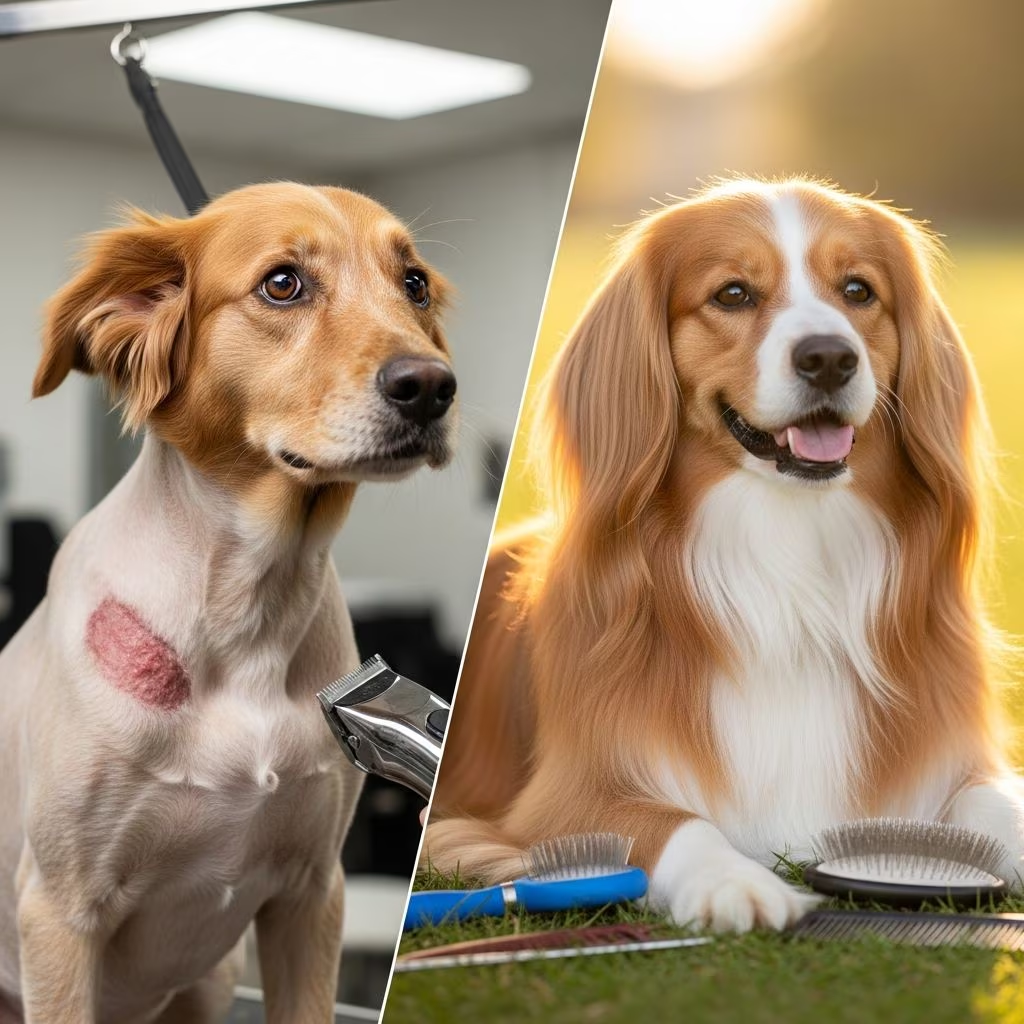
Many dog owners consider shaving their pet’s coat during hot weather to reduce shedding or provide relief from the heat. However, this practice can compromise a dog’s natural protections and lead to serious health issues. Veterinary experts emphasize that a dog’s fur serves critical functions beyond appearance, acting as insulation, UV barrier, and shield against insects.
Understanding Your Dog’s Coat Structure
Dogs have diverse coat types, each evolved for specific environmental needs. Recognizing these differences is key to deciding on grooming approaches.
- Double-Coated Breeds: Common in breeds like German Shepherds, Huskies, and Golden Retrievers, these feature a dense undercoat for insulation and a coarser outer guard coat for protection. The undercoat traps air to regulate temperature, while the guard hairs block sun and debris.
- Single-Coated Breeds: Seen in dogs like Labradors or Boxers, these lack a thick underlayer, relying on shorter, smoother fur that’s easier to manage but still needs length for shielding.
- Continuously Growing Coats: Poodles, Bichons, and Shih Tzus have hair that grows like human scalp hair, requiring regular trims to avoid matting but not full shaves.
Shaving disrupts these natural systems, particularly in double-coated dogs where regrowth can become uneven, leading to patchy textures and permanent changes.
Dangers of Shaving Double-Coated Dogs
For double-coated breeds, removing the fur eliminates the insulating air pocket that keeps dogs cool in summer and warm in winter. Dr. Jerry Klein, Chief Veterinary Officer for the American Kennel Club, notes that shaving increases heat absorption directly on the skin, heightening heatstroke risk.
| Risk | Explanation | Affected Breeds |
|---|---|---|
| Sunburn and Skin Cancer | Exposed skin lacks UV protection from guard hairs. | Golden Retriever, Samoyed |
| Heat Regulation Failure | No insulating layer; skin overheats faster. | Husky, German Shepherd |
| Follicle Damage | Undercoat grows faster, crowding guard hairs; results in ingrown hairs or altered texture. | All double-coated |
| Insect Bites | No barrier against fleas, ticks, and flies. | Any shaved breed |
Post-shave, the coat may never fully recover its original form, causing ongoing aesthetic and functional problems.
When Trimming Might Be Appropriate
Not all dogs face the same restrictions. Single-coated or continuously growing coats can tolerate clipping if done correctly.
- Sanitary Shaves: For areas around the rear to prevent soiling in long-haired breeds like Cocker Spaniels.
- Mat Removal: Severe tangles causing pain or infection hotspots may require careful clipping, but only by professionals.
- Medical Needs: Surgery, skin treatments, or allergies might necessitate temporary shaving under veterinary guidance.
- Short Clips for Single Coats: Leave at least 1 inch to maintain protection; ideal for preventing mats without full exposure.
Always consult a vet or certified groomer before any clippers touch the skin.
Effective Grooming Strategies for Cool Comfort
Instead of shaving, focus on routines that enhance natural cooling and health. Regular maintenance reduces shedding by up to 90% and promotes skin vitality.
Brushing Techniques
Daily brushing removes loose undercoat, distributes oils, and allows skin to breathe. Use tools like slicker brushes for double coats and pin brushes for longer fur.
- Brush in the direction of hair growth to avoid irritation.
- Focus on high-shed areas: back, sides, and tail base.
- Frequency: Daily for heavy shedders, 2-3 times weekly otherwise.
Bathing Best Practices
Overshampooing strips oils; bathe every 4-6 weeks with dog-specific, pH-balanced products. Rinse thoroughly to prevent residue buildup.
Nail and Paw Care
Overgrown nails cause pain and poor gait. Trim every 3-4 weeks, checking pads for cracks or injuries during outdoor play.
Ear Cleaning Essentials
Weekly checks prevent infections; use vet-approved solutions on cotton balls, avoiding deep insertion.
Summer Safety Beyond Grooming
Grooming pairs with lifestyle adjustments for heat management.
- Provide constant fresh water and shaded rest areas.
- Walk during cooler morning/evening hours; avoid hot pavement.
- Use cooling mats or vests for high-risk breeds.
- Monitor for heatstroke signs: excessive panting, drooling, weakness.
Health Monitoring During Grooming Sessions
Grooming doubles as a health check. Hands-on inspection reveals issues early.
- Lumps, bald spots, or irritations signal allergies or tumors.
- Parasites like fleas hide in fur; brushing exposes them.
- Behavioral cues during handling indicate pain or anxiety.
Professional groomers, trained to spot subtleties, complement home efforts every 4-8 weeks.
Mental Benefits of Routine Grooming
Beyond physical perks, grooming builds trust and reduces stress. Dogs habituated to touch become calmer at vets or during travel. Positive reinforcement with treats turns sessions into bonding time.
FAQs on Dog Coat Care
Can shaving ever cool my dog down?
No, for most breeds, it removes insulation, making overheating worse.
How often should I groom my double-coated dog?
Brush daily in shedding season; bathe sparingly.
What if my dog’s coat is matted?
Seek professional help to clip only affected areas without skin exposure.
Does dog hair cause allergies in humans?
Dander, not hair, is the culprit; grooming minimizes spread.
Are there safe clipper lengths for summer?
Leave 1+ inch on single coats; avoid full shaves.
Choosing Professional Grooming Services
Opt for certified groomers familiar with coat types. They use stress-reducing techniques and spot health flags vets appreciate.
In summary, preserve your dog’s coat integrity for peak health. Smart grooming keeps them comfortable year-round without risky shaves.
References
- Is It OK to Shave Your Dog’s Coat in Summer? — American Kennel Club. 2023-06-15. https://www.akc.org/expert-advice/health/is-it-ok-to-shave-your-dog/
- Should You Shave a Dog? — Whole Dog Journal. 2023-01-10. https://www.whole-dog-journal.com/health/should-you-shave-a-dog/
- Brushing Up on Health: The Hidden Benefits of Regular Pet Grooming — Anclote Animal Hospital. 2024-02-20. https://www.ancloteanimalhospital.com/health-benefits-of-regular-pet-grooming/
- The Hidden Health Benefits of Dog Grooming — Fox Creek Veterinary Hospital. 2024-05-12. https://www.foxcreekveterinaryhospital.com/how-grooming-keeps-your-dog-healthy/
- The Hidden Health Benefits of Grooming: Prevent Illness Before It Starts — Rock Creek Veterinary Hospital. 2023-11-08. https://www.rockcreekvet.com/the-hidden-health-benefits-of-grooming-prevent-illness-before-it-starts
- Does Dog Hair Cause Health Problems? — TriStar Vet. 2024-03-05. https://tristarvet.com/vet-advice/does-dog-hair-cause-health-problems/
- How Grooming Benefits Your Dog’s Physical & Mental Health — Scoopy Doos Delray Beach. 2023-09-18. https://scoopydoosdelraybeach.com/blogs/news/how-grooming-benefits-your-dog-physical-and-mental-health



