

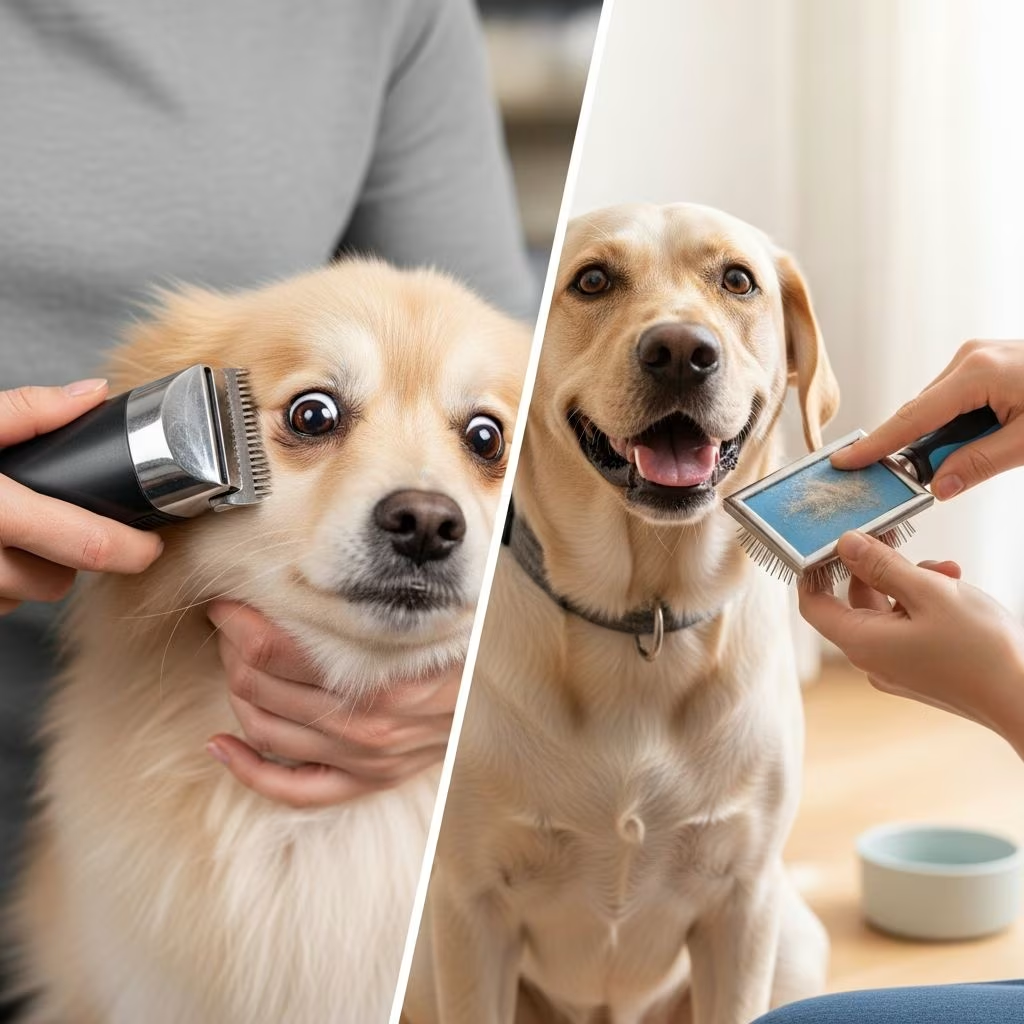
Many dog owners consider shaving their pet’s coat during hot weather to provide relief from the heat or reduce shedding. However, this practice often does more harm than good, particularly for dogs with double coats. Veterinary experts emphasize that a dog’s fur serves essential protective functions, acting as a natural barrier against UV rays, insects, and temperature extremes.
Understanding Your Dog’s Coat: The Science Behind Fur Layers
Dogs’ coats vary widely by breed, but most feature a sophisticated structure designed for protection. Double-coated breeds, such as Golden Retrievers, Huskies, and German Shepherds, possess two distinct layers: a dense undercoat that insulates against heat and cold, and a coarser outer guard coat that shields the skin. The undercoat traps air, creating a cooling effect in summer as it allows airflow while blocking direct sun exposure.
Shaving disrupts this system. Without the undercoat, the skin loses its insulating barrier, increasing vulnerability to overheating, sunburn, and even skin cancer. Dr. Jerry Klein, Chief Veterinary Officer for the American Kennel Club, notes that removing the coat eliminates this vital layer, heightening risks of heat stroke and follicle damage.
| Coat Type | Key Features | Shaving Recommendation |
|---|---|---|
| Double-Coated | Undercoat + Guard hairs; insulates and protects | Avoid completely; risks permanent damage |
| Single-Coated (e.g., Poodles, Labs) | One layer; prone to matting | Light clipping only; leave 1-inch minimum |
| Wire-Haired or Smooth | Short, dense; minimal shedding | Occasional trim; no shaving needed |
This table highlights how coat types dictate grooming needs. For single-coated dogs, professional clipping to prevent matting is acceptable but should never go skin-close, preserving at least one inch for UV protection.
The Hidden Dangers of Shaving: Long-Term Consequences
Beyond immediate overheating, shaving poses lasting issues. Regrowth in double-coated dogs favors the undercoat, which grows faster and can crowd out guard hairs, resulting in uneven texture, patchiness, and color changes. This ‘coat ruin’ may persist indefinitely, altering the dog’s appearance permanently.
- Sunburn and Cancer Risk: Exposed skin burns easily, raising melanoma chances.
- Skin Irritations: Loss of fur allows allergens and parasites direct access.
- Thermal Dysregulation: No insulation leads to poor temperature control in all seasons.
- Infection Hotspots: Shaved areas trap moisture, fostering bacterial growth.
These risks underscore why experts universally advise against shaving for most breeds. Instead, focus on natural shedding cycles where dogs shed undercoats in spring and fall to adapt naturally.
Effective Alternatives: Grooming Techniques for Cool Comfort
Smart grooming keeps dogs comfortable without razors. Regular brushing removes loose undercoat, promoting airflow and reducing shedding by up to 90%. Use tools like slicker brushes for double coats and undercoat rakes to gently extract dead hair.
- Daily Brushing: 10-15 minutes distributes skin oils, prevents mats, and stimulates circulation.
- Bathing Schedule: Every 4-6 weeks with dog-safe shampoos maintains hygiene without stripping oils.
- Nail Trims: Bi-weekly to prevent pain and mobility issues from overgrown nails.
- Ear Cleaning: Weekly checks remove debris, averting infections.
Professional grooming every 4-8 weeks complements home efforts, offering thorough detangling and health scans. Benefits extend to mental well-being, as routine touch provides calming reassurance, reducing anxiety in sensitive dogs.
Health Monitoring Through Grooming: Catch Issues Early
Grooming doubles as a diagnostic tool. Hands-on sessions reveal lumps, rashes, parasites, or infections before symptoms escalate. For instance, mats hide fleas and ticks, which thrive in neglected fur and transmit diseases.
Overgrown nails cause joint strain and limping, while unchecked ears lead to chronic otitis. Routine care spots these early, improving outcomes and saving costs. ASPCA groomers stress that neglecting fur hygiene rivals skipping vet visits in consequences.
Top Grooming Benefits at a Glance
- Prevents matting that pulls skin and restricts blood flow.
- Distributes oils for shiny, healthy skin.
- Reduces allergens like dander for household harmony.
- Boosts circulation and detects hidden pains.
- Enhances emotional bonds through positive handling.
Summer-Specific Strategies: Beat the Heat Safely
When temperatures climb, prioritize non-invasive cooling. Provide shade, fresh water, and frozen treats. Walk during cooler hours and use cooling mats. For heavy shedders, ‘furmination’ tools safely extract undercoat without clipping.
Avoid human tactics like fans alone; dogs cool via panting and paws. Shaved dogs paradoxically overheat faster due to uninsulated skin absorbing sun. Breeds like Huskies thrive in heat with intact coats, proving nature’s design superior.
Special Considerations by Breed and Lifestyle
Active outdoor dogs benefit most from coat preservation against thorns and bugs. Indoor pets with allergies need frequent brushing to minimize dander, which clings to fur and triggers asthma—not the hair itself.
Puppies and seniors require gentler routines; consult vets for tailored plans. Always patch-test products to avoid reactions.
FAQs: Common Dog Grooming Questions
Is shaving ever okay for dogs?
Rarely. Only for severe medical reasons under vet guidance, never for cooling.
How often should I groom my double-coated dog?
Daily brushing in shedding season; professional every 6 weeks.
Does dog hair cause allergies?
No, dander does. Grooming reduces it effectively.
Can grooming prevent hot spots?
Yes, by keeping coat free of moisture-trapping mats.
What if my dog hates grooming?
Start slow with treats; professionals handle stress well.
Building a Year-Round Grooming Routine
Consistency is key. Track progress with photos and vet check-ins. Invest in quality tools: de-shedding brushes, nail grinders, and oatmeal shampoos. Home grooming saves money while deepening bonds.
Ultimately, embracing a dog’s natural coat fosters health and happiness. Skip the shave; celebrate the fur with proper care.
References
- Is It OK to Shave Your Dog’s Coat in Summer? — American Kennel Club (AKC). 2023-06-15. https://www.akc.org/expert-advice/health/is-it-ok-to-shave-your-dog/
- Brushing Up on Health: The Hidden Benefits of Regular Pet Grooming — Anclote Animal Hospital. 2024-02-10. https://www.ancloteanimalhospital.com/health-benefits-of-regular-pet-grooming/
- The Hidden Health Benefits of Dog Grooming — Fox Creek Veterinary Hospital. 2023-11-20. https://www.foxcreekveterinaryhospital.com/how-grooming-keeps-your-dog-healthy/
- Hair Comes Trouble: Why Pets Need Regular Grooming — ASPCA. 2022-08-05. https://www.aspca.org/news/hair-comes-trouble-why-pets-need-regular-grooming
- The Hidden Health Benefits of Grooming: Prevent Illness Before It Starts — Rock Creek Veterinary Hospital. 2024-01-12. https://www.rockcreekvet.com/the-hidden-health-benefits-of-grooming-prevent-illness-before-it-starts
- Does Dog Hair Cause Health Problems? — TriStar Vet. 2023-09-18. https://tristarvet.com/vet-advice/does-dog-hair-cause-health-problems/
- How Grooming Benefits Your Dog’s Physical & Mental Health — Scoopy Doo’s Delray Beach. 2024-03-05. https://scoopydoosdelraybeach.com/blogs/news/how-grooming-benefits-your-dog-physical-and-mental-health



