

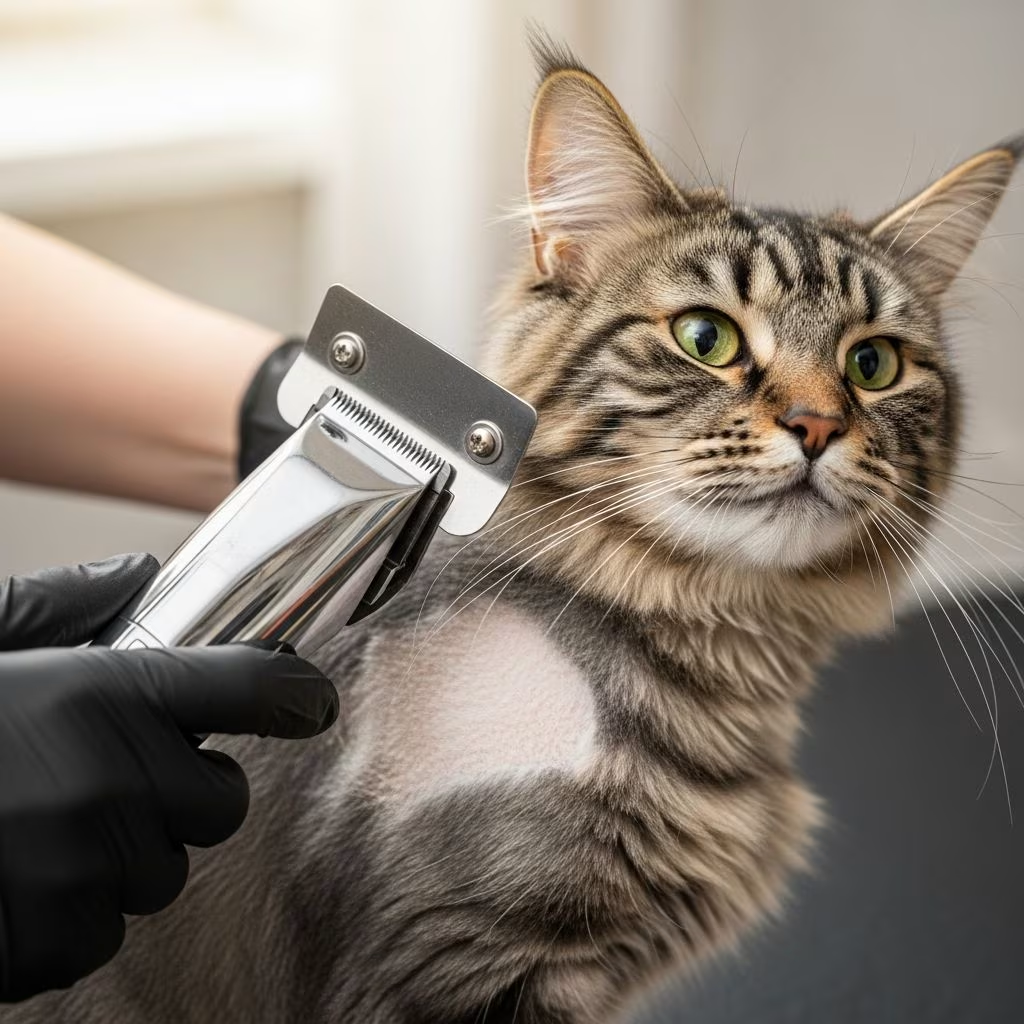
Using human clippers on cats poses significant risks due to differences in blade design, speed, and heat generation, potentially causing cuts, burns, or stress; specialized cat grooming tools and professional assistance are strongly recommended instead.
Why Cat Coats Differ from Human Hair
Feline fur serves unique purposes like insulation, protection, and thermoregulation, featuring multiple layers including a dense undercoat that human clippers struggle to handle without clogging or pulling. Unlike straight human hair, cat coats can mat easily, and improper shaving exacerbates skin issues or uneven results.
Cats self-groom meticulously, but long-haired breeds like Persians often need human intervention to prevent tangles that lead to painful skin conditions. Understanding these coat specifics helps owners decide if clipping is necessary or if brushing suffices.
Dangers of Human Clippers on Delicate Feline Skin
Human clippers operate at higher speeds and generate more heat, risking burns on a cat’s thin skin, which lacks the thickness of human scalps. Blades meant for coarse human hair dull quickly on fine fur, increasing nick risks, especially around sensitive areas like the belly or face.
- Overheating blades cause thermal injuries, leading to infections if not monitored.
- Vibration intensity stresses cats, triggering defensive reactions like scratching.
- Improper guards result in uneven cuts or accidental deep slices.
Statistics from grooming professionals indicate that DIY shaves with unsuitable tools account for many emergency vet visits annually, underscoring the need for caution.
Ideal Tools for Safe Cat Grooming
Opt for clippers designed for pets with quieter motors, adjustable speeds, and cooling features to minimize discomfort. Brands offering feline-specific blades prevent pulling and ensure smooth passes over contours.
| Tool Type | Best For Cats | Why Avoid Human Versions |
|---|---|---|
| Clippers | Low-vibration, pet-grade with snap-on combs | High heat, loud noise causes panic |
| Brushes/Combs | Slicker or de-shedding tools | N/A – preferred over clipping |
| Shears | Never use on cats | High injury risk from slips |
Investing in quality pet tools reduces session times and builds cat confidence through familiar, gentle operation.
Step-by-Step Guide to Preparing Your Cat for Grooming
Begin grooming young to acclimate kittens, using positive reinforcement like treats to associate tools with rewards. Create a quiet space free from dogs or loud noises to lower stress levels.
- Assess temperament: Skip clipping aggressive cats; opt for sedation via vet if needed.
- Trim nails first to protect yourself, using sharp feline clippers.
- Brush thoroughly to remove loose fur, avoiding conditioners that promote matting.
- Test clippers away from the cat, letting them sniff and rub against it.
For towel wrapping on fidgety cats: Lay a towel flat, place the cat gently, and swaddle snugly, exposing only the area to groom. This burrito method calms without restraint tools like nooses, which are dangerous for felines.
Common Grooming Mistakes and How to Avoid Them
Avoid bathing unless essential, as cats rarely need it and excess water leads to clumpy coats. Never use human shampoos; choose hypoallergenic, cat-formulated products to prevent dermatitis.
- Don’t rush drying: Use forced air until fully dry to avoid irritation.
- Skip ammonia cleaners; they harm respiratory systems via fumes or paw absorption.
- Forego neck restraints; they induce panic and injury.
Groomers must wear PPE like bite gloves and space muzzles for safety during potential outbursts. Clean surfaces with pet-safe disinfectants post-session to curb flea transfer.
Health Checks Before Any Clipping Session
Inspect for stud tail, chin acne, or fleas, as these affect tool choice and post-groom care. Long sessions over an hour stress cats; aim for under 60 minutes with confidence to maintain control.
Monitor for skin folds or hotspots that clippers could worsen. Consult vets for underlying issues like allergies prompting excessive grooming.
Professional vs. Home Grooming: Making the Right Choice
Home grooming suits calm, short-haired cats with regular brushing, but matted longhairs demand pros trained in feline handling. Salons use certified techniques, reducing injury odds dramatically.
Cost-benefit: Home tools run $50-150 initially, but vet bills from mishaps exceed professional fees of $50-100 per session. Pros complete grooms efficiently, checking health markers owners might miss.
Alternatives to Full Shaving for Matted Coats
Dematting combs or wide-tooth tools often resolve tangles without blades. Dietary changes with omega fatty acids improve coat quality, minimizing future mats.
For summer relief, light trims on paws and belly suffice without full body shaves, preserving natural insulation. Regular sessions prevent the need for drastic measures.
Post-Grooming Care for Optimal Recovery
Monitor for redness or behavioral changes signaling discomfort. Offer high-protein food to support regrowth, typically 4-8 weeks for short fur.
Avoid sun exposure on freshly clipped skin to prevent burns; use pet-safe lotions if recommended by vets.
Frequently Asked Questions
Can I use my beard trimmer on my cat?
No, beard trimmers overheat quickly and lack pet guards, risking burns and poor results.
Is it okay to shave a cat completely bald?
Rarely; it disrupts thermoregulation and invites skin issues unless vet-directed for medical reasons.
How often should I groom my cat’s coat?
Daily brushing for longhairs, weekly for shorthairs prevents mats effectively.
What if my cat hates clippers?
Use towel wraps, gradual desensitization, or seek pros; never force aggressive cats.
Are there clippers safe for sensitive cats?
Yes, low-noise, cordless pet models with ceramic blades reduce stress and heat.
References
- 5 Cat Grooming Do’s and Don’ts That Prevent Injuries — National Cat Groomers Institute. 2023-05-15. https://nationalcatgroomers.com/blogs/cat-grooming-training/cat-grooming-dos-and-donts
- Cat Grooming Safety in Pet Salons — Retro Stylist Wear. 2024-02-10. https://retrostylistwear.com/blogs/news/cat-grooming-safety-in-pet-salons
- Grooming Aggressive Cats — GroomArts. 2017-06-20. https://www.groomarts.com/blogs/2017/grooming-aggressive-cats
- Summer Grooming and Coat Care Safety Tips for Cats — VCA Animal Hospitals. 2023-11-01. https://vcahospitals.com/resources/conditions-cat/skin-coat/summer-grooming-and-coat-care-safety-tips-for-cats
- Cat Grooming Tips — ASPCA. 2024-01-12. https://www.aspca.org/pet-care/cat-care/cat-grooming-tips



