

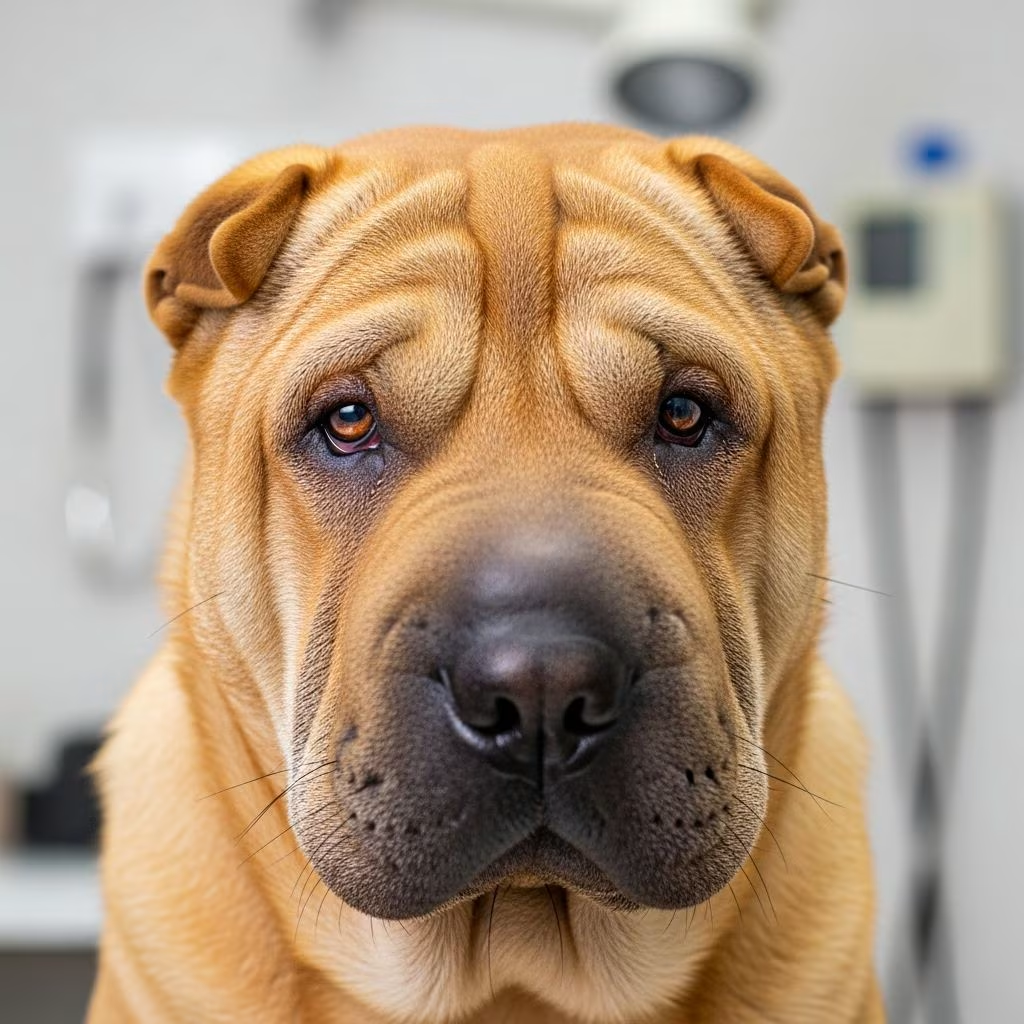
Shar-Pei fever, also known as Familial Shar-Pei Fever (FSF) or part of Shar-Pei Autoinflammatory Disease (SPAID), is a hereditary condition primarily affecting Shar-Pei dogs. It manifests as recurrent episodes of high fever accompanied by inflammation, which can progress to serious complications like kidney damage if not managed properly.
Genetic Foundations and Breed-Specific Traits
The distinctive wrinkled skin of Shar-Pei dogs stems from a genetic mutation that causes overproduction of hyaluronan, a molecule responsible for tissue hydration and structure. This same mutation disrupts normal inflammatory regulation, leading to periodic fevers and systemic inflammation. Dogs with more pronounced skin folds often carry multiple copies of the risk gene, increasing susceptibility to FSF.
SPAID encompasses FSF along with related issues such as arthritis, skin lesions (vesicular hyaluronosis), ear infections (otitis), and amyloidosis, highlighting a broader autoinflammatory syndrome rather than isolated fever events. These conditions arise from an overactive innate immune response without identifiable infections or autoantibodies.
Recognizing the Signs of Fever Episodes
Episodes typically feature fevers ranging from 103°F to 107°F (39.4°C to 41.7°C), lasting 12 to 36 hours if untreated. Swelling commonly affects the hocks (rear ankle joints) and muzzle, with about half of cases showing joint involvement.
- Core symptoms: High fever, hock or facial swelling, lethargy, reluctance to move.
- Gastrointestinal signs: Abdominal pain, vomiting, diarrhea.
- Other manifestations: Painful joints, skin pustules in severe cases, or septic-like shock with necrotic tissue.
Fevers often start before 18 months of age but can occur anytime. Early recognition is crucial, as temperatures over 106°F demand immediate veterinary intervention.
Long-Term Health Risks and Progression
Repeated episodes promote amyloid protein deposition in organs, particularly kidneys and liver, leading to chronic kidney disease (CKD). Initial signs of CKD include increased thirst, weight loss, vomiting, and poor appetite. Advanced stages show anemia, high blood pressure, protein loss in urine, and isosthenuria (inability to concentrate urine).
Some dogs develop kidney issues before their first fever, underscoring the need for proactive screening in all Shar-Peis via urinalysis for protein. Hypercoagulability and thromboembolism risks also emerge in later stages.
Diagnostic Approaches for Accurate Identification
Diagnosis relies on clinical history of recurrent fevers with breed predisposition, exclusion of infections, and supportive tests. Key diagnostics include:
| Test | Purpose | Expected Findings |
|---|---|---|
| Complete blood count (CBC) | Detect inflammation or anemia | Neutrophilia, possible anemia in CKD |
| Serum chemistry panel | Assess kidney function | Elevated BUN/creatinine, hyperphosphatemia, hypoalbuminemia |
| Urinalysis | Check protein loss | Proteinuria, isosthenuria |
| Imaging (ultrasound) | Evaluate kidneys | Small, irregular kidneys in advanced CKD |
| Genetic testing | Confirm SPAID risk | Mutations in hyaluronan regulation (via labs like Cornell AHDC) |
No single test confirms FSF; it’s a diagnosis of exclusion ruling out infectious, neoplastic, or other autoimmune diseases. Biopsy for amyloid may be pursued in severe cases but is invasive.
Acute Episode Management Strategies
During flares, prioritize fever reduction and comfort. Nonsteroidal anti-inflammatory drugs (NSAIDs) like carprofen, meloxicam, or metamizole are first-line, providing rapid relief.
- Cool compresses or fans for mild cases.
- Hospitalization for fevers >106°F: IV fluids, anti-nausea injections, monitoring.
- Pain control with appropriate analgesics.
Warning: Never administer human medications without veterinary guidance, as they can be toxic.
Preventive and Long-Term Therapies
Management aims to minimize episode frequency and amyloid buildup. Colchicine (0.025–0.03 mg/kg twice daily) is cornerstone therapy, reducing inflammation and organ deposition, often starting post-first episode. Gastrointestinal upset is the main side effect.
Alternatives include:
- Corticosteroids (e.g., prednisone) for colchicine failures, balancing benefits against side effects like immunosuppression.
- Dimethylsulfoxide (DMSO) for amyloid control, though it may cause odor, nausea, or lens changes.
- Renal diets (e.g., Hill’s k/d, Royal Canin Renal Support) to ease kidney burden.
For CKD, add ACE inhibitors (e.g., enalapril), anti-thrombotics (aspirin, clopidogrel), and subcutaneous fluids at home. Emerging options like IL-1 blockers show human promise but limited vet data.
Lifestyle Adjustments and Owner Monitoring
Owners play a vital role in monitoring. Track fever patterns, weight, appetite, and urine output. Regular vet check-ups (every 3-6 months) include bloodwork and urinalysis.
- Maintain ideal body weight to reduce joint stress.
- Probiotics or gut health support if GI flares link to episodes.
- Avoid triggers like stress or infections.
Subcutaneous fluid administration training empowers home care for CKD.
Prognosis and Outlook for Affected Dogs
With early intervention, many dogs enjoy good quality life, with reduced episode frequency on colchicine. Prognosis worsens with CKD onset; end-stage disease carries poor outlook despite supportive care. Kidney damage can progress silently, so vigilance is key.
Genetic counseling for breeders is recommended, as SPAID testing identifies carriers.
Frequently Asked Questions (FAQs)
What triggers Shar-Pei fever episodes?
Triggers are often unclear but may include stress, infections, or GI dysbiosis. Episodes arise spontaneously due to genetic dysregulation.
Can Shar-Pei fever be cured?
No, it’s managed lifelong, not cured. Preventive meds reduce severity and frequency.
Is genetic testing available for SPAID?
Yes, labs like Cornell offer panels for FSF and related traits.
How do I know if my Shar-Pei has kidney involvement?
Monitor for increased thirst/urination, weight loss, or via regular UA/blood tests showing proteinuria or azotemia.
Are there breed-specific diets for this condition?
Renal prescription diets help manage CKD risk; consult your vet.
References
- Shar-Pei Fever: What Is It and How Is It Treated? — PetMD. 2023. https://www.petmd.com/dog/conditions/immune/shar-pei-fever
- Shar-Pei Recurrent Fever Syndrome — VCA Animal Hospitals. 2024. https://vcahospitals.com/know-your-pet/shar-pei-recurrent-fever-syndrome
- Shar Pei fever: from hocks to kidneys — Vets and Clinics (Zoetis). 2022. https://www.vetsandclinics.com/en/library/shar-pei-fever-from-hocks-to-kidneys
- Shar-Pei Recurrent Fever Syndrome — Mar Vista Animal Medical Center. 2023. https://www.marvistavet.com/shar-pei-recurrent-fever-syndrome.pml
- Familial Shar-Pei Fever in Dogs — WagWalking. 2023. https://wagwalking.com/condition/familial-sharpei-fever
- Hyaluronosis, Shar-Pei Autoinflammatory Disease (SPAID) — Dr. Linda Tintle. 2019 (authoritative vet review). https://www.drlindatintle.com/wp-content/uploads/client-info_HA-Fever-SPAID_May19_2016_LTintle-1.pdf
- Shar-Pei Autoinflammatory Disease (SPAID) — Cornell University College of Veterinary Medicine. 2025. https://www.vet.cornell.edu/animal-health-diagnostic-center/testing-laboratories/molecular-diagnostics/shar-pei-autoinflammatory-disease-spaid



