

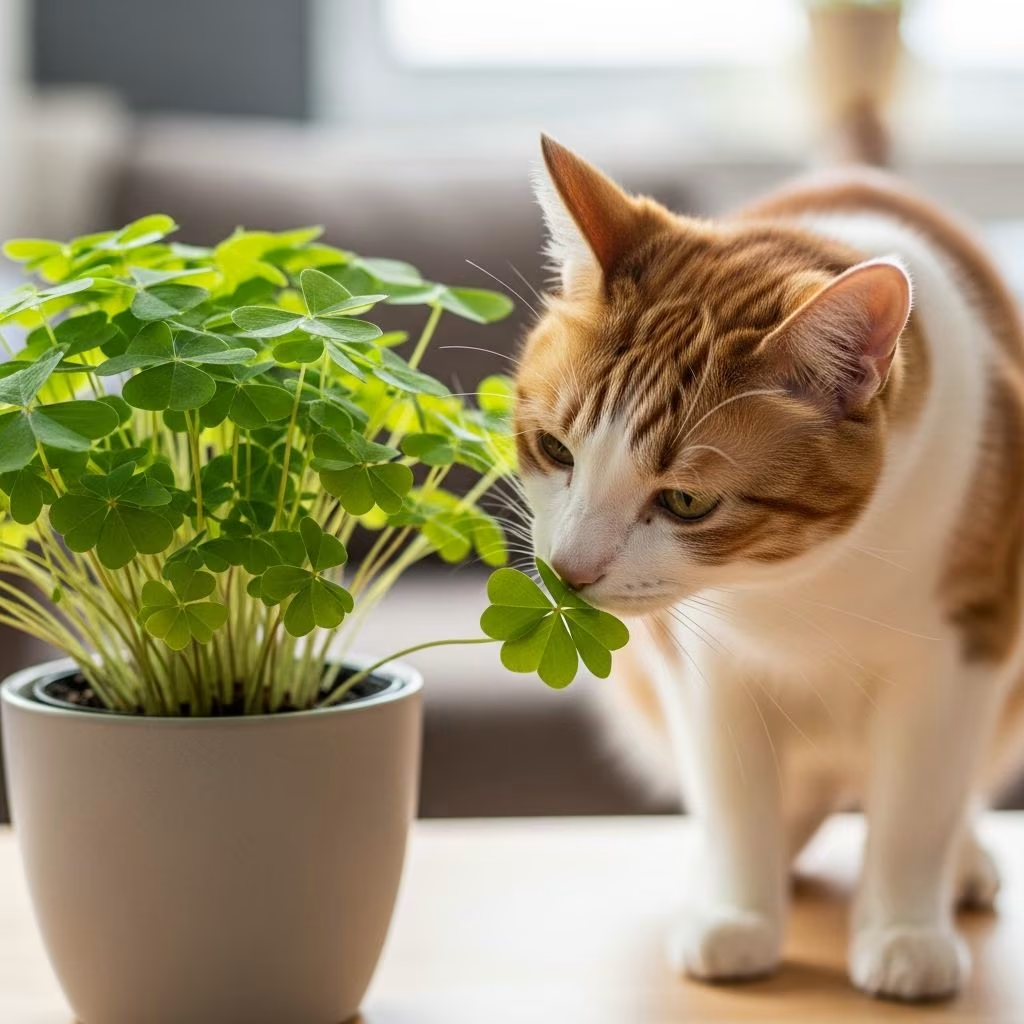
Pet ownership often involves balancing the desire to create a beautiful living space with the need to maintain a safe environment for our animal companions. When it comes to decorative plants, this balance becomes particularly important, especially for cat owners who must consider potential toxins within their homes. The shamrock plant, scientifically known as Oxalis, represents one such household decoration that requires careful consideration if you share your space with felines.
Understanding the Shamrock Plant and Its Botanical Identity
Shamrock plants belong to the Oxalis genus and are frequently cultivated as indoor or garden decorations, particularly gaining popularity around cultural celebrations. These plants are recognizable by their distinctive characteristics, featuring delicate flowers and leaves arranged in clusters of three leaflets, a trait known as trifoliate structure. The common nomenclature surrounding these plants can vary considerably, with alternative names including sorrel, purple shamrock, and love plant, which can sometimes create confusion when distinguishing them from common lawn clovers.
While many people use the terms shamrock and clover interchangeably, an important distinction exists between these plants. Common clovers that naturally appear in lawns and fields belong to different plant families and do not pose the same toxic concerns as cultivated Oxalis plants. This distinction matters significantly for pet safety, as the ornamental shamrock grown indoors contains chemical compounds that lawn clovers do not.
The Chemical Composition and Toxic Mechanism
The danger posed by shamrock plants to cats stems from their chemical makeup rather than any single toxic ingredient. Plants within the Oxalis genus have evolved to produce oxalic acid and oxalate salts as natural protective mechanisms against herbivores and pests that might otherwise consume them. These compounds exist in two distinct forms within plants: soluble and insoluble oxalates, with shamrocks specifically containing the more problematic soluble variety.
Soluble oxalate crystals present a greater health risk than their insoluble counterparts because of how they interact with the feline body. When a cat ingests these soluble compounds, the oxalates readily enter the bloodstream and bind with calcium present in the body, creating a sudden and potentially dangerous drop in calcium levels—a condition veterinarians refer to as hypocalcemia. This calcium depletion can have cascading effects throughout multiple bodily systems, affecting muscle function and nervous system regulation. Additionally, the accumulation of these oxalate compounds in the kidneys can potentially lead to kidney damage, and in rare severe cases, acute kidney failure may develop.
Recognizing Initial Exposure and Botanical Characteristics
One significant factor that provides some natural protection for cats is the intense bitter taste of shamrock plants. This naturally unpleasant flavor serves as a deterrent, preventing most felines from consuming large quantities even if they come into contact with the foliage. The bitter taste represents the plant’s own defense mechanism, and fortunately, this same mechanism works in pet owners’ favor by limiting the amount of toxic material most cats will willingly ingest.
Understanding what shamrock plants look like can help pet owners identify whether they have brought this particular species into their homes. These plants feature small, heart-shaped or clover-like leaves that typically grow in clusters. The flowers are small and delicate, ranging in color from white to pink to purple depending on the specific variety. Many varieties can fit comfortably on a tabletop or windowsill, which is precisely why they appeal to home decorators and why they pose a particular concern for cat owners with plants in easily accessible locations.
Clinical Manifestations of Oxalis Poisoning in Cats
The symptoms that develop following shamrock plant ingestion depend significantly on several factors: the quantity of plant material consumed, the individual cat’s overall health status, and any pre-existing medical conditions. Cats with existing kidney disease face substantially elevated risk for severe complications. Because the bitter taste typically limits consumption, many exposure cases result in mild symptoms only, though owners should never assume this will always be the case.
Pet owners should familiarize themselves with the range of clinical signs that may appear if their cat ingests shamrock plant material:
- Excessive drooling or salivation
- Sudden decrease in appetite or refusal to eat
- Lethargy and decreased activity levels
- Vomiting
- Diarrhea
- Muscle weakness or tremors
- Bloody or discolored urine
- Abnormal changes in thirst and urination frequency
The severity and combination of these symptoms can vary from cat to cat. Some animals may exhibit only mild gastrointestinal upset, while others—particularly those with compromised kidney function—may develop more serious complications. Any observation of these signs following known or suspected plant ingestion warrants immediate veterinary consultation.
Immediate Response and Veterinary Treatment Options
If a cat owner witnesses their pet consuming shamrock plant material or suspects such consumption based on observed symptoms, prompt action can significantly influence outcomes. The first step involves contacting a veterinarian or poison control service immediately rather than attempting home treatment. The ASPCA Animal Poison Control Center maintains a telephone line specifically for such emergencies at 888-426-4435, available to assist concerned pet owners around the clock.
Professional veterinary treatment approaches vary depending on timing and symptoms. When owners bring a cat to the veterinary clinic promptly—before vomiting has occurred—veterinarians may induce vomiting to remove unabsorbed plant material from the stomach. This intervention can prevent additional oxalate absorption into the bloodstream. Beyond this immediate measure, veterinarians may administer specific medications designed to bind with harmful oxalate compounds in the cat’s system, reducing their bioavailability and minimizing potential damage.
For pet owners unable to access immediate in-person veterinary care, online veterinary consultation services have emerged as valuable resources. These platforms connect pet owners with licensed veterinary professionals who can provide guidance and recommendations, often at more affordable costs than traditional emergency clinic visits.
Practical Prevention Strategies for Households with Cats
The most straightforward approach to preventing shamrock plant poisoning involves eliminating the plant from the household environment entirely. However, pet owners may not always have complete control over plant exposure, particularly if they share outdoor spaces or if their cats have access to neighbors’ gardens.
For those determined to maintain shamrock plants despite feline companions, several protective measures can substantially reduce risk:
- Placement Strategy: Position plants on high shelves, windowsills, or other elevated surfaces that remain inaccessible to cats. This physical separation creates a barrier between curious pets and toxic foliage.
- Secured Rooms: Keep plants in rooms where cats cannot enter, utilizing closed doors or barriers to restrict access completely.
- Water Precautions: Empty drainage water that collects beneath plant pots after watering, as cats may consume this water which could contain oxalate compounds leached from the soil.
- Professional Guidance: Consult veterinarians for plant recommendations that provide aesthetic value without toxicity concerns, or reference the ASPCA’s comprehensive toxic and non-toxic plant database.
Comparative Toxicity Profile Among Household Plants
Shamrock plants are not unique in containing oxalate compounds. Several other popular houseplants present similar risks to feline companions, though the concentration and form of oxalates may differ. Plants including philodendron, peace lily, dieffenbachia, arrowhead, and golden pothos also contain oxalates and can cause comparable gastrointestinal upset in cats. Additionally, certain foods and decorative plants like rhubarb and star fruit contain soluble calcium oxalates and warrant similar caution.
Understanding that multiple common household plants pose similar risks can help pet owners take a more comprehensive approach to home safety. Rather than focusing exclusively on shamrock plants, a holistic evaluation of all decorative plants in the home, combined with strategic placement and access restrictions, creates a more consistently safe environment for cats.
When to Seek Emergency Veterinary Care
Recognizing the difference between minor exposures and situations requiring emergency intervention helps pet owners respond appropriately. While a cat consuming a single leaf or brief contact with the plant typically does not result in severe poisoning due to the plant’s bitter taste deterrent effect, any known ingestion warrants professional assessment. Emergency veterinary care becomes particularly important if a cat exhibits any of the clinical signs listed previously, or if the owner suspects substantial plant material consumption.
Veterinarians at emergency clinics can perform relevant diagnostic testing, including blood work to assess calcium levels and kidney function, providing objective data to guide treatment decisions. This professional evaluation eliminates uncertainty and ensures appropriate interventions occur promptly if needed.
Creating a Cat-Safe Indoor Garden
The desire to maintain beautiful plants and a safe feline environment need not be mutually exclusive. Pet owners can achieve both by carefully selecting plant species and implementing thoughtful management strategies. Beyond removing or securing toxic plants, gardening enthusiasts can cultivate cat-friendly alternatives that pose no toxicological risks while still providing visual interest and air-purification benefits.
Consulting with veterinarians or referencing authoritative plant safety resources before introducing new plants into the home represents a proactive approach. This research-first strategy prevents inadvertent introduction of toxic species and allows informed decisions based on individual household circumstances.
Key Takeaways for Pet Owners
Shamrock plants, despite their decorative appeal and cultural significance, present documented toxicity risks to cats when ingested in sufficient quantities. The soluble oxalate compounds they contain can cause clinical illness ranging from mild gastrointestinal upset to serious complications affecting calcium metabolism and kidney function. However, the plant’s naturally bitter taste provides partial protection by discouraging most cats from consuming large amounts.
Pet owners who choose to keep shamrock plants should implement protective measures through strategic placement and access restrictions. For those who witness or suspect plant ingestion, rapid contact with veterinary professionals remains the most important action. By combining awareness, prevention, and prompt response protocols, cat owners can maintain attractive indoor environments while effectively protecting their feline companions from potential harm.
References
- VCA Animal Hospitals — VCA Inc. 2024. https://vcahospitals.com/resources/lifestyle-cat/hazards-safety/true-or-false-shamrocks-are-poisonous-to-pets
- Pet Poison Helpline: Shamrock Toxicity Information — Pet Poison Helpline. 2024. https://www.petpoisonhelpline.com/poison/shamrock/
- ASPCA Toxic and Non-Toxic Plants Database: Shamrock Plant — American Society for the Prevention of Cruelty to Animals. 2024. https://www.aspca.org/pet-care/aspca-poison-control/toxic-and-non-toxic-plants/shamrock-plant
- Plant Toxicity Frequently Asked Questions — Cornell University College of Agriculture and Life Sciences. 2024. https://poisonousplants.ansci.cornell.edu/php/plants.php?action=faqs&num=244



