Shampoo Toxicity in Dogs: Risks and Remedies
Discover how everyday shampoos can poison your dog, recognize critical symptoms early, and learn proven steps for immediate care and long-term prevention.
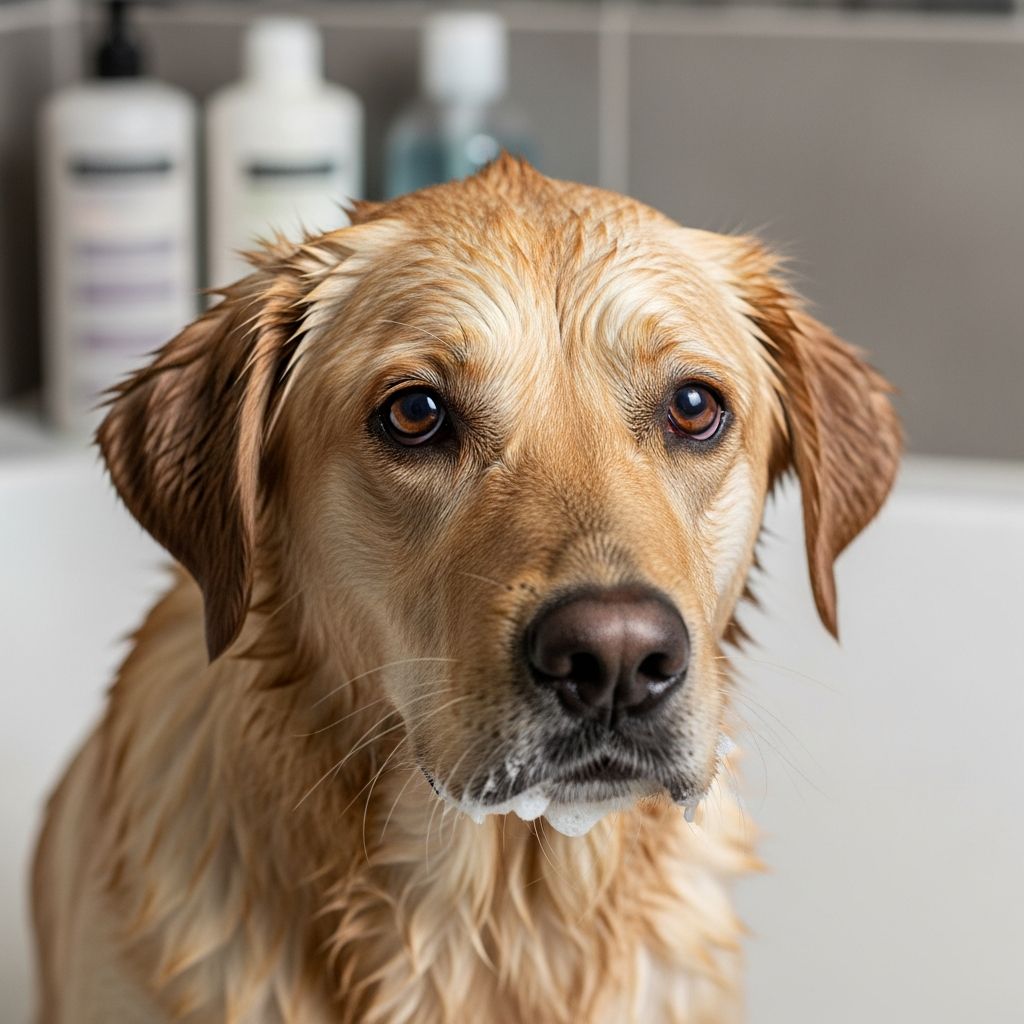
Dogs can suffer severe health issues from ingesting human or medicated shampoos, leading to gastrointestinal distress, neurological problems, and even life-threatening complications if untreated. Prompt recognition of symptoms and veterinary intervention are key to recovery.
Understanding the Hidden Dangers in Grooming Products
Household shampoos formulated for humans often contain chemicals that irritate a dog’s sensitive digestive system and skin. Ingredients like surfactants, fragrances, and preservatives can cause rapid onset of toxicity when licked off fur or swallowed directly. Medicated flea shampoos pose additional risks due to concentrated pesticides.
Pyrethrins, common in flea-control products, are designed for external use but become dangerous when ingested in quantity, triggering hypersalivation and muscle tremors within an hour. Detergents in laundry pods or liquid soaps exacerbate this by causing corrosive damage to the mouth, esophagus, and stomach lining.
Recognizing Early Warning Signs of Exposure
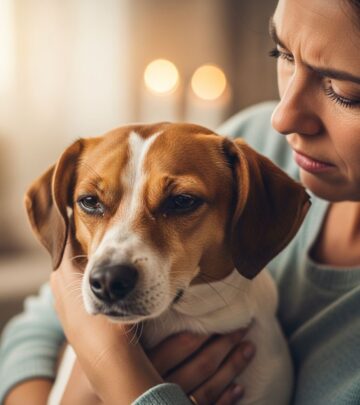
Symptoms appear quickly, often within minutes to hours, varying by the toxin’s type and amount consumed. Gastrointestinal reactions dominate initial signs, progressing to systemic effects in severe cases.
- Excessive drooling or foaming at the mouth: Indicates nausea and oral irritation, a hallmark of detergent or pyrethrin exposure.
- Vomiting and diarrhea: Frequent and sometimes bloody, leading to dehydration if prolonged.
- Lethargy and weakness: Dogs may collapse, scoot, or appear uncoordinated due to electrolyte imbalances.
- Neurological disturbances: Tremors, twitching, seizures, or ataxia signal advanced poisoning, especially from insecticides.
- Respiratory issues: Difficulty breathing or cyanosis in cats, but dogs may show rapid panting or dyspnea from aspiration.
Skin contact can cause rashes, redness, or blisters, while eye exposure leads to tearing and squinting. Monitor for changes in thirst, urination, or appetite as secondary indicators.
Common Culprits: Breaking Down Toxic Components
| Ingredient Type | Sources | Effects on Dogs | Severity Level |
|---|---|---|---|
| Pyrethrins/Pyrethroids | Flea/tick shampoos | Drooling, agitation, tremors, seizures | High if ingested |
| Detergents/Soaps (e.g., SLS) | Human shampoos, laundry products | Vomiting, diarrhea, mucosal burns | Moderate to high |
| Fragrances & Preservatives | Cosmetic shampoos | Irritation, nausea, skin rashes | Low to moderate |
| Essential Oils (e.g., tea tree) | Some ‘natural’ products | Weakness, low body temperature, coma | High |
These components disrupt normal cellular function, with pyrethrins overstimulating the nervous system and detergents stripping protective barriers.
Immediate Response: What to Do First
Act swiftly but calmly. Isolate your dog from the source and gather details: product name, ingredients, estimated amount ingested, and time of exposure.
- Contact professionals: Call your veterinarian, an emergency clinic, or Pet Poison Helpline (888-426-4435) immediately. Provide all gathered info for tailored advice.
- Do not induce vomiting at home: Unless explicitly directed by a vet, as it risks aspiration pneumonia or esophageal injury, especially with caustic agents.
- Dilute if appropriate: Offer small amounts of milk, water, or broth to dilute stomach contents, reducing irritation—but only if recommended.
- Clean external exposure: Rinse skin or eyes with lukewarm water or saline for 10-20 minutes; avoid rubbing.
Transport to a vet promptly if symptoms worsen. Early intervention dramatically improves outcomes.
Professional Veterinary Interventions
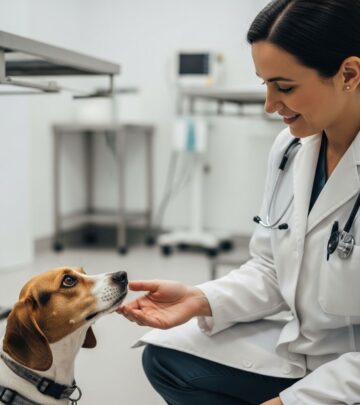
Vets assess via physical exam, bloodwork, and history. Treatments focus on decontamination, stabilization, and symptom control.
- Decontamination: Activated charcoal binds remaining toxins in the gut, administered orally or via tube.
- Fluid therapy: Intravenous fluids correct dehydration, flush toxins, and support organs.
- Anti-emetics: Medications like maropitant prevent vomiting, protecting the GI tract.
- Muscle relaxants/anti-seizure drugs: For tremors or convulsions from pyrethrins.
- Monitoring: Hospitalization for severe cases, with oxygen, nebulization, or antidotes if available.
Most recover within 24-72 hours with supportive care; prognosis excels with early treatment.
Prevention Strategies for a Safer Home
Proactive measures minimize risks in multi-pet households or during bath time.
- Use exclusively dog-formulated shampoos, vet-recommended for your pet’s skin type and needs.
- Store all human grooming products in secure cabinets or high shelves.
- Supervise baths closely; rinse thoroughly and prevent licking until dry.
- Opt for low-toxin flea preventives like oral meds over shampoos.
- Educate family members on pet-safe storage.
Regular vet check-ups help identify sensitivities early.
Special Considerations for Vulnerable Dogs
Puppies, seniors, and breeds with skin issues (e.g., Bulldogs) face heightened risks due to immature organs or compromised barriers. Small dogs ingest proportionally more toxin from the same amount. Watch extra closely post-grooming.
Frequently Asked Questions (FAQs)
Can a small lick of shampoo harm my dog?
Yes, even minor ingestion can cause drooling or vomiting; monitor and call vet if concerned.
Is baby shampoo safe for dogs?
No—its pH and additives differ from canine needs, potentially irritating skin or gut.
What if my dog ate a flea shampoo bottle?
Treat as emergency: plastic ingestion plus toxins require imaging and decontamination.
How long do symptoms last?
Mild cases resolve in hours; severe ones may need days of care.
Should I give hydrogen peroxide to induce vomiting?
Only under vet guidance; it’s risky for certain toxins.
This guide equips you to safeguard your furry companion from a common yet preventable hazard.
References
- Shampoo Poisoning in Dogs: Vet-Reviewed Health Concerns — Dogster. 2023. https://www.dogster.com/dog-health-care/shampoo-poisoning-in-dogs
- Toxicoses From Household Cleaners and Personal Care Products in Animals — Merck Veterinary Manual. 2023-10-17. https://www.merckvetmanual.com/toxicology/toxicoses-from-household-hazards/toxicoses-from-household-cleaners-and-personal-care-products-in-animals
- Pesticide and Insecticide Poisoning in Dogs — PetMD. 2023. https://www.petmd.com/dog/poisoning/insecticide-poisoning-dogs
- Poisoned Pet Treatment — BestVets.net (Central Animal Hospital). 2023. https://www.bestvets.net/pet-poison-treatment/
- Signs of Dog Poisoning and What To Do — Chewy. 2023. https://www.chewy.com/education/dog/health-and-wellness/signs-of-dog-poisoning
Similar Articles





Read full bio of medha deb