

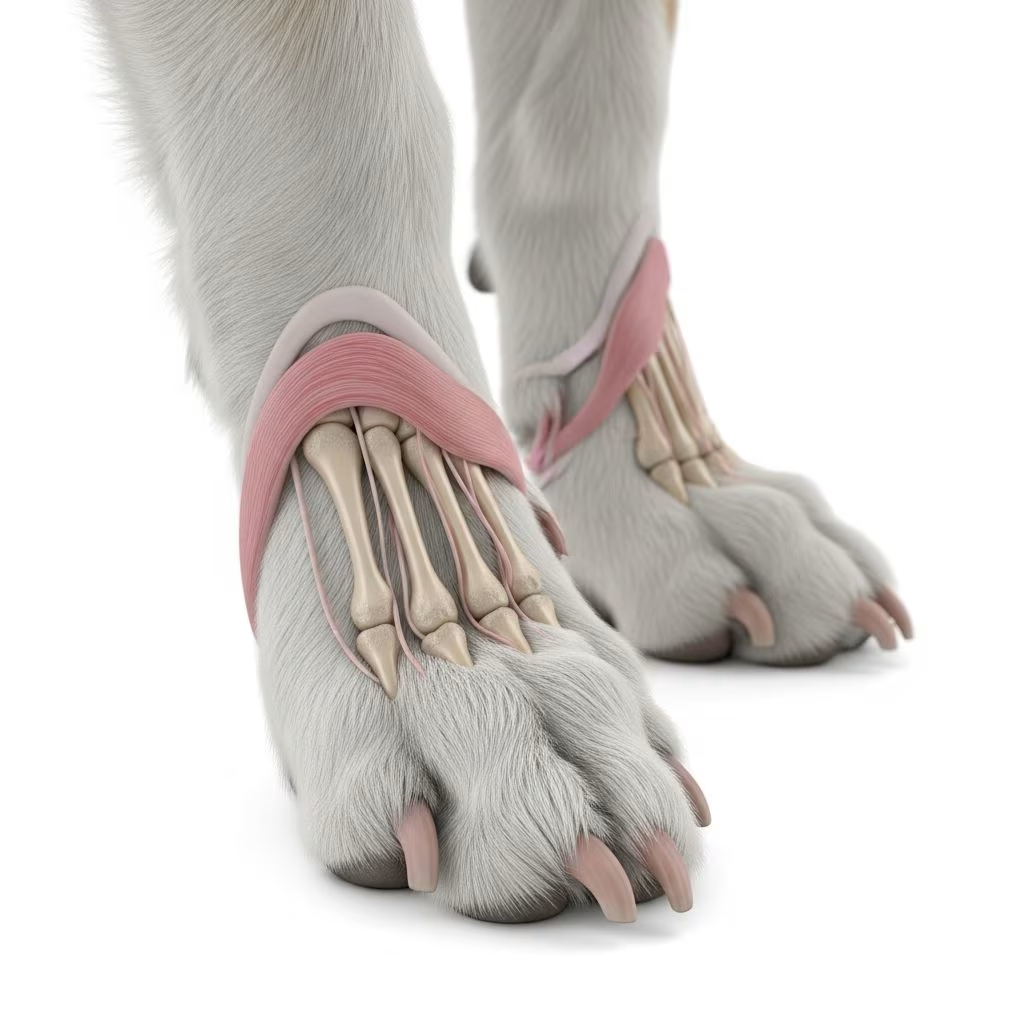
Sesamoid disease refers to chronic inflammation and potential degeneration of small sesamoid bones located near the metacarpophalangeal joints in a dog’s forelimbs. These bones, embedded within tendons, play a crucial role in stabilizing the joint during movement. When affected, they lead to lameness that can significantly impact a dog’s mobility and quality of life, particularly in active breeds.
The Anatomy of Sesamoid Bones
Sesamoid bones are unique, pea-sized structures found in the tendons of the flexor muscles in the dog’s paw. In the forelimbs, there are typically eight paired sesamoids, numbered from 1 to 8 medial to lateral. Sesamoids 2 and 7 bear the most stress due to biomechanical factors, such as asymmetrical loading on digits 2 and 5. These bones facilitate smooth gliding of tendons over joints during weight-bearing activities like running or jumping.
During hyperextension of the metacarpophalangeal joint, the digital flexor tendons exert repeated pressure on the palmar surface of these sesamoids. This repetitive stress can initiate microtrauma, leading to inflammation, fragmentation, or even fractures over time.
Common Causes and Risk Factors
Several factors contribute to the development of sesamoid disease. It often manifests as a form of osteochondrosis, where abnormal endochondral ossification results in lytic lesions or fragmentation. Traumatic origins are common in high-impact activities, causing acute fractures with sharp edges visible on imaging.
Degenerative processes may also play a role, evidenced by reduced vascularity, bone necrosis, and dystrophic mineralization. Breeds like Rottweilers show high radiographic prevalence—up to 73% in pups—but only about 22% correlate with clinical lameness, suggesting incidental findings in some cases.
- Trauma: Sudden hyperextension or high-impact loading, common in racing greyhounds.
- Developmental: Linked to osteochondrosis in young dogs under 6 months.
- Degenerative: Chronic stress leading to enthesiophytes and joint instability.
- Breed Predisposition: Large breeds like Rottweilers; young, active adults most affected.
Hindlimb sesamoids are rarely involved, making forelimb lameness the hallmark presentation.
Recognizing the Symptoms
Symptoms vary by stage and severity. Acute traumatic cases present with sudden moderate lameness, pain, and swelling at the metacarpophalangeal joint. Chronic degenerative forms show insidious, progressive forelimb lameness worsening after exercise.
| Symptom | Acute Presentation | Chronic Presentation |
|---|---|---|
| Lameness | Sudden, moderate forelimb | Progressive, worsens post-exercise |
| Pain | On flexion/palpation | Mild, palpable tenderness |
| Swelling/Effusion | Joint heat and fluid | Fibrosis, reduced motion |
| Other | Resents paw handling | Degenerative joint changes |
Owners may notice altered gait, reluctance to bear weight, or behavioral changes due to discomfort. In young puppies, it can mimic other orthopedic issues like elbow dysplasia.
Diagnostic Approaches
Diagnosis begins with a thorough history and physical exam, focusing on forelimb lameness investigation. Palpation of metacarpophalangeal joints reveals pain on flexion and reduced range of motion. Rule out concurrent conditions like shoulder or elbow problems, especially in predisposed breeds.
Radiography is key, using high-quality dorsopalmar views to identify changes in sesamoids 2 and 7. Common findings include:
- Fragmentation or bipartite appearance.
- Lytic lesions or exostoses.
- Adjacent mineralization or osteophytosis in chronic cases.
Advanced imaging like CT or MRI may confirm vascular compromise or soft tissue involvement if radiographs are inconclusive. Nerve blocks help localize pain.
Treatment Strategies
Treatment ranges from conservative to surgical, depending on severity. Prognosis is guarded, with full resolution not always achieved.
Conservative Management
Initial approach for mild cases includes strict rest (4-8 weeks crate confinement), non-steroidal anti-inflammatories (NSAIDs), and cold therapy. Controlled physiotherapy promotes healing without stress. Weight management reduces joint load.
Surgical Interventions
For fragmented or non-responsive sesamoids, surgical removal is considered. This involves excising the affected bone(s) via arthrotomy, preserving tendon function. Post-op rehab includes splinting and gradual return to activity. Success rates vary, with racing dogs showing mixed outcomes.
Monitor for complications like infection or persistent lameness. In degenerative cases, joint supplements (glucosamine, chondroitin) support long-term management.
Prevention and Long-Term Care
Prevent high-impact activities in at-risk puppies. Regular vet check-ups for large breeds aid early detection. Balanced nutrition supports bone health, avoiding excess calcium in growing dogs.
Owners should watch for subtle gait changes and seek prompt evaluation. Athletic dogs benefit from proper warm-ups and terrain-appropriate exercise.
Prognosis and Outcomes
Young dogs with conservative treatment often improve, but chronic cases may develop osteoarthritis. Surgical outcomes are better for acute fractures than degenerative disease. Regular follow-ups ensure optimal recovery.
Frequently Asked Questions (FAQs)
What breeds are most prone to sesamoid disease?
Rottweilers and racing greyhounds top the list, with young large-breed dogs under 6 months at highest risk.
Is sesamoid disease painful for my dog?
Yes, it causes significant discomfort, especially on palpation and flexion, leading to lameness.
Can sesamoid disease affect hind legs?
Extremely rare; forelimbs are predominantly affected.
How long does recovery take?
Conservative: 4-12 weeks; surgical: 8-16 weeks with rehab.
Should I get pet insurance for this?
It covers diagnostics and treatments, reducing financial burden for orthopedic conditions.
Recent Research Insights
Studies confirm sesamoid changes as incidental in 44-73% of Rottweilers, emphasizing clinical correlation over imaging alone. Pathogenesis links to vascular issues and trauma, guiding targeted therapies.
References
- Sesamoid: disease in Dogs (Canis) — Vetlexicon. Accessed 2026. https://www.vetlexicon.com/canis/musculoskeletal/articles/sesamoid-disease/
- Sesamoid Injuries in Horses: Types, Treatment & Prevention — Mad Barn. Accessed 2026. https://madbarn.com/sesamoid-injuries-in-horses/
- Sesamoid disease — PMC – NIH (Peer-reviewed). 2009-10-01. https://pmc.ncbi.nlm.nih.gov/articles/PMC2748296/
- Axial Sesamoiditis with Intersesamoidean Ligament Desmitis in Friesian Horses — Fenway Foundation. Accessed 2026. https://www.fenwayfoundation.com/post/axial-sesamoiditis-with-intersesamoidean-ligament-desmitis-in-friesian-horses



