

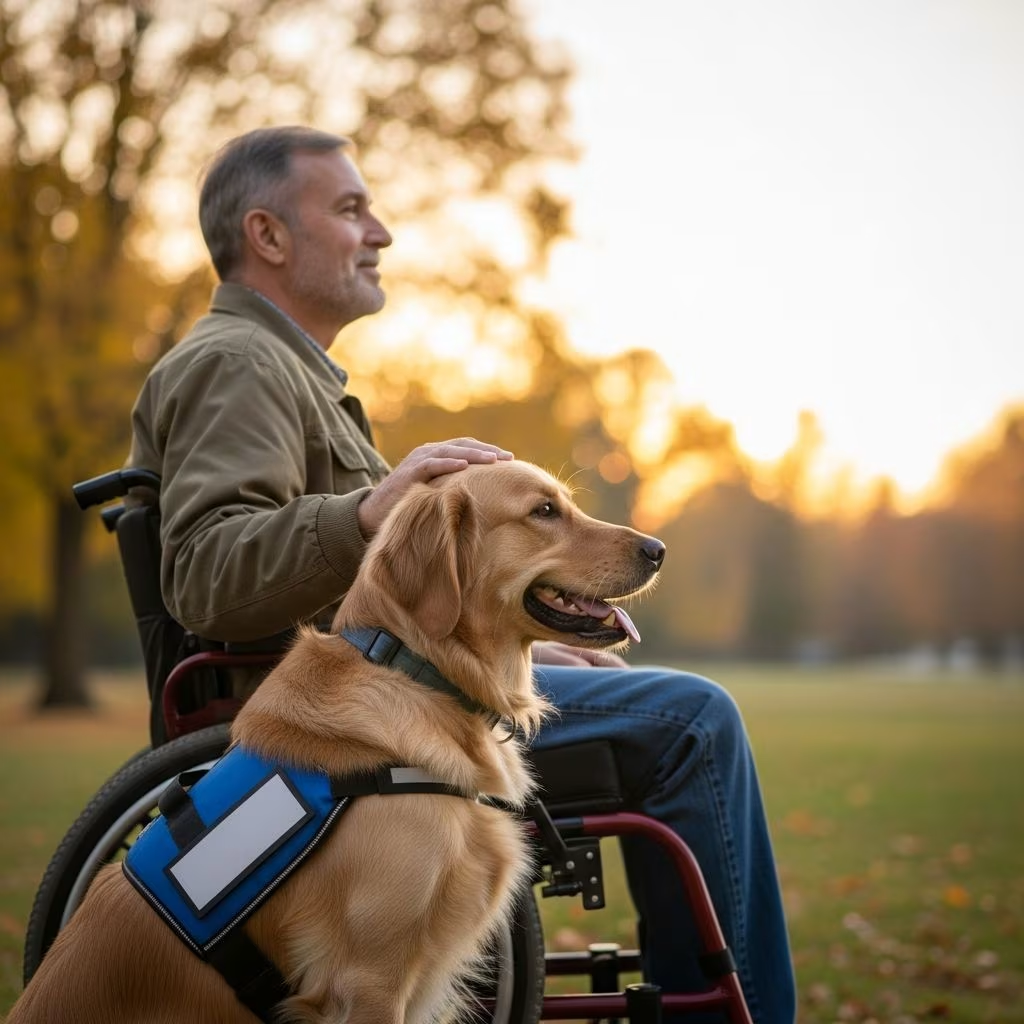
Trained service dogs provide essential support to veterans facing physical injuries and invisible mental health struggles from military service. These highly skilled animals perform tasks that restore independence, reduce PTSD symptoms, and improve overall well-being, often serving as life-changing companions.
The Critical Role of Service Dogs in Veteran Recovery
Veterans returning from deployment frequently encounter profound challenges, including chronic pain, mobility limitations, traumatic brain injuries, and mental health conditions like PTSD and depression. Service dogs address these issues directly by executing trained tasks tailored to individual needs, enabling veterans to navigate daily life more effectively.
Unlike emotional support animals, service dogs undergo rigorous training to perform specific functions, such as retrieving items, operating doors, or alerting to medical episodes. This distinction is crucial, as only accredited programs qualify dogs for official recognition and benefits.
Addressing Physical Disabilities with Canine Assistance
Physical impairments from combat, such as limb loss, spinal injuries, or balance disorders, can severely restrict independence. Service dogs mitigate these by:
- Assisting with prosthetic transitions and mobility aids.
- Retrieving dropped objects or carrying lightweight loads.
- Activating light switches, door handles, or emergency buttons.
- Providing balance support for those with ataxia or wheelchair users.
- Helping with clothing management and daily grooming tasks.
These capabilities not only empower veterans but also lessen the caregiving burden on families, fostering a sense of normalcy. The VA supports such dogs through veterinary health insurance for guide, hearing, and mobility service animals prescribed under specific regulations.
| Physical Challenge | Service Dog Task | Benefit |
|---|---|---|
| Mobility Impairment | Balance support, wheelchair assistance | Increased independence in public and home |
| Visual/Hearing Loss | Sound response, guide navigation | Enhanced safety and orientation |
| Limb Amputation | Object retrieval, prosthetic aid | Reduced reliance on human help |
Combating Invisible Wounds: PTSD and Mental Health
PTSD affects many veterans, manifesting in hyper-vigilance, nightmares, anxiety, and social isolation. Service dogs interrupt these cycles through targeted interventions, including waking veterans from night terrors, performing room sweeps for perceived threats, and creating personal space barriers in crowds.
Research demonstrates measurable improvements: veterans paired with service dogs report lower PTSD severity, reduced anxiety and depression, higher quality of life, and diminished isolation. After three months, they face 66% lower odds of a PTSD diagnosis. Biological mechanisms involve elevated oxytocin and serotonin levels, enhancing trust, emotional regulation, and social cues interpretation.
Dogs also detect physiological precursors to episodes, like elevated heart rates, alerting veterans preemptively to avert full-blown flashbacks—without the side effects of medications.
VA Policies and Access to Service Dogs
The Department of Veterans Affairs does not directly supply service dogs but offers veterinary health insurance benefits for eligible animals. Coverage applies to dogs trained by Assistance Dogs International (ADI) or International Guide Dog Federation (IGDF) accredited organizations, prescribed for visual, hearing, or substantial mobility impairments under 38 CFR 17.148.
Approval involves clinical evaluation of the veteran’s care capacity, treatment goals, and alternatives. Mental health-related mobility service dogs may qualify if deemed optimal by providers. Benefits include routine care, hardware for tasks, and travel reimbursements for obtaining dogs. Veterans must submit training certificates from accredited programs.
Note: VA distinguishes service dogs from therapy or activity dogs, which are facility-based and not for personal use.
Prominent Organizations Training Service Dogs for Veterans
Several nonprofits specialize in breeding, raising, and training dogs for veterans:
- America’s VetDogs: Focuses on physical injuries, PTSD, hearing/vision loss, and seizures, providing dogs free to enhance mobility and independence.
- Canine Companions: Delivers expertly trained dogs at no cost, restoring physical independence, pride, and hope.
- Vets To Vets United: Pairs rescued dogs with veterans for PTSD, TBI, and disabilities, involving community veterinarians for care.
These groups often feature puppy development programs where volunteers raise future service dogs, ensuring socialization and basic obedience.
Family Dynamics and Broader Social Impacts
Service dogs extend benefits beyond the veteran, strengthening family units by building emotional resilience and enabling safer home participation. Veterans feel more secure, reconnecting through daily activities. However, integrating a dog may initially add relational responsibilities, requiring family adjustment.
Socially, these dogs facilitate community reintegration by easing public interactions and reducing stress, outperforming human support in tense relationships. Overall, they cultivate positive networks essential for civilian transitions.
Real Veteran Outcomes and Testimonials
Countless veterans credit service dogs with life-saving interventions. Programs report sustained bonds that combat loneliness and promote assertiveness through training interactions. Studies confirm lower clinician-rated symptoms and improved sleep. One analysis highlights how dogs transform family life by mitigating relational strains while amplifying shared joys.
These partnerships endure, offering unconditional support without expiration.
Training Process: From Puppy to Partner
Service dogs begin as puppies in foster homes, learning manners and exposure to environments. Advanced training covers 100+ commands, task-specific skills, and public access reliability—typically 1-2 years. Veterans often participate in final matching and customization, ensuring optimal fit.
Post-placement, ongoing maintenance includes VA-covered vet care to sustain performance.
Challenges and Future Directions
While transformative, access barriers persist, including VA’s limited psychiatric dog coverage despite advocacy. Families may face initial adjustments. Future research and policy expansions could broaden eligibility, amplifying impacts.
Frequently Asked Questions (FAQs)
What qualifies a dog as a service dog for veterans?
Dogs must complete accredited training from ADI or IGDF programs and perform tasks for disabilities like mobility, vision, or hearing impairments.
Does the VA provide service dogs directly?
No, but it offers vet insurance and referrals to accredited providers for eligible veterans.
Can service dogs help with PTSD?
Yes, they alleviate symptoms like hyper-vigilance and nightmares, with research showing significant reductions in severity.
Are service dogs free for veterans?
Nonprofits like America’s VetDogs and Canine Companions provide them at no cost.
How do service dogs benefit families?
They reduce caregiving loads, build veteran resilience, and enhance family engagement.
References
- The Transformative and Life-Saving Benefits of Service Dogs for Veterans — U.S. Pain Foundation. 2023. https://uspainfoundation.org/veterans-edition/veterans-edition-articles/transformative-life-saving-benefits-service-dogs-veterans/
- VA Prosthetic and Sensory Aids Service – Service Dog Veterinary Health Benefit — U.S. Department of Veterans Affairs. 2024-02-01. https://www.prosthetics.va.gov/ServiceAndGuideDogs.asp
- Benefits of Service Dogs for Veterans — University of Arizona Psychology Department. 2023. https://psychology.arizona.edu/news/benefits-service-dogs-veterans
- America’s VetDogs: Service Dogs for Veterans — America’s VetDogs. 2025. https://www.vetdogs.org
- How PTSD Service Dogs Are Transforming Military Family Life — Purdue University College of Veterinary Medicine. 2024. https://vet.purdue.edu/discovery/nieforth/research/articles/how-ptsd-service-dogs-are-transforming-military-family-life.php



