

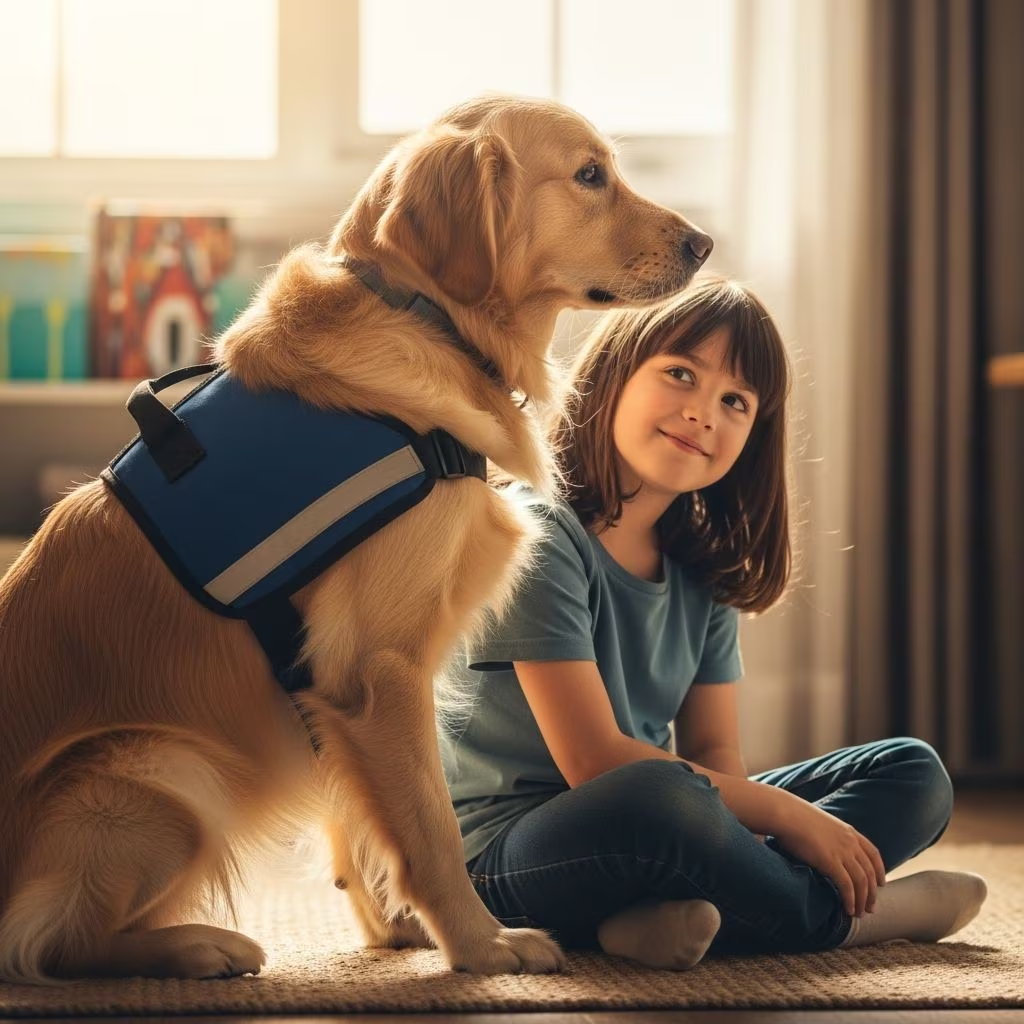
Trained service dogs serve as invaluable partners for children with autism spectrum disorder (ASD), addressing key challenges like safety risks, emotional dysregulation, and social isolation. These canine companions provide consistent support that complements traditional therapies, fostering greater independence and family harmony.
The Unique Role of Autism Service Dogs
Autism service dogs undergo specialized training to perform tasks tailored to the needs of children on the spectrum. Unlike typical pets, these dogs are equipped to intervene during moments of distress, such as preventing elopement or offering deep pressure therapy for sensory overload. Their presence creates a predictable routine, which is often disrupted in autistic children due to heightened sensitivity to change.
Organizations like Guide Dogs of America emphasize that these dogs model positive behaviors, such as structured walking, which children can emulate in therapy settings. By alerting to early signs of anxiety or repetitive actions, dogs help de-escalate situations before they intensify.
Key Benefits for Child Safety and Security
One of the most critical advantages is the reduction of wandering, a behavior affecting nearly half of children with autism. Service dogs are trained to tether to the child via a secure harness, gently blocking escape attempts and ensuring proximity in public spaces. This physical safeguard alleviates parental fears, allowing families to engage more freely in community activities.
- Tethering systems: Keep children safely connected during outings.
- Alert interventions: Dogs nudge or block paths to prevent bolting.
- Environmental awareness: Trained to guide children away from hazards.
Research from the Canadian National Autism Foundation highlights how such measures lead to fewer incidents, enhancing overall family confidence.
Emotional Regulation and Anxiety Reduction
Children with autism frequently experience co-occurring anxiety, making emotional stability a priority. Service dogs provide deep pressure therapy through leaning or pawing, which calms the nervous system during meltdowns. Their non-verbal companionship offers unconditional acceptance, reducing feelings of isolation.
A study in PMC notes that daily interaction with these dogs improves focus on emotional cues like facial expressions, aiding in better recognition of others’ feelings. This fosters emotional attunement without the pressure of human interaction.
| Challenge | Dog Intervention | Outcome |
|---|---|---|
| Sensory overload | Deep pressure, close proximity | Reduced meltdowns, calmer states |
| Anxiety spikes | Nudging, chin rests | Faster de-escalation |
| Emotional isolation | Consistent companionship | Increased comfort and security |
Boosting Social Skills and Communication
Social deficits are a hallmark of autism, but service dogs act as social facilitators. Their friendly demeanor draws positive attention from peers and strangers, encouraging interactions that might otherwise be avoided. Children often initiate conversations about their dog, building verbal and non-verbal skills organically.
Frontiers in Psychology research demonstrates improvements in joint attention and social exchanges after dog-assisted programs. Families report reduced repetitive behaviors and heightened confidence in public settings.
- Acts as a conversation starter in new environments.
- Models turn-taking and eye contact through play.
- Reduces intimidation in group settings.
Enhancing Sleep Quality and Daily Routines
Sleep disturbances plague many autistic children, impacting daytime functioning. Service dogs participate in bedtime routines, providing comfort that promotes faster sleep onset and longer durations. A 2024 survey of 75 families found medium effect sizes in sleep improvements among those with service dogs.
By cueing routines like brushing teeth or settling down, dogs instill predictability, which combats irregular patterns common in ASD.
Family-Wide Impacts and Long-Term Gains
The benefits extend beyond the child, strengthening family bonds and reducing caregiver stress. A study on service dog placements showed increased social connections for entire families, with less stigma and judgment from outsiders. Parents gain peace of mind, allowing focus on quality time rather than constant vigilance.
Additional gains include motor skill development through dog-care tasks like feeding or walking, promoting independence. Participation in chores and outdoor play rises, supporting holistic growth.
Training Process for Autism Service Dogs
Selecting and training a service dog involves rigorous steps to ensure reliability. Puppies start with basic obedience, progressing to autism-specific tasks like behavior interruption. Programs match dogs to children based on temperament and needs, followed by 1-2 years of team training.
Key training milestones:
- Basic commands and public access skills.
- Task-specific drills (e.g., deep pressure, alerting).
- Family integration and desensitization.
- Certification for public access rights.
Non-profits like Paws With A Cause and Dogs for Better Lives offer these programs, often at no cost through grants.
Accessibility, Costs, and Legal Rights
Under the Americans with Disabilities Act (ADA), autism service dogs qualify for public access, though costs range from $20,000-$30,000. Funding comes from donations, grants, and organizations like Autism Speaks.
Families should verify trainer credentials and waitlists, which can exceed two years. Home preparation includes allergy checks and commitment to ongoing care.
Real-World Success Stories and Evidence
Studies consistently affirm efficacy. HABRI research hypothesizes reduced ASD symptoms and better communication with service dogs. Parent testimonials echo fewer meltdowns, improved sleep, and thriving social lives.
One family noted their child’s first unprompted peer conversation sparked by the dog, illustrating tangible progress.
Potential Challenges and Considerations
Not every family is suited for a service dog; allergies, housing restrictions, or high care demands pose hurdles. Initial adjustment periods may involve shedding or barking issues. Experts recommend trials or consultations to assess fit.
- Long-term commitment: 10+ years of care.
- Maintenance training required.
- Backup plans for travel or illness.
Frequently Asked Questions (FAQs)
Can any dog become an autism service dog?
No, only breeds with stable temperaments like Labrador Retrievers or Golden Retrievers, rigorously trained, qualify. Pet dogs lack the necessary task training.
How do service dogs differ from therapy dogs?
Service dogs perform individualized tasks for disabilities and have public access rights; therapy dogs provide general comfort in controlled settings.
What age is best for pairing a child with a service dog?
Typically 4-12 years, when safety needs peak and social skills develop, though adults benefit too.
Do insurance or schools cover service dogs?
Some grants and school IEPs accommodate, but families often fundraise. ADA protects access rights.
Can service dogs help with all autism symptoms?
They target safety, emotions, and social areas but complement therapies, not replace them.
Getting Started: Next Steps for Families
Research accredited providers, apply early, and prepare your home. Consult pediatricians and join support networks for guidance. The investment yields profound, lasting rewards.
References
- Benefits of Service Dogs for Kids with Autism — Autism Parenting Magazine. 2023. https://www.autismparentingmagazine.com/service-dog-can-change-special-needs-childs-life/
- How Service Dogs Improve the Lives of Children with Autism — Dog Training Elite. 2024. https://dogtrainingelite.com/houston/blog?post=how-service-dogs-improve-the-lives-of-children-with-autism
- Would My Child Benefit from an Autism Assistance Dog? — Dogs for Better Lives. 2023. https://dogsforbetterlives.org/would-my-child-benefit-from-an-autism-assistance-dog/
- Family-wide Benefits of Service Dogs in Autism Care — Canine Partners for Life. 2023. https://canine.org/news/family-wide-benefits-service-dogs-autism-care/
- The effects of service dogs for children with autism spectrum disorder — PMC (National Library of Medicine). 2024-03-01. https://pmc.ncbi.nlm.nih.gov/articles/PMC10921415/
- Autism Service Dogs — Guide Dogs of America. 2024. https://www.guidedogsofamerica.org/autism-service-dogs/
- Assistance Dog Information — Autism Speaks. 2023. https://www.autismspeaks.org/assistance-dog-information



