

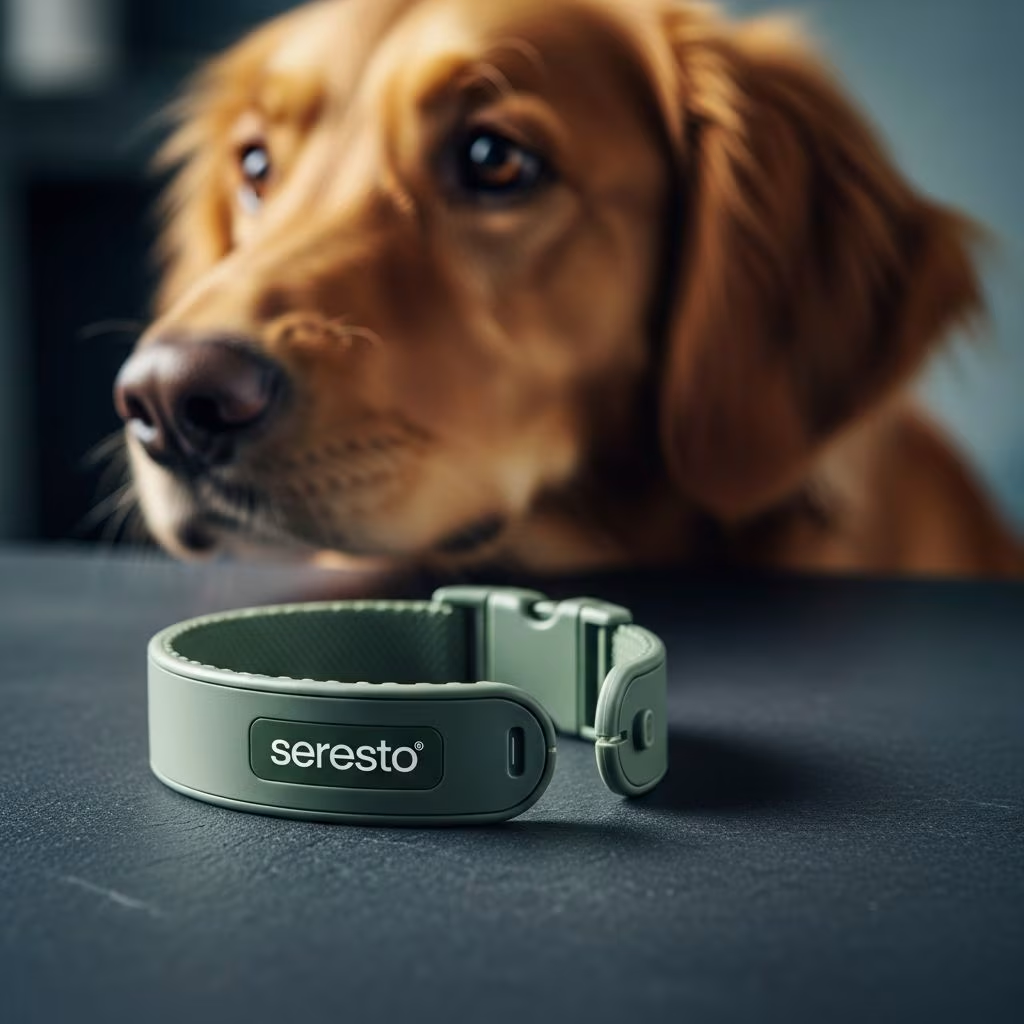
Seresto flea and tick collars have faced intense scrutiny due to tens of thousands of reported adverse events, including pet deaths, neurological issues, and human exposures, prompting EPA actions, Congressional investigations, and lawsuits, though the agency maintains they meet safety standards when used correctly.
What Are Seresto Collars?
Seresto collars, manufactured by Elanco (formerly Bayer), are popular flea and tick prevention products designed for dogs and cats. These collars release two active ingredients—**imidacloprid** (a neonicotinoid insecticide) and **flumethrin** (a pyrethroid acaricide)—continuously over eight months. They are marketed as odorless, water-resistant, and non-greasy, providing 24/7 protection against fleas, ticks, and lice without monthly reapplication.
The convenience appeals to many pet owners, with collars costing around $60. However, the slow-release mechanism means these pesticides circulate systemically in the pet’s body, raising concerns among veterinarians and advocates about long-term exposure risks.
How Do Seresto Collars Work?
Seresto employs a unique polymer matrix that diffuses imidacloprid and flumethrin through the collar’s surface and into the pet’s skin oils. This creates a reservoir effect: the chemicals spread across the dog’s coat, killing fleas and ticks on contact before they can bite. Imidacloprid targets the insect nervous system by binding to nicotinic acetylcholine receptors, while flumethrin disrupts sodium channels in tick nerve cells.
Unlike spot-on treatments, the collar avoids baths washing away the product, but this constant low-dose exposure has led critics to liken it to turning pets into ‘poison-soaked sponges,’ with chemicals circulating through organs and bloodstream. The EPA’s product registration notes potential initial skin reactions like itching or hair loss, which typically resolve within two weeks.
Reported Side Effects and Risks
Pet owners have reported a wide array of adverse reactions linked to Seresto collars. Common issues include:
- Skin reactions: Itching, redness, hair loss, and lesions at the collar site.
- Neurological symptoms: Seizures, tremors, ataxia (loss of coordination), and convulsions.
- Gastrointestinal problems: Vomiting, diarrhea, loss of appetite, and bloody stools.
- Behavioral changes: Lethargy, depression, and hypersensitivity.
- Severe outcomes: Vision impairment, tumors, and death.
The EPA acknowledges more common events like dog itching and cat hair changes, with rarer neurological signs. Holistic veterinarians, such as Dr. Deva Khalsa, warn that combining multiple toxic ingredients exacerbates risks, as fleas and ticks develop resistance, prompting stronger formulations.
Statistics on Incidents and Deaths
Incident reports paint a alarming picture. As of 2023, over 100,000 adverse events were logged with the EPA, including more than 2,700 pet deaths—up significantly from earlier figures of 98,000 incidents and 2,500 deaths in 2022.
| Year/Period | Reported Incidents | Pet Deaths | Source |
|---|---|---|---|
| Pre-2021 | 73,000+ | 1,700+ | |
| 2022 | 98,000 | 2,500 | |
| 2023 | 100,000+ | 2,700+ |
These numbers dwarf those for comparable products. In 2015, EPA internal reviews flagged Seresto as ranking ‘#1 by a wide margin’ in incidents. However, the EPA stresses most deaths lack probable causation, often involving pre-existing conditions or collar strangulation (due to release mechanism failures), with rates similar to other pesticides.
EPA Review and Actions
The U.S. Environmental Protection Agency (EPA) conducted a multi-year review under the Federal Insecticide, Fungicide, and Rodenticide Act (FIFRA). In July 2023, it ordered Elanco to add warning labels, limit registrations to five years, enhance incident reporting, and improve anti-strangulation features.
Key EPA findings:
- No ‘probable’ or ‘definite’ chemical-related deaths identified; most tied to mechanical issues.
- Collars meet FIFRA standards for flea/tick prevention.
- Mitigation includes vet/consumer awareness of risks like convulsions or ataxia.
Despite this, the agency admitted early incident reporting lacked sufficient detail for causation analysis. Labels must be updated by July 2024.
Congressional Investigation and Lawsuits
In 2021, the U.S. House Subcommittee on Economic and Consumer Policy urged a recall after linking Seresto to over 2,500 deaths. Their June 2022 report, Seresto Flea and Tick Collars: Examining Why A Product Linked To More than 2,500 Pet Deaths Remains On The Market, criticized Elanco’s refusal and recommended recall, registration cancellation, and EPA process reforms.
A California class-action lawsuit filed against Elanco alleges failure to warn consumers since 2017, claiming the collars harm wearers and caregivers. Elanco maintains the product’s safety profile.
Manufacturer Response: Elanco’s Position
Elanco defends Seresto, stating it ‘unequivocally continues to stand behind the safety profile’ and supports agency reviews. They attribute reports to misuse, pre-existing conditions, or coincidence, emphasizing proper use per label instructions minimizes risks. The company complied with EPA orders for labels and reporting.
Are Seresto Collars Riskier for Certain Dogs?
Vulnerable groups may face heightened risks:
- Puppies and seniors: Immature or weakened systems process toxins poorly.
- Small breeds: Lower body weight means higher relative exposure.
- Dogs with health issues: Liver/kidney problems impair pesticide metabolism.
- Multi-pet homes: Collar-to-collar transfer of chemicals.
Children should avoid direct contact, per EPA warnings, though risks are deemed low.
Holistic Vet Perspectives
Holistic practitioners universally caution against chemical collars. Dr. Khalsa notes resistance drives potent combinations, circulating toxins body-wide: ‘No chemical pharmaceutical flea and tick product… does not adversely affect your pet’s health.’ They advocate natural prevention over systemic poisons.
Safe Alternatives to Seresto Collars
Pet owners seeking flea/tick protection without chemicals have options:
- Natural repellents: Essential oils (cedarwood, lemongrass), diatomaceous earth, neem oil—applied topically or in sprays.
- Mechanical methods: Flea combs, frequent bathing, vacuuming environments.
- Dietary supplements: Omega-3s, garlic (in moderation), brewer’s yeast to repel parasites internally.
- Environmental control: Yard treatments with beneficial nematodes, tick tubes.
- Vet-approved topicals/orals: Lower-risk options like spinosad, if needed.
Integrated pest management—combining these—proves effective without toxicity risks.
What Should You Do If Your Dog Wears Seresto?
Monitor closely for symptoms: remove immediately if reactions occur and report to EPA at www.epa.gov/pets. Consider refunds/returns. Consult a vet before switching products. For prevention, prioritize natural methods and regular checks.
Frequently Asked Questions (FAQs)
Are Seresto collars safe for dogs?
Used per instructions, EPA says yes, but over 100,000 incidents including deaths raise concerns; warnings now required.
Has the EPA recalled Seresto collars?
No, they remain registered with new labels and 5-year limits.
Can Seresto collars harm humans?
Children should avoid contact; minor irritation possible, but risks low per EPA.
What are signs of Seresto reaction in dogs?
Itching, seizures, ataxia, vomiting—remove collar and seek vet care.
Are there safer flea collar alternatives?
Yes, natural options like essential oils and combs avoid chemicals.
References
- Seresto Collars For Dogs: Are They Safe? — Dogs Naturally Magazine. 2023. https://www.dogsnaturallymagazine.com/seresto-collars-for-dogs-are-they-safe/
- Seresto Pet Collar Review — U.S. Environmental Protection Agency (EPA). 2023-07-13. https://www.epa.gov/pets/seresto-pet-collar-review
- EPA confirms registration, safety of Seresto collar — American Veterinary Medical Association (AVMA). 2023. https://www.avma.org/news/epa-confirms-registration-safety-seresto-collar
- A federal watchdog told the EPA to determine whether Seresto pet collars were safe — Investigate Midwest. 2024-08-19. https://investigatemidwest.org/2024/08/19/a-federal-watchdog-told-the-epa-to-determine-whether-seresto-pet-collars-were-safe-so-far-the-agency-has-not-done-so/
- EPA Orders Warning Labels on Seresto Flea Collars Linked to Thousands of Pet Injuries, Deaths — Center for Biological Diversity. 2023-07-13. https://biologicaldiversity.org/w/news/press-releases/epa-orders-warning-labels-on-seresto-flea-collars-linked-to-thousands-of-pet-injuries-deaths-2023-07-13/



