

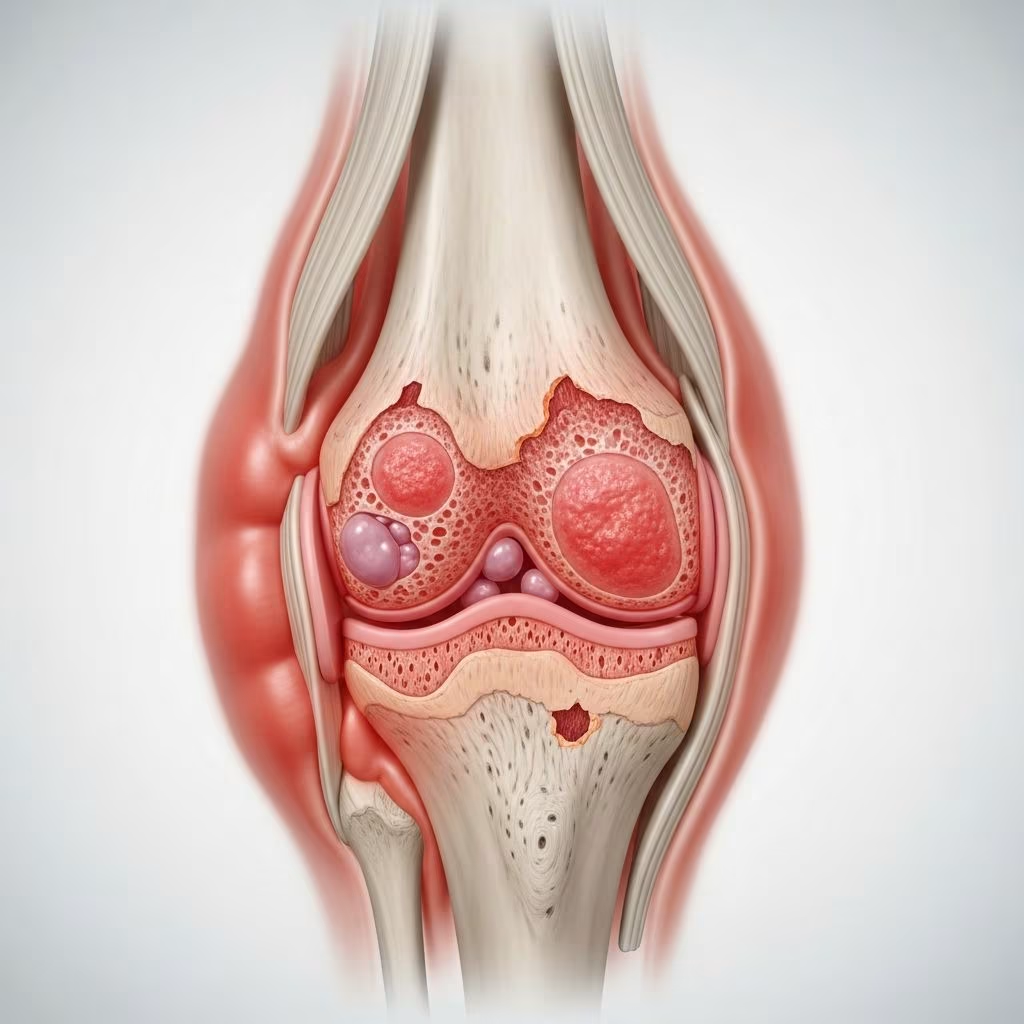
Bacterial infections invading the joint spaces of goats lead to septic arthritis, a painful condition that compromises mobility, growth, and overall productivity in affected animals. Prompt recognition and intervention are vital to mitigate long-term damage to cartilage and bone.
Understanding the Pathology of Joint Infections
Septic arthritis occurs when pathogenic bacteria enter the synovial joint, triggering intense inflammation, pus accumulation, and potential cartilage erosion. In goats, this condition often strikes young kids via bloodstream spread from umbilical or gastrointestinal sources, while adults typically suffer from direct wound penetration or extension from adjacent bone infections.
The inflammatory cascade releases destructive enzymes that degrade joint tissues, leading to fibrosis and ankylosis if untreated. Neonates face higher risks due to immature immune systems, with common culprits including Trueperella pyogenes, Mycoplasma species, and coliform bacteria.
Primary Causes and Risk Factors
- Hematogenous Spread: In kids, bacteria from failing passive transfer of colostral antibodies or navel infections travel to joints.
- Traumatic Introduction: Penetrating injuries, such as thorn pricks or barbed wire cuts, allow direct bacterial entry in mature goats.
- Secondary to Osteomyelitis: Bone infections extending into joints exacerbate the problem.
- Management Factors: Overcrowding, poor hygiene in kidding pens, and inadequate colostrum intake heighten susceptibility.
Environmental stressors like damp bedding or nutritional deficiencies in selenium and vitamin E further predispose herds.
Clinical Manifestations and Progression
Early signs include subtle lameness, joint effusion, and warmth upon palpation. Affected goats shift weight, exhibit fever above 104°F (40°C), and resist joint flexion. As infection advances, swelling intensifies, multiple joints may involve, and kids display lethargy, anorexia, and recumbency.
| Stage | Symptoms | Duration |
|---|---|---|
| Acute | Fever, mild lameness, joint heat | 1-3 days |
| Subacute | Obvious swelling, non-weight bearing | 4-7 days |
| Chronic | Joint deformity, muscle atrophy, fibrosis | >7 days |
Without intervention, prognosis worsens, with up to 50% mortality in severe neonatal cases.
Diagnostic Approaches for Accurate Confirmation
Veterinary assessment begins with a thorough history and physical exam, focusing on joint palpation and gait analysis. Synovial fluid aspiration reveals turbid, high-neutrophil fluid with elevated protein (>4 g/dL) and poor mucin clot formation.
- Cytology and Culture: Gram staining identifies bacteria; aerobic/anaerobic cultures guide antibiotic choice.
- Imaging: Radiographs detect periosteal reactions or gas pockets; ultrasound assesses effusion and cartilage integrity.
- Bloodwork: Leukocytosis, elevated fibrinogen confirm systemic involvement.
Differentiate from non-septic arthritis via synovial glucose <40 mg/dL and lactate >2x serum levels.
Therapeutic Strategies: Medical and Surgical
Treatment hinges on aggressive antimicrobial therapy combined with joint decontamination. Systemic antibiotics penetrate poorly into pus-filled joints, necessitating multimodal delivery.
Antibiotic Protocols
Initiate broad-spectrum coverage: penicillin (22,000 IU/kg IM q12h) or ceftiofur (2.2 mg/kg IM q12h) paired with aminoglycosides like gentamicin (4 mg/kg IV q24h) pending cultures. Duration spans 4-6 weeks, with regional perfusion enhancing synovial levels.
Joint Debridement Techniques
Arthroscopic or needle lavage flushes debris: multiple large-bore needles facilitate through-and-through irrigation with lactated Ringer’s (2-4 L/joint). Repeat every 48 hours until fluid clears.
Supportive care includes NSAIDs (meloxicam 0.5 mg/kg SC q24h) for pain/inflammation, IV fluids for dehydration, and slings for recumbent kids.
Advanced Interventions
Polysulfated glycosaminoglycans (PSGAGs, 4.4 mg/kg IM q7d) protect cartilage; hyaluronic acid intra-articularly restores viscosity. In refractory cases, arthrotomy drains abscesses.
Prognostic Factors Influencing Outcomes
Early detection yields 70-90% success in kids; delays reduce this to <50% due to cartilage necrosis. Positive indicators: single joint involvement, identified pathogen susceptible to empirics, and robust kid vigor. Chronic cases often salvage for pet status, not breeding.
Preventive Measures for Herd Health
Prophylaxis targets high-risk periods:
- Neonatal Care: Ensure 10% body weight colostrum within 6 hours; dip navels in 7% tincture iodine.
- Husbandry: Clean, dry kidding areas; vaccinate dams against clostridia/mycoplasma.
- Nutrition: Supplement vitamin E/selenium in deficient soils.
- Monitoring: Daily lameness checks; isolate suspects.
Herd screening via serum IgG testing identifies at-risk neonates.
Case Studies: Real-World Applications
In one outbreak, seven goat kids presented with polyarthritis; ceftiofur and serial lavages resolved 5/7 within 3 weeks. Another adult case from leg wound responded to penicillin and PSGAGs, regaining full function.
FAQs on Septic Arthritis in Goats
What is the most common age for septic arthritis in goats?
Primarily affects kids under 3 months, stemming from septicemia.
Can septic arthritis resolve without antibiotics?
Rarely; untreated infections progress to permanent damage.
How do I differentiate septic from traumatic arthritis?
Synovial culture and systemic signs distinguish infection.
Is joint surgery always needed?
No, lavage suffices in 80% early cases; reserve arthrotomy for failures.
What home remedies help manage pain?
Vet-guided NSAIDs only; avoid unproven herbals without consultation.
Long-Term Management and Monitoring
Post-treatment, radiographic follow-ups at 4, 8 weeks assess healing. Cull chronic carriers to prevent spread. Nutritional joint support with glucosamine (20 mg/kg/day) aids recovery.
References
- Potential Goat Health Challenges — The Open Sanctuary Project. 2023. https://opensanctuary.org/common-goat-health-issues/
- Arthritis in Large Animals — MSD Veterinary Manual. 2024. https://www.msdvetmanual.com/musculoskeletal-system/arthropathies-in-large-animals/arthritis-in-large-animals
- Septic arthritis: diagnosis, management and prognosis — Veterinary Ireland Journal. 2018-03. https://www.veterinaryirelandjournal.com/images/pdf/small/sa_mar_2018.pdf
- Joint Ill — Forth Valley Vet Clinic. 2023. https://www.forthvet.com.au/blog/8lxnlszt5gnv9xs3brxzbyywj38eqj
- Small ruminant joint disorders — University of Minnesota Large Animal Surgery. 2022. https://open.lib.umn.edu/largeanimalsurgery/chapter/small-ruminant-joint-disorders/
- Arthritis – Veterinary handbook for cattle, sheep and goats — Veterinary Handbook. 2024. https://www.veterinaryhandbook.com.au/Diseases.aspx?diseasenameid=23
- Colibacillary arthritis and severe osteomyelitis in lame goat kids — BVA Journals. 2023. https://bvajournals.onlinelibrary.wiley.com/doi/10.1002/vrc2.6



