

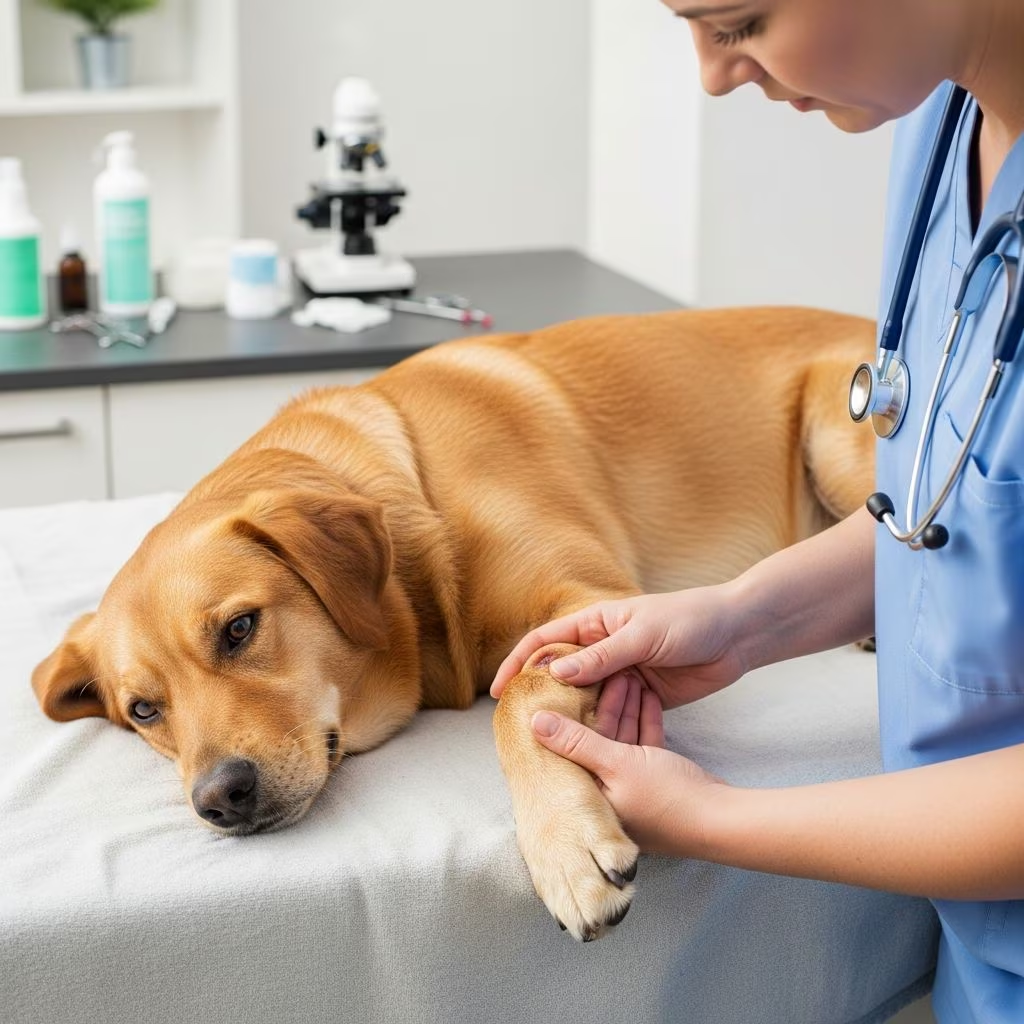
Understanding Septic Arthritis in Dogs
Septic arthritis, also known as infectious arthritis, is a serious condition that occurs when bacteria or other microorganisms infect a dog’s joint space. This inflammatory condition affects the synovial fluid and structures within the joint, causing pain, swelling, and functional impairment. While septic arthritis is relatively uncommon in dogs compared to other joint conditions, it requires prompt diagnosis and aggressive treatment to prevent permanent damage and complications. Early recognition and intervention are crucial, as delayed treatment can lead to severe complications including chronic osteoarthritis, bone infections, and systemic sepsis.
The condition can develop through various pathways, with bacteria typically entering the joint through penetrating wounds, surgical procedures, or hematogenous spread (transmission through the bloodstream). Understanding the causes, recognizing clinical signs, and implementing appropriate treatment can significantly improve outcomes and help preserve your dog’s mobility and quality of life.
What Causes Septic Arthritis in Dogs?
Septic arthritis develops when microorganisms gain access to the joint space and establish infection. The most common bacterial organisms responsible for this condition include Staphylococcus species, which are frequently isolated from infected joint fluid. Several pathways can lead to joint infection:
Primary Causes of Joint Infection
Penetrating Wounds: Bite wounds from other animals or puncture injuries can introduce bacteria directly into the joint space. Dog bites are particularly problematic as they create deep, contaminated wounds that readily introduce pathogenic bacteria.
Surgical Complications: Dogs that undergo joint surgery face increased infection risk. Surgical-site infections can develop if proper sterile techniques are not maintained or if post-operative care is inadequate. Infection can also result from retained nonabsorbable suture material or surgical implants.
Hematogenous Spread: Bacteria circulating in the bloodstream can seed the joint space, particularly in dogs with existing infections elsewhere in the body. Conditions like bacterial urinary tract infections, skin infections, or other systemic infections can potentially lead to joint involvement.
Intra-articular Injections: Therapeutic joint injections, while generally safe, carry a small risk of infection if sterile protocols are not strictly followed.
Other Risk Factors: Immunosuppressed dogs, those with underlying joint disease, or animals with compromised skin barriers face increased susceptibility to septic arthritis.
Clinical Signs and Symptoms
The symptoms of septic arthritis vary depending on the severity of infection and which joints are affected. Dogs may display both systemic signs of infection and localized joint-related symptoms. Early recognition of these signs is essential for timely treatment.
Local Joint Symptoms
Lameness and Difficulty Walking: Affected dogs typically show obvious lameness, favoring the infected joint and reluctant to bear weight. The severity of lameness often correlates with infection severity.
Joint Swelling and Heat: The affected joint appears visibly swollen and may feel warm to the touch due to inflammation and increased blood flow to the affected area.
Pain and Discomfort: Dogs display clear pain responses when the joint is manipulated or when weight is placed on the affected limb. They may cry out, growl, or attempt to avoid movement.
Reduced Range of Motion: Infected joints often exhibit restricted movement, and affected dogs resist attempts to flex or extend the joint.
Joint Deformity: In severe or chronic cases, permanent joint deformity or loss of function may develop.
Systemic Infection Symptoms
Fever: Elevated body temperature is a common sign indicating systemic infection. Some dogs may have temperatures exceeding 104°F.
Lethargy and Depression: Infected dogs often appear depressed, lethargic, and unwilling to engage in normal activities.
Loss of Appetite: Decreased or absent appetite frequently accompanies systemic infection, which may lead to weight loss.
General Malaise: Dogs may display overall signs of illness including reluctance to move, decreased interest in play, and general weakness.
Other Signs: Some dogs may show murmurs upon cardiac auscultation or other signs of generalized systemic illness.
Diagnosis of Septic Arthritis
Accurate diagnosis requires a comprehensive approach combining physical examination, laboratory testing, and imaging studies. Early diagnosis significantly improves treatment outcomes.
Physical Examination
Your veterinarian begins with a thorough physical examination, carefully palpating all joints to identify heat, swelling, or pain. A gait evaluation assesses lameness patterns and identifies which joints are affected. The presence of joint swelling or heat is typically the most obvious clinical finding during examination.
Diagnostic Testing
Arthrocentesis (Joint Tap): This definitive diagnostic procedure involves using a sterile needle to collect synovial fluid and cells directly from the affected joint under sterile conditions. The dog receives anesthesia to ensure a pain-free procedure. Analysis of the collected fluid is crucial for diagnosis.
Synovial Fluid Analysis: Laboratory examination of joint fluid typically reveals a large number of nucleated cells, primarily neutrophils that are usually nondegenerate. A successful culture of the joint fluid can identify the causative bacterial organism, enabling targeted antibiotic therapy. This culture is frequently successful in septic arthritis cases.
Bloodwork: Complete blood counts may reveal elevated white blood cell counts with a left shift, indicating acute bacterial infection. Blood cultures can sometimes identify systemic infection.
Radiographic Imaging: Initial radiographs help rule out other joint conditions and may reveal joint effusion or secondary changes. However, early septic arthritis may not show significant radiographic changes.
Advanced Imaging: If initial diagnostics are inconclusive, ultrasonography or computed tomography (CT) scans may provide additional information about joint pathology and extent of infection.
Treatment Approaches for Septic Arthritis
Treatment of septic arthritis typically involves aggressive multimodal therapy aimed at eradicating infection and minimizing permanent joint damage. Most cases require hospitalization, particularly if the dog is systemically ill or unstable at diagnosis. Treatment often spans 4-8 weeks or longer depending on severity and response to therapy.
Antibiotic Therapy
Antibiotics represent the cornerstone of septic arthritis treatment. Broad-spectrum antibiotics are typically initiated immediately, even before culture results become available, to ensure coverage of common organisms like Staphylococcus species. Common antibiotics used include doxycycline, Clavamox (amoxicillin-clavulanate), and metronidazole. Antibiotic selection is refined once culture and sensitivity results are available, allowing use of the most effective agent against the specific organism identified. Antibiotics are typically administered for 4-6 weeks total and continued for at least 1-2 weeks after clinical signs have resolved to ensure complete eradication of infection. Depending on the dog’s stability, antibiotics may be administered intravenously initially, then transitioned to oral medications as the dog improves.
Joint Drainage and Lavage
Joint drainage involves physically removing infected fluid from the joint space using a needle and syringe or through surgical opening of the joint. Joint lavage, or flushing, involves introducing sterile saline solution into the affected joint to mechanically remove debris, necrotic tissue, and infectious material. This procedure reduces intra-articular pressure and improves antibiotic penetration into the joint space. Lavage can be performed during surgical intervention or as a standalone percutaneous procedure. Many dogs benefit from repeated lavage procedures during the treatment course. Open-joint lavage is often preferred for severe infections as it provides superior cleaning and access to the joint space.
Surgical Intervention
In severe cases, particularly those involving necrotic tissue, extensive bacterial biofilms, or failed medical management, surgical intervention becomes necessary. Surgical debridement involves removing infected or dead tissue, which may include synovial tissue, cartilage, or bone depending on extent of damage. Removal of nonabsorbable suture material or surgical implants associated with infection may be required. In very severe cases, arthrodesis (surgical joint fusion) or amputation may be considered. Most dogs respond well to appropriate surgical intervention combined with aggressive antibiotic therapy.
Pain Management
Controlling pain is essential for comfort and recovery. Non-steroidal anti-inflammatory drugs (NSAIDs) are commonly prescribed to reduce pain and inflammation. Opioid medications may be necessary for severe pain, particularly in the initial treatment phase. Anti-inflammatory medications also help improve mobility during recovery, though activity restriction remains important during the healing phase.
Supportive Care
Dogs with severe septic arthritis often require hospitalization with intravenous fluid support to manage dehydration and maintain proper hydration. Supportive care maintains the dog’s nutritional status and systemic function during the acute infection phase.
Recovery and Long-Term Management
Recovery from septic arthritis requires careful management and adherence to veterinary recommendations. Even after clinical signs resolve, the joint may require additional time to heal completely.
Rest and Activity Restriction
Veterinarians typically recommend strict rest during the acute phase and early recovery period. The temptation to increase activity can be strong if the dog appears to feel better due to pain medication, but premature activity risks re-injury or infection recurrence. Activity restrictions must be carefully followed even if pain appears controlled through medication.
Physical Therapy and Rehabilitation
Once the acute infection resolves and the dog receives clearance from the veterinarian, gradual physical rehabilitation helps restore joint function and range of motion. Physical therapy typically begins with restricted, low-impact activity and gradually progresses as healing advances. Initial therapy might include 10-15 minute slow walks at a comfortable pace, potentially using a serpentine walking pattern to gently stress the joint. Range-of-motion exercises, such as gentle circular motions mimicking bicycle pedaling, help maintain and restore joint mobility. Strenuous activities like jumping, running, and stair climbing are usually the last activities reintroduced during recovery. The specific physical therapy plan varies based on which joint is affected, infection severity, the dog’s age, and individual factors.
Osteoarthritis Prevention
Following joint infection, secondary osteoarthritis may develop in the affected joint. Continued anti-inflammatory medications and regular low-impact exercise help minimize osteoarthritis progression and maintain long-term joint health.
Follow-Up Monitoring
Regular veterinary rechecks during recovery ensure the infection is properly resolving and the dog is progressing appropriately. Repeat diagnostic procedures may be necessary to confirm bacterial eradication. Careful monitoring helps identify any complications or persistent infection requiring additional intervention.
Prognosis and Outcomes
The prognosis for septic arthritis varies significantly based on timing of diagnosis and treatment initiation. Cases diagnosed early and treated aggressively typically have a good to fair prognosis, with most dogs responding well to appropriate therapy. However, delayed treatment results in guarded to poor prognosis with significant risk of severe complications including chronic osteoarthritis, bone infections, and systemic sepsis that can prove life-threatening. Early intervention, appropriate antibiotic selection, and adequate surgical management when indicated provide the best opportunity for successful resolution and preserved joint function.
Frequently Asked Questions
Q: How common is septic arthritis in dogs?
A: Joint infections are relatively uncommon in dogs compared to other joint conditions, making septic arthritis a condition requiring specific diagnosis rather than a routine diagnosis.
Q: Can septic arthritis affect multiple joints?
A: Yes, septic arthritis can affect one or multiple joints depending on the cause and how the infection spreads. Dogs with hematogenous spread may develop polyarticular infections.
Q: How long does septic arthritis treatment take?
A: Treatment typically spans 4-8 weeks or longer, with antibiotics usually continued for 4-6 weeks total and for at least 1-2 weeks after clinical signs resolve.
Q: What happens if septic arthritis is left untreated?
A: Untreated septic arthritis can lead to severe complications including permanent joint damage, chronic osteoarthritis, bone infections, systemic sepsis, and potentially life-threatening conditions.
Q: Can my dog fully recover from septic arthritis?
A: Many dogs recover well with early diagnosis and aggressive treatment, particularly if treated before significant joint damage occurs. However, some may develop secondary osteoarthritis in the affected joint.
References
- Septic Arthritis in Dogs: Causes, Symptoms, and Treatment — PetCareRx. 2024. https://www.petcarerx.com/article/septic-arthritis-in-dogs-causes-symptoms-and-treatment/6824
- Septic Arthritis in Dogs – PetMD — PetMD. 2024. https://www.petmd.com/dog/conditions/musculoskeletal/c_dg_arthritis_septic
- Joint Infections (Septic Arthritis) in Dogs – Vetster — Vetster. 2024. https://vetster.com/en/conditions/dog/joint-infections-septic-arthritis
- How to Perform a Joint Flush in a Dog with Septic Arthritis – VETgirl — VETgirl. 2024. https://vetgirlontherun.com/videos/how-to-perform-a-joint-flush-in-a-dog-with-septic-arthritis-vetgirl-vet-ce-videos/
- Bacterial Septic Arthritis in 19 Dogs — PubMed/National Center for Biotechnology Information. 2024. https://pubmed.ncbi.nlm.nih.gov/10330553/
- Septic Arthritis in Dogs and Cats – Musculoskeletal System — Merck Veterinary Manual. 2024. https://www.merckvetmanual.com/musculoskeletal-system/arthropathies-and-related-disorders-in-small-animals/septic-arthritis-in-dogs-and-cats
- Septic Arthritis: Diagnosis, Management and Prognosis — Veterinary Ireland Journal. 2024. https://www.veterinaryirelandjournal.com/images/pdf/small/sa_mar_2018.pdf



