

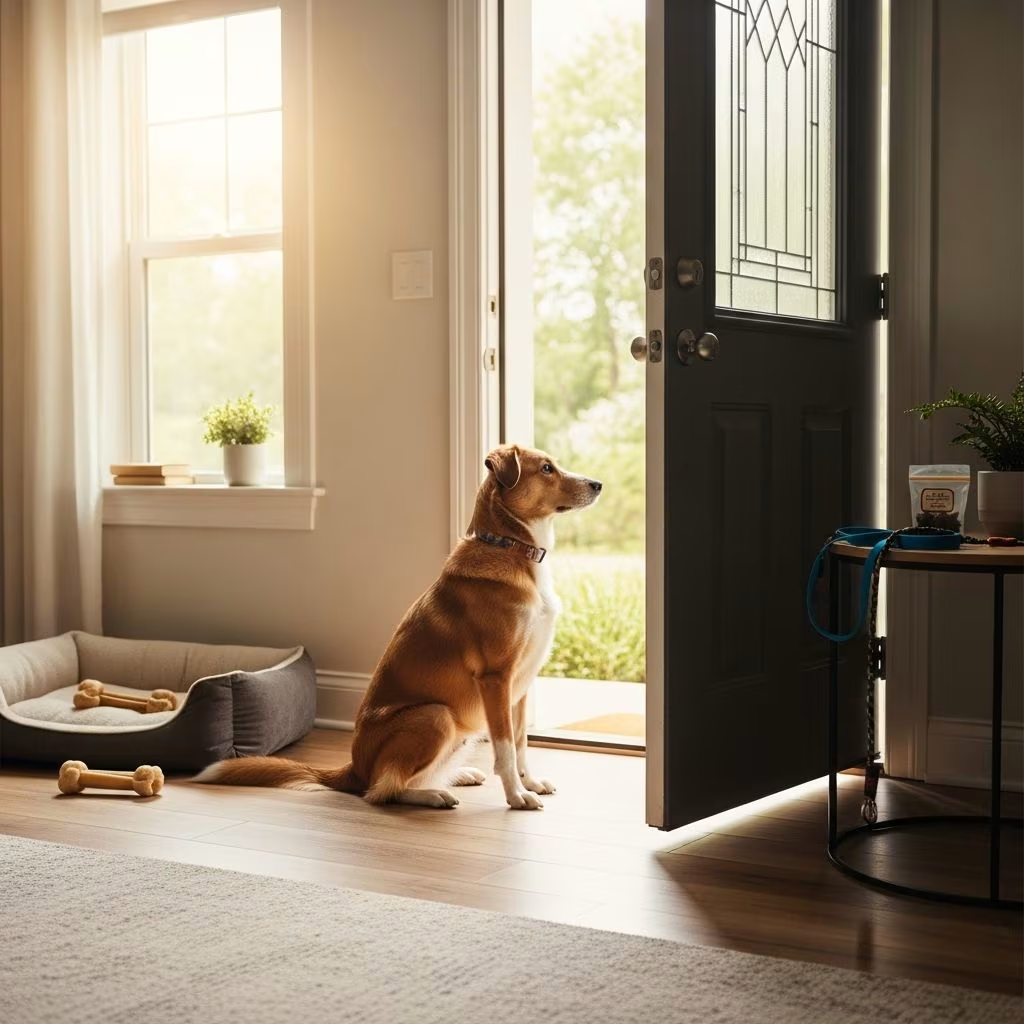
Separation anxiety in dogs can be deeply distressing for both pets and their people, but with patient, structured training, most dogs can learn to feel safe and relaxed when left alone. This guide walks you through what separation anxiety is, how to recognize it, and practical training steps and management tools to help your dog cope more confidently when you are away.
What Is Separation Anxiety in Dogs?
Separation anxiety is an intense distress response that occurs when a dog is separated from a person to whom they are strongly attached, most commonly their primary caregiver. It is considered a behavioral and emotional disorder, not stubbornness or spite.
Unlike mild boredom or restlessness, separation anxiety involves a panic-like state. The dog feels unsafe alone and may engage in behaviors that are difficult or even dangerous to ignore.
How Separation Anxiety Differs from Normal Alone-Time Stress
- Severity: Dogs with separation anxiety show extreme, sometimes self-harming behaviors, not just mild whining or pacing.
- Timing: Signs usually begin shortly after the owner leaves or even when departure cues appear.
- Context: Distress is linked specifically to being away from attachment figures, not just being confined or bored.
Understanding this difference helps you respond with empathy and appropriate training instead of punishment.
Common Signs and Symptoms
Many owners first notice separation anxiety because of damage in the home, complaints from neighbors, or accidents indoors. Typical signs include:
- Vocalization: Intense barking, howling, or whining that continues for long periods.
- Destructive behavior: Chewing doors, doorframes, windowsills, blinds, or furniture; digging at exits.
- House-soiling: Urination or defecation indoors despite prior reliable house training.
- Escape attempts: Scratching or throwing themselves at doors or crates, sometimes injuring paws, teeth, or nails.
- Hyper-attachment: Following you from room to room and becoming distressed when you are out of sight.
- Physiological signs: Panting, drooling, pacing, shaking, or a rapid heart rate when you prepare to leave.
These behaviors usually occur during your absence or as you are getting ready to go, and they typically resolve quickly when you return.
Why Do Dogs Develop Separation Anxiety?
There is rarely a single cause. Instead, separation anxiety often develops from a combination of genetic predisposition, early experiences, environment, and life changes.
Possible Contributing Factors
- Sudden changes in routine: A new work schedule, move, or change in household members.
- Traumatic experiences when alone: Thunderstorms, fireworks, break-ins, or accidents that occurred while the dog was by themselves.
- Rehoming or shelter history: Dogs that have lost a previous caretaker or lived in shelters may be more at risk.
- Lack of gradual alone-time training: Puppies that are never taught to be comfortable alone can grow anxious about it.
- Underlying medical or behavioral issues: Pain, cognitive decline in older dogs, or other anxiety-related conditions can contribute.
Because of these complexities, severe or long-standing cases benefit from guidance by a veterinarian and, ideally, a veterinary behaviorist or certified behavior professional.
Diagnosis: Is It Really Separation Anxiety?
Before you begin intensive training, it is vital to confirm that separation anxiety is the core problem rather than another medical or behavioral condition.
Veterinary Evaluation
A veterinarian can rule out medical issues that can mimic or worsen anxiety, such as urinary tract infections, gastrointestinal problems, endocrine disorders, or pain. If indicated, they may refer you to a board-certified veterinary behaviorist or a qualified behavior consultant for a full assessment.
Behavioral Assessment at Home
Owners can collect useful information by:
- Recording the dog when alone: Use a camera or phone to observe what happens after you leave.
- Keeping a log: Note time of departure, the dog’s behavior, and how long it takes for signs to appear.
- Comparing different scenarios: Check whether the dog behaves differently when left with another person, another dog, or in a different location.
Sharing this information with professionals helps them confirm the diagnosis and design an appropriate training plan.
Core Treatment: Desensitization and Counterconditioning
Research consistently identifies systematic desensitization and counterconditioning as the most effective behavior modification strategies for separation-related problems in dogs.
| Technique | Purpose | How It Works |
|---|---|---|
| Systematic desensitization | Reduce fear and anxiety around being alone | Gradually expose the dog to very short, manageable separations that do not trigger panic, slowly increasing duration over time. |
| Counterconditioning | Change emotional response to departures | Pair departures or brief separations with positive experiences (like high-value food) so the dog begins to associate your leaving with good things. |
Studies show that combining these methods is often more effective than using either one alone.
Foundations Before You Begin
- Safety first: Ensure the environment is secure so the dog cannot injure themselves while practicing short absences.
- Manage expectations: Progress is usually slow and non-linear; occasional setbacks are common.
- Stop rehearsing panic: Avoid leaving your dog for longer than they can handle during the core training period, whenever reasonably possible.
Step-by-Step Separation Anxiety Training Plan
The outline below mirrors evidence-based approaches used in clinical behavior practice and by humane organizations. Adjust the pace to your individual dog.
Step 1: Teach Relaxed “Stay” Behaviors When You Are Home
Before tackling actual departures, help your dog learn that calm stillness is rewarding.
- Teach or refresh basic cues like sit, down, and stay using positive reinforcement.
- Gradually increase how long your dog can remain in a relaxed position while you move short distances away.
- Reward with treats, calm praise, or quiet petting when they remain settled.
These skills support later exercises where you leave the room or house for brief intervals.
Step 2: Practice Out-of-Sight Stays Indoors
Once your dog can comfortably stay while you are in sight, begin practicing by an inside door (for example, the bathroom door).
- Ask your dog to sit or down by the door.
- Step just out of sight for one to two seconds, then come back and calmly reward if they stayed relaxed.
- Repeat several times, gradually increasing the time out of sight by a few seconds at a time.
- If your dog shows anxiety (whining, scratching, breaking the stay), go back to a shorter duration that they can handle.
This stage builds your dog’s confidence that you can leave their immediate view and still reliably come back.
Step 3: Introduce Very Short Absences from the Home
After your dog can tolerate short out-of-sight separations indoors, you can begin to step briefly outside the front door.
- Start with absences of just one to three seconds.
- Leave and return calmly, avoiding dramatic goodbyes or greetings.
- Practice several repetitions in a session, mixing very short and slightly longer intervals.
- Gradually work up to five or ten seconds, then longer, always watching for any sign of mounting distress.
The goal is to keep the dog below their anxiety threshold during every training trial, so they never enter full panic while you are systematically increasing duration.
Step 4: Pair Absences with Positive Experiences
As soon as your dog can handle brief separations without distress, add counterconditioning to further change their emotional response.
- Offer a special, food-stuffed toy (like a frozen treat puzzle) just before you step out.
- Use this toy only for separation training or when you leave, so it becomes a safety cue that predicts manageable alone time.
- Return before your dog finishes the toy at first; gradually allow them to keep working on it for longer periods as their comfort grows.
Over time, many dogs will begin to look forward to your departures because they predict something enjoyable.
Step 5: Systematically Increase Duration
Once your dog responds calmly to short absences and positive associations, you can begin a structured increase of time away.
- Increase the length of absences in small increments (for example, from 10 seconds to 20, then back to 5, then to 15, etc.).
- Vary durations within sessions so that your dog does not predict a steadily growing challenge every time.
- On days when the dog appears more anxious, temporarily reduce duration and rebuild.
- Continue to use food toys or other safe enrichment to support relaxation.
Progress may be slow, especially moving from minutes to longer periods, but consistent, well-managed sessions are the key to lasting improvement.
Management Strategies While You Train
Because you cannot always avoid leaving your dog for longer than their current training level, humane management reduces suffering and prevents setbacks.
Environmental Management
- Safe confinement: Use a well-sized, positive-association crate or a dog-proofed room, depending on what your dog finds less stressful.
- Background noise: Soft music, white noise, or talk radio can help mask outside sounds that might startle or upset your dog.
- Comfort items: Provide bedding, familiar scents, and chew-safe toys.
Human and Social Support
- Pet sitters or dog walkers: Arrange visits during longer absences to shorten continuous alone time.
- Friends or family: When possible, have someone your dog trusts stay with them.
- Daycare (for suitable dogs): Some dogs enjoy reputable, well-managed daycare programs; others may find them overwhelming, so assess your individual dog’s temperament.
When Medication May Help
For moderate to severe separation anxiety, veterinarians sometimes prescribe anti-anxiety medications or other adjunct therapies alongside behavior modification. These medications do not “fix” the problem by themselves, but they can lower the dog’s baseline anxiety enough to make training more effective and humane.
Prevention: Raising Dogs Comfortable with Being Alone
Preventive training is especially powerful for puppies or newly adopted dogs. Early, gentle exposure to short, positive alone times can decrease the risk of serious separation-related problems later in life.
Healthy Habits for Puppies and New Dogs
- Gradually introduce short, relaxed periods where the puppy is in a safe area while you are in another room.
- Avoid making departures and arrivals highly emotional; keep them calm and routine.
- Offer enrichment toys and chews that the puppy only gets when alone.
- Maintain a predictable daily schedule for feeding, walks, play, and rest.
These strategies teach the dog that alone time is a normal, safe part of life and often includes pleasant experiences.
Frequently Asked Questions (FAQs)
Q: How long does separation anxiety training take?
A: It varies widely. Mild cases may improve in a few weeks of consistent training, while severe or long-standing anxiety can take many months. Progress is rarely linear, so patience and consistency are essential.
Q: Can I use a crate for a dog with separation anxiety?
A: Some dogs feel safer in a crate, while others panic more when confined. Introduce the crate gradually with positive reinforcement and observe your dog’s body language. If signs of distress intensify in the crate, consider a larger confinement area instead.
Q: Will getting a second dog cure my dog’s separation anxiety?
A: Not necessarily. Many dogs with separation anxiety are specifically attached to a person, not simply to canine company. A second dog can even add stress if your current dog is already anxious. Focus on behavior modification first and consult a professional before adopting another pet.
Q: Is medication always required?
A: No. Many mild to moderate cases improve with behavior modification alone. However, for dogs that remain highly distressed or cannot tolerate the early stages of training, veterinarians may recommend medication as a helpful adjunct to behavior therapy.
Q: Can older dogs develop separation anxiety?
A: Yes. Changes in health, cognition, or routines in senior dogs can trigger new anxiety about being alone. A veterinary exam is especially important for older dogs to rule out pain, cognitive dysfunction, or other age-related conditions.
References
- Canine separation anxiety: strategies for treatment and management — Tiira, K., & Lohi, H., et al. 2020-09-15. https://pmc.ncbi.nlm.nih.gov/articles/PMC7521022/
- Separation Anxiety — American Society for the Prevention of Cruelty to Animals (ASPCA). 2023-04-10. https://www.aspca.org/pet-care/dog-care/common-dog-behavior-issues/separation-anxiety
- Managing Your Dog’s Separation Anxiety: The Calming Yo-Yo Exercise — Clickertraining.com / Karen Pryor Clicker Training. 2011-07-18. https://clickertraining.com/managing-your-dogs-separation-anxiety/
- Here’s the Only Real Way to Train a Dog with Separation Anxiety — Rover.com. 2018-09-05. https://www.rover.com/blog/heres-real-way-train-dog-separation-anxiety/
- Dog Separation Anxiety Training: Here’s Everything You Need to Know — ThinkJinx Blog. 2021-06-09. https://www.thinkjinx.com/blogs/news/dog-separation-anxiety-training-heres-everything-you-need-to-know



