

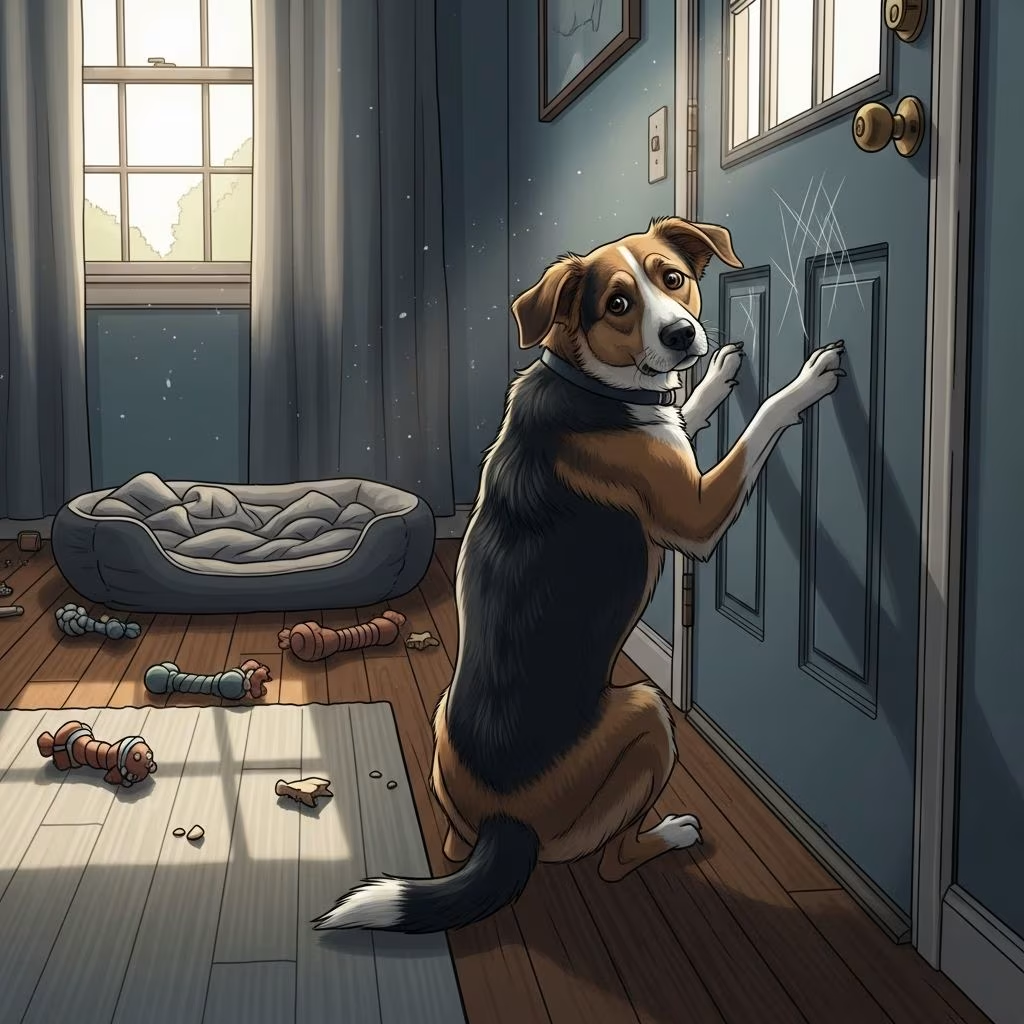
Understanding Separation Anxiety in Dogs
Separation anxiety in dogs is a condition characterized by extreme distress and panic when dogs are separated from their owners or left alone. This is more than simple boredom or mischief—it represents a genuine psychological disorder that causes significant stress for both the dog and their pet parents. Dogs experiencing separation anxiety often display destructive behaviors, excessive vocalization, and house soiling when left unattended, frequently resulting in costly damage to homes and, in severe cases, leading to relinquishment or euthanasia if left untreated.
Research indicates that approximately 8 out of 10 dogs find it challenging to cope when left alone, though nearly half may not display obvious signs of distress. The good news is that separation anxiety is both preventable and treatable with the right approach combining behavioral intervention and, when necessary, pharmacological support.
Recognizing the Symptoms of Separation Anxiety
Identifying separation anxiety in your dog is the first step toward addressing this behavioral issue. Dogs with separation anxiety typically display symptoms in the absence of their pet parent, and often even before the owner departs. Understanding these signs can help you determine whether your dog needs intervention.
Common Behavioral Signs
Dogs with separation anxiety exhibit a range of behaviors that distinguish this condition from normal canine behavior:
- Destructive behaviors: Excessive chewing, scratching, and destruction of household objects, furniture, and door frames
- Vocalization: Continuous barking, howling, and whining that may last for hours
- House soiling: Urination or defecation inside the home despite being housetrained
- Self-injury: Self-trauma or mutilation, including excessive licking or biting of their own body
- Pacing: Restless movement along fences, walls, or throughout rooms of the home, potentially leading to sore feet and weight loss
- Clingy behavior: Excessive attachment and neediness when the owner is present
- Physical signs: Trembling, panting, and decreased activity levels
Timing and Onset
Symptoms often begin within 30 minutes of the owner’s departure and can indicate varying degrees of anxiety severity. In some cases, dogs may exhibit distress signals even as their owners prepare to leave, such as increased attention-seeking behavior or following the owner from room to room.
Understanding the Causes of Separation Anxiety
Separation anxiety in dogs develops for various reasons, and understanding these underlying causes can help prevent the condition in new dogs and provide context for treatment approaches.
Primary Contributing Factors
The most common reason dogs develop separation anxiety is fear associated with being left alone in unfamiliar or anxiety-inducing situations. Additional causes include:
- Loss and grief: The death or loss of another pet that shared the home, creating an emotional void
- Environmental changes: Moving to a new home, changes in routine, or alterations to the household structure
- Age-related factors: Dogs may develop separation anxiety as they age or experience changes in cognitive function
- Health issues: Underlying medical conditions or pain that causes worry about environmental safety
- Trauma: Loud noises, sudden startling events, or frightening experiences when left alone
It’s important to note that dogs who have never previously suffered from separation anxiety can develop the condition at any point in their lives due to these triggering factors.
Behavioral Treatment Approaches
Behavioral modification represents the most successful long-term treatment for canine separation anxiety, with research showing that systematic desensitization and counterconditioning can achieve positive results in the majority of cases. These evidence-based approaches address the underlying anxiety rather than merely masking symptoms.
Systematic Desensitization and Counterconditioning
Systematic desensitization involves gradually exposing your dog to the stimulus causing anxiety—in this case, separation—in small, manageable increments. This technique works by helping your dog become accustomed to longer periods away, gradually increasing separation duration. When combined with counterconditioning, which pairs the separation stimulus with positive experiences like treats or toys, the approach becomes even more effective.
Research demonstrates that systematic desensitization and counterconditioning achieved success for 100% of dogs treated by behavior specialists using this combined approach. Importantly, this method can be successfully applied by dog owners themselves, even when consistency varies, suggesting its robustness as a treatment modality.
Key Behavioral Strategies
Effective behavioral advice for separation anxiety typically includes several core elements:
- Reducing dependency: Helping your dog develop independence and self-confidence when alone
- Eliminating punishment: Removing any punitive responses to separation-related behaviors, which can worsen anxiety
- Providing enrichment: Offering engaging activities and puzzle toys to occupy your dog while you’re away
- Environmental management: Creating a safe, comfortable space such as a crate in a quiet location
- Gradual departure training: Practicing leaving for short periods and gradually extending the duration
Research indicates that behavioral interventions specifically tailored to individual dogs may have a higher success rate than generic advice, though well-structured general guidance can still produce meaningful improvements.
Medication and Pharmacological Interventions
While behavioral modification forms the cornerstone of treatment, medication can play an important supporting role, particularly during the initial stages of retraining. Medications help reduce underlying anxiety, allowing dogs to learn new coping mechanisms more effectively.
Commonly Prescribed Medications
| Medication | Mechanism of Action | Benefits | Potential Side Effects | Duration |
|---|---|---|---|---|
| Fluoxetine | SSRI (Selective Serotonin Reuptake Inhibitor) | Reduces anxiety, improves separation-related behaviors | Lethargy, depression, loss of appetite | Several weeks to months |
| Clomipramine | Tricyclic antidepressant | Decreases anxious behaviors like pacing and whining | Pancreatitis, abdominal pain, vomiting, lethargy | Ongoing management |
| Alprazolam | Benzodiazepine (anxiolytic) | Short-term anxiety relief | Sedation, potential dependency | Short-term |
| Amitriptyline | Tricyclic antidepressant | Treats depression and anxiety | Varies by individual | Weeks to months |
Important Considerations for Medication
It’s crucial to understand that tranquilizers alone do not reduce a dog’s anxiety; they primarily sedate your dog, making them less likely to engage in destructive behaviors while the underlying condition remains unaddressed. Most dogs respond best to medications like fluoxetine or clomipramine administered over several months, potentially combined with other antianxiety medications as needed.
Some dogs benefit from combination therapy. For example, research found that adding low-dose clonidine to regular clomipramine medication improved behavior in seven out of ten dogs, while combining fluoxetine with oral diazepam demonstrated large or moderate improvements in 71% of dogs with separation-related problems.
Always follow your veterinarian’s guidelines closely and maintain all recheck appointments, as many of these medications require ongoing monitoring and should never be discontinued abruptly.
Environmental Modifications and Support Strategies
Creating an anxiety-reducing environment is essential for managing separation anxiety. Several modifications can significantly impact your dog’s comfort level when alone.
Creating a Safe Space
Placing your dog’s crate in a quiet location away from high-traffic areas helps create a secure refuge. Adding an Adaptil® diffuser (dog-appeasing pheromone diffuser) nearby may help reduce anxiety, though research on long-term efficacy remains limited. Feeding your dog in this designated space can create positive associations with the area.
Exercise and Mental Stimulation
Ensuring your dog receives adequate physical exercise when you’re home significantly impacts their anxiety levels. A well-exercised dog is more likely to rest calmly during your absence. Additionally, providing puzzle toys and interactive enrichment activities gives your dog purposeful activities to focus on rather than anxiety-driven behaviors.
Developing an Effective Treatment Plan
Successful management of separation anxiety typically requires a comprehensive, multi-faceted approach combining several treatment modalities rather than relying on any single intervention.
The Role of Professional Support
Working with an animal behavior specialist or certified trainer can significantly improve outcomes, as customized behavioral plans typically yield better results than generic advice. However, when individual professional therapy isn’t accessible, research shows that clear, simple instructions containing five or fewer specific actions improve owner adherence and treatment success.
Treatment Timeline and Expectations
Effective treatment requires patience, as behavioral modification and medication often take weeks or months to show significant improvement. The goal is to help your dog gain independence and accept time away from you through a gradual, systematic retraining program. Consistency in implementation is crucial for success, and even imperfect adherence to behavioral protocols can yield meaningful improvements.
Prevention Strategies for New and Current Dog Owners
For those adopting dogs or starting with puppies, several preventive measures can reduce the likelihood of separation anxiety developing:
- Gradually acclimate puppies and new dogs to alone time through short, positive departures
- Avoid creating excessive dependency by establishing independence boundaries
- Maintain consistent routines and calm departure rituals
- Provide appropriate exercise and mental stimulation daily
- Consider crate training to create a safe, den-like space
Frequently Asked Questions
Q: Is separation anxiety in dogs the same as normal sadness when I leave?
A: No. Separation anxiety is a severe psychological condition involving panic and distress, distinctly different from normal canine behavior or sadness. Dogs with separation anxiety experience genuine anxiety symptoms comparable to panic attacks in humans.
Q: Can separation anxiety be cured completely?
A: While not always completely “cured,” separation anxiety can be effectively managed and significantly improved through combined behavioral and medical treatment. Many dogs learn to cope with alone time and experience substantially reduced anxiety.
Q: How long does treatment typically take?
A: Treatment duration varies depending on severity and individual dog response. Most dogs show improvement within several weeks to months when following a comprehensive treatment plan combining behavioral modification and appropriate medication.
Q: Can I use only medication without behavioral training?
A: Medication alone is insufficient. While medications reduce anxiety and help dogs cope, behavioral retraining remains essential for long-term success. The combination of both approaches yields the best outcomes.
Q: What should I do if my dog develops separation anxiety suddenly?
A: Consult your veterinarian immediately to rule out underlying medical conditions and discuss appropriate treatment options. Sudden onset may indicate health issues, environmental changes, or traumatic experiences requiring professional assessment.
References
- Canine separation anxiety: strategies for treatment and management — National Center for Biotechnology Information (NCBI). 2020-09-18. https://pmc.ncbi.nlm.nih.gov/articles/PMC7521022/
- Separation Anxiety in Dogs: Causes, Symptoms, and Treatment — Northwoods Veterinary Clinic. 2025. https://northwoodsvet.com/separation-anxiety-in-dogs-causes-symptoms-and-treatment-in-north-charleston-sc/
- Separation Anxiety in Dogs — PetMD. 2025. https://www.petmd.com/dog/conditions/behavioral/separation-anxiety-dogs
- Separation Anxiety in Dogs — VCA Animal Hospitals. 2025. https://vcahospitals.com/know-your-pet/separation-anxiety-in-dogs
- Separation Anxiety in Dogs: Signs, Causes, and Prevention — American Kennel Club (AKC). 2025. https://www.akc.org/expert-advice/training/dog-separation-anxiety/
- Separation Anxiety in Dogs — Royal Society for the Prevention of Cruelty to Animals (RSPCA). 2025. https://www.rspca.org.uk/adviceandwelfare/pets/dogs/behaviour/separationrelatedbehaviour



