

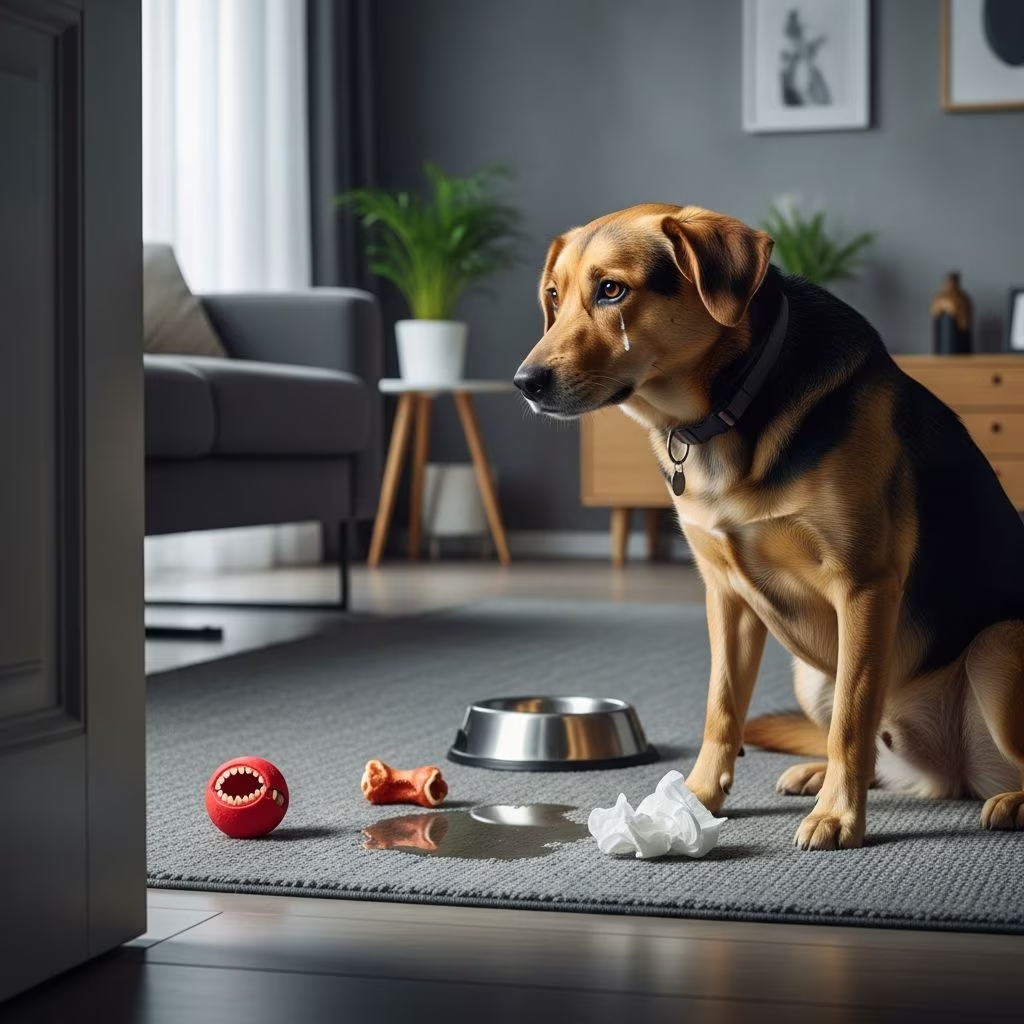
Understanding Separation Anxiety in Dogs
Separation anxiety in dogs is a behavioral condition characterized by extreme distress and anxiety when a dog is separated from their owner or primary caregiver. This condition is one of the most common behavioral disorders affecting dogs and can significantly impact both the pet’s well-being and the owner’s quality of life. Dogs with separation anxiety often begin displaying anxious behaviors as soon as they sense their owners are preparing to leave the home. The condition typically manifests within minutes of the owner’s departure and can result in destructive behavior, house soiling, excessive vocalization, and other concerning symptoms that may lead to costly damage and veterinary expenses.
What Causes Separation Anxiety in Dogs?
Separation anxiety can develop in dogs for various reasons, and understanding the underlying causes is essential for effective treatment. The condition is not fully understood, and it remains unclear why some dogs develop separation anxiety while others do not. However, several factors have been identified as potential triggers.
Major Life Changes and Environmental Factors
Significant life changes often precipitate the development of separation anxiety. Dogs may experience anxiety following:
– A move to a new home with a new family or a relocation with the same family- The death of a family member, human or pet- The birth of a new baby- Changes in ownership or rehoming- Time spent away from owners, such as boarding or veterinary stays- A transition from a pet parent staying home to working outside the home
First-Time Separation and Routine Changes
Dogs may develop separation anxiety when being left alone for the first time or when accustomed to constant human companionship. Additionally, any significant change in routine or schedule can trigger anxious responses in susceptible dogs.
Genetic and Temperamental Factors
Research indicates that anxiety disorders can have a genetic component. Dogs born to anxious parents are more likely to suffer from anxiety disorders themselves. Some dogs may be innately anxious or have previously experienced traumatic situations. Older dogs are also more likely to develop separation anxiety, as they are less able to cope with changes in their surroundings.
Behavioral and Lifestyle Factors
Frustration or boredom from inadequate enrichment activities can contribute to separation anxiety development. A lack of attention, insufficient exercise, limited play time, and inadequate toys or food-based enrichment may all play a role. Additionally, the attitude and actions of pet parents toward their dogs, such as negative reinforcement or punishment, can influence the development of this condition.
Recognizing the Symptoms of Separation Anxiety
Dogs with separation anxiety exhibit a wide range of behaviors that indicate distress and anxiety when separated from their owners. These symptoms can appear both before departure and during the owner’s absence.
Pre-Departure Anxiety Behaviors
Many dogs display signs of anxiety as their owners prepare to leave. Common pre-departure behaviors include:
– Excessive following of the owner from room to room- Clingy or needy behavior- Pacing or restlessness- Trembling or shaking, particularly in smaller breeds like Chihuahuas and Yorkshire Terriers- Excessive salivation or drooling- Panting or rapid breathing- Whining, whimpering, or vocalizations- Increased heart rate
Destructive and Elimination Behaviors
During the owner’s absence, dogs with separation anxiety often engage in destructive behaviors directed primarily toward exits such as doors and windows. These destructive acts may include excessive chewing, digging, scratching, and destruction of household items, particularly those bearing the owner’s scent. Additionally, otherwise house-trained dogs may experience inappropriate elimination (urination and defecation) in the home, typically occurring within one to thirty minutes after the owner’s departure.
Vocal and Behavioral Responses
Separation anxiety often manifests through persistent vocalization including barking, howling, and whining. In severe cases, excessive vocalization can damage the dog’s voice box, temporarily causing the dog to lose the ability to bark or howl. Dogs may also vomit, refuse to eat even when food or treats are provided, or engage in self-harm behaviors including excessive paw licking or tail biting.
Other Concerning Symptoms
Additional signs of separation anxiety include repetitive behaviors such as circling, coprophagia (eating feces), escaping from the home or yard, anorexia, overactivity with excessive greetings upon the owner’s return, and quiet or withdrawn behavior. Some dogs display excessive excitement when their owners return home, while others become quiet and withdrawn.
Distinguishing Separation Anxiety from Other Conditions
Accurate diagnosis of separation anxiety is essential, as the condition’s symptoms can mimic other medical and behavioral problems, leading to potential misdiagnosis. Pet owners and veterinarians should rule out various conditions before confirming separation anxiety diagnosis.
Medical Conditions to Exclude
Signs of separation anxiety can also indicate underlying medical problems such as seizures, diabetes, Cushing’s disease, renal disease, cystitis, or other health issues. A thorough veterinary examination is necessary to eliminate medical causes.
Behavioral and Training Issues
Other behavioral or training issues should be ruled out, including:
– Inadequate house-training- Marking habits or territorial behavior- Submissive or excitement urination- Teething in younger dogs- Boredom-related chewing or digging- Cognitive dysfunction in elderly dogs- Phobias related to thunderstorms or other specific sounds
Differentiating from Boredom
Boredom can produce behaviors similar to separation anxiety, including elimination, destruction, and vocalization. However, boredom-related behaviors typically occur as a form of entertainment and can happen during departure or upon arrival to obtain attention, whereas true separation anxiety involves distress symptoms correlated with the dog’s anxiety response.
The Impact of Separation Anxiety on Dogs and Owners
Separation anxiety creates significant challenges for both dogs and their human companions. The condition causes severe stress and emotional trauma for the affected dog, while simultaneously creating frustration and financial burden for pet parents through environmental damage and costly repairs. With chronic stress, impairments to physiological health can manifest in dogs. Increased stress alters hormone levels, thereby decreasing the dog’s natural immunity to various health problems. Furthermore, ignoring or punishing the dog, or leaving them to “cry it out” does not solve separation anxiety and can damage the dog’s mental health.
Treatment Approaches for Separation Anxiety
Effective treatment of separation anxiety typically involves a multifaceted approach combining behavioral modification, environmental management, and in some cases, pharmaceutical intervention.
Systematic Desensitization
Systematic desensitization is a primary behavioral treatment for separation anxiety. This approach involves gradually acclimating the dog to periods of separation, beginning with very brief absences and progressively extending the duration as the dog demonstrates increased comfort. This treatment requires patience, consistency, and professional guidance from a certified animal behaviorist or veterinary behaviorist.
Dog-Appeasing Pheromone (DAP)
Dog-appeasing pheromone, also known as apasine, is a pheromone naturally secreted by lactating female dogs. Young and adult canines detect this pheromone through their vomero-nasal organ (Jacobson’s organ), and detection ameliorates symptoms related to separation anxiety, phobias, and hyper-attachment. DAP is available in various commercial products designed to reduce anxiety symptoms in dogs.
Medication and Veterinary Support
When necessary, medication may be prescribed as part of a comprehensive treatment plan. Veterinary professionals can recommend appropriate pharmaceutical options that may help reduce anxiety symptoms while behavioral training is being implemented. Medication is most effective when combined with behavioral modification techniques.
Environmental and Behavioral Management
Creating a safe, comfortable environment can help reduce separation anxiety symptoms. Strategies include providing adequate enrichment activities, ensuring sufficient exercise, offering engaging toys and food puzzles, maintaining consistent routines, and creating a designated safe space where the dog feels secure during the owner’s absence.
Preventing Separation Anxiety
While not all cases of separation anxiety can be prevented, certain proactive measures may reduce the likelihood of its development. Gradual exposure to brief separations from an early age, consistent and positive training practices, adequate physical exercise and mental enrichment, maintaining stable routines when possible, and avoiding excessive dependence on owner attention can all contribute to preventing separation anxiety.
Frequently Asked Questions
Q: At what age can separation anxiety develop in dogs?
A: Separation anxiety can develop at any age, though older dogs are more likely to develop the condition as they are less adaptable to environmental changes. However, younger dogs may also experience separation anxiety, particularly following significant life changes or traumatic events.
Q: Is separation anxiety in dogs considered a serious condition?
A: Yes, separation anxiety is a serious behavioral disorder that causes significant distress to affected dogs. It can lead to physical health problems due to chronic stress, self-injury, escape attempts, and destructive behavior that may cause injury to the dog or property damage.
Q: Can separation anxiety in dogs be cured?
A: Separation anxiety can be effectively managed and significantly improved through appropriate treatment combining behavioral modification, environmental management, and sometimes medication. While “cure” may vary by individual case, most dogs show substantial improvement with consistent, professional treatment approaches.
Q: How long does treatment for separation anxiety typically take?
A: Treatment duration varies depending on the severity of the condition, the dog’s individual response to therapy, and consistency of implementation. Some dogs may show improvement within weeks, while others may require several months of ongoing treatment and management.
Q: Should I consult a veterinarian or a dog trainer for separation anxiety?
A: A veterinarian should be your first point of contact to rule out underlying medical conditions. For behavioral treatment, a certified animal behaviorist or veterinary behaviorist is recommended, as they have specialized training in addressing anxiety-related behavioral disorders.
Q: Can punishment help resolve separation anxiety?
A: No, punishment does not resolve separation anxiety and can actually worsen the condition and damage your dog’s mental health. Positive reinforcement-based training and systematic desensitization are the recommended approaches.
References
- Separation anxiety in dogs — Wikipedia. Retrieved 2025. https://en.wikipedia.org/wiki/Separation_anxiety_in_dogs
- Separation Anxiety in Dogs — PetMD. 2024. https://www.petmd.com/dog/conditions/behavioral/separation-anxiety-dogs
- Separation Anxiety In Dogs: The symptoms and how to help your dog — Animal Emergency Service Australia. 2024. https://animalemergencyservice.com.au/blog/separation-anxiety-in-dogs/
- Separation Anxiety in Dogs: Signs, Causes, and Prevention — American Kennel Club. 2024. https://www.akc.org/expert-advice/training/dog-separation-anxiety/
- Separation Anxiety in Dogs: Causes, Signs, and Solutions — Best Friends Animal Society. 2024. https://bestfriends.org/pet-care-resources/separation-anxiety-dogs-causes-signs-and-solutions
- Separation Anxiety in Dogs — VCA Animal Hospitals. 2024. https://vcahospitals.com/know-your-pet/separation-anxiety-in-dogs
- Separation Anxiety in Dogs — Royal Society for the Prevention of Cruelty to Animals (RSPCA). 2024. https://www.rspca.org.uk/adviceandwelfare/pets/dogs/behaviour/separationrelatedbehaviour



