

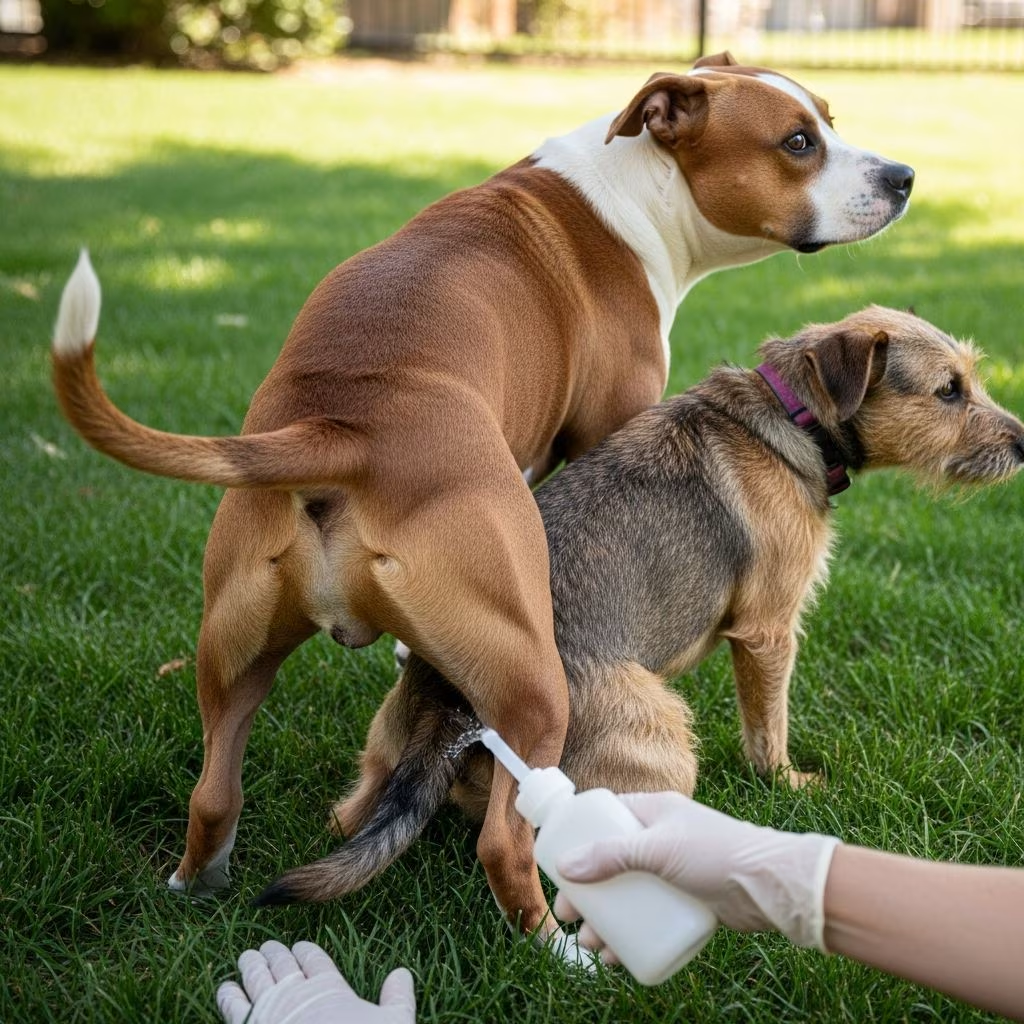
The phenomenon of dogs becoming physically locked together after mating, known as the copulatory tie, is a normal part of canine reproduction. This occurs due to the male dog’s bulbus glandis swelling inside the female, securing them for 5 to 30 minutes typically. Understanding this process helps owners respond calmly without risking harm to the animals.
Understanding the Copulatory Tie in Canine Reproduction
In canine mating, the male’s penis features a structure called the bulbus glandis that enlarges upon ejaculation, creating a lock with the female’s vaginal muscles. This tie ensures semen retention for higher fertilization chances and prevents immediate withdrawal.
- Duration: Usually lasts 10-30 minutes, though extremes up to an hour occur without concern unless distress is evident.
- Purpose: Promotes sperm transport and blocks rival males, an evolutionary adaptation.
- Frequency: Multiple ties possible in one session for thorough breeding.
Owners witnessing this for the first time often panic, but intervention is rarely needed. Patience allows natural separation.
Why Intervention Might Be Necessary and Risks Involved
While waiting is standard, certain situations demand action to avoid injury. Prolonged ties over 60 minutes, signs of pain like yelping or struggling, or aggressive behavior can lead to muscle strains, penile damage, or bites.
| Situation | Signs to Watch | Potential Risks |
|---|---|---|
| Normal Tie | Calm behavior, side-by-side position | None |
| Prolonged Tie | Over 1 hour, discomfort | Tissue damage, exhaustion |
| Aggression | Fighting, yelping | Bites, tears |
| Unplanned Mating | Stray encounters | Unwanted pregnancy |
Females in heat attract multiples, risking fights. Isolate post-mating to prevent repeats.
Safe Manual Separation Techniques
Only attempt separation if essential, using lubrication and calm handling. Never pull forcefully, as this causes severe trauma.
- Prepare: Gather petroleum jelly or water-based lubricant, towels, and a helper.
- Position: Encourage side-by-side stance; avoid rear-facing pulls.
- Lubricate: Apply generously around the junction.
- Gently Rock: Slight movements may ease swelling.
- Monitor: Stop if pain shown; seek vet immediately.
Success rates vary; lubrication aids 70% of cases per veterinary reports. Post-separation, check for bleeding or swelling.
Immediate Post-Separation Care for Both Dogs
After separation, provide rest. Females need isolation to avoid further mating during estrus.
- Clean genital areas gently with warm water.
- Observe for limping, discharge, or lethargy.
- Offer water; withhold food briefly if stressed.
- Separate sexes for 2-3 weeks minimum.
Males may show fatigue; females rest quietly for hours. Confirm no injuries via gentle palpation.
Recognizing When to Contact a Veterinarian Urgently
Seek professional help for persistent ties, trauma signs, or complications. Vets use safe sedatives or manual methods.
Red Flags:
- Bleeding from genitals.
- Swelling lasting hours.
- Refusal to walk or eat.
- Fever or vomiting.
Post-mating exams confirm pregnancy or issues via ultrasound around day 28. Early intervention prevents infections.
Preventing Unwanted Ties and Mating
Proactive measures reduce stuck incidents. Spay/neuter eliminates risks; hormone implants offer temporary solutions.
- Supervise during heat cycles.
- Use fences or crates for separation.
- Track estrus via apps or calendars.
- Consider vet-prescribed preventives.
Breeding requires health checks pre-mating for both.
Nutritional and Health Management After Breeding
Maintain standard diet first 6 weeks post-mating; increase gradually later.
Pregnant females need balanced nutrition:
| Phase | Diet Adjustment | Frequency |
|---|---|---|
| Weeks 1-6 | Normal intake | 2 meals/day |
| Weeks 7-9 | 1.5x increase | 3-4 small meals |
| Lactation | 2-3x normal | Free-feed if needed |
Avoid supplements without vet approval. Vaccinate pre-breeding.
Monitoring Pregnancy and Preparing for Whelping
Ultrasound at 28 days confirms pregnancy; X-rays later count pups.
Whelping prep:
- Warm whelping box.
- Monitor temperature drop signaling labor.
- Have vet contacts ready.
Post-birth, bloody discharge normal 6-8 weeks; watch for odor or illness.
Caring for Newborn Puppies and Dam
Assist if needed: clear sacs, rub to breathe, cut cords. Keep warm 95-100°F first week.
Dam care: frequent small meals, monitor milk. Wean at 3-4 weeks.
Frequently Asked Questions (FAQs)
Is it painful for dogs to be stuck together?
No, it’s natural; discomfort only if prolonged or forced.
How long is too long for dogs to stay tied?
Over 1 hour warrants vet attention.
Can I bathe dogs right after separation?
Yes, gently clean; avoid soaps initially.
What if mating was accidental?
Discuss termination options within weeks.
Should I change food immediately after mating?
No, maintain until week 6.
Long-Term Health Considerations for Breeding Dogs
Breeding stresses bodies; risks include eclampsia, mastitis. Regular checks essential. Responsible breeding prioritizes welfare over numbers.
Expand on preparation: pre-breeding exams rule out Brucellosis, ensure optimal weight. Post-whelping, deworm pups at 2 weeks. Socialize early for temperament.
For unplanned cases, spaying post-estrus prevents repeats. Males benefit from neutering reducing prostate issues.
References
- Breeding – What to expect after mating — Vetwest Veterinary Clinics. 2023. https://www.vetwest.com.au/pet-library/breeding-what-to-expect-after-mating/
- Breeding for Pet Owners – Pregnancy in Dogs — VCA Animal Hospitals. 2023. https://vcahospitals.com/know-your-pet/breeding-for-pet-owners-pregnancy-in-dogs
- Reproduction in dogs – from mating the dogs to raising the pups — Murray Bridge Vet. 2023-07. https://www.murraybridgevet.com.au/wp-content/uploads/2023/07/Repro-mating-puppies.pdf
- Management of Reproduction in Dogs — Merck Veterinary Manual. 2023. https://www.merckvetmanual.com/dog-owners/reproductive-disorders-of-dogs/management-of-reproduction-in-dogs
- Breeding and Whelping — Mayerthorpe Veterinary Services. 2023. https://www.mayerthorpevet.com/breeding-and-whelping
- Proper Nutrition and Care for Pregnant Dogs — American Kennel Club. 2023. https://www.akc.org/expert-advice/dog-breeding/breeding-bitch-nutrition/
- What to Expect When Your Dog is Expecting — Purdue Extension. 2023. https://www.extension.purdue.edu/extmedia/VA/VA-29-W.pdf



