

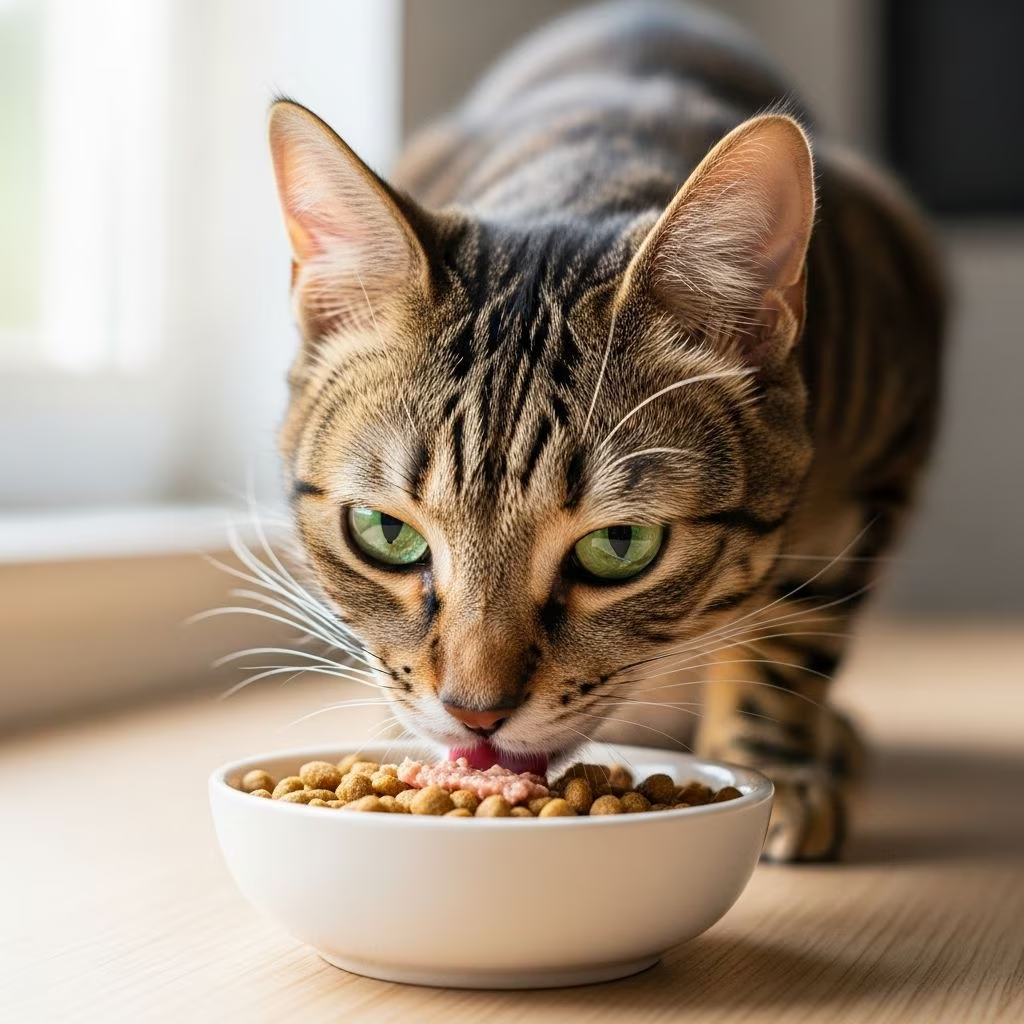
Cats with sensitive stomachs often suffer from digestive issues like vomiting, diarrhea, or inconsistent stool quality, but specialized **sensitive stomach cat food** can provide relief through highly digestible proteins, added fibers, probiotics, and omega-3s. These formulas are designed to minimize gut irritation and support optimal digestion, as evidenced by feeding trials and veterinary recommendations.
What to Do if Your Cat Is Having Issues With Digestion
If your cat shows signs of digestive distress, the first step is to consult a veterinarian to rule out underlying medical conditions such as parasites, inflammatory bowel disease, or allergies. Common symptoms include frequent vomiting, loose stools, gas, or reduced appetite. Veterinarians often recommend dietary changes, starting with a gradual transition to a sensitive stomach formula over 7-10 days to avoid further upset.
Monitor your cat’s response closely: track stool consistency, energy levels, and eating habits. Wet foods are frequently preferred due to their higher moisture content, which aids hydration and easier digestion compared to dry kibble. For instance, formulas with prebiotics like powdered cellulose or dried beet pulp can promote regular bowel movements by increasing stool volume.
How to Figure Out if Your Cat Has a Food Sensitivity
Food sensitivities in cats differ from allergies; sensitivities (intolerances) primarily cause digestive upset, while allergies often involve skin issues or itching. Common culprits include specific proteins like chicken or fish, grains, or dairy—many adult cats are lactose intolerant despite the myth of cats loving milk.
To identify sensitivities, implement an elimination diet under veterinary guidance: switch to a limited-ingredient food with a novel protein (e.g., duck, lamb, or salmon) and a single carbohydrate source for 8-12 weeks. Reintroduce potential triggers one at a time to pinpoint the issue. Look for foods with transparent, minimal ingredient lists to simplify this process.
- Signs of sensitivity: Chronic diarrhea, vomiting after meals, flatulence, or weight loss.
- Testing tips: Use hydrolyzed protein diets (where proteins are broken down to reduce allergenicity) if allergies are suspected.
- Duration: Allow at least 2-4 weeks for symptoms to improve before assessing.
Do Cat Foods For Sensitive Stomachs Really Help?
Yes, **sensitive stomach cat foods** are effective when matched to your cat’s needs, backed by AAFCO feeding trials that confirm nutritional adequacy and digestive benefits. These diets feature moderate fat levels (to ease digestion), highly digestible animal proteins (e.g., salmon, chicken meal), and supplements like omega-3 fatty acids from fish oil to reduce inflammation, probiotics for gut flora balance, and fibers such as beet pulp or oats.
Studies and vet nutritionists note that wet varieties outperform dry for many cats due to lower carbs and better hydration, reducing risks of constipation or diarrhea. Brands conducting real-cat trials, like those with 35-40% protein for adults or 50%+ for kittens, show improved stool quality in 80-90% of cases.
Best Ingredients for Cats with Sensitive Stomachs
Focus on **easily digestible ingredients** tailored for feline obligate carnivores: high-quality animal proteins (muscle, organs), limited carbs from sources like peas or potatoes, and gut-supportive additives. Avoid fillers, artificial preservatives, or common allergens.
| Ingredient Type | Benefits | Examples |
|---|---|---|
| Proteins | Highly digestible, primary energy source | Salmon, chicken meal, whitefish, novel proteins like duck |
| Fibers | Regulates bowels, adds bulk | Dried beet pulp, powdered cellulose, oats, pumpkin |
| Supplements | Reduces inflammation, balances microbiome | Fish oil (omega-3s), prebiotics, probiotics |
| Avoid | Triggers upset | Excess grains, dairy, high-fat meats like beef |
High-protein levels (30-40% for adults, 40%+ dry matter for kittens) meet AAFCO standards while supporting growth without overwhelming digestion.
Sensitive Stomach Cat Food Recommendations
Top picks are selected based on digestibility, trial data, and vet endorsements. Prioritize wet for hydration, but quality dry works for some.
- Best Wet Overall: Royal Canin Digestive Care Thin Slices in Gravy – Omega-3s, cellulose for constipation relief (59% protein, feeding trials).
- Best Dry: Hill’s Science Diet Sensitive Stomach & Skin Salmon & Peas – Beet pulp, 35% protein, 507 kcal/cup.
- Best for Seniors: Purina Pro Plan 7+ Ocean Whitefish & Salmon – L-carnitine, fish oil, 33% protein.
- Best for Kittens: Royal Canin Kitten Loaf in Sauce – DHA from fish oil, 59% protein, growth-tested.
- Limited Ingredient: Wellness CORE Digestive Health (Chicken/Turkey) or Nulo MedalSeries Chicken/Cod – Prebiotics, pumpkin, minimal carbs.
How to Transition Your Cat to Sensitive Stomach Cat Food
Abrupt changes cause diarrhea; transition slowly over 7-10 days to allow gut adaptation.[10]
- Days 1-2: 25% new food + 75% old.
- Days 3-4: 50% new + 50% old.
- Days 5-6: 75% new + 25% old.
- Day 7+: 100% new, monitor for issues.
Mix wet/dry if needed, add warm water to kibble for appeal. Picky eaters? Top with tuna juice or use puzzle feeders for mental stimulation.[10]
FAQs
What are the signs of a sensitive stomach in cats?
Vomiting, diarrhea, gas, poor appetite, or weight loss after meals indicate sensitivity. Consult a vet to exclude parasites or IBD.
Is wet or dry food better for sensitive stomachs?
Wet food is superior for most due to moisture aiding digestion and hydration, but quality dry with fibers works if your cat prefers it.
Can kittens have sensitive stomachs?
Yes; rule out parasites first. Choose high-protein (40%+ dry matter) formulas with DHA for growth.
How long to see improvements?
1-2 weeks with proper transition; full benefits in 4-8 weeks for elimination diets.
Are grain-free foods better?
Not necessarily; focus on digestibility over grain-free, as some cats tolerate complex carbs well.
Additional Tips for Long-Term Digestive Health
Ensure constant fresh water, consider probiotic supplements, and schedule annual vet check-ups. Stress reduction via play and routine helps, as anxiety exacerbates gut issues. For chronic cases, hydrolyzed prescription diets may be needed.
In summary, selecting the right sensitive stomach cat food involves matching ingredients to your cat’s needs, transitioning carefully, and vet collaboration for lasting relief.
References
- The Best Sensitive Stomach Cat Food of 2026 — Business Insider. 2026. https://www.businessinsider.com/guides/pets/best-cat-food-sensitive-stomach
- The Best Cat Food for Sensitive Stomachs — Wellness Pet Food. 2023. https://www.wellnesspetfood.com/blog/the-best-cat-food-for-sensitive-stomachs/
- Solutions for Cats with Sensitive Stomachs — Stella & Chewy’s. 2023. https://www.stellaandchewys.com/blogs/articles/solutions-for-cats-with-sensitive-stomachs
- Choosing the Right Cat Food for a Sensitive Stomach — Nulo. 2024. https://nulo.com/blogs/nutrition/choosing-the-right-cat-food-for-a-sensitive-stomach
- Best Cat Food For Sensitive Stomachs — Portland Pet Food Company. 2023. https://portlandpetfoodcompany.com/blogs/education/best-cat-food-for-sensitive-stomachs



