

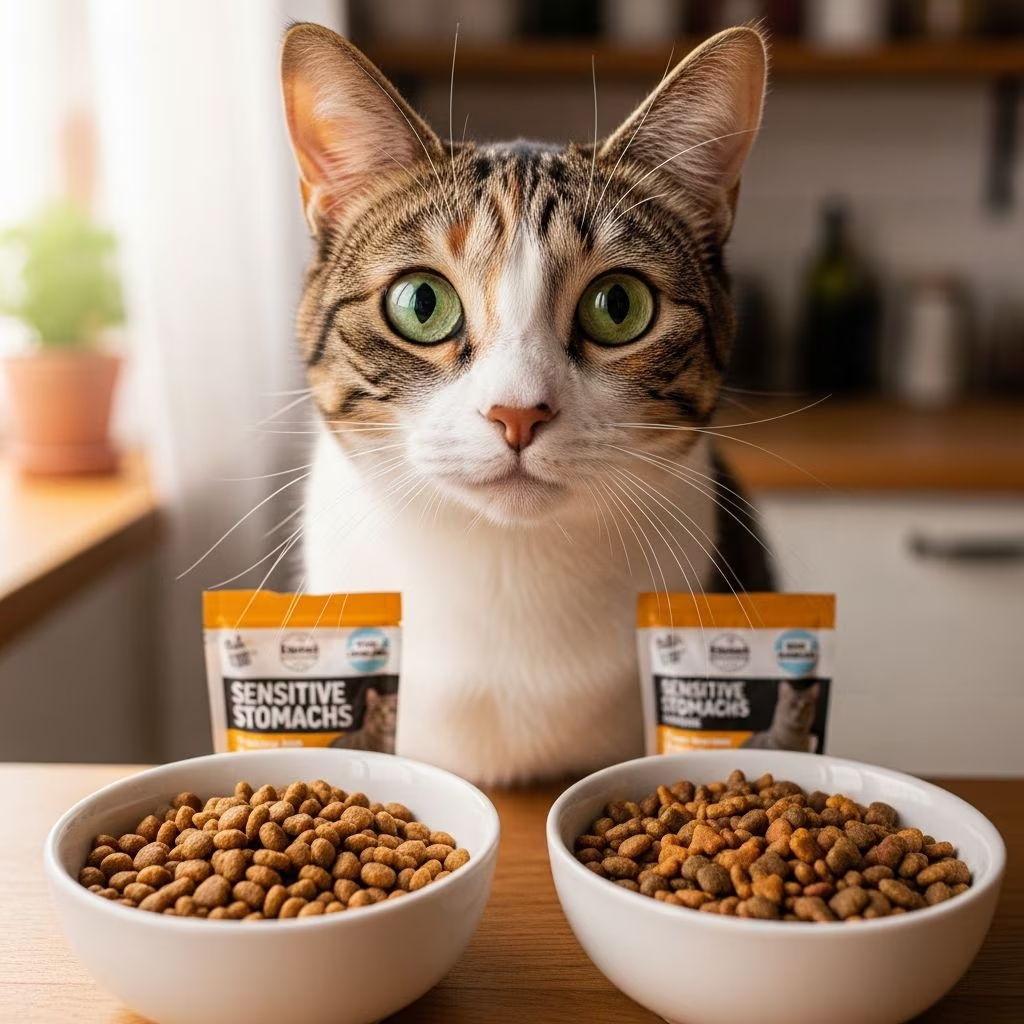
If your cat is experiencing chronic vomiting or diarrhea, you’ve likely encountered the term “sensitive stomach” while browsing pet food options. But what does this marketing buzzword really mean, and do these specially formulated diets actually deliver on their promises? Understanding the difference between a genuine digestive problem and a marketing claim is essential for making informed decisions about your cat’s nutrition.
Understanding “Sensitive Stomach” in Cats
The term “sensitive stomach” is not a medical diagnosis but rather a marketing classification used by pet food manufacturers. When companies advertise sensitive stomach cat food, they’re typically referring to products designed for cats experiencing chronic vomiting and/or diarrhea. However, this broad categorization can be misleading because digestive issues in cats have multiple underlying causes, each requiring different management approaches.
Chronic digestive upset in cats doesn’t simply mean the cat needs a “sensitive stomach” formula. Instead, it signals that something may be wrong that deserves proper veterinary investigation. Many pet owners assume that switching to a sensitive stomach diet will resolve their cat’s issues, but without identifying the root cause, dietary changes may provide only temporary relief or no improvement at all.
The Reality Behind Sensitive Stomach Food Claims
Sensitive stomach cat foods typically feature several common characteristics designed to appeal to cats with digestive concerns. These formulations often include easy-to-digest proteins, added fiber, and sometimes probiotics or prebiotics. Some brands incorporate limited ingredient lists to reduce potential irritants, while others focus on high-quality protein sources from chicken, turkey, or fish.
While these ingredients can support digestive health in certain situations, the effectiveness depends entirely on the underlying cause of your cat’s symptoms. A food formulated with optimal digestibility won’t help if your cat’s vomiting stems from a food allergy, inflammatory bowel disease, or gastrointestinal obstruction. This is where the marketing of “sensitive stomach” foods can become problematic—they imply a one-size-fits-all solution to a complex medical issue.
Common Causes of Feline Digestive Problems
Before assuming your cat needs a specialized diet, it’s important to understand what might be causing digestive upset. Several conditions can result in chronic vomiting and diarrhea in cats:
- Food allergies or sensitivities: Cats can develop adverse reactions to specific proteins or ingredients, which may require elimination diets or prescription formulations
- Inflammatory bowel disease (IBD): A chronic condition requiring veterinary management and sometimes prescription diets
- Parasites: Internal parasites can cause digestive symptoms and require antiparasitic treatment
- Pancreatitis: Inflammation of the pancreas often requires dietary management under veterinary supervision
- Gastrointestinal obstructions: Foreign objects or hairballs may require medical intervention beyond dietary changes
- Stress or behavioral issues: Environmental changes or anxiety can trigger digestive problems
- Thyroid disease: Hyperthyroidism commonly affects older cats and can cause digestive symptoms
When Sensitive Stomach Food May Actually Help
Despite the marketing concerns, sensitive stomach cat foods can be beneficial in specific situations. If your cat has been diagnosed with a mild digestive sensitivity or if your veterinarian has ruled out serious underlying conditions, a high-quality diet formulated for digestive support may help improve your cat’s comfort and nutrient absorption.
Foods designed for sensitive stomachs often include beneficial ingredients that support digestive health. Insoluble fiber, for example, can help regulate bowel movements and prevent constipation. Prebiotics and probiotics may support healthy gut bacteria populations, while easily digestible proteins reduce the work required of the digestive system. Additionally, some sensitive stomach formulas include anti-inflammatory ingredients like omega-3 fatty acids from fish oil, which may soothe the digestive tract.
Limited ingredient diets can also be valuable for cats with identified food sensitivities, as they reduce the number of potential irritants. If your cat reacts to specific proteins or fillers, a formula containing just one protein source and minimal other ingredients might provide relief.
The Importance of Veterinary Diagnosis
The critical step many cat owners skip is obtaining a proper veterinary diagnosis before switching to a sensitive stomach diet. Your veterinarian can perform diagnostics to identify the underlying cause of your cat’s symptoms, which might include blood work, fecal examination, ultrasound, or other tests depending on the clinical presentation.
Dr. Bruce Kornreich, a respected veterinary nutrition specialist, explains that going directly to dietary changes without veterinary investigation isn’t always the answer. A cat vomiting frequently could have a mechanical obstruction, a metabolic disease, or an infectious condition—none of which would be resolved by simply changing food brands. Only after ruling out serious medical conditions should dietary management become the primary intervention.
Key Features of Quality Sensitive Stomach Cat Foods
If your veterinarian recommends a sensitive stomach diet, understanding what to look for can help you choose the best option for your cat:
- High-quality protein sources: Look for named meat sources like chicken, turkey, or fish rather than vague terms like “meat by-products”
- Digestible carbohydrates: Rice, sweet potato, and pumpkin are easier to digest than corn or wheat
- Added fiber: Sources like pumpkin, beet pulp, or psyllium husk can regulate digestive function
- Probiotics and prebiotics: These support healthy gut bacteria and digestive balance
- Omega-3 fatty acids: Fish oil or flaxseed can reduce gastrointestinal inflammation
- Limited ingredients: Fewer ingredients mean fewer potential irritants for sensitive cats
- AAFCO certification: Ensures the food meets nutritional standards for your cat’s life stage
Wet Food Versus Dry Food for Sensitive Stomachs
When selecting a sensitive stomach diet, you’ll encounter both wet and dry options. Each has advantages for cats with digestive concerns. Wet food typically provides higher moisture content, which aids digestion and supports urinary health—a particular benefit for cats prone to urinary tract issues alongside digestive problems. The paté or broth formats are often more palatable and easier for cats with compromised digestion to process.
Dry sensitive stomach food can be more convenient and economical while still providing digestive support through carefully selected ingredients. Some cats prefer the texture of dry kibble, and the mechanical action of chewing can be beneficial. The choice between wet and dry often depends on your cat’s individual preferences and your veterinarian’s recommendations.
Transitioning to a New Diet
If your veterinarian recommends switching to a sensitive stomach formula, the transition process matters significantly. Abrupt dietary changes can actually trigger the very symptoms you’re trying to prevent. A gradual transition over 7-10 days—mixing increasing amounts of the new food with the old food—allows your cat’s digestive system to adjust without shock.
Some cats with sensitive stomachs benefit from an even slower transition. If vomiting or diarrhea occurs during the switch, extend the transition period further and consult your veterinarian about the best approach for your specific cat.
Beyond Diet: Comprehensive Digestive Support
While diet plays a role in managing feline digestive issues, it’s rarely the only factor. Stress management, maintaining adequate hydration, regular veterinary check-ups, and parasite prevention all contribute to digestive health. Some cats require medications, supplements, or environmental modifications alongside dietary changes to achieve optimal digestive comfort.
Your veterinarian might recommend supplements like digestive enzymes, additional probiotics, or L-glutamine to support gut health. Environmental enrichment and stress reduction techniques can also minimize stress-related digestive upset. A comprehensive approach addressing all contributing factors produces better outcomes than dietary changes alone.
Recognizing When Diet Isn’t the Answer
If you’ve switched to a high-quality sensitive stomach food and your cat’s symptoms persist after a reasonable trial period (typically 4-6 weeks), it’s time to revisit your veterinarian. Persistent vomiting or diarrhea despite dietary management suggests the underlying issue requires different intervention. This might mean additional diagnostics, prescription medications, or a different dietary approach based on newly identified conditions.
Some cats require prescription diets formulated specifically for their diagnosed condition rather than over-the-counter sensitive stomach foods. Prescription gastrointestinal formulas, hydrolyzed protein diets for severe allergies, or condition-specific foods for pancreatitis or IBD may be necessary for optimal management.
Cost and Accessibility Considerations
Sensitive stomach cat foods range from budget-friendly options to premium prescription diets. While higher price doesn’t always guarantee better results, extremely cheap sensitive stomach formulas may contain lower-quality ingredients that could worsen digestive issues rather than improve them. Finding the balance between cost and ingredient quality is important for long-term feeding.
Some pet owners find that mid-range sensitive stomach foods from reputable manufacturers provide good results without the premium pricing of prescription formulas. Others discover that prescription diets are necessary for their cat’s condition and worth the investment. Your veterinarian can help guide these decisions based on your cat’s specific needs and your budget.
Frequently Asked Questions
Q: Is “sensitive stomach” a real medical diagnosis for cats?
A: No, “sensitive stomach” is a marketing term, not a medical diagnosis. It refers to cats experiencing chronic vomiting and/or diarrhea, but the actual cause requires veterinary investigation.
Q: Should I switch my cat to a sensitive stomach food if it’s vomiting?
A: Not immediately. Schedule a veterinary examination first to identify the underlying cause. Dietary changes without diagnosis may not address the real problem and could delay necessary treatment.
Q: What ingredients should I look for in sensitive stomach cat food?
A: Look for high-quality named protein sources, digestible carbohydrates, added fiber, probiotics or prebiotics, and omega-3 fatty acids. Avoid foods with artificial additives and unclear ingredient listings.
Q: How long should I try a sensitive stomach diet before concluding it’s not working?
A: Most veterinarians recommend a trial period of 4-6 weeks. If symptoms persist after this time, consult your veterinarian about alternative approaches or additional diagnostics.
Q: Can sensitive stomach food cause side effects?
A: Some cats may experience temporary digestive adjustment during the transition to a new food. However, persistent negative symptoms after the transition period suggest the food may not be appropriate for your cat.
Q: Are prescription sensitive stomach diets better than over-the-counter options?
A: Prescription diets may be necessary for specific diagnosed conditions, but quality over-the-counter sensitive stomach foods can be effective for mild sensitivities. Your veterinarian can recommend the best option for your cat.
Q: What if my cat has been diagnosed with a food allergy?
A: Cats with confirmed food allergies often require elimination diets with a limited number of protein sources or prescription hydrolyzed protein diets. A standard sensitive stomach food may not be adequate.
Q: Can probiotics in sensitive stomach food help my cat?
A: Probiotics may support digestive health by promoting beneficial gut bacteria. However, their effectiveness varies, and your veterinarian may recommend additional probiotic supplements if needed.
References
- The Best Sensitive Stomach Cat Food of 2026 — Business Insider. 2026. https://www.businessinsider.com/guides/pets/best-cat-food-sensitive-stomach
- Do Cat Foods For Sensitive Stomachs Really Help? — Kinship. https://www.kinship.com/cat-health/sensitive-stomach-cat-food
- The 9 Best Cat Foods for Sensitive Stomachs: Reviews & Ratings — Cats.com. https://cats.com/best-cat-food-for-sensitive-stomach
- 4health Special Care All Life Stages Indoor Sensitive Stomach and Skin Dry Cat Food — Tractor Supply Co. https://www.tractorsupply.com/tsc/product/4health-sensitive-stomach-and-skin-dry-cat-food



