

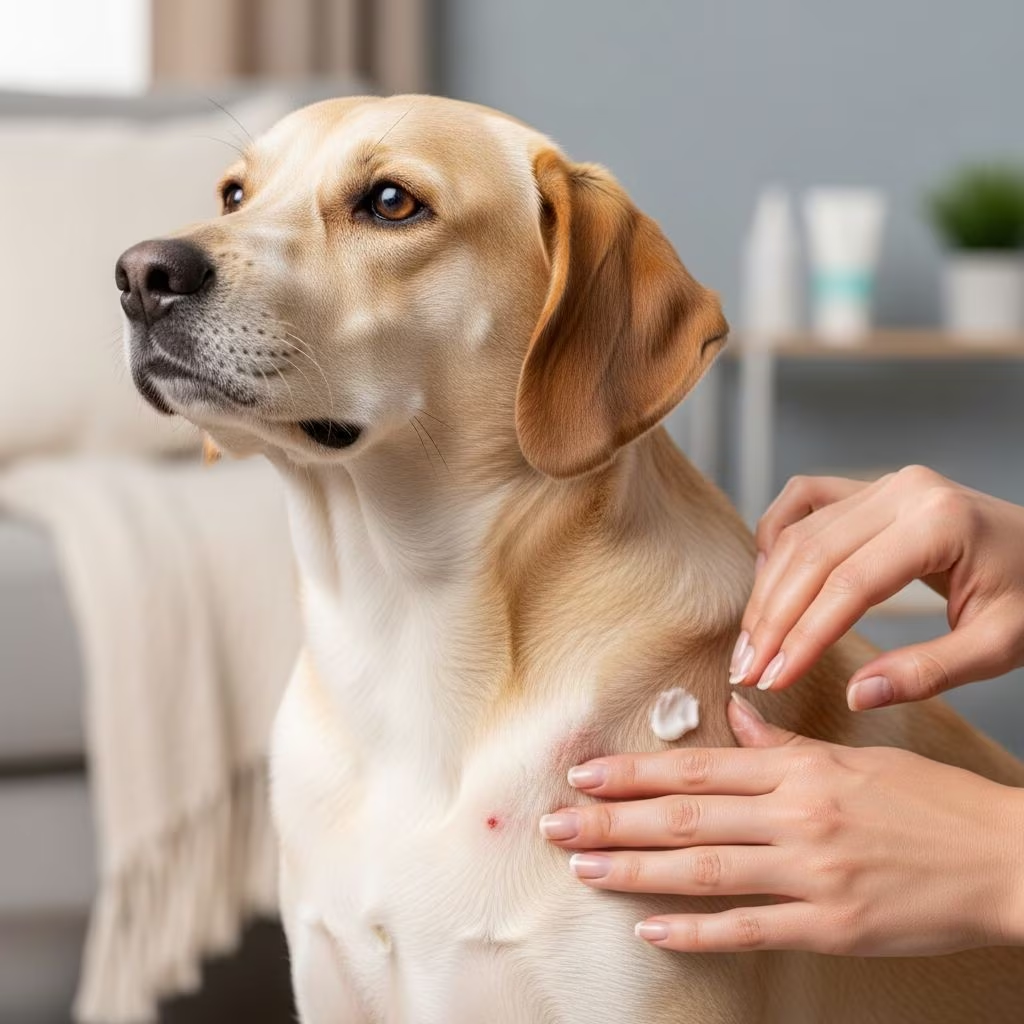
Dogs with sensitive skin often experience discomfort from itching, redness, and irritation due to allergies, environmental factors, or dietary issues. Proper identification and management can significantly improve their quality of life through targeted care strategies.
Understanding Canine Skin Sensitivity
A dog’s skin serves as a protective barrier against pathogens and environmental stressors. When sensitivity develops, it signals an underlying issue disrupting this barrier. Common triggers include allergens that provoke immune responses, leading to inflammation. Breeds like West Highland White Terriers, Bichon Frises, and Shar Peis are predisposed due to genetic factors.
Sensitivity manifests differently across individuals, influenced by age, breed, and exposure history. Puppies may show early signs, while adults often develop issues seasonally. Early intervention prevents secondary complications like infections.
Primary Causes of Skin Issues in Dogs
Several factors contribute to sensitive skin. Allergies top the list, divided into categories:
- Flea allergy dermatitis: Even minimal flea exposure causes intense reactions from saliva sensitivity.
- Environmental atopy: Pollen, dust mites, molds, and grasses trigger seasonal flare-ups.
- Food sensitivities: Reactions to proteins like beef or grains often pair with digestive upset.
Non-allergic causes include:
- Harsh chemicals in shampoos or cleaners irritating the skin.
- Weather extremes: Dry winter air cracks paws, hot pavement burns pads, and humidity fosters infections.
- Nutritional gaps: Insufficient omega fatty acids lead to flaky skin.
- Underlying conditions: Infections, parasites, or hormonal imbalances exacerbate problems.
| Cause Type | Examples | Common Impact |
|---|---|---|
| Allergies | Fleas, pollen, food | Itching, redness |
| Irritants | Chemicals, weather | Dryness, cracks |
| Diet | Fatty acid deficiency | Flaking, fragility |
Recognizing Symptoms Early
Observe your dog for behavioral and physical changes. Key indicators include:
- Persistent scratching, chewing, or licking, especially paws, belly, or ears.
- Red, inflamed skin or swelling between toes.
- Dry, cracked paw pads or hairless patches.
- Hot spots: Moist, red sores from self-trauma.
- Secondary signs: Foul odor, thickened skin, weepy eyes, or recurrent infections.
These symptoms worsen without intervention, potentially leading to chronic issues. Track patterns, like seasonal worsening, to aid diagnosis.
Diagnostic Approaches for Accurate Identification
Veterinarians use history, exams, and tests to pinpoint causes. Start with a physical check for parasites. Skin scrapings detect mites; cytology identifies infections. Allergy testing via blood or intradermal methods reveals environmental triggers. Food trials involve 8-12 weeks of novel protein diets to rule out dietary causes. Early diagnosis guides effective treatment.
Home Management Strategies
Supportive care reduces discomfort while awaiting vet advice:
- Grooming adjustments: Use fragrance-free, hypoallergenic shampoos; bathe sparingly with oatmeal-based products.
- Paw protection: Apply pet-safe balms before walks; wipe feet post-outdoors to remove allergens.
- Environmental control: Vacuum frequently, wash bedding weekly, and limit grass exposure.
- Nutrition boost: Add omega-3/6 supplements for anti-inflammatory effects.
Avoid human products, as ingestion risks toxicity. Monitor for improvement within days.
Veterinary Treatments and Therapies
Professional interventions target root causes:
- Medications: Anti-itch options like Apoquel tablets, Cytopoint injections, or short-term steroids.
- Antibiotics/antifungals: For secondary infections.
- Immunotherapy: Custom allergy shots build tolerance over 6-9 months, effective for young dogs.
- Dietary prescription: Hydrolyzed or limited-ingredient foods.
Combination therapy often yields best results. Follow-up monitors progress.
| Treatment | Best For | Duration |
|---|---|---|
| Cytopoint | Environmental allergies | 4-8 weeks per shot |
| Apoquel | Daily itch control | Ongoing as needed |
| Immunotherapy | Severe atopy | 6-12 months initial |
Preventive Measures for Long-Term Skin Health
Proactive steps minimize flare-ups:
- Maintain strict flea prevention year-round.
- Feed balanced diets rich in skin-supporting nutrients.
- Regular grooming keeps fur trimmed for hygiene.
- Seasonal preparations: Balms in winter, booties in summer.
- Annual vet check-ups catch issues early.
Holistic options like probiotics or vetted herbals complement conventional care.
Nutrition’s Role in Skin Resilience
Diet profoundly impacts skin barrier function. Essential fatty acids reduce inflammation; antioxidants combat oxidative stress. Switch to vet-recommended sensitive skin formulas if allergies suspected. Transition gradually over 7-10 days to avoid upset. Track skin changes post-diet shift.
When to Seek Immediate Veterinary Help
Escalate care if symptoms include open wounds, lethargy, fever, or non-responsive itching. Rapid progression signals infection or severe allergy. Prompt action prevents complications.
Frequently Asked Questions (FAQs)
What breeds are prone to sensitive skin?
Breeds like Shar Peis, Westies, and Bichons face higher risks due to genetics.
Can diet alone fix skin allergies?
Diet helps food allergies but environmental ones need multifaceted approaches.
Are natural remedies safe?
Some like omega oils are; always consult vets before use.
How long do allergy shots take?
Noticeable relief in 6-9 months.
Is flea control enough prevention?
No, combine with environmental and dietary management.
References
- Dogs’ Sensitive Skin and Paws: Causes, Symptoms, and Solutions — Alvar Pet. 2023. https://www.alvarpet.com/blogs/news/dogs-sensitive-skin-and-paws-causes-symptoms-and-solutions
- Skin allergies in dogs – PDSA — People’s Dispensary for Sick Animals. 2024-10-01. https://www.pdsa.org.uk/pet-help-and-advice/pet-health-hub/conditions/skin-allergies-atopic-dermatitis-in-dogs
- Common Skin Allergies in Dogs: Symptoms and Treatments — Bluegrass Veterinary Specialists. 2024. https://bluegrassvet.net/common-skin-allergies-in-dogs-symptoms-and-treatments/
- Sensitive skin in dogs — The Royal Kennel Club. 2023. https://www.royalkennelclub.com/health-and-dog-care/health-dog-care/health/health-and-care/a-z-of-health-and-care-issues/sensitive-skin-in-dogs/
- Dog Skin Allergies: Canine Atopic Dermatitis — Small Door Veterinary. 2024. https://www.smalldoorvet.com/learning-center/medical/atopic-dermatitis-in-dogs
- Dogs With Sensitive Skin: Causes and Treatment — Purina US. 2023. https://www.purina.com/articles/dog/health/nutrition/should-you-feed-your-dog-a-sensitive-skin-dog-food



