Sense of Taste in Kittens: Development & Nutrition
Understanding how kittens develop their taste buds and nutritional preferences from birth onwards.
Understanding Your Kitten’s Sense of Taste
The sense of taste plays a crucial role in a kitten’s development and overall health. Unlike humans, who have approximately 10,000 taste buds, kittens and adult cats possess significantly fewer taste receptors, with estimates ranging from 473 to 1,700 taste buds. This fundamental difference shapes how kittens perceive and interact with food throughout their lives. Understanding your kitten’s taste development is essential for providing appropriate nutrition and ensuring they develop healthy eating habits from an early age.
Taste Bud Development Timeline
The development of taste in kittens begins early in their lives, though the process unfolds gradually over several weeks. At birth, newborn kittens are largely dependent on their sense of smell rather than taste to locate and consume their mother’s milk. However, their taste receptors are beginning to develop during this critical neonatal period.
Birth to One Week
During the first week of life, kittens’ taste buds are developing but remain relatively immature. Newborn kittens cannot yet distinguish between different flavors effectively, and their feeding is primarily driven by instinct and the scent of their mother’s milk. At this stage, kittens lack the ability to regulate their body temperature independently, so they remain close to their mother for warmth and nourishment. The taste sense, along with smell and touch, are slowly beginning to develop during these crucial early days.
One to Three Weeks
By the second and third weeks of life, sensory development accelerates significantly. During the first three weeks, sensory development is particularly rapid, with kittens’ sense of smell becoming well-developed by the third week. As taste buds continue to mature, kittens become capable of distinguishing different flavors more effectively. This period marks the beginning of their ability to respond to various tastes in their environment, though they still rely heavily on their mother’s milk as their primary nutrition source.
Three to Four Weeks
By the fourth week, a kitten’s sense of smell becomes fully mature, and their taste perception has significantly improved. At this developmental stage, kittens are ready to begin transitioning from exclusive milk feeding to solid foods. The maturation of taste receptors during this period allows kittens to explore and accept new food textures and flavors. This is an ideal time to introduce wet kitten food alongside their mother’s milk, as their developing taste buds can now process and respond to solid food more effectively.
Four to Eight Weeks
Between four and eight weeks of age, kittens experience significant refinement in their taste preferences and feeding capabilities. Their baby teeth begin to emerge around three weeks, and by four weeks, premolars start to develop. These dental developments work in conjunction with increasingly sophisticated taste perception. Kittens can now consume soft solid foods more comfortably, and their taste buds guide them toward nutritious kitten food formulated specifically for their developmental needs.
How Kittens Perceive Flavor
Kittens perceive flavors differently than adult cats, and their taste preferences continue to evolve as they mature. The combination of their developing taste buds, olfactory system, and learned preferences creates their unique feeding behavior. Interestingly, cats and kittens lack taste receptors for sweetness, which explains why they show little interest in sweet foods that appeal to other animals.
The Role of Smell in Taste Perception
While taste buds are important, the sense of smell plays an equally critical role in how kittens perceive food flavor. In fact, much of what we perceive as taste actually comes from our sense of smell. For kittens, this relationship is even more pronounced. Newborn kittens rely on their developing sense of smell to locate their mother and identify her milk as safe and nutritious. As they grow and their olfactory system matures, the combination of taste and smell helps them distinguish between different food options.
Texture and Temperature Preferences
Beyond basic taste perception, kittens develop preferences based on texture and temperature. Young kittens often prefer warm food that mimics their mother’s body temperature and milk. Wet food, which is closer to the temperature and consistency of mother’s milk, is often more appealing to newly weaned kittens than cold, dry kibble. As they mature, their preferences may change, but understanding these early preferences can help in transitioning kittens to their permanent diet.
Introducing New Foods to Your Kitten
The timing and method of introducing new foods to your kitten significantly influences their long-term dietary preferences and eating habits. Proper food introduction during critical developmental windows supports healthy digestion and establishes positive relationships with nutrition.
Weaning and Solid Food Introduction
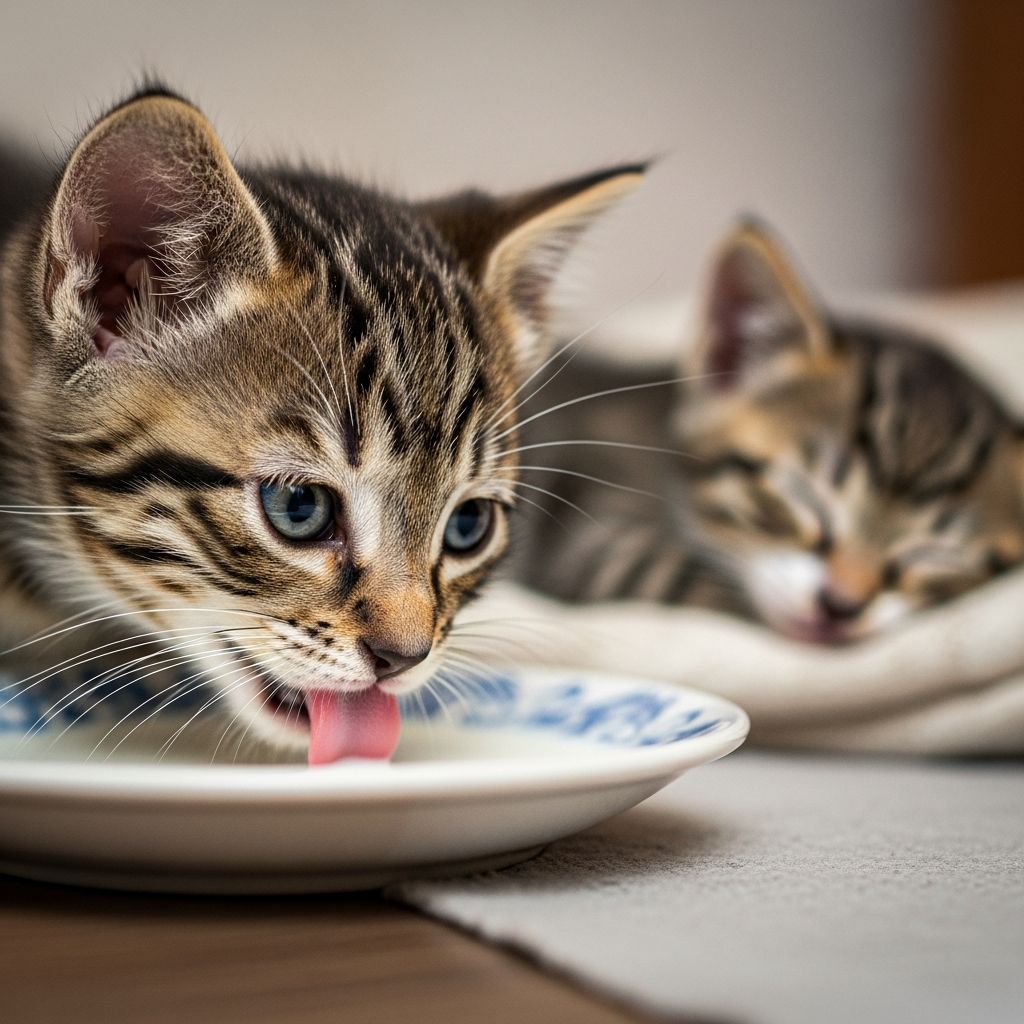
Kittens typically begin weaning between four and six weeks of age, though they may still occasionally taste their mother’s milk during this transition period. At four weeks, it is an excellent time to slowly introduce wet food to complement their mother’s milk. When introducing kitten food, choose high-quality wet food formulated specifically for kittens, as it provides essential nutrients and is easier for developing digestive systems to process.
At five weeks, a kitten’s digestive tract is usually developed enough to handle wet kitten food more completely. By this age, kittens should be consuming appropriate kitten food four to five times daily, depending on their size. Most kittens fully wean from their mother’s milk between six and eight weeks of age.
Transition to Semi-Moist and Dry Foods
By seven weeks of age, completely weaned kittens can begin to incorporate semi-moist or dry kitten food as treats and snacks. However, it is important to avoid feeding kittens only dry food, as the lack of moisture can lead to dehydration, urinary tract infections, and kidney problems. Dry kibble also contains more calories than wet food, and overconsumption can create unhealthy eating habits that lead to obesity and related health issues.
By nine weeks of age, kittens should complete their transition to solid kitten food and be fed quality kitten food formulated for their life stage. This continued feeding of kitten-specific food is essential until they reach adulthood, as kittens require higher protein and fat content to support their rapid growth and development.
Nutritional Considerations for Developing Taste
Understanding how a kitten’s taste development intersects with their nutritional requirements is essential for supporting healthy growth. During critical growth phases, kittens require specific nutrients that their developing taste buds are learning to identify and prefer.
Protein and Essential Amino Acids
Kittens require high levels of protein and essential amino acids to support their rapid growth and development. Quality kitten foods are specifically formulated to provide these nutrients in appropriate proportions. As kittens’ taste buds develop, exposing them to nutrient-dense foods during the weaning process helps establish preferences for nutritionally complete meals throughout their lives.
Hydration and Moisture Content
When introducing kitten food, providing enough water to prevent dehydration, indigestion, and constipation is critical. Kittens fed primarily wet food receive much of their hydration from their meals, which is more aligned with their natural dietary patterns. This is particularly important during the transition from mother’s milk, which has significant water content, to solid foods.
Common Questions About Kitten Taste Development
Q: When do kittens’ taste buds fully develop?
A: Kittens’ taste buds begin developing at birth and show significant maturation by three to four weeks of age. By the fourth week, their sense of smell is fully mature, and their taste perception has substantially improved. However, taste preferences continue to refine throughout their first year of life as they experience different foods and flavors.
Q: Can kittens taste sweetness like humans do?
A: No, kittens and adult cats lack taste receptors for sweetness. This is why cats show little to no interest in sweet foods. Their taste buds are primarily attuned to detecting amino acids and other flavor compounds found in meat, which is appropriate for their natural carnivorous diet.
Q: How can I tell if my kitten likes a particular food?
A: Kittens typically display clear preferences through their eating behavior. They will eagerly consume foods they enjoy and may refuse or eat slowly from foods they dislike. Purring, enthusiastic eating, and returning to their food bowl are positive indicators. Additionally, their energy level and overall health can indicate whether they are receiving appropriate nutrition.
Q: Is it normal for kittens to refuse certain foods?
A: Yes, it is completely normal for kittens to have food preferences as their taste buds develop. Some kittens prefer certain textures or temperatures. If a kitten refuses food but appears healthy, try offering different formulations of kitten food. However, if refusal is accompanied by other symptoms such as lethargy or digestive issues, consult your veterinarian.
Q: What should I do if my kitten won’t eat solid food during weaning?
A: If your kitten is resistant to solid food during the weaning process, try mixing wet kitten food with kitten formula to create a familiar taste and consistency. Warm the food slightly to mimic the temperature of mother’s milk. Gradually decrease the formula and increase the solid food ratio over time. If your kitten continues to refuse food, consult your veterinarian to rule out underlying health issues.
Supporting Healthy Taste Development
As a kitten owner, you play an important role in supporting healthy taste development and establishing positive feeding patterns. Providing high-quality, kitten-specific nutrition during critical developmental periods sets the foundation for a lifetime of healthy eating habits.
Introduce new foods gradually during appropriate developmental windows, and always choose foods formulated specifically for kittens. Monitor your kitten’s response to new foods and adjust as needed based on their preferences and digestion. Remember that while kittens have fewer taste buds than humans, their taste preferences are real and meaningful to them. By understanding your kitten’s taste development and respecting their individual preferences, you support both their nutritional needs and their overall well-being.
References
- Kitten Development Week by Week — Untamed Cat Food. 2024. https://untamed.com/blogs/cat-care/kitten-development
- Kitten Development by Week — PrimaCat. 2024. https://www.primacat.com/en/cat-facts/cats-behaviour-and-training/kitten-development-week
- Developmental Stages of Kitten Behavior — Seattle Humane. 2024. https://www.seattlehumane.org/resource-library/developmental-stages-of-kitten-behavior/
- Preparing for Your Kitten’s Developmental Milestone — All Creatures Veterinary Clinic. 2024. https://www.allcreaturespomona.com/veterinary-articles/preparing-for-your-kitten-s-developmental-milestone
- Developmental Stages of Kittens — Longmont Humane Society. 2024. https://www.longmonthumane.org/wp-content/uploads/2020/09/DEVELOPMENTAL_STAGES_OF_KITTENS.pdf
- Kitten Growth Timeline by Week — Hill’s Pet Nutrition. 2024. https://www.hillspet.com/cat-care/new-pet-parent/kitten-growth-timeline-by-week
- How Old Is That Kitten? Kitten Progression: At-a-Glance — Alley Cat Allies. 2024. https://www.alleycat.org/resources/kitten-progression/
Similar Articles








Read full bio of Sneha Tete