

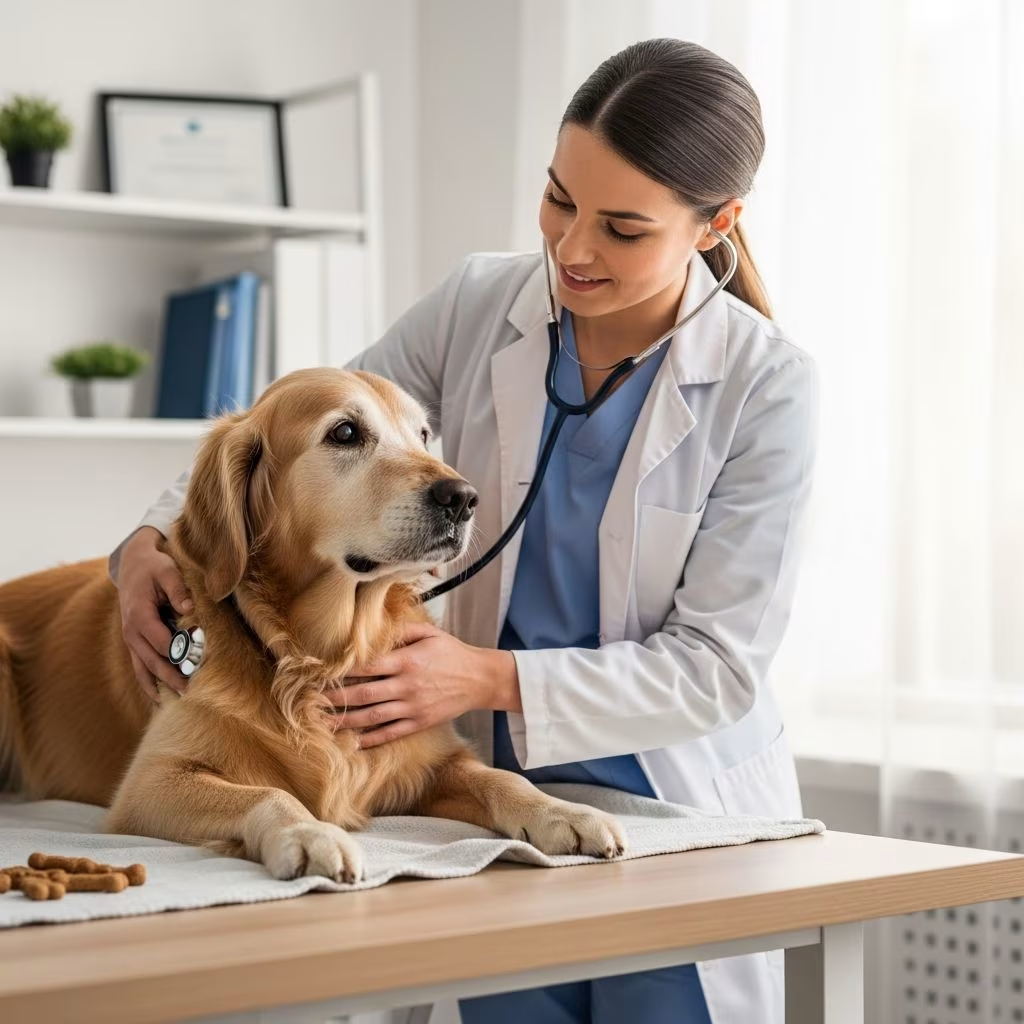
As dogs enter their golden years, typically starting at age 7 for most breeds, their health needs shift dramatically. Regular senior wellness checks become crucial for early detection of age-related issues, allowing for timely interventions that can significantly extend and enhance their quality of life. Veterinarians universally recommend transitioning to biannual checkups—every six months—instead of annual visits, as seniors age faster and subtle changes can signal serious conditions.
What Counts as a “Senior” Dog?
The age at which a dog is considered senior varies by breed size. Small breeds (under 20 pounds) often remain youthful until 11-12 years, medium breeds around 10 years, and large or giant breeds may enter seniority as early as 5-7 years. This is because larger dogs experience accelerated aging due to higher metabolic rates and greater wear on joints and organs. The initial senior assessment, ideally at age 7 for most dogs, establishes a health baseline through physical exams, bloodwork, and possibly imaging to spot early signs like organ stress or mobility decline. Recognizing your dog’s senior status prompts proactive care, including adjusted diets for weight management and joint support.
Why Biannual Vet Checkups Matter for Senior Dogs
Unlike younger dogs with resilient systems, seniors are prone to chronic conditions like kidney disease, diabetes, arthritis, heart issues, and cancer, which can develop rapidly. Biannual exams enable veterinarians to monitor changes closely, catch warning signs early, and adjust treatments or diets accordingly. For instance, a slight weight fluctuation or subtle limp might indicate diabetes or arthritis, respectively—issues far more treatable when addressed promptly. These visits also include vaccine updates, parasite prevention, and discussions on lifestyle modifications, ultimately preventing costly emergencies and maximizing comfort in later years.
What Happens During a Senior Dog Wellness Check?
A comprehensive senior wellness exam is a thorough head-to-tail evaluation designed to assess every system. Here’s what to expect:
- Full Physical Examination: The vet checks eyes, ears, nose, throat, heart, lungs, abdomen, skin, coat, joints, and overall body condition, palpating for lumps, pain, or abnormalities. Vision, hearing, and neurological function are tested, as age-related declines like nuclear sclerosis (a common eye clouding) are common.
- Weight and Body Condition Scoring: Monitors for muscle loss (sarcopenia), obesity, or unexplained changes, which signal metabolic issues or poor nutrition.
- Dental and Oral Health Evaluation: Inspects for gum disease, tooth decay, tartar buildup, or loose teeth—prevalent in 80% of dogs over age 3, worsening with age and potentially leading to systemic infections.
- Mobility and Arthritis Assessment: Evaluates gait, joint flexibility, and pain responses to detect osteoarthritis, affecting up to 90% of dogs over 8 years.
- Vital Signs and Heart/Lung Check: Listens for murmurs or irregular rhythms, common in aging hearts.
These hands-on checks provide immediate insights, often leading to recommendations for further diagnostics.
Diagnostic Tests for Senior Dogs
Beyond the physical, lab tests are cornerstones of senior wellness, revealing hidden issues invisible externally. VCA Animal Hospitals outlines four main categories: complete blood count (CBC), biochemistry profile, urinalysis, and thyroid testing, recommended biannually or more frequently based on health.
| Test | Purpose | Common Findings in Seniors |
|---|---|---|
| Complete Blood Count (CBC) | Evaluates red/white blood cells, platelets | Anemia, infections, clotting issues, early cancer indicators |
| Biochemistry Profile | Assesses organ function (liver, kidneys), electrolytes, proteins, glucose | Kidney disease, diabetes, liver dysfunction |
| Urinalysis | Checks urine concentration, pH, crystals, bacteria | UTIs, kidney failure, diabetes, dehydration |
| Thyroid Hormone Testing | Measures T4 levels | Hypo/hyperthyroidism affecting energy, weight |
| Blood Pressure | Screens for hypertension | Organ damage risk from kidney/heart disease |
Additional tests like X-rays for joints/lungs, fecal exams for parasites, or advanced imaging may be advised. Semi-annual bloodwork establishes baselines, making deviations easier to spot.
At-Home Wellness Checks: What to Monitor Daily
Between vet visits, owners play a vital role in monitoring. Perform weekly at-home checks to catch issues early:
- Observe Behavior: Changes in appetite, thirst, energy, or sleep patterns can signal pain, illness, or cognitive dysfunction.
- Check Eyes, Ears, Nose: Look for discharge, cloudiness, odors, or redness.
- Examine Mouth: Note bad breath, drooling, or bleeding gums.
- Palpate Body: Feel for new lumps, skin changes, or tender areas; monitor abdomen for bloating.
- Assess Mobility: Watch for limping, hesitation on stairs, or reluctance to jump—quarterly mobility checks are ideal.
- Track Weight and Hydration: Weigh monthly; ensure gums are moist and pink.
- Gum Check: Lift lips—healthy gums are salmon-pink, not pale, red, or sticky.
Keep a journal of observations to share with your vet, enhancing exam accuracy.
Common Age-Related Health Issues and How Checkups Help
- Arthritis/Joint Disease: Affects mobility; exams lead to pain meds, supplements like glucosamine, weight control.
- Dental Disease: Annual evaluations may prompt cleanings to prevent heart/kidney complications.
- Kidney/Liver Disease: Bloodwork detects early; diet changes slow progression.
- Diabetes: Glucose checks and urinalysis enable management via insulin/diet.
- Heart Disease: Auscultation catches murmurs; meds improve longevity.
- Cancer: Lumps and blood anomalies prompt biopsies.
Regular checks facilitate tailored plans, like senior diets rich in antioxidants or hydrotherapy for joints.
Senior Dog Nutrition and Lifestyle Tips
Post-checkup, vets often recommend senior-specific food: lower calories to combat weight gain, higher protein for muscle maintenance, omega-3s for joints/skin, and added fiber for digestion. Gentle exercise—short walks, swimming—preserves mobility without strain. Home mods like ramps, orthopedic beds, and non-slip floors enhance comfort. Parasite control and adjusted vaccines (e.g., every 3 years for some) remain essential.
Frequently Asked Questions (FAQs)
Q: How often should senior dogs get wellness checkups?
A: Every 6 months (biannual) to monitor rapid age-related changes.
Q: What if my senior dog seems healthy—do they still need bloodwork?
A: Yes, it detects silent issues like organ decline; baselines aid future comparisons.
Q: Can I do vet-level checks at home?
A: Basic monitoring yes, but professional diagnostics are irreplaceable.
Q: When does a dog become ‘senior’?
A: Around 7 years for most, earlier for large breeds.
Q: Are vaccines necessary for seniors?
A: Core vaccines yes, tailored to lifestyle/health.
References
- How Often Should a Senior Pet Get a Check-Up? — Riverbend Pet Veterinary Clinic. 2023. https://www.riverbendpet.com/how-often-should-a-senior-pet-get-a-check-up/
- Senior Dog Health: 6 Key Wellness Check Intervals — Greystanes Veterinary Clinic. 2024. https://www.greystanesvet.com.au/post/senior-dog-health-6-key-wellness-check-intervals
- Senior Dog Care: Your Guide to Your Dog’s Yearly Checkup — Homeward Bound Veterinary Services. 2023. https://homewardboundvetservices.com/blog/senior-dog-care-your-guide-to-your-dogs-yearly-checkup-in-bel-air
- Senior Dog Care: A Focus on Silver Snouts and Aging Dog Wellness — Cincinnati Family Vet. 2024. https://www.cincinnatifamilyvet.com/services/dogs/blog/senior-dog-care-focus-silver-snouts-and-aging-dog-wellness
- Wellness Testing for Senior Dogs — VCA Animal Hospitals. 2024-10-01. https://vcahospitals.com/know-your-pet/wellness-testing-for-senior-dogs



