

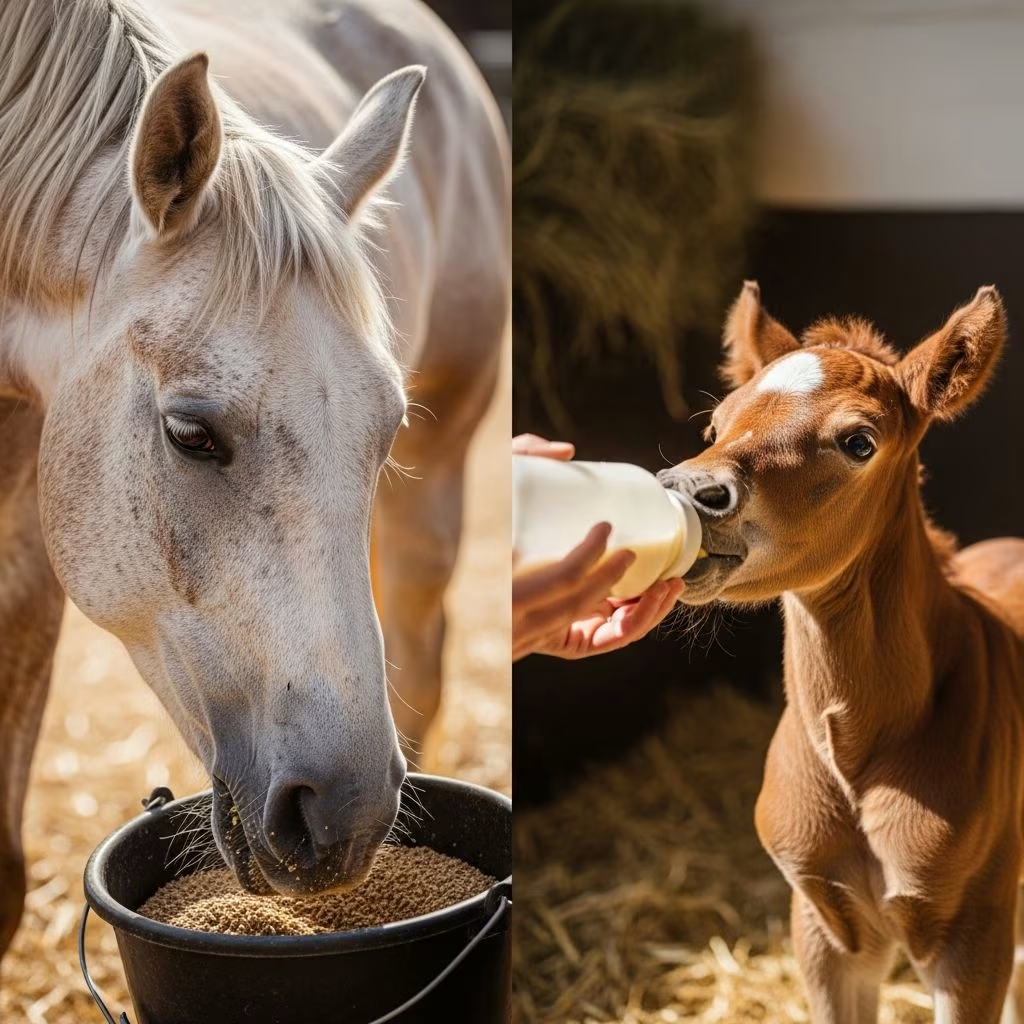
Providing proper nutrition to senior horses and orphan foals demands careful attention to their unique physiological requirements. Aging equines often face challenges like reduced chewing efficiency and altered digestion, while young foals without dams require precise milk replacers and weaning strategies to support rapid growth.
Understanding Age-Related Changes in Horses
As horses enter their senior years, typically beyond 20 years, several physiological shifts impact their ability to process food effectively. Tooth wear leads to uneven mastication, reducing saliva production and forage breakdown. Digestive efficiency for fiber, protein, and minerals declines, potentially causing weight loss or muscle wasting despite adequate intake.
Horses with **pituitary pars intermedia dysfunction (PPID)** or insulin resistance need diets low in non-structural carbohydrates (NSC under 10-12%) to manage metabolic issues. Regular veterinary assessments, including dental exams every six months, help identify these changes early.
Key Dietary Principles for Aging Equines
Focus on **highly digestible feeds** with elevated protein (12-16% crude protein) and fat content to compensate for inefficiencies. Energy-dense options like beet pulp or oil top-dressings provide calories without excess starch.
- Maintain constant forage access, adapting form for dental limitations: soaked cubes, pellets, or complete senior feeds.
- Balance minerals, prioritizing vitamin E, copper, zinc, and selenium to support immunity and muscle health.
- Incorporate loose salt (30-60g daily) and encourage hydration by soaking feeds.
Sample Feeding Plans for Different Conditions
Tailor rations based on body condition, activity, and health status. Below are example daily diets for a 500kg horse.
| Condition | Daily Ration | Key Benefits |
|---|---|---|
| Healthy Maintenance (Light Work) | 10.5kg mixed grass-legume hay (10% CP) 450g beet pulp 100g ground flaxseed 30g salt | 92-100% energy needs met; supports topline with digestible fiber |
| Overweight/Insulin Resistant | 9kg grass hay (8% CP) 200g ration balancer 30g salt | NSC at 6.8%; promotes safe weight loss while meeting protein (108%) |
| Underweight/Poor Dentition | 3.5kg mixed hay 5kg soaked timothy-alfalfa cubes 450g beet pulp | High-calorie, easy-to-chew; aids weight gain and hindgut health |
Analyze hay for nutrient gaps and adjust with balancers containing lysine and threonine for muscle maintenance.
Addressing Common Health Challenges
Senior horses prone to **parasites, EMS, or organ dysfunction** require targeted adjustments. For kidney issues, limit calcium and phosphorus with grass hay and avoid legumes. Liver-compromised equines benefit from moderate protein (10%) and B-vitamin boosts.
Gut support via prebiotics, probiotics, or yeast enhances nutrient absorption, especially in cases of loose manure or malabsorption. Monitor body condition scores (BCS 5-6 ideal) bi-monthly and weigh feeds for precision.
Transitioning to Senior Feeds
Complete senior feeds, developed from 1990s research showing digestibility declines, offer 100% fortified nutrition. Opt for those with 7-10% fat, high fiber, and low sugar/starch. Studies confirm improvements in blood markers and weight gain. Introduce gradually over 7-10 days to prevent digestive upset.
Caring for Orphan Foals: Nutritional Foundations
Orphan foals, separated from mares due to rejection or death, face high mortality without prompt intervention. Colostrum replacement within 12 hours is critical for passive immunity, using plasma, frozen mare colostrum, or commercial products with IgG levels over 3000mg/dL.
Initial Feeding Protocols
Feed foals every 1-2 hours initially (day 1-3), mimicking natural suckling. Use mare milk replacers (20% protein, 20% fat) warmed to 38°C. Bottle volumes start at 10-15% body weight daily, divided into frequent meals.
- Days 1-7: 150-200mL/kg/day; monitor for diarrhea.
- Wean gradually at 2-3 months when consuming 1kg creep feed/100kg body weight.
| Age | Feed Frequency | Daily Volume (% BW) |
|---|---|---|
| 0-3 days | Every 1-2 hrs | 15-20% |
| 1-4 weeks | Every 3-4 hrs | 20-25% |
| 1-3 months | 4-6 times/day | 25% |
Growth Support and Weaning
Introduce solid feeds at 7-10 days: high-quality legume hay and foal-specific pellets (18% protein). Provide free-choice minerals and ensure socialization with peers. Vaccinate and deworm per vet schedule to bolster immunity.
Challenges include scours from bacterial overgrowth; treat with electrolytes and probiotics. Long-term, aim for 0.8-1kg daily gain to reach 50% adult weight by weaning.
Monitoring and Veterinary Integration
Regular fecal egg counts, bloodwork for PPID/EMS, and dental floats guide adjustments. Track intake, manure consistency, and BCS. For groups, use feeders allowing slow eaters access without bullying.
FAQs
What signs indicate my senior horse needs a diet change?
Quidding hay, weight loss despite feeding, poor coat, or muscle loss signal adjustments. Consult a vet for diagnostics.
Can senior horses eat pasture?
Limited pasture suits non-metabolic seniors; restrict for EMS/PPID to prevent laminitis.
How much oil can I add to a thin senior’s diet?
Up to 1 cup (240mL) vegetable oil daily boosts calories safely; introduce slowly.
What if my orphan foal refuses milk replacer?
Try different nipples, warm slightly, or mix with electrolyte solution. Tube-feed if needed under vet guidance.
Are senior feeds safe for all older horses?
Yes for most, but customize for organ disease; hay analysis ensures balance.
References
- How to Best Feed a Senior Horse [9-Step Guide] — Mad Barn. 2023. https://madbarn.com/how-to-feed-a-senior-horse/
- Nutrition of the aged horse — PubMed (J Am Vet Med Assoc). 2009-04-15. https://pubmed.ncbi.nlm.nih.gov/19303557/
- From Sport to Senior: Your Horse’s Changing Nutritional Needs — Nutrena World. 2023. https://nutrenaworld.com/blog/horses/from-sport-to-senior-your-horses-changing-nutritional-needs/
- Care for the Older Horse: Diet and Health — Rutgers Equine Science Center (.edu). 2022. https://esc.rutgers.edu/fact_sheet/care-for-the-older-horse-diet-and-health/
- Feeding Horses Well Into Their Senior Years — Purina Animal Nutrition. 2023. https://www.purinamills.com/horse-feed/education/detail/feeding-horses-well-into-their-senior-years
- What To Feed Senior Horses With Dental and Digestive Dysfunction — The Horse. 2022. https://thehorse.com/1108978/what-to-feed-senior-horses-with-dental-and-digestive-dysfunction/
- Q&A: Nutritional Help for Very Old Horses — Kentucky Equine Research. 2023. https://ker.com/equinews/answer/nutritional-help-very-old-horses/



