

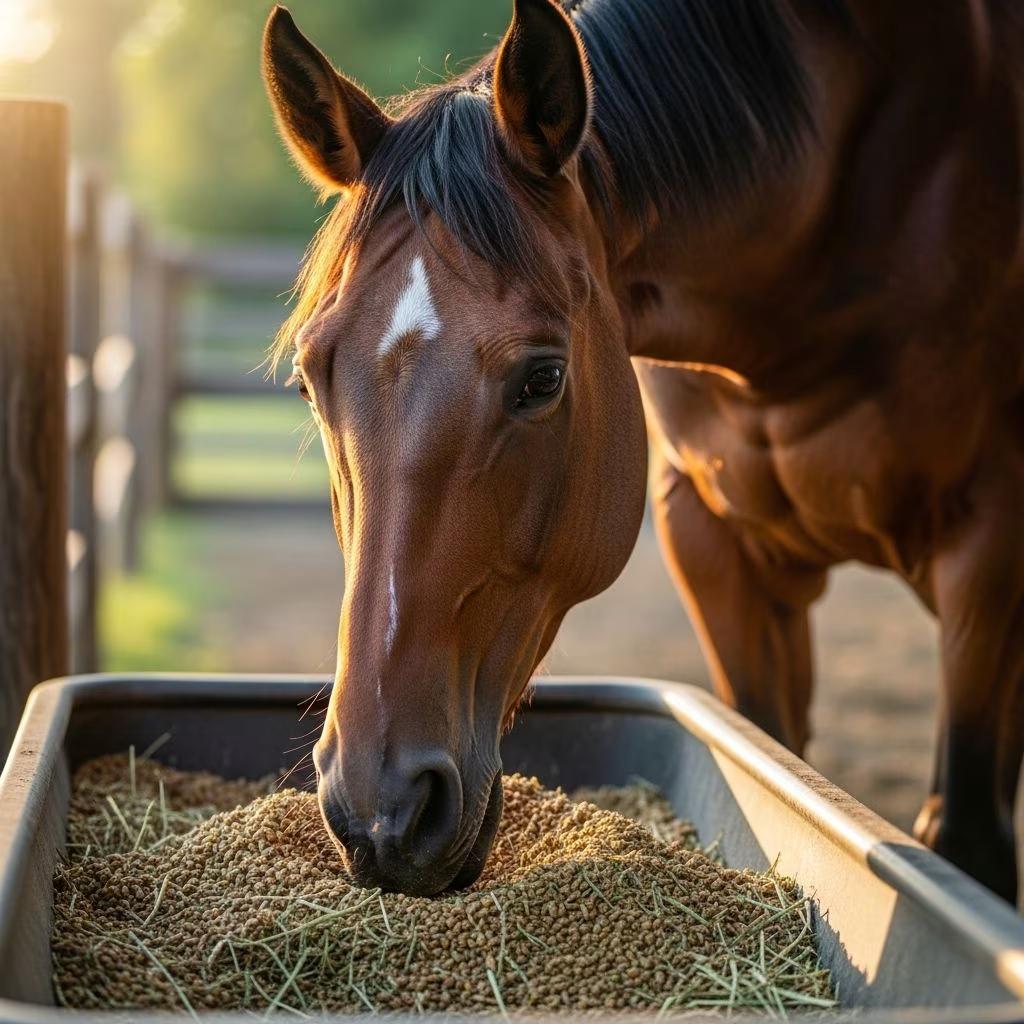
Senior Horse Feed: Complete Nutritional Guidance for Aging Equines
As horses age, their nutritional requirements change significantly. Senior horses often face challenges with chewing and digestion that require specially formulated diets to maintain optimal health and body condition. Senior horse feed is specifically designed for horses who have trouble chewing or digesting feed appropriately, ensuring they receive the essential nutrients needed to thrive during their golden years.
Understanding Your Senior Horse’s Nutritional Needs
Senior horses require a carefully balanced diet that addresses their unique challenges. The key to successful senior horse nutrition is understanding which nutrients matter most and why they become increasingly important as horses age.
Key Nutrients for Senior Horses
Several critical nutrients form the foundation of a healthy senior horse diet:
Protein: Senior horses frequently struggle with a loss of muscle mass or poor topline. Quality protein supports muscle maintenance and repair, helping older horses retain their muscular condition even as their metabolism changes. Many senior horses require additional protein sources to maintain optimal muscling and overall health.
Fiber: Essential for digestive health, fiber becomes increasingly important for senior horses. However, alternative fiber sources like beet pulp or hay cubes are often easier to chew and digest than traditional long-stem hay. These alternatives maintain the critical fiber content while accommodating dental limitations.
Fat: For most senior horses, complete feeds should contain high fiber and fat with low levels of sugar and starch (less than 10% total). Fat provides calorie-dense energy that helps maintain weight without requiring horses to consume excessive quantities of food.
Carbohydrates: These provide energy and help maintain weight. However, senior feeds should focus on highly digestible carbohydrate sources rather than simple sugars and starches.
Vitamins and Minerals: Antioxidants such as vitamin E and selenium support immune function. Senior horses often need higher vitamin and mineral fortification than maintenance feeds. Addressing specific deficiencies—such as zinc, copper, and selenium—becomes crucial for aging horses, especially those with health conditions that impact nutrient absorption.
Hydration: Senior horses may drink less water than younger horses, making hydration critical. Offering soaked feeds can encourage water intake while making food easier to consume.
Essential Forage Options for Senior Horses
Forage should remain the foundation of your senior horse’s diet whenever possible. Nutritionists recommend that all horses consume 1.5–2% of their body weight in grass or hay each day.
High-Quality Hay
For seniors who can still chew long-stemmed hay, selecting high-quality options remains essential. Mixed grass-legume hay provides excellent nutrition, though some senior horses may benefit from lower-quality grass hay if they need to lose weight. Avoid straight alfalfa for horses with kidney concerns, as its high calcium content may exacerbate kidney function issues.
Forage Alternatives
For seniors who struggle with regular long-stemmed hay, several forage alternatives offer comparable nutrition in easier-to-consume forms:
Soaked Hay Cubes and Pellets: These soften and become easier to chew when moistened. Timothy-alfalfa cubes or alfalfa pellets that are soaked create soft, hydrating, nutrient-rich meals suitable for horses with poor dentition.
Beet Pulp: This highly digestible fiber source supports hindgut health while providing additional calories. Beet pulp can be fed wet or soaked and is an excellent choice for horses needing weight gain without excessive forage intake.
Soybean Hulls: Another highly digestible fiber source, soybean hulls provide calories while supporting digestive health, making them ideal for senior horses requiring energy-dense diets.
Straw: In some cases, straw may be added to feeding plans to support species-appropriate foraging behaviors while limiting calorie content for weight management.
Complete Senior Horse Feeds and Concentrates
A well-formulated senior horse feed should contain specific characteristics that address the unique needs of aging horses. These feeds typically feature pelleted or extruded grains that are highly digestible.
Ideal Senior Feed Characteristics
Look for senior feeds with the following specifications:
Protein Content: Senior concentrates should contain 12–16% protein from high-quality sources like soybean meal, alfalfa products, and individual amino acids. This higher protein level helps compensate for age-related muscle loss.
Fiber Percentage: Senior feeds should have a fiber percentage higher than 12%, supporting digestive health and providing sustained energy.
Fat Content: High-fat formulations provide safe, calorie-dense energy for horses needing weight gain. Look for feeds containing at least 8–10% fat.
Sugar and Starch Levels: Senior feeds should contain less than 10% total sugar and starch, particularly important for insulin-resistant horses.
Added Digestive Aids: Feeds containing yeast cultures, prebiotics, and probiotics may improve fiber and phosphorus digestion in senior horses, enhancing overall nutrient utilization.
When using senior or complete feeds, the feeding recommendations must be followed carefully. A common cause of vitamin and mineral deficiencies in equine diets is feeding too little of a complete feed.
Targeted Supplements for Senior Horses
Once you’ve designed a balanced diet meeting your senior horse’s fiber and calorie needs, adding targeted nutritional supplements can help fill dietary gaps and address specific health concerns.
Protein and Amino Acid Supplements
To maintain topline, provide quality protein and key amino acids, especially lysine and threonine. Supplemental amino acids help support muscle maintenance, particularly if health conditions impair digestion. However, excessive protein should be avoided to prevent unnecessary stress on kidney function.
Fat Sources
Vegetable oil or rice bran provide safe, calorie-dense energy for horses needing to gain weight. Oils such as flax, canola, or omega-3 oil are appropriate for adding calories, with omega-3 oils offering additional benefits for joint and coat health.
Joint Support Supplements
Research-backed joint supplements like glucosamine can aid mobility and comfort for seniors with arthritis, a common condition in aging horses.
Vitamin and Mineral Premixes
Fill vitamin-mineral gaps by supplementing with targeted nutrients like vitamin E, zinc, copper, and selenium. These support immune function and address deficiencies that may develop due to reduced feed intake or poor absorption.
Feeding Strategies for Different Senior Horse Conditions
Senior horses have varied needs based on their individual body condition and health status. Different feeding approaches support specific goals.
Active Senior Horses with Healthy Weight
Active, senior horses with no underlying health conditions and that are maintaining healthy weight should be fed a diet providing close to 100% of their energy requirement. This can be achieved by feeding mixed grass-legume hay as well as additional energy sources. Highly digestible fiber sources such as beet pulp or soybean hulls are good choices for providing calories while supporting hindgut health.
Underweight Senior Horses
Thin senior horses benefit from energy-dense forage such as mixed grass-legume hay combined with high-calorie supplements. Ground flax, rice bran, and oils provide additional calories, while soaked timothy-alfalfa cubes offer adequate protein and energy in easily digestible forms.
Overweight and Insulin-Resistant Horses
Overweight horses should be given lower-quality grass hay to support weight loss without restricting forage intake. Weight loss diets for insulin-resistant horses should maintain 12–14% protein and 7–10% fat while keeping digestible carbohydrates low.
Horses with Specific Health Conditions
Senior horses with kidney failure require restricted calcium, protein, and phosphorus. Grass hay and corn might comprise the diet, with complete feeds designed for adult (not aged) horses, while legumes, wheat bran, and beet pulp should be avoided. Horses with liver failure need restricted protein but increased starch, B-vitamins, and vitamin C, with legumes and high-fat rations avoided.
Practical Feeding Guidelines
Implementing a successful senior feeding program requires attention to several practical considerations that go beyond nutrition alone.
Forage as Foundation
Forages and long-stem hay should form the foundation of all horse diets. Horses should be fed a minimum of 1.5% bodyweight in forage per day. For a 1,000-pound horse, this equals approximately 15 pounds of forage daily. Selecting high-quality forage appropriate to your horse’s individual needs is essential.
Water and Salt
Hydration should be supported with soaked feeds and daily loose salt, about 1–2 ounces (30–60 grams). Many older horses drink less, making proactive hydration strategies essential.
Feed Management and Accessibility
Ensure low-status seniors can access feed and water without competition from other horses. Some senior horses may require separate feeding areas or stalls to ensure adequate nutrition.
Regular Monitoring
Regularly assess your senior horse’s body condition, topline, and overall health. Adjust feeding programs based on seasonal changes, activity level, and individual response to current diets.
Frequently Asked Questions About Senior Horse Feed
Q: At what age should horses transition to senior feed?
A: While age varies by individual, horses typically transition to senior feed around 20 years old or earlier if they develop dental problems or other age-related challenges. Some horses may need senior feed as early as 15–17 years if they have specific health conditions.
Q: Can younger horses eat senior feed?
A: Yes, younger horses with dental problems, poor digestion, or other health conditions can benefit from senior feed. The key is addressing the individual horse’s needs rather than age alone.
Q: How much senior feed should I give my horse daily?
A: Feeding recommendations vary by product and individual horse needs. Most senior feeds require feeding at least 0.6 pounds per 100 pounds of body weight daily. A 1,000-pound horse would need at least 6 pounds daily. Always follow manufacturer recommendations and adjust based on body condition.
Q: What’s the difference between senior feed and regular horse feed?
A: Senior feeds are specifically formulated with higher digestibility, lower sugar and starch, added digestive aids, and higher protein and fat content. They’re processed into forms that are easier to chew and digest, addressing the specific challenges aging horses face.
Q: Should I soak senior pellets before feeding?
A: While not always necessary, soaking senior pellets can make them easier to chew and encourage water intake. Some horses with severe dental problems benefit from soaking, while others with adequate teeth may not require it.
Q: How do I know if my senior horse is getting enough nutrition?
A: Monitor your horse’s body condition score, topline, coat quality, and energy level. Consult with an equine nutritionist if you notice weight loss, poor muscle condition, or other signs of nutritional deficiency.
Q: Can senior horses eat pasture?
A: Good quality pasture is excellent for senior horses when available. However, many older horses cannot adequately consume fresh grass due to dental problems, making it important to combine pasture with supplemental hay and concentrates.
Q: What supplements are most important for senior horses?
A: Key supplements include additional protein or amino acids for muscle maintenance, joint supplements for arthritis, vitamin E and selenium for immune support, and omega-3 fatty acids for overall health. Individual needs vary based on specific health conditions.
References
- How to Best Feed a Senior Horse [9-Step Guide] — Mad Barn. 2024. https://madbarn.com/how-to-feed-a-senior-horse/
- Feeding and Nutrition for the Senior Horse — University of Tennessee Institute of Agriculture. 2012. https://utia.tennessee.edu/uthorse/
- Your Complete Guide To Senior Horse Feed — Chewy Education. 2024. https://www.chewy.com/education/horse/feed-and-nutrition/senior-horse-feed
- Care for the Older Horse: Diet and Health — Equine Science Center, Rutgers University. 2024. https://esc.rutgers.edu/fact_sheet/care-for-the-older-horse-diet-and-health/
- Taking Care of the Senior Horse — Kentucky Equine Research. 2024. https://ker.com/equinews/taking-care-of-the-senior-horse/
- Equine Senior Horse Feed: Nutritional Support — Purina Mills. 2024. https://www.purinamills.com/horse-feed/products/detail/purina-equine-senior-horse-feed



