Senior Dog’s Cloudy Eyes: Causes and Care
Understanding why senior dogs develop cloudy eyes and what it means for their health.
Understanding Senior Dog’s Cloudy Eyes
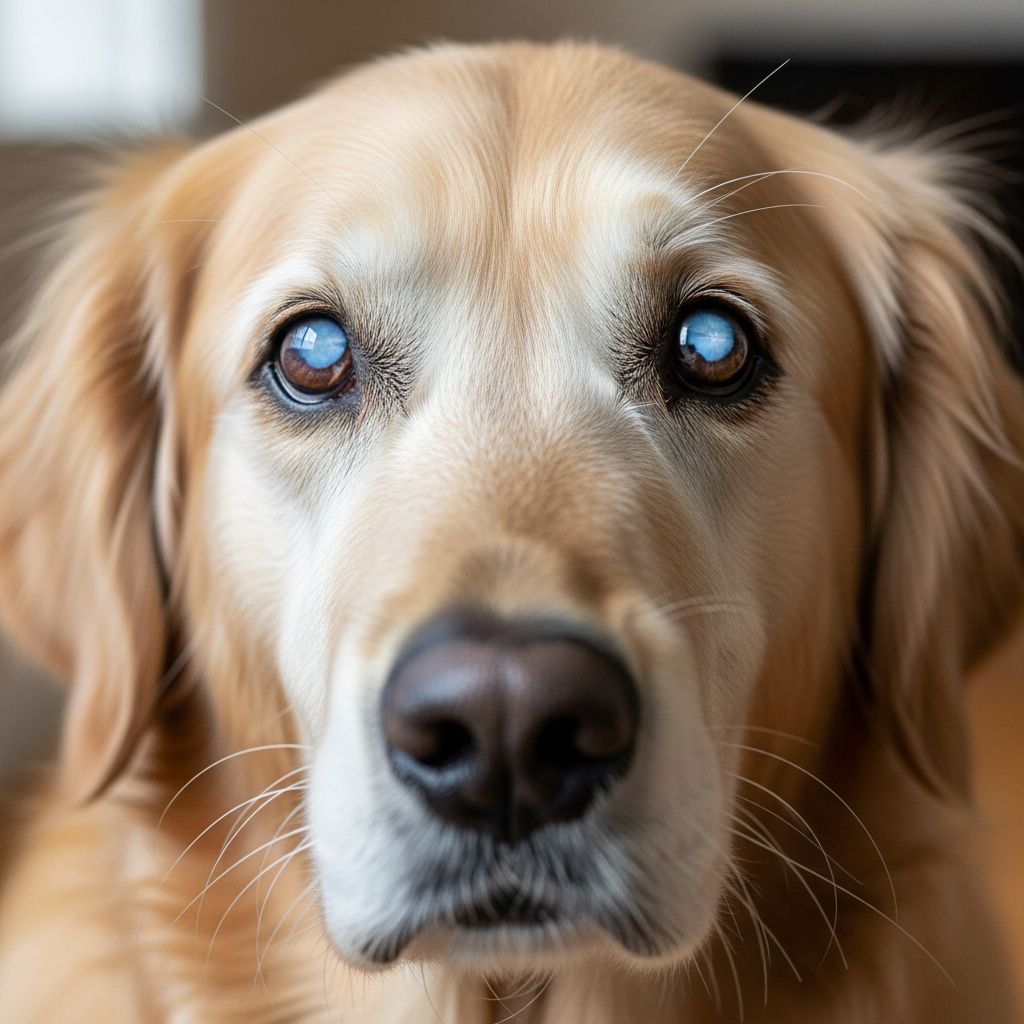
As our beloved canine companions age, we often notice changes in their appearance and behavior. One of the most striking changes that pet owners observe is the development of cloudiness in their senior dog’s eyes. While this phenomenon can be concerning to many dog parents, it’s important to understand that cloudy eyes in aging dogs are remarkably common and don’t always indicate a serious problem. In fact, the blue, hazy appearance that characterizes many senior dog eyes is frequently a completely natural aging change that requires no medical intervention.
This article explores the various causes of cloudy eyes in senior dogs, helping you understand what your aging pet’s eyes are trying to tell you and when professional veterinary consultation becomes necessary.
The Most Common Cause: Nuclear Sclerosis
Among all the conditions that can cause cloudy eyes in senior dogs, nuclear sclerosis (also known as lenticular sclerosis) stands out as the most prevalent and benign. This age-related condition affects the lens of the eye, which is the critical structure responsible for focusing light onto the retina. Understanding nuclear sclerosis is key to reducing unnecessary worry about your senior dog’s vision.
Nuclear sclerosis occurs through a natural biological process that happens in virtually all aging dogs. As your dog grows older, the lens of the eye continuously grows and gradually becomes denser over time. The outer cortex of the lens perpetually produces new lens fibers throughout the dog’s lifetime, causing the central nucleus to compress and harden progressively. This natural hardening creates the distinctive cloudy, blue-gray, or hazy appearance that characterizes senior dog eyes.
The key distinguishing feature of nuclear sclerosis is that while the eyes develop this cloudy appearance, the condition typically does not significantly impair your dog’s vision. Many owners report that their senior dogs with nuclear sclerosis continue to navigate their environments quite well and maintain their quality of life. The cloudiness affects the lens but doesn’t create the same light-blocking effect that other eye conditions produce.
Nuclear sclerosis usually develops symmetrically, meaning both eyes are affected at approximately the same rate and to the same degree. Pet owners who notice this blue haze appearing gradually in their senior dog’s eyes can generally take comfort knowing this is a normal part of the aging process, much like gray hair in humans.
Distinguishing Nuclear Sclerosis from Cataracts
While nuclear sclerosis is benign and age-related, cataracts represent an entirely different category of eye condition that requires careful attention and professional evaluation. Many dog owners inadvertently confuse these two conditions because they can produce superficially similar appearances, yet they differ fundamentally in their nature, progression, and impact on vision.
Cataracts occur when proteins accumulate and cluster within the lens of the eye, creating a bluish or white opaque barrier. Unlike nuclear sclerosis, which merely causes the lens to become denser, cataracts actively block light from entering the eye and reaching the retina. This light-blocking mechanism creates blind spots in your pet’s vision and can eventually lead to partial or complete blindness if left untreated. The severity of vision impairment correlates directly with the size and location of the cataract within the lens.
The causes of cataracts are diverse and extend well beyond simple aging. While age-related cataracts do occur in senior dogs, other significant factors can trigger cataract formation, including genetic predisposition, metabolic diseases such as diabetes mellitus, nutritional deficiencies, eye trauma, certain medications, and chronic inflammatory conditions. Some dog breeds carry genetic vulnerabilities to early cataract development.
When evaluating your senior dog’s cloudy eyes, a veterinarian can typically distinguish between nuclear sclerosis and cataracts through careful examination. The distinction is crucial because cataracts may require medical intervention or surgical treatment, whereas nuclear sclerosis typically requires no treatment beyond routine eye care.
Other Causes of Cloudy Eyes in Senior Dogs
Beyond nuclear sclerosis and cataracts, several other conditions can produce cloudy or hazy eye appearances in aging dogs. Understanding these alternatives is important for comprehensive pet health management.
Keratoconjunctivitis Sicca (Dry Eye)
Keratoconjunctivitis sicca, commonly called dry eye or KCS, is a painful condition that results from inadequate tear production. Tears serve the essential function of maintaining eye lubrication and protecting the corneal surface. When tear production becomes insufficient, the eyes become dry, irritated, and develop a cloudiness or hazy appearance. Dogs with dry eye typically exhibit red, painful eyes and often produce thick, yellow discharge. They may squint frequently, paw at their eyes, or show signs of light sensitivity. Importantly, dry eye is frequently an immune-mediated condition where the body’s own immune system mistakenly attacks the tear-producing glands, disrupting their normal function.
Corneal Dystrophy
Corneal dystrophy encompasses several different conditions affecting the cornea’s various layers, each producing distinct patterns and locations of cloudiness. These conditions include epithelial corneal dystrophy affecting the cornea’s outer surface, stromal corneal dystrophy involving the cornea’s middle layer, and endothelial corneal dystrophy affecting the deepest layer. These dystrophies often appear in particular breed lines and may present as gray, white, or silver opacities in characteristic patterns or throughout the entire cornea. While many dogs with corneal dystrophy experience no symptoms beyond the visible cloudiness, some individuals may develop pain and light sensitivity.
Corneal Ulcers
Corneal ulcers represent injuries or erosions on the corneal surface, typically resulting from physical trauma or infections. These ulcers create cloudiness in specific areas rather than across the entire eye. Corneal ulcers can be quite painful, prompting behaviors such as squinting, pawing at the eye, and excessive blinking. Often, significant ocular discharge accompanies corneal ulcers, and the affected eye may appear red and irritated.
Anterior Uveitis
Anterior uveitis involves inflammation of the middle layer of the eye and can result from autoimmune disease, infections, trauma, or other underlying health conditions. This painful condition produces multiple symptoms including redness, discharge, squinting, an abnormally shaped pupil, eye swelling, excessive tearing, and a cloudy or dull appearance. Because uveitis can lead to vision loss if untreated, prompt veterinary evaluation becomes essential when these symptoms appear.
Associated Symptoms and Warning Signs
While cloudy eyes themselves may be benign in cases of nuclear sclerosis, paying attention to accompanying symptoms helps distinguish between normal aging and conditions requiring veterinary intervention. Pet owners should monitor for the following warning signs:
- Persistent redness in or around the eye
- Excessive tearing or watery discharge
- Thick discharge in clear, yellow, or green colors
- Increased squinting or blinking frequency
- Pawing, rubbing, or scratching at the eyes
- Sensitivity to light
- Apparent vision changes such as bumping into objects or hesitation in dim lighting
- Swelling or bulging of the eye
- Behavioral changes related to vision difficulties
When to Seek Veterinary Care
Understanding when cloudy eyes warrant professional evaluation versus when they represent normal aging is crucial for responsible pet ownership. If your senior dog’s eyes have gradually developed a blue haze and show no other symptoms, this typically indicates nuclear sclerosis and does not require emergency veterinary intervention. However, several scenarios warrant prompt professional examination.
Seek immediate veterinary care if cloudiness appears suddenly rather than gradually, as this may indicate acute conditions requiring treatment. Additionally, if your dog displays any of the warning symptoms listed above—particularly redness, discharge, squinting, or apparent vision loss—professional evaluation becomes important. Dogs showing behavioral changes consistent with vision problems, such as reluctance to move in low light or increased clumsiness, should be examined by a veterinarian. Finally, if you notice progressive vision impairment or changes in your dog’s ability to navigate familiar environments, veterinary assessment is recommended.
Diagnosis and Professional Evaluation
Your veterinarian employs several diagnostic tools to accurately identify the cause of your senior dog’s cloudy eyes. A thorough eye examination using specialized equipment allows detailed visualization of different eye structures. The veterinarian may use an ophthalmoscope to examine the posterior eye structures, a slit lamp to assess anterior eye structures, and tonometry to measure eye pressure. Additional diagnostic tests may include corneal staining to identify ulcers, tear production testing for dry eye conditions, and imaging studies when necessary. In some cases, bloodwork or other systemic evaluations help identify underlying causes such as diabetes that might contribute to eye problems.
Treatment and Management Options
Treatment approaches for cloudy eyes depend entirely on the underlying cause. Nuclear sclerosis, being a natural aging change without vision-threatening consequences, typically requires no specific treatment. Owners can support their senior dog’s eye health through regular gentle cleaning, ensuring appropriate nutrition, and providing antioxidant-rich foods that support ocular health.
Cataracts that significantly impair vision may be managed surgically through cataract removal procedures, which represent the only definitive treatment for restoring vision. Earlier-stage cataracts might be monitored through regular veterinary checks while managing any underlying systemic conditions contributing to their development.
Dry eye conditions respond to various treatment approaches including artificial tear solutions, medications that enhance tear production, and management of underlying immune conditions. Corneal ulcers require prompt treatment with specific ophthalmic medications and sometimes protective measures. Uveitis management targets both symptom relief and treatment of underlying causes, potentially involving topical and oral medications.
Supporting Your Senior Dog’s Eye Health
Beyond professional veterinary care, pet owners can implement several practices to support their aging dog’s overall eye health. Providing a diet rich in antioxidants, omega-3 fatty acids, and vitamins A, C, and E supports ocular function. Maintaining appropriate body weight reduces stress on all body systems, including ocular tissues. Regular, gentle eye cleaning helps prevent infections and irritation. Creating a safe home environment with adequate lighting and minimal hazards helps senior dogs with any degree of vision change navigate successfully. Consistent veterinary check-ups, particularly for senior dogs over age seven or eight, allow early identification of developing conditions.
Frequently Asked Questions
Q: Is nuclear sclerosis the same as cataracts?
A: No, these are distinct conditions. Nuclear sclerosis is a normal aging change causing lens hardening and blue haze without significantly affecting vision. Cataracts involve protein clustering that blocks light and impairs vision. While both can create a cloudy appearance, they differ in cause, progression, and impact on eyesight.
Q: Can nuclear sclerosis be treated or cured?
A: Nuclear sclerosis requires no treatment as it’s a normal part of aging that doesn’t significantly affect vision. Once the lens hardens, the process cannot be reversed, but it typically stabilizes and doesn’t progressively worsen vision in most dogs.
Q: How can I tell if my senior dog’s cloudy eyes are affecting their vision?
A: Observe your dog’s behavior in various lighting conditions. Dogs with vision impairment may bump into objects, hesitate in dim lighting, seem reluctant to navigate stairs or unfamiliar areas, or show increased anxiety. Gradual behavioral adjustments without vision loss are consistent with nuclear sclerosis, while sudden changes warrant veterinary evaluation.
Q: Are certain dog breeds more prone to cataracts?
A: Yes, some breeds have genetic predispositions to early cataract development. Breeds such as Boston Terriers, Chihuahuas, Dachshunds, and others show higher incidence rates. If your dog belongs to a predisposed breed, discuss early screening and monitoring strategies with your veterinarian.
Q: What’s the difference between nuclear sclerosis and dry eye?
A: Nuclear sclerosis creates a gradual blue haze without other symptoms, while dry eye typically causes redness, thick discharge, squinting, and visible discomfort. Dry eye results from inadequate tear production and requires treatment, whereas nuclear sclerosis is asymptomatic beyond the appearance change.
Q: Can diet help prevent or slow cloud eyes in senior dogs?
A: While diet cannot reverse nuclear sclerosis, providing antioxidant-rich foods and omega-3 fatty acids supports overall eye health. Nutrition is particularly important for dogs with other eye conditions or systemic diseases like diabetes that affect eye health.
Q: Should I be concerned if only one eye develops cloudiness?
A: Nuclear sclerosis typically affects both eyes symmetrically. If cloudiness appears primarily in one eye or progresses unevenly, this suggests a different condition warranting veterinary evaluation to determine the specific cause.
References
- Why Are My Senior Dog’s Eyes Cloudy? — VCA Animal Hospitals. https://vcahospitals.com/shop/home/articles/senior-dog-s-cloudy-eyes
- Cloudy Eyes in Dogs: Causes, Symptoms, and Treatments — Wedgewood Pharmacy. https://www.wedgewood.com/blog/cloudy-eyes-in-dogs-causes-symptoms-and-treatments/
- Cloudy Eyes in Dogs: Why Are My Dog’s Eyes Cloudy? — PetMD. https://www.petmd.com/dog/symptoms/cloudy-eyes-in-dogs
- Cloudy Eyes in Dogs: What to Know — American Kennel Club. https://www.akc.org/expert-advice/health/cloudy-eyes-in-dogs/
- Lenticular Nuclear Sclerosis in Dogs: Symptoms & Treatment — Animal Eye Guys. https://www.animaleyeguys.com/site/blog/2024/05/30/nuclear-sclerosis-dogs
- Eye Problems in Senior Dogs and Cats: Glaucoma and More — Banfield Pet Hospital. https://www.banfield.com/Senior-hub/common-health-issues-in-senior-pets/older-dog-cat-eye-problems
- Cloudy Eyes in Dogs: Is It a True Emergency? — Georgia School of Veterinary Science. https://gsvs.org/blog/cloudy-eyes-in-dogs-emergency/
Similar Articles




Read full bio of medha deb