

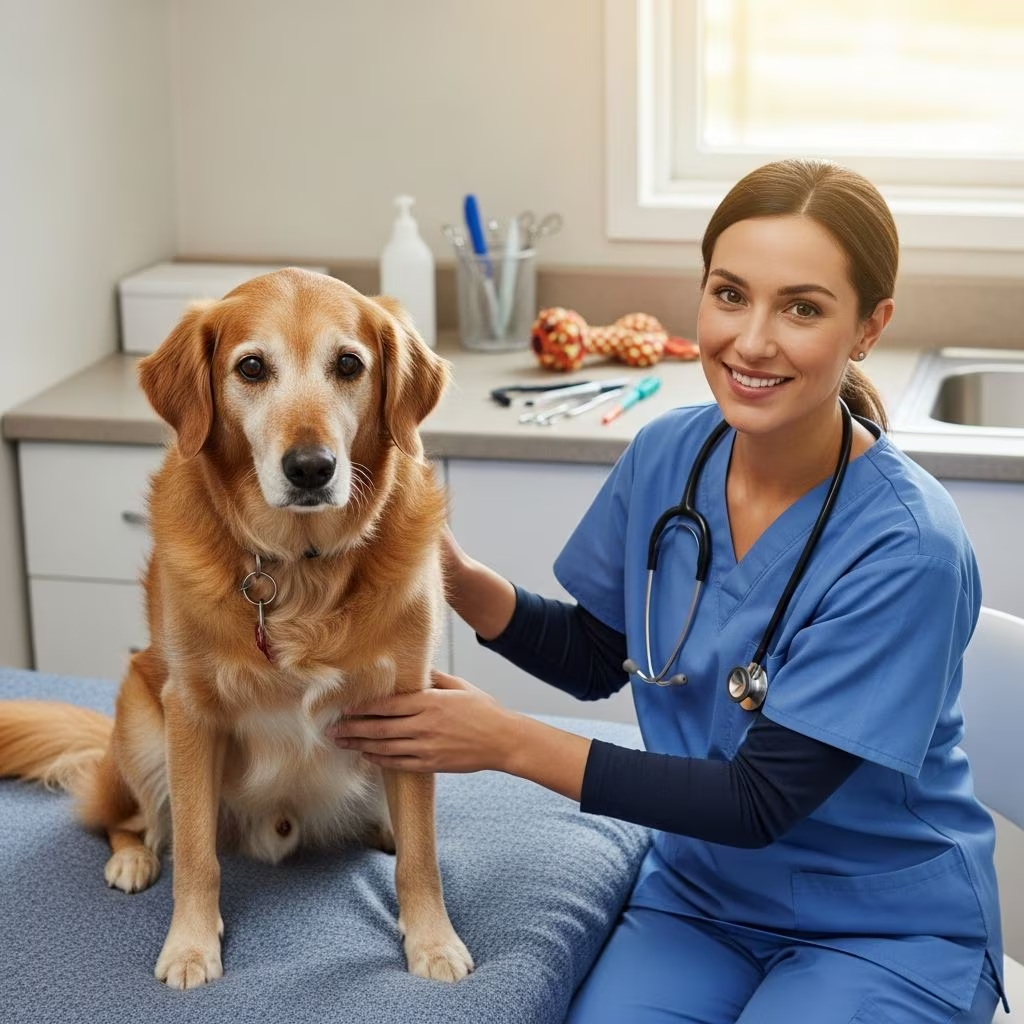
Senior Dog Wellness Checks: A Complete Health Guide for Your Aging Companion
As our beloved canine companions age, their health needs evolve significantly. Senior dogs require more attentive veterinary care to ensure they remain comfortable and healthy throughout their golden years. Understanding the importance of wellness checks and knowing what to expect during these visits is crucial for every dog owner with a senior pet. This comprehensive guide explores everything you need to know about senior dog wellness checks and how they contribute to your dog’s longevity and quality of life.
Why Senior Dogs Need More Frequent Wellness Checks
Senior dogs experience a decline in certain bodily functions and have a higher susceptibility to health issues compared to younger pets. Unlike younger dogs whose systems are more resilient, senior dogs benefit immensely from a tighter monitoring schedule. Regular wellness exams allow veterinarians to monitor significant health indicators like weight, vision, heart function, and detect any developing health issues early. This proactive approach to pet healthcare makes it easier for your veterinarian to detect minor changes that signal the onset of disease or deterioration of an existing condition.
The aging process in dogs can bring about various conditions such as arthritis, dental disease, organ dysfunction, and cognitive changes. By scheduling regular wellness checks, you’re taking a preventive approach that can catch these issues before they become serious problems requiring emergency intervention.
Recommended Schedule for Senior Dog Wellness Checks
Veterinarians widely recommend that senior pets get a full wellness check-up every 6 months. This biannual schedule allows the vet to monitor changes in health more closely, catch early warning signs of disease, and make adjustments to treatments or diet as needed. Following the initial senior assessment, bi-annual health exams become integral for monitoring the progression of age-related changes and intervening promptly when health issues arise.
The initial senior assessment is typically conducted at the age of seven for most dog breeds and is a critical first step in establishing a baseline for your dog’s health and wellness. This comprehensive evaluation is pivotal in recognizing early aging signs that could indicate the need for lifestyle or diet changes.
Additionally, as dogs advance into their senior years, quarterly mobility checks become essential to assess and manage their evolving physical capabilities. These regular assessments provide a crucial opportunity for owners to monitor their beloved companions for signs of stiffness, pain, or discomfort that may indicate underlying joint issues.
Components of a Comprehensive Senior Dog Wellness Check
A thorough wellness check is the cornerstone of senior dog care. Here’s what typically comprises a comprehensive senior dog examination:
Physical Examination
A comprehensive physical exam is essential for assessing your dog’s overall health. During this examination, the veterinarian will meticulously examine your dog from head to tail. This includes checking their weight, muscle tone, coat health, and mobility. The vet will also assess your dog’s vision and hearing, as these senses can diminish with age. Each exam is a thorough, nose-to-tail evaluation, including checks for common age-related conditions like nuclear sclerosis, dental health, arthritis, heart murmurs, and so much more.
The physical examination typically includes:
- Full body examination covering skin, coat, heart, lungs, joints, and abdomen
- Weight monitoring and body condition assessment
- Evaluation of muscle tone and joint mobility
- Vision and hearing assessment
- Lymph node palpation
- Heart and lung auscultation
- Abdominal palpation to check for abnormalities
Dental and Oral Health Evaluation
Dental health is particularly important in senior dogs. Gum disease is a common ailment in senior dogs that can lead to painful infections and may even contribute to more serious health problems if bacteria from the mouth enter the bloodstream. During an annual dental evaluation, veterinarians thoroughly examine your dog’s mouth, checking for any signs of periodontal disease, tooth decay, or other oral health concerns. They look for indicators such as bad breath, red or swollen gums, and loose or broken teeth, which can all suggest the need for immediate attention.
Mobility and Joint Assessment
Early detection of potential health concerns like arthritis is crucial for providing timely intervention and improving your dog’s quality of life. The veterinarian will assess your dog’s gait, range of motion, and signs of pain or stiffness. This evaluation helps identify arthritis and other joint-related issues that are common in aging dogs.
Essential Diagnostic Tests for Senior Dogs
Based on your dog’s age, overall health, and any concerns you may have, your veterinarian may recommend specific diagnostic tests. These tests provide valuable insights into your dog’s internal health and can help diagnose or rule out potential health problems. Semi-annual bloodwork is an indispensable tool for monitoring the internal health of senior dogs, allowing for the early detection of potential medical issues.
Complete Blood Count (CBC)
A complete blood count evaluates red and white blood cell levels, providing information about your dog’s immune system, potential infections, and anemia. This test is adept at uncovering hidden ailments that may not be immediately apparent through a physical examination alone.
Blood Chemistry Panel
Blood chemistry panels assess organ function, including the kidneys, liver, and thyroid gland. These tests establish a baseline for your pet’s normal health parameters, making it easier to spot any deviations that may signal the onset of disease. This proactive approach is particularly crucial in senior dogs, whose resilience to illness may wane over time.
Urinalysis
This test analyzes the composition of your dog’s urine, offering clues about their hydration status, kidney function, and potential urinary tract infections. Urinalysis helps assess kidney function and checks for urinary tract infections or diabetes.
Thyroid Function Testing
Thyroid hormone testing is an important part of wellness testing for senior dogs, as thyroid problems can develop with age and affect overall health and metabolism. Bloodwork typically includes thyroid hormone testing, amongst other diagnostics.
Additional Diagnostic Tools
Depending on your dog’s health status and concerns, your veterinarian may recommend:
- X-rays to reveal problems with bones, joints, lungs, and abdomen
- Blood pressure measurement, as high blood pressure can be a silent problem in senior pets
- Screening for internal and external parasites, which continues to be important in senior pets
- Imaging studies if organ disease is suspected
What Happens During the Wellness Check Discussion
Beyond the physical examination and diagnostic tests, a comprehensive wellness check includes important discussions about your dog’s lifestyle and care:
Diet and Nutrition
Your veterinarian will discuss whether your senior dog’s current diet is appropriate for their age and health status. They may recommend adjustments to support organ function, maintain healthy weight, or address specific health conditions. Your observations about your dog’s eating habits and appetite changes are valuable information for these discussions.
Exercise and Activity Level
The vet will discuss appropriate exercise levels for your senior dog, considering their mobility, joint health, and overall fitness. As dogs age, exercise needs may change, and adjustments should be made to prevent injury while maintaining muscle mass and joint flexibility.
Home Environment and Comfort
Discussions about lifestyle changes extend to home modifications that can improve your senior dog’s comfort and safety. This may include recommendations for orthopedic bedding, ramps or stairs to reduce joint strain, and environmental adjustments to accommodate vision or hearing changes.
Medication and Pain Management
If your senior dog has chronic conditions, your veterinarian will discuss current medications and whether adjustments are needed. For pets with chronic conditions, annual or even more frequent exams allow for close monitoring and adjustment of treatment plans.
Preventive Care and Early Detection Benefits
Regular wellness checks represent prevention over reaction. By adhering to periodic evaluations ranging from mobility assessments to dental care, you can ensure your faithful friends receive the attentive care they deserve during their golden years. The benefits of this proactive approach are significant:
- Early detection of diseases when treatment is most effective
- Prevention of minor issues from developing into serious conditions
- Establishment of health baselines for tracking changes over time
- Opportunity to adjust treatments and diet before problems escalate
- Minimization of the risk of costly emergencies
- Maximization of your pet’s quality of life and comfort
Vaccination and Parasite Control for Senior Dogs
While some senior dogs may require adjustments to their vaccination schedule based on health status and risk exposure, core vaccines should not be neglected. During wellness checks, your veterinarian will evaluate whether your senior dog needs vaccine updates and discuss any modifications to their vaccination protocol based on their individual health status.
Continuing to screen for and prevent internal and external parasites remains important in senior pets. If contracted, parasites can be more harmful in older dogs with potentially compromised immune systems.
Preparing for Your Senior Dog’s Wellness Check
To make the most of your senior dog’s wellness visit, come prepared with relevant information:
- Keep a record of any behavioral changes or health concerns you’ve noticed
- Note any changes in appetite, water consumption, or bathroom habits
- Document any signs of pain, stiffness, or mobility issues
- Bring a list of current medications and supplements
- Be ready to discuss your dog’s diet and exercise routine
- Share information about any recent changes in their living environment
The Role of Owner Observations
Your presence and insights during these exams are invaluable. As your dog’s owner, you spend more time with them than anyone else and are best positioned to notice subtle changes in behavior, mobility, appetite, or other signs that might indicate health issues. Your observations combined with the vet’s expertise form a comprehensive picture of your dog’s health, ensuring that the golden years of your faithful friend are as comfortable and joyful as possible.
Investing in Your Senior Dog’s Health
By investing in preventive pet care through regular wellness checks, you help minimize the risk of costly emergencies and maximize your pet’s quality of life. The cost of regular wellness exams and preventive testing is typically far less than the expense of treating advanced diseases or managing emergencies that could have been prevented with earlier detection.
Maintaining the health of a senior dog necessitates regular monitoring and preventive care. Adherence to established wellness check intervals, including bi-annual health exams, quarterly mobility checks, semi-annual bloodwork, annual dental evaluations, and ongoing vaccination and parasite control, is crucial for early detection and management of age-related conditions.
Frequently Asked Questions About Senior Dog Wellness Checks
Q: At what age should my dog be considered a senior?
A: The initial senior assessment is typically conducted at the age of seven for most dog breeds. However, larger dog breeds may reach senior status earlier, while smaller breeds may not be considered seniors until age nine or ten. Your veterinarian can help determine when your specific dog should transition to senior wellness protocols.
Q: How often should my senior dog have wellness checks?
A: Veterinarians widely recommend that senior pets get a full wellness check-up every 6 months. This biannual schedule allows the vet to monitor changes in health more closely and catch early warning signs of disease.
Q: What if my senior dog is showing signs of illness between wellness checks?
A: If you notice any signs of illness, pain, changes in appetite or bathroom habits, or other concerning symptoms between scheduled wellness checks, contact your veterinarian promptly. These interim visits are important for addressing acute health concerns and should not wait until the next scheduled wellness exam.
Q: Are bloodwork tests necessary for every senior dog wellness check?
A: While comprehensive testing is recommended for senior dogs due to the higher risk of underlying disease, the specific tests recommended may vary based on your dog’s individual health status, age, and any existing conditions. Your veterinarian will determine which tests are most appropriate for your senior dog.
Q: Can I perform wellness checks at home between veterinary visits?
A: While you can observe your dog at home and note any changes in behavior, weight, or mobility, professional wellness checks by a veterinarian are essential. Professional exams include diagnostic capabilities and expertise that cannot be replicated at home, though your home observations complement the professional evaluation.
Q: What should I do if my senior dog is resistant to veterinary visits?
A: Many veterinary clinics understand senior dog anxiety and can make accommodations. Discuss your concerns with your veterinarian. They may offer quiet waiting areas, shorter appointment times, or other strategies to make visits less stressful for your aging companion.
References
- How Often Should a Senior Pet Get a Check-Up? — Riverbend Pet. https://www.riverbendpet.com/how-often-should-a-senior-pet-get-a-check-up/
- Senior Dog Health: 6 Key Wellness Check Intervals — Greystanes Vet. https://www.greystanesvet.com.au/post/senior-dog-health-6-key-wellness-check-intervals
- Senior Dog Care: Your Guide to Your Dog’s Yearly Checkup — Homeward Bound Vet Services. https://homewardboundvetservices.com/blog/senior-dog-care-your-guide-to-your-dogs-yearly-checkup-in-bel-air
- Senior Dog Care: A Focus on Silver Snouts and Aging Dog Wellness — Cincinnati Family Vet. https://www.cincinnatifamilyvet.com/services/dogs/blog/senior-dog-care-focus-silver-snouts-and-aging-dog-wellness
- Wellness Testing for Senior Dogs — VCA Animal Hospitals. https://vcahospitals.com/know-your-pet/wellness-testing-for-senior-dogs
- Annual Wellness Exams: Key to Your Pet’s Lifelong Health — Wellswood Animal Hospital. https://www.wellswoodah.com/blog/annual-wellness-exams-key-to-your-pets-lifelong-health



