

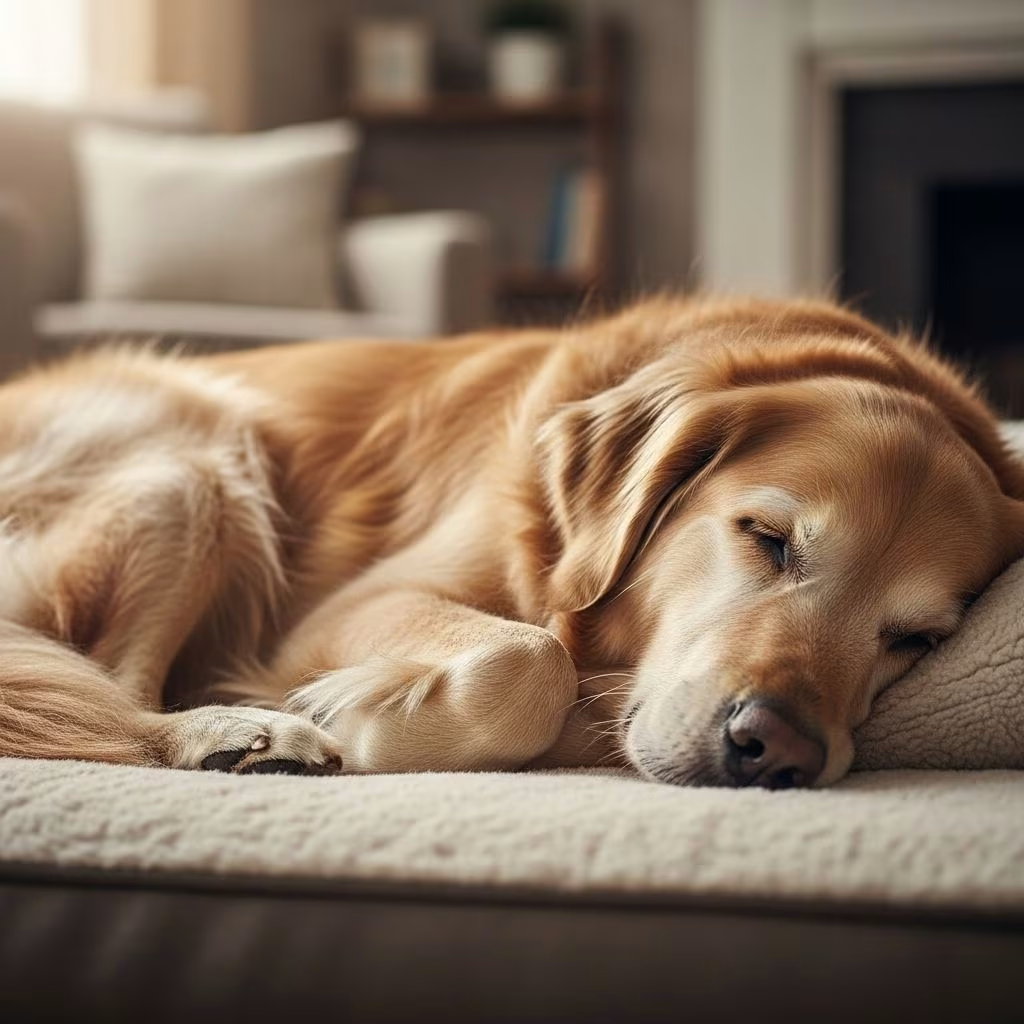
My Senior Dog Sleeps All Day—Is This Normal?
If you’ve noticed your senior dog spending most of the day snoozing, you might wonder whether this behavior is normal or cause for concern. The truth is that increased sleep in senior dogs is a completely natural part of aging. Just like humans, dogs require more rest as they grow older to maintain their health and vitality. Understanding your senior dog’s sleep needs can help you ensure they’re getting the rest they need while also identifying any potential health issues.
How Much Sleep Do Senior Dogs Need?
Senior dogs tend to sleep and nap a lot more than their younger counterparts. According to veterinary experts, senior dogs typically get 16–18 hours of sleep daily. This substantial amount of rest is quite significant when you consider there are only 24 hours in a day. For comparison, the normal amount of sleep for adult dogs ranges from 8 to 13 hours, with adult small- and medium-size dogs generally sleeping less compared to large dogs and puppies.
Some sources indicate that senior dogs may sleep up to 20 hours a day, which is within the normal range for geriatric canines. Most senior dogs fall into the range of needing between 14 hours at the very low end to 20 hours at the very high end of sleep each day. The variation depends on several factors including the individual dog’s health status, breed size, and activity level.
Sleep Requirements by Life Stage
To put senior dog sleep in perspective, it helps to understand how sleep needs change throughout a dog’s life:
| Life Stage | Age Range | Daily Sleep Hours |
|---|---|---|
| Puppies | 0-12 months | 18-20 hours |
| Adult Dogs | 1-5 years | 8-14 hours |
| Mature Adults | 5-7 years | 10-14 hours |
| Senior Dogs | 7+ years | 16-20 hours |
Dogs typically transition into senior status between five and seven years of age, though this varies by breed and individual dog. As your dog enters their senior years, you’ll likely notice a gradual increase in their daytime napping and an overall decrease in activity levels.
What Causes Oversleeping in Senior Dogs?
Senior dogs may sleep significantly more than their adult counterparts for several interconnected reasons. Understanding these factors can help you better support your aging companion.
Natural Energy Decline
As dogs age, their energy levels naturally decrease. Senior pups tire out far more quickly than their younger counterparts, which is a normal part of the aging process. This reduced energy requires them to spend more time resting and recovering. Even moderate activity that wouldn’t have fatigued a younger dog can leave a senior dog exhausted and in need of extended nap time.
Overstimulation
Senior dogs may oversleep following periods of increased activity or stimulation. Events that can cause a senior dog to need extra naps include:
- Long play sessions or extended walks
- Lots of socialization or visitors
- Big changes like moving into a new home
- Taking a vacation together
- Introducing a new baby or family member to the house
After any of these stimulating events, don’t be surprised if your pooch needs extra naps to recover from the excitement or stress.
Immune System Support
Sleep plays a crucial role in maintaining immune function. Sleeping for longer periods helps your senior dog’s body prevent infections and maintain overall health. The increased rest allows their immune system to function optimally during a time when their body is naturally less efficient at fighting off illness.
Restlessness and Sleep Quality Issues
Paradoxically, while senior dogs sleep more, they often experience poorer sleep quality. Senior dogs are more likely to experience disrupted sleep at night due to restlessness, anxiety, or the need for frequent bathroom breaks. This interrupted nighttime sleep leads to increased daytime sleeping as they attempt to catch up on the rest they missed.
Pain and Discomfort
Senior dogs are more likely to suffer from joint pain, arthritis, or other conditions that make sleep uncomfortable. They may need more naps to compensate for their poor sleep quality. Additionally, sleeping can serve as a way for them to escape their pain and discomfort, creating a coping mechanism for chronic conditions. Regular pain management and comfortable bedding can significantly improve their rest.
Underlying Health Conditions
While increased sleep is normal in senior dogs, excessive sleeping or sudden changes in sleep patterns could indicate an underlying health condition requiring veterinary attention. Conditions that may cause lethargy and increased sleeping include:
- Kidney disease
- Cancer
- Hypothyroidism
- Heart disease
- Degenerative canine cognitive disorder (canine dementia)
- Arthritis and joint problems
If you notice your senior dog sleeping excessively—more than 20 hours daily—or if there’s a notable shift in their sleeping patterns, consult your veterinarian to rule out medical issues.
Do Breed and Size Affect Senior Dog Sleep?
While individual dogs vary significantly in their sleep needs, there are some general patterns related to breed and size. Large and giant breed dogs tend to sleep more hours than small breeds, even in middle age. Some large breed dogs can sleep up to 18 hours a day. A commonality found in breeds known to sleep longer hours may be their similar head and muzzle shape, which may contribute to similar sleep patterns.
Medium-sized dogs typically require less sleep than large breed dogs or giant breeds. However, these are general guidelines, and individual dogs will always vary based on their genetics, health status, and lifestyle.
Creating a Relaxing Sleeping Environment for Your Senior Dog
Creating a comfortable and supportive sleeping space is one of the best ways to ensure your senior dog gets quality rest. A proper sleep environment can enhance your dog’s overall wellbeing and support better health outcomes.
Invest in an Orthopedic Bed
Orthopedic dog beds are specifically designed to provide support along the length of your dog’s body, cushioning their joints and promoting relaxation. These beds are particularly beneficial for senior dogs with arthritis or joint pain, as they distribute weight evenly and reduce pressure on sensitive areas.
Location and Placement
Your senior dog’s sleeping area should be strategically located. Position the bed out of drafts and away from high-traffic areas where they might be disturbed. Have water and food bowls close by so your dog doesn’t have to travel far during the night. Some senior dogs prefer more secluded sleeping spots, such as under beds or in closets, as they become more sensitive to their surroundings with age and may seek out quiet, enclosed spaces for comfort.
Temperature and Comfort
Maintain a comfortable room temperature and ensure the sleeping area is free from excessive noise and distractions. Senior dogs are more likely to be disturbed by environmental factors, so creating a calm, peaceful environment supports better sleep quality. Consider using dog blankets or heated beds during colder months, as senior dogs are often more sensitive to temperature changes.
Proximity to You
While some senior dogs prefer their own space, others benefit from sleeping near their owners. Having a dog bed in your bedroom or nearby can provide comfort and security while still giving your dog their own space. This arrangement also allows you to monitor your dog’s health and notice any changes in behavior.
Supporting Your Senior Dog’s Sleep and Health
Beyond environmental considerations, several strategies can support your senior dog’s sleep quality and overall wellbeing:
Regular Exercise and Mental Stimulation
While senior dogs tire more easily, regular gentle exercise remains important for maintaining muscle mass and joint flexibility. Short walks, low-impact play, and mental enrichment activities should be tailored to your dog’s fitness level and health status. Exercise helps promote better sleep quality at night.
Pain Management
If your senior dog suffers from arthritis or chronic pain, discuss treatment options with your veterinarian. Medications can help with inflammation and discomfort, improving sleep quality. Joint supplements and anti-inflammatory medications can make a significant difference in your dog’s comfort level.
Nutritional Support
A high-quality diet formulated for senior dogs can support overall health and wellbeing. Proper nutrition, along with supplements for joint and cognitive health, can contribute to better sleep quality and reduced discomfort during rest periods.
Behavioral Support
For senior dogs experiencing anxiety, dementia, or other behavioral changes affecting sleep, calming supplements and behavior modification techniques may help. Your veterinarian can recommend appropriate interventions based on your dog’s specific needs.
When to Consult Your Veterinarian
While increased sleep is normal in senior dogs, certain changes warrant veterinary attention. Contact your vet if you notice:
- A sudden change in sleeping patterns (either significantly more or less sleep)
- Your dog sleeping more than 20 hours per day
- Difficulty falling asleep or staying asleep
- Changes in appetite, weight, or bathroom habits associated with increased sleeping
- Signs of pain or discomfort when lying down or getting up
- Unusual nighttime behavior or restlessness
Your veterinarian can perform necessary examinations and tests to rule out underlying health conditions and recommend appropriate treatments to improve your senior dog’s quality of life.
Frequently Asked Questions
Q: Is it normal for my senior dog to sleep 20 hours a day?
A: Yes, sleeping up to 20 hours daily is within the normal range for senior dogs. However, if there’s been a sudden change in your dog’s sleep patterns or if they’re sleeping more than 20 hours, consult your veterinarian to rule out underlying health issues.
Q: Why does my senior dog sleep so much more than my adult dog?
A: Senior dogs naturally have lower energy levels and tire more easily. They need more rest to recover from activity and to support immune function. Additionally, they may experience poor sleep quality at night due to restlessness or physical discomfort, leading to increased daytime sleeping.
Q: How can I tell if my senior dog is sleeping too much due to illness?
A: Watch for sudden changes in sleep patterns, excessive lethargy accompanied by other symptoms, or sleeping significantly beyond the normal 16-20 hour range. Other warning signs include changes in appetite, weight loss, or difficulty waking up. Contact your veterinarian if you notice these changes.
Q: What type of bed is best for a senior dog?
A: Orthopedic beds are ideal for senior dogs as they provide joint support and cushioning. Look for beds with memory foam or gel inserts and ensure they’re large enough for your dog to stretch out comfortably.
Q: Should I wake my senior dog up if they’re sleeping a lot?
A: No, you should not wake your senior dog unnecessarily. They need the rest for their health. However, gentle encouragement for short walks or play sessions can help maintain muscle mass and provide mental stimulation.
Q: Can I give my senior dog supplements to help with sleep?
A: Yes, various supplements can support senior dog health and comfort, including joint supplements, omega-3 fatty acids, and calming supplements. Always consult your veterinarian before introducing any new supplements to your dog’s routine.
Q: Do all dog breeds sleep the same amount as seniors?
A: No, large and giant breed dogs tend to sleep more than smaller breeds, even in middle age. However, individual variation is significant, and factors like health status and activity level play important roles.
References
- How Many Hours Do Senior Dogs Sleep? — Saatva. 2024. https://www.saatva.com/blog/how-many-hours-do-senior-dogs-sleep/
- My Senior Dog Sleeps All Day—Is This Normal? — Chewy. 2024. https://www.chewy.com/education/dog/training-and-behavior/how-much-should-senior-dogs-sleep
- How Many Hours Should an Old Dog Sleep? A Vet’s Answer — Toe Grips. 2024. https://toegrips.com/how-many-hours-should-old-dog-sleep/
- Should You Worry If Older Dog Sleeps All Day? — Bear Valley Animal Hospital. 2022. https://www.bearvalleyanimalhospital.com/site/blog/2022/02/18/older-dog-sleeps-all-day
- How Many Hours Do Dogs Sleep? — Casper. 2024. https://casper.com/blogs/article/how-many-hours-do-dogs-sleep
- Too Much Sleep: Is There Such a Thing for Senior Dogs? — American Kennel Club. 2024. https://www.akc.org/expert-advice/health/senior-dog-sleep-too-much/



