

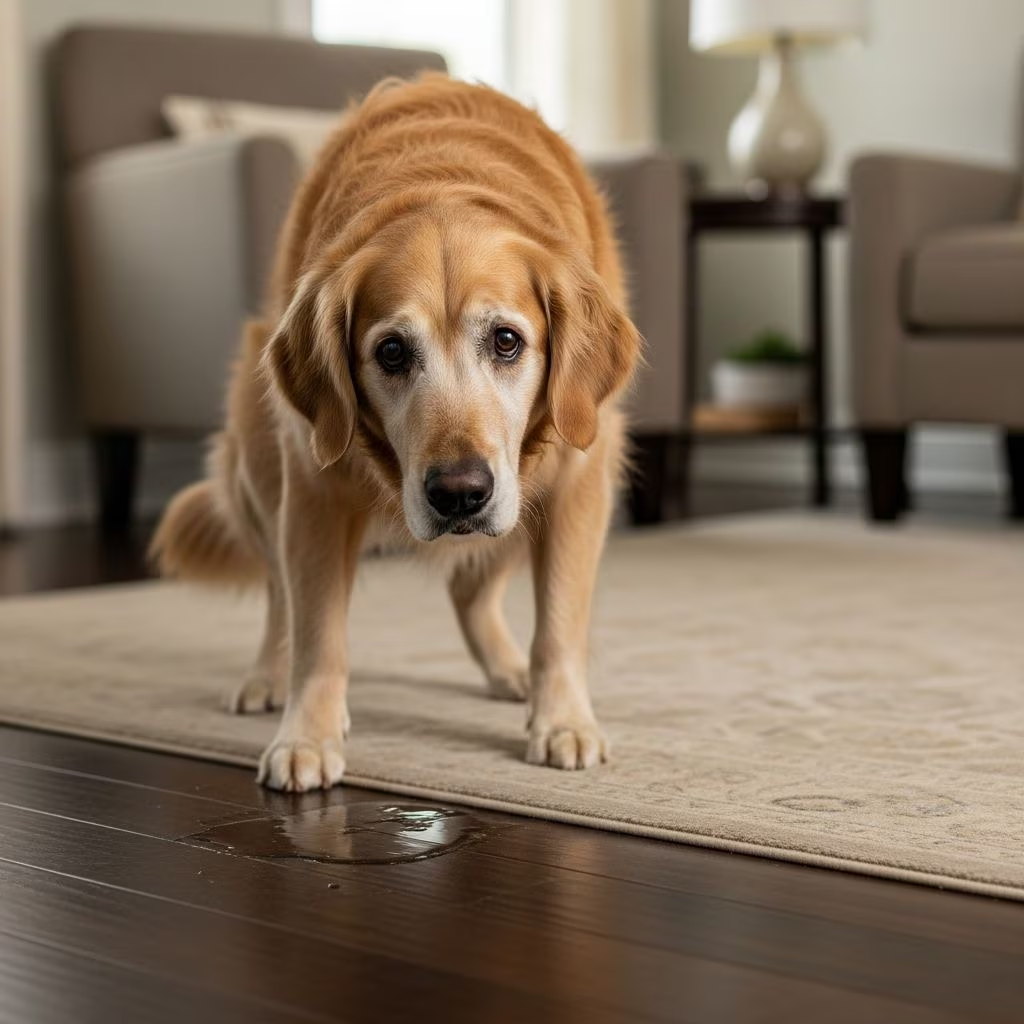
Senior Dog Peeing in the House: Causes, Treatments, and Management
If your senior dog is housetrained but has recently started peeing in the house, it likely means they’re experiencing incontinence or another underlying health issue. While a single accident is not necessarily cause for alarm, frequent urination in the house is a common sign that your aging companion needs veterinary attention. Dog incontinence is a normal sign of aging, but it could also indicate a more serious health condition that requires treatment. Understanding the causes and available solutions can help you manage this frustrating situation and improve your senior dog’s quality of life.
Understanding Senior Dog Incontinence
Incontinence in senior dogs refers to the involuntary loss of bladder or bowel control. This condition can manifest in various ways, including wet spots on bedding, damp legs, persistent urine odor, dribbling while standing or walking, or even leaking urine while sleeping. It’s important to distinguish between true incontinence and behavioral accidents, as they require different approaches.
One of the most common forms of incontinence in senior dogs is known as “sphincter mechanism incontinence,” which accounts for approximately 80% of incontinence cases. This occurs when the muscles that control the bladder sphincter weaken with age, making it difficult for your dog to hold urine.
Common Causes of House Soiling in Senior Dogs
Urinary Tract Infections (UTIs)
Urinary tract infections are among the most common medical reasons for house soiling in senior dogs. These infections can cause increased urgency and frequency of urination, making it difficult for your dog to hold their urine long enough to get outside. Symptoms of a UTI in older dogs include drinking more water, cloudy or bloody urine, straining or whimpering while urinating, fever, lethargy, and more frequent accidents in the house. Senior dogs are particularly susceptible to UTIs because of loss of muscle tone and other age-related factors.
If left untreated, a UTI can develop into a more serious bladder or kidney infection. It’s essential to consult a veterinarian immediately if you suspect your dog has a urinary tract infection.
Kidney Disease
Chronic kidney disease is a serious condition affecting many senior dogs. This disease impairs the kidney’s ability to filter blood efficiently, resulting in increased urine production and a more frequent need to urinate. Dogs with kidney disease often experience excessive thirst, increased urination, vomiting, diarrhea, and lethargy. The increased volume of urine production makes it nearly impossible for aging dogs to control their bladder, leading to frequent accidents indoors. Early detection through veterinary screening is crucial for managing this condition and slowing its progression.
Hormonal Imbalances
Several hormonal conditions can cause excessive urination and incontinence in senior dogs. These include Cushing’s disease, diabetes, and hyperthyroidism. Cushing’s disease, typically triggered by a tumor on the pituitary gland, causes an influx of cortisol and symptoms including excessive thirst, urination, lethargy, and hair loss. Diabetes leads to increased water consumption and urination, while hyperthyroidism accelerates metabolic processes. Any of these hormonal imbalances can result in your senior dog having difficulty controlling their bladder.
Arthritis and Joint Pain
Arthritis is an extremely common condition in senior dogs that directly impacts their ability to maintain house training. When a dog experiences pain from arthritis or other joint conditions, they may have difficulty standing up quickly or moving to the door in time to go outside. The pain associated with squatting or leg-lifting can be so severe that your dog simply cannot move fast enough to reach the appropriate elimination area. This results in urinary accidents occurring right where your dog is sitting or lying down, not due to loss of bladder control but rather physical inability to move.
Cognitive Dysfunction and Dementia
Canine cognitive disorder, commonly referred to as “dog dementia,” is a neurological condition that affects senior dogs’ memory and awareness. Dogs with cognitive dysfunction may forget their house training and not realize they are dribbling urine throughout the home. They may empty their bladders indoors and forget that elimination is supposed to occur outside. Other signs of dementia include confusion, behavioral changes, loss of appetite, and restlessness. This condition requires patience and compassionate management strategies.
Spinal Problems and Neurological Issues
Problems affecting the spine or nervous system can impair the nerves that control bladder function. Spinal injuries, degenerative myelopathy, or other neurological diseases can result in loss of bladder control. These conditions may also cause difficulty walking or moving, compounding the issue of reaching the appropriate elimination area in time.
When to Be Concerned About House Soiling
While occasional accidents are normal in senior dogs, frequent urination in the house warrants immediate veterinary attention. Consider these factors when determining whether your dog needs professional evaluation:
- A single accident does not indicate incontinence; true incontinence is frequent and persistent
- Any sudden change in your dog’s bathroom habits suggests an underlying issue
- Accidents occurring during sleep or while lying down indicate true incontinence rather than behavioral problems
- Straining or difficulty urinating suggests potential blockages or severe infections
- Behavioral changes accompanying house soiling point to cognitive dysfunction
The earlier you seek veterinary care, the faster your dog can receive appropriate treatment and relief from their discomfort.
Diagnosis and Veterinary Evaluation
Your veterinarian will conduct a comprehensive examination to determine the underlying cause of your senior dog’s incontinence. The diagnostic process typically includes:
- Complete physical examination
- Blood work and biochemistry panels to assess kidney and thyroid function
- Urinalysis to detect infections, crystals, or stones
- Urine culture to identify specific bacterial infections
- Abdominal ultrasound or X-rays to visualize internal organs
- Neurological assessment if cognitive dysfunction is suspected
This thorough evaluation helps your vet identify whether the incontinence stems from a medical condition, medication side effect, or age-related muscle weakness.
Treatment Options for Senior Dog Incontinence
Medical Treatments
Treatment depends on the underlying cause. Urinary tract infections are typically treated with antibiotics prescribed by your veterinarian. Hormonal imbalances may require medication to regulate thyroid function, manage diabetes, or treat Cushing’s disease. For incontinence related to sphincter weakness, your vet may prescribe phenylpropanolamine (PPA) or other medications that strengthen bladder control. Some cases of cognitive dysfunction can be managed with medications and supplements designed to support brain health.
Dietary Adjustments
Your veterinarian may recommend dietary changes to support kidney function, urinary health, or weight management. A specialized diet can help manage underlying conditions contributing to incontinence.
Management Strategies
Beyond medical treatment, practical management strategies can significantly improve your senior dog’s quality of life and reduce indoor accidents:
- Let your dog outside more frequently, even every 2-3 hours
- Install a doggy door to allow independent access to outdoor elimination areas
- Use absorbent pads or washable dog diapers
- Place water bowls in easily accessible locations and monitor water intake
- Create comfortable resting areas with waterproof bedding
- Use enzymatic cleaners to thoroughly remove urine odors that may encourage re-marking
- Maintain a consistent bathroom schedule
- Provide pain management if arthritis is contributing to the problem
Managing Your Senior Dog’s Comfort
Supporting an incontinent senior dog requires compassion and patience. Maintain a positive attitude about accidents and never punish your dog, as they have no control over their incontinence. Create a comfortable living environment with easy access to outdoor areas. Consider using dog incontinence pads or diapers to maintain your dog’s dignity while protecting your home. Regular grooming and hygiene practices help prevent skin irritation from constant contact with urine.
Preventive Care and Monitoring
Regular veterinary check-ups become increasingly important as your dog ages. Annual or semi-annual wellness exams can catch developing conditions early when they’re most treatable. Monitor your dog’s water intake, urination frequency, and any behavioral changes. Keep detailed records of accidents to share with your veterinarian, as these patterns can help guide diagnosis and treatment.
Pay attention to signs of discomfort, confusion, or physical difficulty moving, as these may indicate treatable conditions. Early intervention often leads to better outcomes and improved quality of life for your senior companion.
Frequently Asked Questions
Q: Is incontinence a normal part of aging in senior dogs?
A: While some weakening of bladder control is common in aging dogs, frequent incontinence often indicates an underlying medical condition rather than normal aging. Consult your veterinarian to rule out treatable health issues.
Q: How often should I take my senior dog outside to prevent accidents?
A: Most senior dogs benefit from outdoor bathroom breaks every 2-3 hours, or even more frequently if incontinence is severe. Some pet owners find that letting their dog outside immediately after meals, upon waking, and before bedtime helps prevent accidents.
Q: Can incontinence be cured?
A: Some causes of incontinence, such as UTIs or treatable hormonal conditions, can be resolved with appropriate medical treatment. Other cases, particularly those related to sphincter weakness or cognitive dysfunction, may be managed but not completely cured.
Q: Are female dogs more prone to incontinence?
A: Yes, female dogs are more susceptible to urinary tract infections and incontinence because they have a shorter urethra, making it easier for bacteria to ascend into the bladder.
Q: What medications help senior dog incontinence?
A: Medications like phenylpropanolamine (PPA) can help strengthen sphincter control. Your veterinarian may also prescribe antibiotics for infections, medications for hormonal conditions, or supplements to support cognitive function.
Q: Should I punish my senior dog for accidents in the house?
A: Never punish an incontinent senior dog. They have no control over their accidents, and punishment will only cause stress and anxiety. Focus instead on management strategies and veterinary treatment.
Q: How can I prevent skin irritation from incontinence?
A: Regularly check and clean your dog’s undercarriage, especially around the urinary opening. Use absorbent pads or diapers that keep urine away from the skin. Dry affected areas thoroughly and consider using protective balms recommended by your veterinarian.
Q: What should I do if my dog has a single accident in the house?
A: A single accident is not necessarily cause for concern and doesn’t indicate incontinence. However, if accidents become frequent or your dog’s bathroom habits change suddenly, schedule a veterinary appointment for evaluation.
References
- Senior Dog Urinating in the House — Schertz Animal Hospital. 2025. https://schertzanimalhospital.com/blog/senior-dog-urinating-in-the-house/
- Why Is My Dog Peeing in the House? — PetMD, Healthline Media. 2025. https://www.petmd.com/dog/general-health/why-my-dog-peeing-house
- Is Your Old Dog Peeing In The House? Treatment & Causes — Dutch, Online Veterinary Services. 2025. https://www.dutch.com/blogs/dogs/old-dog-peeing-in-house
- Senior Dog Peeing A Lot? Recognize Older Dog UTI Symptoms Early — Vetnique. 2025. https://vetnique.com/blogs/vets-corner/older-dog-uti-symptoms
- What to Do When Your Senior Dog Forgets Their House Training — American Kennel Club. 2025. https://www.akc.org/expert-advice/health/senior-dog-house-training/
- House Soiling in Senior Dogs — Lap of Love, Pet Euthanasia & In-Home Pet Hospice. 2025. https://www.lapoflove.com/blog/senior-pet-care/house-soiling-in-senior-dogs
- Dog Behavior Problems – House Soiling — VCA Animal Hospitals. 2025. https://vcahospitals.com/know-your-pet/dog-behavior-problems-house-soiling



