

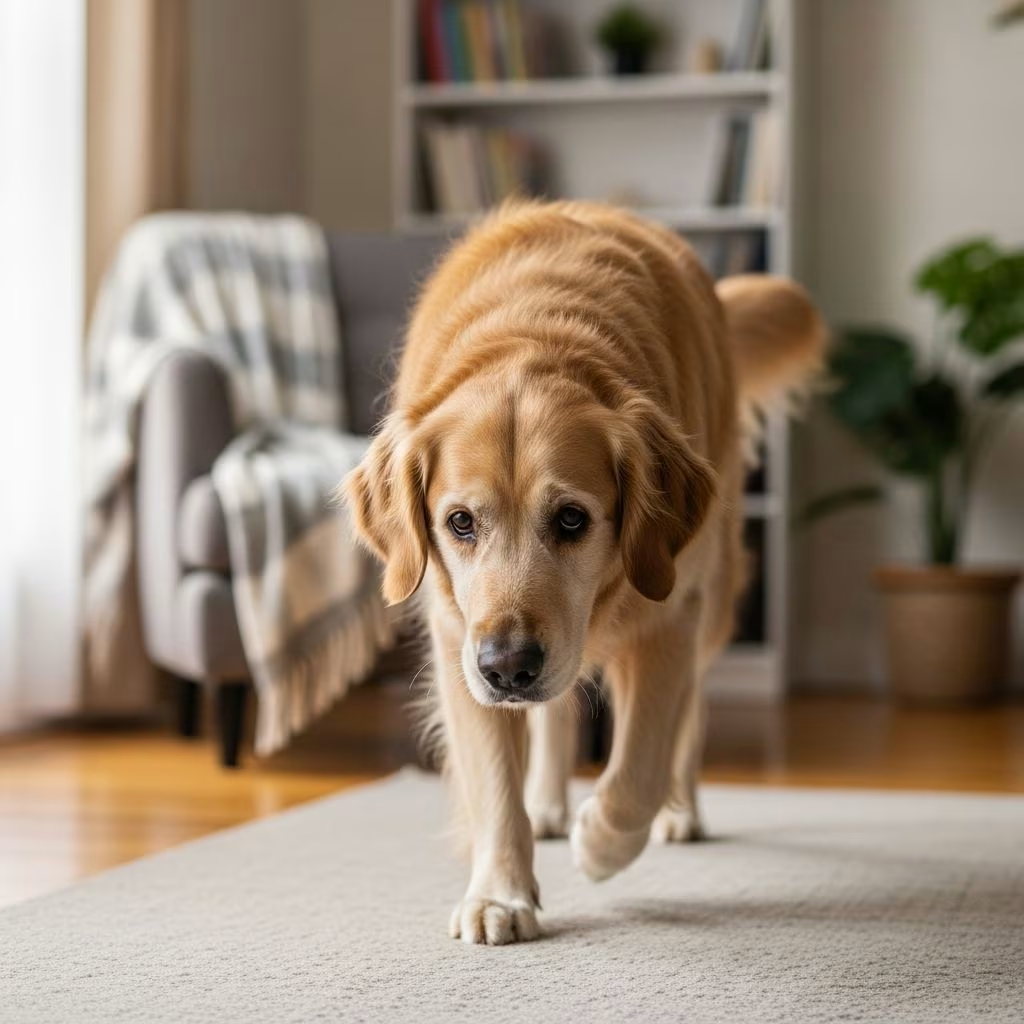
Observing your senior dog repeatedly walking back and forth can be distressing for any pet owner. This repetitive movement, known as pacing, often signals underlying issues that require prompt attention. Unlike occasional restlessness in younger dogs, persistent pacing in older pets frequently points to health concerns, cognitive changes, or environmental stressors. Understanding these triggers is the first step toward helping your companion regain peace.
Recognizing Pacing Patterns in Aging Dogs
Pacing manifests as continuous circling, trotting in figure-eights, or aimless wandering, especially noticeable at night when the house is quiet. Owners often report their dogs refusing to settle, instead patrolling rooms or hallways. This behavior disrupts sleep for both dog and human, leading to frustration and worry. Track the frequency, timing, and triggers—such as after meals, during evenings, or amid household changes—to share valuable details with your veterinarian.
Primary Medical Causes Behind the Restlessness
Several physical ailments common in senior dogs provoke pacing as a response to discomfort. Joint problems top the list, with arthritis affecting mobility and causing pain that prevents restful lying down. Larger breeds face higher risks due to lifelong joint stress from carrying extra weight.
Other conditions include urinary tract infections (UTIs), which create urgent discomfort and frequent attempts to urinate, and kidney disease, leading to excessive thirst and unease. Neurological issues, like spinal cord problems or nerve pain, can also manifest as unrelenting movement. Heart conditions may contribute, as labored breathing prompts dogs to stay upright and mobile.
Cushing’s Disease: A Hormonal Culprit
Cushing’s disease, or hyperadrenocorticism, occurs when adrenal glands overproduce cortisol, the stress hormone. Primarily impacting older dogs, it results in constant agitation, pot-bellied appearance, increased thirst, hunger, and urination. Pacing becomes a hallmark as elevated cortisol keeps the dog in a hyper-alert state.
Cognitive Decline and Its Role in Nighttime Wandering
Canine Cognitive Dysfunction Syndrome (CDS), akin to human dementia or Alzheimer’s, affects up to 60% of dogs over 11 years old. Brain changes lead to disorientation, memory loss, and altered sleep cycles, often culminating in nighttime pacing known as “sundowning.” Dogs may stare blankly, forget familiar paths, or vocalize more frequently.
- Disrupted sleep-wake patterns: Active at night, sleepy during day.
- Forgetting house rules: Indoor accidents despite prior training.
- Increased clinginess or anxiety when alone.
- Confusion in routine tasks, like finding food bowls.
Early diagnosis via veterinary exams, including blood tests and behavioral assessments, allows management with medications, supplements, and environmental tweaks.
Anxiety and Stress Factors in Older Pets
Senior dogs experience heightened anxiety from separation, environmental shifts, or sensory losses like poor vision or hearing. A new household member, relocation, or even rearranged furniture can disorient them, prompting pacing as a coping mechanism. Separation anxiety intensifies with age, showing as pre-departure pacing, panting, or destructive acts.
Noise phobias, such as to thunderstorms or fireworks, persist or worsen, while boredom from reduced exercise capacity leads to restless energy release.
Panting Accompanying Pacing: What It Means
Frequent panting alongside pacing often indicates pain, stress, or respiratory strain. In seniors, it signals heart disease with symptoms like coughing and lethargy, Cushing’s with excessive thirst, or respiratory issues like laryngeal paralysis. Heat intolerance rises with age, exacerbating panting during mild exertion.
| Condition | Pacing + Panting Signs | Other Symptoms |
|---|---|---|
| Heart Disease | Restlessness, open-mouth breathing | Coughing, reduced stamina, appetite loss |
| Cushing’s Syndrome | Constant agitation, heavy panting | Pot belly, hair loss, frequent urination |
| Respiratory Issues | Noisy breathing, pacing | Exercise intolerance, blue gums |
| Pain (Arthritis) | Panting while moving | Limping, stiffness, reluctance to jump |
Diagnostic Steps: When to See a Vet
Never dismiss pacing as “old age.” Schedule a vet visit immediately if it persists over days, worsens, or pairs with symptoms like vomiting, diarrhea, limping, or appetite changes. Expect a thorough exam: bloodwork for organ function, urinalysis for infections, X-rays for joints or tumors, and possibly neurological tests. Rule out vestibular disease (inner ear imbalance causing circling) or brain tumors early.
Management Strategies for a Calmer Senior Dog
Medical Interventions
Treat underlying issues directly: Pain relievers or joint supplements for arthritis, antibiotics for UTIs, or cortisol blockers for Cushing’s. CDS medications like selegiline improve brain function, while anxiety meds provide short-term relief.
Environmental Modifications
- Create a quiet, dimly lit nighttime space with orthopedic bedding.
- Maintain consistent routines for meals, walks, and bedtime.
- Use nightlights to aid vision-impaired dogs and reduce disorientation.
- Provide multiple water stations to ease kidney-related thirst.
Lifestyle Adjustments
Increase mental stimulation with puzzle toys, scent games, or short, gentle walks. Calming aids like pheromone diffusers or CBD treats (vet-approved) soothe anxiety. Massage therapy or hydrotherapy eases joint pain, promoting relaxation.
Preventive Care for Long-Term Well-Being
Regular senior wellness checks every six months catch issues early. Balanced senior diets support joint health and cognition with omega-3s and antioxidants. Weight management prevents arthritis worsening. Monitor for behavioral shifts monthly via journals.
FAQs on Senior Dog Pacing
Is pacing always a sign of dementia in old dogs?
No, while CDS is common, pain or medical conditions are frequent culprits. A vet evaluation distinguishes causes.
How can I stop nighttime pacing?
Establish routines, use calming aids, ensure comfort, and treat root issues. Consult a vet for persistent cases.
Does my senior dog’s pacing mean it’s in pain?
Often yes—arthritis or internal issues commonly cause it. Watch for limping or whining alongside.
Can diet help with pacing behavior?
Yes, nutrient-rich senior formulas aid brain health and reduce inflammation, potentially lessening symptoms.
When is pacing an emergency?
If with vomiting, seizures, collapse, or sudden onset, seek immediate care.
Enhancing Quality of Life in Your Senior Companion
With vigilance and tailored care, most pacing issues improve significantly, allowing more joyful years. Patience, love, and professional guidance turn distress into comfort, strengthening your bond. Celebrate small wins, like longer settled periods, as signs of progress.
References
- Why Is My Senior Dog Pacing? — SpiritDog Training. 2023. https://spiritdogtraining.com/why-is-my-senior-dog-pacing/
- Why Is My Dog Pacing? — Plant City Animal Hospital. 2024-02-15. https://plantcityanimalhospital.com/blog/why-is-my-dog-pacing/
- Dog Pacing: Why Does My Dog Do This? — Colonial Animal Hospital. 2023. https://colonialanimalhospital.com/blog/dog-pacing-why-does-my-dog-do-this-in-boynton-beach-fl/
- Senior Dog Behavior Changes: What to Expect — Orvis News. 2024. https://news.orvis.com/dogs/senior-dog-behavior-changes-what-to-expect
- Why Is My Senior Dog Pacing and Restless at Night? — The Farmer’s Dog Digest. 2023-10-01. https://www.thefarmersdog.com/digest/senior-dog-pacing-restless-night/
- Old Dog Walking in Circles: 10 Reasons — ToeGrips. 2024-01-20. https://toegrips.com/old-dog-walking-in-circles/
- Common Behavior Changes in Your Senior Dog — PetMD. 2025-05-12. https://www.petmd.com/dog/behavior/common-behavior-changes-senior-dog



