

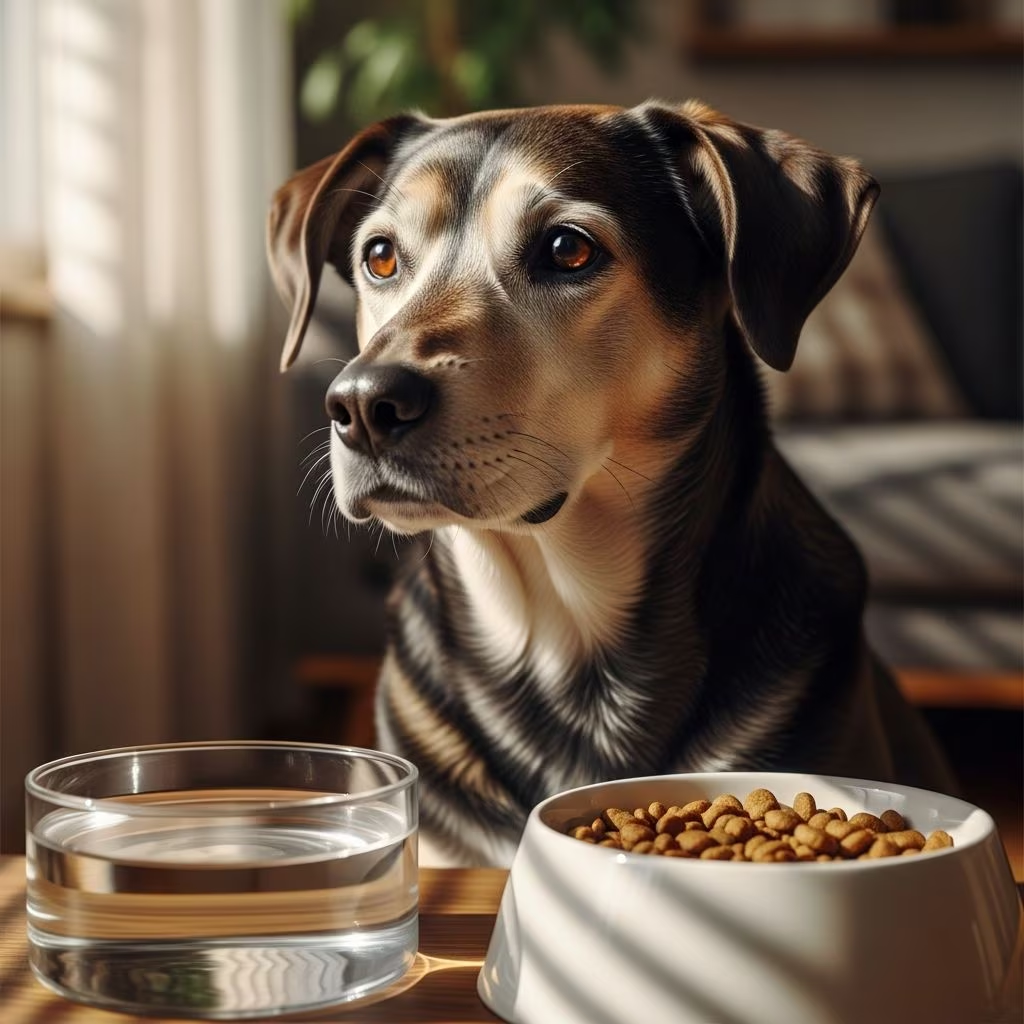
Your loyal senior dog has always been a enthusiastic eater, but lately, they’re turning up their nose at kibble and treats while lapping up water normally. This selective behavior—refusing food but maintaining hydration—often points to underlying issues common in aging canines. Unlike complete anorexia where thirst also fades, this pattern suggests discomfort or systemic problems rather than dehydration risks. Prompt attention is crucial, as prolonged fasting can lead to weakened immunity, muscle loss, and fatty liver disease in dogs.
Recognizing the Warning Signs in Aging Pets
Observing your dog’s daily routines reveals subtle shifts. A healthy senior might eat slightly less due to reduced calorie needs, but a sharp drop-off accompanied by normal drinking demands investigation. Key indicators include:
- Skipping multiple meals over 24-48 hours without obvious stress.
- Lethargy, excessive sleeping, or reluctance to play.
- Weight loss visible in ribs, hips, or spine.
- Changes in stool consistency or frequency.
- Mild drooling, pawing at the mouth, or bad breath signaling oral discomfort.
These signs differentiate benign pickiness from serious concerns. Track intake for 2-3 days, noting portion sizes and any nibbles, to share precise details with your vet.
Top Medical Culprits Behind Appetite Refusal
Senior dogs face heightened risks for conditions that dampen hunger signals. Gastrointestinal disruptions top the list, as inflammation or blockages create nausea overriding the drive to eat.
Gut and Pancreatic Inflammation
Pancreatitis strikes middle-aged to older dogs frequently, inflaming the pancreas and causing abdominal pain, vomiting, and diarrhea alongside food aversion. The organ’s role in digestion means even mild flares suppress appetite while hydration persists to combat nausea-induced dry mouth. Chronic cases link to high-fat diets or obesity, emphasizing preventive low-fat feeding for seniors.
Dental and Oral Agony
Over 80% of dogs over age three harbor periodontal disease, escalating in seniors with loose teeth, abscesses, fractures, or gum infections. Chewing becomes torture, leading to selective eating—liquids and soft items are tolerated, explaining sustained drinking. Annual vet dental checks catch these early; untreated, they foster bacterial spread to kidneys or heart.
Organ Dysfunction and Metabolic Shifts
Kidney disease builds toxins (uremia) that nauseate without curbing thirst—classic polydipsia-polyuria where dogs drink more to flush waste. Liver failure, diabetes, or hyperthyroidism similarly alter taste perception or energy use, prioritizing hydration over solids. Cancer, especially oral tumors, physically impedes eating. Heart or lung conditions divert energy to breathing, slowing metabolism and curbing hunger as the body conserves for vital functions.
| Condition | Key Symptoms Beyond No Appetite | Hydration Impact |
|---|---|---|
| Pancreatitis | Vomiting, hunched posture, diarrhea | Normal or increased |
| Dental Disease | Halitosis, drooling, face rubbing | Unaffected |
| Kidney Disease | Increased urination, fatigue | Increased drinking |
| Cancer/Heart Disease | Coughing, labored breath, lumps | Variable |
Non-Physical Factors Influencing Mealtime Interest
Beyond biology, behavioral and environmental triggers play roles. Medications like antibiotics, NSAIDs, or steroids—staples for senior arthritis or infections—irritate stomachs, prompting refusal until adjusted or buffered.
Cognitive and Emotional Challenges
Canine Cognitive Dysfunction (CCD), akin to dementia, affects up to 60% of dogs over 11. Confusion leads to forgetting food locations, nighttime pacing disrupting routines, or anxiety from routine changes. Seniors may raid trash due to disorientation, causing secondary GI upset. Stress from household shifts, new pets, or isolation mimics depression, further blunting appetite.
Mobility and Pain Barriers
Arthritis stiffens joints, making bowl access painful. Hip dysplasia or injuries exacerbate this; dogs avoid bending or standing long. Environmental aids like elevated bowls or orthopedic mats ease strain.
Practical Strategies to Spark Your Dog’s Interest
While awaiting vet input, gentle tactics can bridge gaps without masking issues. Prioritize palatability and ease:
- Warm and aromatize: Microwave food briefly (not hot) to release scents; add low-sodium broth or fish oil.
- Texture tweaks: Soak kibble, switch to canned/wet food, or puree meats with rice for swallowable mush.
- Hand-feeding ritual: Sit with your dog, offering tiny bites to rebuild association without force.
- Schedule consistency: Feed 3-4 small meals daily at fixed times, removing uneaten portions after 15 minutes to prevent pickiness.
- Novelty trial: Rotate proteins (chicken, turkey, salmon) or toppers like plain yogurt, ensuring no allergies.
Avoid human scraps high in fat/salt; opt for vet-recommended senior formulas rich in omega-3s for anti-inflammatory benefits. Raised bowls aid neck comfort, nonslip mats prevent slips.
Veterinary Interventions for Stubborn Cases
Diagnostics start with physical exams, bloodwork (CBC, chemistry panel, urinalysis), and fecal tests to pinpoint origins. Imaging like X-rays or ultrasounds probes deeper for tumors or obstructions. Treatments target roots:
- Dental extractions under anesthesia restore comfort, often sparking immediate eating surges.
- Fluids, anti-nausea meds (Cerenia), or antibiotics for infections.
- Appetite stimulants: Mirtazapine (transdermal or oral) or Entyce (capromorelin oral solution) jumpstart hunger short-term.
For chronic ills, prescription diets manage kidneys (low-protein/phosphorus) or hearts (moderate sodium). Never halt meds abruptly; consult for switches.
Preventive Measures for Long-Term Vitality
Prolong quality years through proactive care. Bi-annual senior wellness exams catch brewing issues. Maintain dental hygiene with brushes, water additives, or chews. Joint supplements (glucosamine, chondroitin) and weight control curb arthritis. Mental stimulation via puzzle toys or scent walks combats CCD. Balanced nutrition evolves with age—higher fiber for digestion, antioxidants for immunity.
Real-Life Success Stories from Pet Parents
Many seniors rebound dramatically. One 12-year-old lab with severe gingivitis ate voraciously post-cleaning, gaining weight and energy. A CCD-afflicted beagle improved with routine meds, elevated bowls, and warmed venison baby food. These underscore vet collaboration’s power.
Frequently Asked Questions (FAQs)
How long can a senior dog go without eating if drinking water?
48 hours max before vet visit; monitor for weakness. Hydration buys time but doesn’t supply calories.
Is it normal for old dogs to eat less?
Slight reduction yes, due to lower metabolism; sudden or total refusal no.
Can I use human appetite stimulants for my dog?
No—only vet-prescribed like Entyce; others risk toxicity.
What home foods safely tempt picky seniors?
Boiled chicken/rice, canned pumpkin, low-fat cottage cheese; plain, unseasoned.
Does CBD help senior dog appetite?
Limited evidence; discuss with vet for quality products amid variable dosing.
Monitoring Progress and When to Escalate
Weigh weekly, photo-document body condition. Improvement post-strategies? Great, but recheck in weeks. Worsening—vomiting blood, seizures, collapse—emergency now. Hospice discussions arise for end-stage, focusing on comfort.
Supporting a non-eating senior demands patience and vigilance. By decoding causes and applying targeted aids, most regain joy in meals, extending happy years.
References
- Why Is My Old Dog Not Eating? 2 Vets Share Causes, Tips — ToeGrips. 2023. https://toegrips.com/old-dog-not-eating-causes-tips/
- Senior Dog Not Eating But Drinking Water: What You Need to Know — Hope Crossing Animal Hospital. 2024-08-31. https://www.hopecrossing.com/site/blog/2024/08/31/senior-dog-not-eating
- What to Do If Your Senior Dog Is Not Eating — The Farmer’s Dog. 2024. https://www.thefarmersdog.com/digest/what-to-do-if-your-senior-dog-is-not-eating/
- Why Is My Dog Not Eating? Causes and What To Do — PetMD. 2024. https://www.petmd.com/dog/symptoms/why-my-dog-not-eating
- Dog Not Eating? Possible Causes and Appetite Solutions — WebMD Pets. 2024. https://www.webmd.com/pets/dogs/dog-not-eating-possible-causes-and-appetite-solutions



