

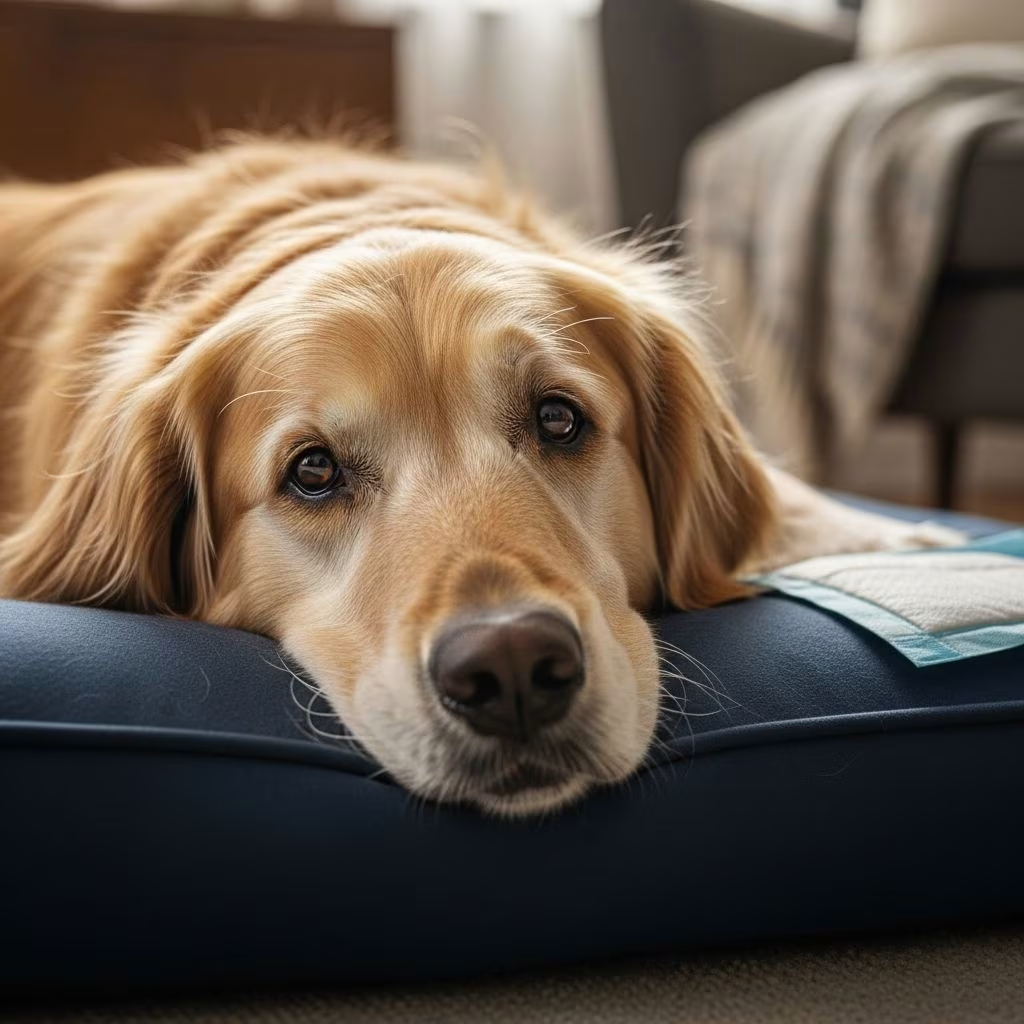
As dogs age, they may experience a range of health challenges, and incontinence is one of the most common issues senior pet owners encounter. Senior dog incontinence can be frustrating for both you and your beloved companion, but understanding the underlying causes and available treatment options can help you manage this condition effectively. Whether your dog is leaving wet spots on their bed or having occasional accidents in the house, there are numerous strategies and medical interventions that can help improve their quality of life.
What Is Senior Dog Incontinence?
Senior dog incontinence refers to the involuntary loss of bladder or bowel control in aging dogs. This condition is more prevalent than many pet owners realize, affecting a significant percentage of senior dogs, particularly those over seven years old. Unlike intentional marking or behavioral issues, incontinence occurs without the dog’s awareness or control, often happening during sleep or rest when muscles are most relaxed. The condition can range from occasional dribbling to complete loss of bladder control, and understanding its causes is the first step toward finding an effective solution.
Common Causes of Senior Dog Incontinence
Senior dog incontinence can stem from several different underlying causes, and identifying the specific reason is crucial for determining the most appropriate treatment approach.
Urethral Sphincter Mechanism Incompetence (USMI)
USMI is the most common cause of incontinence in senior dogs, accounting for the majority of cases in aging pets. The urinary sphincters are specialized muscles that keep urine sealed inside the bladder. When these muscles weaken, urine can leak out unintentionally. USMI is particularly prevalent in spayed female dogs due to the reduced estrogen levels that occur after the removal of ovaries. Reduced estrogen causes a loss of muscle tone in the urethral sphincter, making it difficult for the dog to maintain continence, especially when relaxed or sleeping.
Age-Related Muscle Weakness
As dogs age, they naturally lose muscle tone throughout their bodies, including the muscles responsible for regulating urination. The bladder and pelvic floor muscles weaken over time, making it harder for senior dogs to “hold it in.” This progressive muscle loss is a normal part of aging and can result in small leaks that become more frequent over time. Even dogs without specific medical conditions may experience occasional accidents due to this natural deterioration of muscle strength and control.
Bladder Stones
Bladder stones are hard mineral deposits that form in the urinary tract and can significantly interfere with normal urine flow. These stones can be quite painful for your dog and may cause straining, frequent urination, or even blood in the urine. In some cases, bladder stones lead to dribbling or accidents as the dog struggles to pass urine around the obstruction. A veterinary examination and imaging can identify bladder stones, and treatment typically involves removal through medical or surgical intervention.
Urinary Tract Infections (UTIs)
UTIs are a common cause of incontinence in senior dogs and can develop at any age. Infections irritate the bladder and urethra, causing the dog to have frequent urges to urinate and difficulty controlling their bladder. Many senior dogs with UTIs show signs of sudden incontinence or increased frequency of accidents. The good news is that UTIs are typically treatable with antibiotics, and resolving the infection often resolves the incontinence.
Other Contributing Factors
Several additional conditions can contribute to senior dog incontinence, including:
– Hormonal imbalances and changing estrogen levels- Spinal injuries or degenerative disc disease- Neurological disorders affecting bladder control- Kidney disease and excessive water drinking- Diabetes and conditions causing polyuria- Cushing’s disease and other endocrine disorders- Obesity, which increases pressure on the bladder- Dementia and cognitive decline in very senior dogs- Certain medications, such as corticosteroids
Signs Your Senior Dog May Have Incontinence
Recognizing the symptoms of incontinence is important for early intervention. Common signs include wet spots on your dog’s bed or favorite sleeping areas, dribbling urine during activity, frequent urination, straining to urinate, blood in the urine, and wet fur on the hind legs. Some dogs may also exhibit behavioral changes, such as increased anxiety or reluctance to be indoors. If you notice any of these signs, it’s important to schedule a veterinary appointment to determine the underlying cause.
How to Help a Senior Dog With Incontinence
Managing senior dog incontinence requires a multi-faceted approach combining veterinary care, lifestyle adjustments, and practical solutions to maintain your dog’s comfort and dignity.
Visit Your Vet
The first and most important step is scheduling a comprehensive veterinary evaluation. Your veterinarian will perform a thorough health examination and may recommend diagnostic tests, including urinalysis and blood work, to identify the underlying cause of incontinence. This evaluation helps eliminate treatable conditions like UTIs, kidney disease, diabetes, and other disorders that cause excessive urination. Once your vet has identified the specific cause, they can recommend targeted treatment options tailored to your dog’s individual needs.
Treatment Options and Medications
Treatment for senior dog incontinence depends on the underlying cause and may include several different approaches:
Hormone Therapy: For dogs with USMI related to estrogen deficiency, hormone replacement therapy is often highly effective. Oral medications such as estriol (Incurin) and diethylstilbestrol help restore hormonal balance and improve urethral sphincter tone. Most spayed female dogs respond well to estrogen therapy, though regular blood work monitoring may be necessary to ensure the treatment is safe and effective.
Phenylpropanolamine (PPA): Also known as Proin, phenylpropanolamine is a non-estrogen medication widely used in veterinary medicine to manage bladder control issues. PPA is well-tolerated by most pets and works by strengthening the muscles of the urethral sphincter. Many dogs show significant improvement in continence within days to weeks of starting PPA therapy, and it can be used long-term to manage the condition.
Treating Underlying Conditions: If incontinence is caused by UTIs, bladder stones, diabetes, or other treatable medical conditions, addressing these underlying issues often resolves the incontinence. For example, treating a UTI with antibiotics or managing diabetes through proper insulin therapy and diet can significantly improve bladder control.
Dietary Adjustments: In some cases, dietary changes can help manage incontinence. High-fiber diets may improve bowel control, while ensuring adequate hydration is important for dogs with certain conditions. Your vet may recommend specific prescription diets designed to support urinary or digestive health.
Surgical Options
In cases where medical management is unsuccessful or when specific anatomical problems are identified, surgical intervention may be considered. Surgical procedures to treat incontinence typically focus on strengthening the bladder neck or repositioning the urethra. Common surgical approaches include:
– Colposuspension, which involves surgical repositioning of the bladder and urethra- Urethral occluder implantation to increase urethral resistance- Collagen or bulking agent injections around the sphincter muscles to improve closure- Surgical correction of anatomical abnormalities or spinal injuries
However, surgery is typically considered only after all other treatment options have been explored, as it carries inherent risks and may not provide permanent solutions in all cases.
Lay Out Some Pee Pads
While medical treatment addresses the underlying cause, practical solutions help protect your home and keep your dog comfortable. High-quality absorbent pee pads strategically placed in areas where your dog spends time can catch accidents and prevent damage to floors and furniture. Washable pee pads are an eco-friendly option that reduces waste, while disposable pads offer convenience. Place pads in sleeping areas, near the door, and in any favorite resting spots to minimize accidents.
Try Doggy Diapers
Dog incontinence diapers or wraps are an excellent option for managing moderate to severe incontinence, particularly for dogs spending extended time indoors. These specially designed garments keep urine contained and protect your home while allowing your dog to move freely. Diapers come in various sizes and absorbency levels, and many are washable and reusable. Properly fitting diapers are essential for comfort and effectiveness, and they should be changed frequently to prevent skin irritation and maintain hygiene.
Offer Extra Support and Comfort
Providing emotional and physical support is crucial for senior dogs dealing with incontinence. Many dogs experience anxiety or shame related to their accidents, so maintaining a calm, supportive environment is important. Provide easy access to outdoor bathroom breaks, use washable and soft bedding that can be easily cleaned, and never punish your dog for accidents, as this increases anxiety and can worsen the condition. Regular veterinary check-ups, pain management for arthritis or other conditions, and maintaining a consistent routine all contribute to better management of incontinence.
Lifestyle Management and Home Care
Beyond medical treatment and protective measures, several lifestyle modifications can improve your senior dog’s comfort and reduce incontinence-related issues:
Frequent Bathroom Breaks: Increase opportunities for your dog to go outside and empty their bladder. Senior dogs often benefit from more frequent outdoor breaks throughout the day and especially before bedtime and overnight.
Maintain Healthy Weight: Obesity increases pressure on the bladder and pelvic floor, potentially worsening incontinence. Keeping your senior dog at a healthy weight through proper diet and appropriate exercise can reduce incontinence symptoms.
Pain Management: Arthritis and joint pain can make it difficult for senior dogs to assume the proper posture for urination or to get up quickly to go outside. Managing pain through medication, supplements, or other interventions can improve their ability to control and eliminate urine appropriately.
Hygiene and Skin Care: Regular washing and drying of your dog’s rear end and back legs prevents skin irritation and infection. Use warm water and gentle soap, and ensure thorough drying to maintain skin health and prevent bacterial growth.
When to See Your Vet
Schedule a veterinary appointment if your senior dog develops sudden incontinence, shows signs of straining or pain during urination, has blood in their urine, experiences weight loss or increased thirst, or if incontinence significantly impacts their quality of life. Early intervention increases the likelihood of identifying treatable underlying conditions and finding effective management strategies.
Frequently Asked Questions
Q: Is senior dog incontinence a normal part of aging?
A: While incontinence is more common in senior dogs, it is not an inevitable part of aging. Many cases are caused by treatable medical conditions or can be effectively managed with medication and lifestyle modifications. Early veterinary intervention can often resolve or significantly reduce incontinence.
Q: Can incontinence in senior dogs be cured?
A: The ability to cure incontinence depends on the underlying cause. Some conditions, such as UTIs and bladder stones, can be fully resolved with appropriate treatment. Others, like USMI, require ongoing medication management to maintain continence. Your veterinarian can discuss prognosis and treatment options specific to your dog’s situation.
Q: How much do incontinence medications cost?
A: The cost of incontinence medications varies depending on the specific medication, dosage, and your location. Most medications are relatively affordable, particularly when purchased through veterinary clinics or online pet pharmacies. Ask your vet about generic options or assistance programs that may help reduce costs.
Q: Will my senior dog always need medication for incontinence?
A: For many senior dogs with conditions like USMI, ongoing medication management is necessary to maintain continence. However, if incontinence is caused by a treatable underlying condition, medication may only be needed until that condition is resolved. Your veterinarian can provide guidance on the long-term management plan for your specific dog.
Q: Should I punish my dog for having accidents?
A: No, punishing your dog for incontinence-related accidents is counterproductive and harmful. Incontinence is involuntary, and punishment increases anxiety and stress, which can actually worsen the condition. Instead, focus on medical treatment, protective measures, and maintaining a supportive environment.
Q: Are there any preventative measures for senior dog incontinence?
A: While some causes of incontinence cannot be prevented, maintaining your dog’s overall health through proper diet, regular exercise, weight management, and consistent veterinary care can help minimize risk factors. Early treatment of UTIs and other infections also prevents complications that could lead to incontinence.
Q: How long does it take for incontinence medication to work?
A: Many dogs show improvement in continence within days to a few weeks of starting medication like PPA or hormone therapy. However, response times vary, and some dogs may require dosage adjustments. Your veterinarian will monitor your dog’s progress and make any necessary modifications to the treatment plan.
References
- Understanding Senior Dog Incontinence — Chewy Education. 2024. https://www.chewy.com/education/dog/health-and-wellness/senior-dog-incontinence
- Urinary Incontinence in Dogs: Causes and Treatment — WebMD Pets. 2024. https://www.webmd.com/pets/dogs/urinary-incontinence-dogs
- Urinary Incontinence (Urethral Incontinence) in Dogs — VCA Animal Hospitals. 2024. https://vcahospitals.com/know-your-pet/urethral-incontinence-in-dogs
- What to Do About Old Dog Bladder Control Issues — Pet Honesty. 2024. https://www.pethonesty.com/blogs/blog/old-dog-incontinence
- Incontinence In Older Dogs — Orvis. 2024. https://www.orvis.com/incontinence-in-older-dogs.html
- Senior Dog Incontinence — Calder Vets. 2024. https://www.caldervets.co.uk/pet-help-advice/dogs/senior-dogs/100-senior-dog-incontinence



