

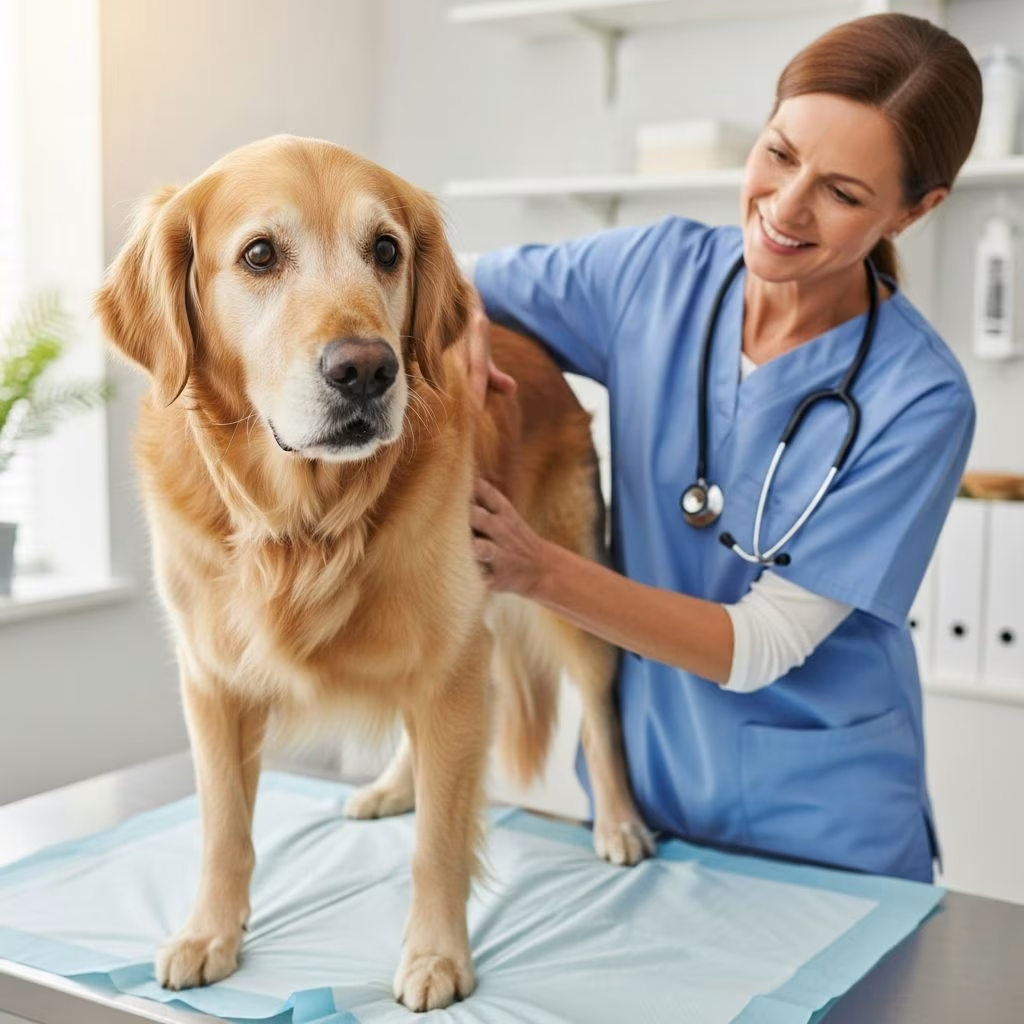
As dogs enter their golden years, typically around age 7 for most breeds, regular veterinary visits become crucial for maintaining their vitality. These exams go beyond basic checkups, focusing on early detection of age-related issues like organ decline, mobility problems, and chronic diseases. By scheduling biannual visits, owners can address subtle changes before they escalate, ensuring their companions enjoy more comfortable, active years.
Why Senior Dogs Need Specialized Checkups
Unlike younger dogs, seniors face heightened risks of conditions such as kidney disease, arthritis, diabetes, and cognitive decline. Routine exams allow veterinarians to monitor organ function, joint health, and overall well-being through targeted diagnostics. For instance, dogs over 7 years should visit every six months, as age accelerates health changes. Early intervention can significantly improve outcomes, often extending lifespan and quality of life.
Owners play a key role by noting behavioral shifts, like increased thirst or reluctance to jump, which signal underlying problems. Wellness overviews during visits help tailor care plans, including diet adjustments and parasite prevention.
Key Components of a Thorough Physical Assessment
A hands-on exam forms the foundation of every senior dog visit. Veterinarians systematically evaluate from head to tail, using palpation, auscultation, and observation to spot abnormalities.
- Head and Sensory Organs: Eyes are checked for cataracts or cloudiness; ears for infections or wax buildup; nose for discharge or cracks.
- Mouth and Dental Health: Teeth are inspected for tartar, fractures, or gum disease, common in 80% of dogs over age 3, worsening with age.
- Neck and Chest: Lymph nodes, thyroid, and heart/lung sounds are assessed via stethoscope for murmurs or irregular rhythms.
- Abdomen and Spine: Palpation detects masses, organ enlargement, or pain; spine mobility indicates arthritis.
- Limbs and Joints: Range of motion, swelling, and gait are evaluated for osteoarthritis signs.
- Skin and Coat: Lesions, lumps, parasites, or hair loss are noted, often linked to allergies or hormonal issues.
This methodical approach ensures nothing is overlooked, with pain levels scored to guide treatments like joint supplements.
Essential Laboratory Tests for Internal Health
Blood, urine, and sometimes fecal tests provide a window into invisible issues. These form the minimum database recommended for seniors.
Complete Blood Count (CBC)
The CBC analyzes red blood cells for anemia, white cells for infections, and platelets for clotting risks. Abnormal cell shapes or counts flag cancers, inflammation, or dehydration early.
Biochemistry Profile
This panel measures kidney (BUN, creatinine), liver (ALT, ALP), and electrolyte levels, plus proteins and glucose. It detects diabetes, hepatic issues, or thyroid imbalances. Mild elevations may warrant retesting; severe ones prompt imaging.
Urinalysis
Urine is examined for concentration (USG), proteins, crystals, bacteria, or glucose. It’s vital for seniors prone to kidney disease or UTIs, with SDMA adding early renal detection.
Table: Common Lab Test Insights
| Test | What It Checks | Key Senior Concerns |
|---|---|---|
| CBC | Blood cells | Anemia, infection, cancer |
| Biochemistry | Organ function | Kidney/liver disease, diabetes |
| Urinalysis | Urine properties | UTI, kidney failure |
Additional Screening
Thyroid panels, fecal exams for parasites, or blood pressure checks complement basics, especially if symptoms like weight loss appear.
Addressing Mobility and Joint Concerns
Arthritis affects most seniors, causing stiffness or limping. Vets assess via orthopedic exams, noting muscle wasting or pain on flexion. Recommendations include weight management, NSAIDs, physical therapy, or supplements like glucosamine. Home exercises, such as gentle swims, support joint health.
Recognizing Cognitive and Behavioral Changes
Canine Cognitive Dysfunction (CCD) mimics dementia, with signs like disorientation or altered sleep. Screening checklists evaluate:
- Confusion: Getting lost in familiar spots or staring blankly.
- Activity changes: Apathy, pacing, or house soiling.
- Sleep disruptions: Vocalizing at night.
Early diets with antioxidants or meds like selegiline can slow progression.
Nutrition, Lifestyle, and Preventive Strategies
Discussions cover senior diets—lower calorie, higher fiber for digestion—and exercise suited to mobility. Parasite control, updated vaccines, and grooming prevent secondary issues. Dental cleanings under anesthesia may be advised if plaque buildup threatens health.
Owner Checklist for Visits:
- Note changes in appetite, thirst, or elimination.
- Report mobility issues or odd behaviors.
- Bring vaccination records and diet details.
- Ask about pain management and supplements.
Imaging and Advanced Diagnostics When Needed
If labs suggest issues, X-rays reveal joint degeneration or tumors; ultrasounds assess organs. These guide targeted therapies.
FAQs on Senior Dog Exams
Q: How often should senior dogs get checkups?
A: Every 6 months, as equivalent to annual human exams for their accelerated aging.
Q: What if my dog resists the vet?
A: Use calming aids, short visits, or sedation for comfort.
Q: Are blood tests always necessary?
A: Yes, as the AAHA minimum database for seniors.
Q: Can diet prevent age-related diseases?
A: Specialized formulas support kidneys and joints, per vet advice.
Q: What’s the cost of a senior exam?
A: Varies; labs add $200+, but early detection saves money long-term.
Empowering Owners for Long-Term Wellness
Proactive exams transform senior care, catching silent threats like hypothyroidism or neoplasia. Track your dog’s weight, activity, and habits monthly. With vet partnership, many dogs thrive past 12 years, full of tail wags and play.
References
- What to Expect During My Senior Dog’s Checkup — Snider Veterinary Services. 2024-08-31. https://www.sniderveterinaryservices.com/site/blog/2024/08/31/expect-senior-dog-checkup
- What to Expect During My Senior Dog’s Checkup? — AHORb. 2024-03-30. https://www.ahorb.com/site/blog/2024/03/30/senior-dog-checkup
- What should a seniors health check up include? — Vetwest. N/A. https://www.vetwest.com.au/pet-library/what-should-a-seniors-health-check-up-include/
- Senior Pet Screening Checklist — Helping Hand DVM. N/A. https://www.helpinghanddvm.com/Senior_Pet_Screening_Checklist.pdf
- Evaluating the Unhealthy Senior Pet — AAHA. 2023. https://www.aaha.org/resources/2023-aaha-senior-care-guidelines-for-dogs-and-cats/evaluating-the-unhealthy-senior-pet/
- Creating a Dog Physical Exam Checklist — Weave. N/A. https://www.getweave.com/creating-a-dog-physical-exam-checklist/



