

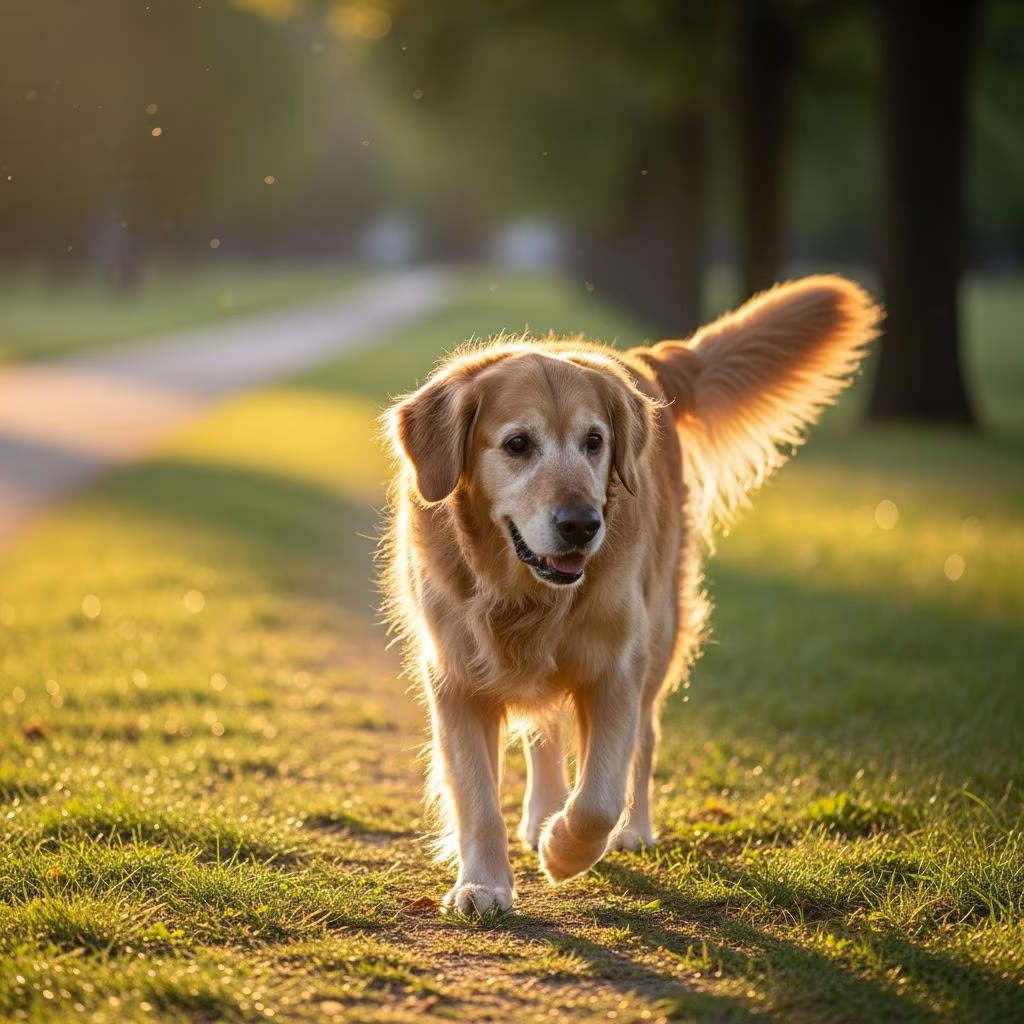
Senior Dog Exercise: What’s Right For Your Pup?
As your beloved companion enters their golden years, maintaining an active lifestyle becomes increasingly important for their overall health and happiness. Senior dogs still need regular exercise, but the type and intensity may differ significantly from what they enjoyed during their younger days. Understanding your senior dog’s individual needs and preferences is essential for keeping them physically fit, mentally stimulated, and emotionally satisfied throughout their advancing years.
Understanding Senior Dogs and Age
Most dogs are considered seniors when they reach 7 to 9 years of age, though this timeline can vary depending on breed and size. Smaller dog breeds often maintain their speed and energy longer, sometimes not showing signs of aging until they reach at least 10 years old. Larger breeds, conversely, may enter their senior years earlier. Recognizing when your dog transitions into their senior phase allows you to adjust their exercise routine proactively, preventing unnecessary strain while maintaining their quality of life.
Why Exercise Matters for Senior Dogs
Regular physical activity remains crucial for aging dogs. Movement helps keep your dog’s muscles, ligaments, tendons, and joints strong and healthy. Beyond the physical benefits, exercise stimulates the mind, which helps to maintain cognitive function and prevents cognitive decline. Senior dogs benefit from the mental enrichment that comes with exploring new environments, following scents, and engaging in interactive activities. A well-exercised senior dog typically experiences better sleep quality, improved digestion, and reduced anxiety or behavioral issues stemming from boredom.
Before You Begin: Consult Your Veterinarian
Before starting any new exercise regimen with your senior dog, schedule a visit with your veterinarian. This step is absolutely critical and cannot be overlooked. Your vet can assess your dog’s current health status, identify any underlying medical conditions, and provide personalized recommendations based on your individual dog’s needs. They can evaluate mobility issues, check for arthritis or joint problems, and ensure your dog can safely handle increased physical activity. Your veterinarian can also recommend appropriate exercise intensity and duration based on your dog’s specific health profile.
Recommended Daily Exercise Duration
It’s generally recommended that senior dogs get at least 30 to 60 minutes of exercise daily. However, this guideline isn’t one-size-fits-all. The actual amount of exercise your senior dog needs depends on several key factors:
– Their degree of mobility and physical capability- Their breed and size- Their previous and current medical history- Your lifestyle and schedule- Any chronic conditions or pain they experience
For senior dogs with mobility issues or underlying medical conditions that make exercise more challenging, a 20-minute daily walk may be sufficient. The key is working with your veterinarian to develop an appropriate exercise plan tailored specifically to your older dog’s capabilities and limitations.
Starting Slowly and Assessing Impact
It’s best to start any new exercise regimen slowly so you can assess how it affects your senior dog and ensure it doesn’t exacerbate any mobility or other health issues. Begin one exercise at a time so you know exactly what does and doesn’t work for your senior pup. This gradual approach allows you to monitor your dog’s response to different activities and adjust accordingly. If your dog has arthritis, they can still enjoy exercise, but the activity should be low-impact, and pet parents can monitor their dog for mobility changes such as limping, reluctance to move, or signs of pain.
Walking: A Simple Yet Effective Exercise
The Benefits of Walking
Taking a walk with your senior dog is a great way to add exercise to their daily routine. Walking helps control weight, promotes healthy joint motion, can aid in digestion, and provides physical and mental stimulation. You’ve no doubt taken countless walks with your dog throughout their life, so keep up the routine as your pet ages. However, you might have to adjust how far you go or how quickly you walk.
Choosing the Right Walking Surface
When possible, choose a low-impact walking surface, such as grass, dirt, or sand. These surfaces are gentler on aging joints compared to hard pavement or concrete. Softer surfaces reduce the impact on joints and can make walking more comfortable for dogs experiencing arthritis or other joint issues.
Weather Considerations
Avoid walking your senior pup for too long when it’s excessively hot or cold outside. Older dogs are more sensitive to temperature extremes than their younger counterparts. A raincoat or sweater can help keep your dog dry and warm if walking during inclement weather. Be conscious of the climate and the time of day to prevent overheating or frostbite.
Walking Schedule and Frequency
Keeping a routine by walking around the same time of day and for the same duration can help your senior dog look forward to your walks together. Consistency matters significantly for aging dogs, as it helps establish expectations and maintain predictability in their daily lives. If your dog is up for it, aim for two 30-minute walks per day. Alternatively, three to four shorter walks of 15 minutes each can be easier on your senior dog’s body than one long walk, and this schedule makes for a more interesting and engaging day for them.
Recognizing When to Slow Down
Let your senior pup designate your pace. If your dog begins panting excessively, lagging behind, or is unable to keep their usual pace, slow down and shorten your walking time. If they’re still not interested in continuing, let them rest up while you schedule a veterinary visit to rule out underlying health issues.
Swimming and Water Exercise
Don’t mistake water exercise for taking your senior dog to a lake or large body of water and expecting them to swim by diving in. Instead, senior dogs with joint issues can especially benefit from low-impact exercises like walking through knee-deep water in a pool. This approach offers resistance that maintains muscle tone without impact on joints. The water provides buoyancy that reduces strain on aging joints while allowing your dog to maintain and build strength. Senior dogs can use their joints to their full flexion and extension in water with minimal risk of injury, making this an ideal exercise for dogs experiencing arthritis or other joint problems.
Additional Low-Impact Exercise Options
Gentle Play and Ball Chasing
There’s no one right exercise for senior dogs, but chasing a ball close to the ground can be a good option for dogs who still enjoy this activity. Unlike their younger counterparts who might chase a ball thrown high in the air, senior dogs benefit from gentler retrieve games where the ball stays close to the ground. This reduces jumping and impact on joints.
Hide-and-Seek with Treats
Playing hide-and-seek with treats can be a great way to get your senior pup moving while providing mental stimulation. This activity doesn’t require high-impact movement but keeps dogs mentally engaged and encourages them to move around. Always use treats in moderation to prevent weight gain.
Stretching and Flexibility Exercises
Stretching promotes flexibility and range of motion, improves circulation and oxygenation of the muscles, and alleviates some of the aches and pains of an older body. As dogs enter their golden years, they become more susceptible to loss of flexibility and associated pain, joint degeneration, and muscle loss. Gentle stretching routines can help maintain mobility and reduce discomfort.
Sit-to-Stand Exercises
Simple strength exercises like sit-to-stand movements help maintain muscle tone and bone density. These exercises are straightforward to perform and can be incorporated into your daily routine. You can create various patterns and sequences to strengthen different body parts, typically doing 3-5 sets with 3-10 repetitions. This exercise not only strengthens your dog’s body but also stimulates their brain.
Brain Games and Mental Exercise
For dogs who can’t physically manage extensive exercise, exercising their minds can be equally beneficial. Brain games, puzzle toys, and scent work provide mental stimulation that keeps your senior dog engaged and entertained without requiring intense physical activity.
Adjusting Intensity and Duration
We cannot expect to continue with the same exercise regime for all of your dog’s life. You’ll need to dial it down once they enter their senior years to prevent overexertion and ensure they can safely keep up. Keep an eye on your dog’s energy levels during exercise and watch for signs that they need a rest. Make sure your dog isn’t struggling to keep up with your walking pace. If this is the case, begin reducing your speed until your dog is walking at a comfortable pace for them.
Avoiding Inconsistent Exercise Patterns
It’s important to be consistent with your senior dog’s exercise routine and not to overdo it. Many dog parents fall into the pattern of bringing their older dogs for long hikes on weekends while maintaining short strolls around the block during the week. This inconsistent pattern makes injuries much more likely. Instead, aim for consistent daily activity that your senior dog can handle regularly.
Nutrition and Exercise
Ensure your senior pooch is on a well-balanced diet so they can keep up with the caloric demands of increased exercise. If your senior dog is overweight at all, consider a diet change or more consistent exercise. Being at a healthy weight will help reduce as much physical strain as possible on aging joints and organs. Consult with your veterinarian about appropriate nutritional adjustments to support your senior dog’s exercise routine.
Additional Wellness Considerations
Physical Therapy
Just like it can help in people, physical therapy can relieve pain and discomfort that your senior dog is experiencing. Water therapy, massage therapy, heat therapy, and cold therapy are just some of the therapeutic options available. Your veterinarian can refer you to a certified canine rehabilitation specialist.
Environmental Modifications
Consider using ramps instead of stairs, providing soft bedding, and walking or running on grassy surfaces. These environmental modifications can significantly reduce joint stress and make movement easier and more comfortable for your aging dog.
Warm-Up and Cool-Down
Warming up with a light walk before more vigorous activity and cooling down for 5-10 minutes afterward can be helpful. This approach prepares muscles for exercise and allows for gradual return to normal activity levels.
Frequently Asked Questions
Q: At what age is a dog considered a senior?
A: Most dogs are considered seniors when they’re 7 to 9 years of age, though smaller breeds may not show signs of aging until at least 10 years old, while larger breeds may enter their senior years earlier.
Q: How much exercise does a senior dog need daily?
A: Senior dogs generally need 30 to 60 minutes of exercise daily, though dogs with mobility issues or medical conditions may do well with as little as 20 minutes. Your veterinarian can recommend the appropriate amount for your individual dog.
Q: Is swimming good for senior dogs?
A: Yes, swimming is excellent for senior dogs, especially those with joint issues. Water exercise provides resistance for muscle maintenance without putting pressure on joints, making it ideal for aging dogs.
Q: Can senior dogs with arthritis still exercise?
A: Yes, senior dogs with arthritis can continue to exercise, but activities should be low-impact. Walking on soft surfaces, swimming, and gentle play are all suitable options. Always monitor your dog for signs of pain or mobility changes.
Q: Should I adjust my senior dog’s diet when increasing exercise?
A: Yes, ensure your senior dog is on a well-balanced diet that meets the caloric demands of increased exercise. Consult your veterinarian about appropriate nutritional adjustments and weight management.
Q: How can I tell if my senior dog is overexerting during exercise?
A: Watch for excessive panting, inability to maintain pace, lagging behind, or reluctance to continue. If you notice these signs, slow down, shorten the activity, and consult your veterinarian if the behavior persists.
References
- Exercising Your Senior Dog — PetMD. 2024. https://www.petmd.com/dog/general-health/how-to-exercise-your-senior-dog
- Senior Dog Exercise: What’s Right For Your Pup? — Chewy Education. 2024. https://www.chewy.com/education/dog/health-and-wellness/senior-dog-exercise
- Caring for a Senior Dog: Keeping Your Pet Healthy and Happy — MedVet. 2024. https://www.medvet.com/senior-dog/
- How to Provide Your Senior Dog With Proper Exercise — American Kennel Club. 2024. https://www.akc.org/expert-advice/health/provide-senior-dog-proper-exercise/
- 4 Senior Dog Exercises to Try — Zoetis Petcare. 2024. https://www.zoetispetcare.com/blog/article/4-senior-dog-exercises
- Exercise Needs for Puppies, Adults and Senior Dogs — Small Door Veterinary. 2024. https://www.smalldoorvet.com/learning-center/wellness/exercise-needs-dog-lifestages



