

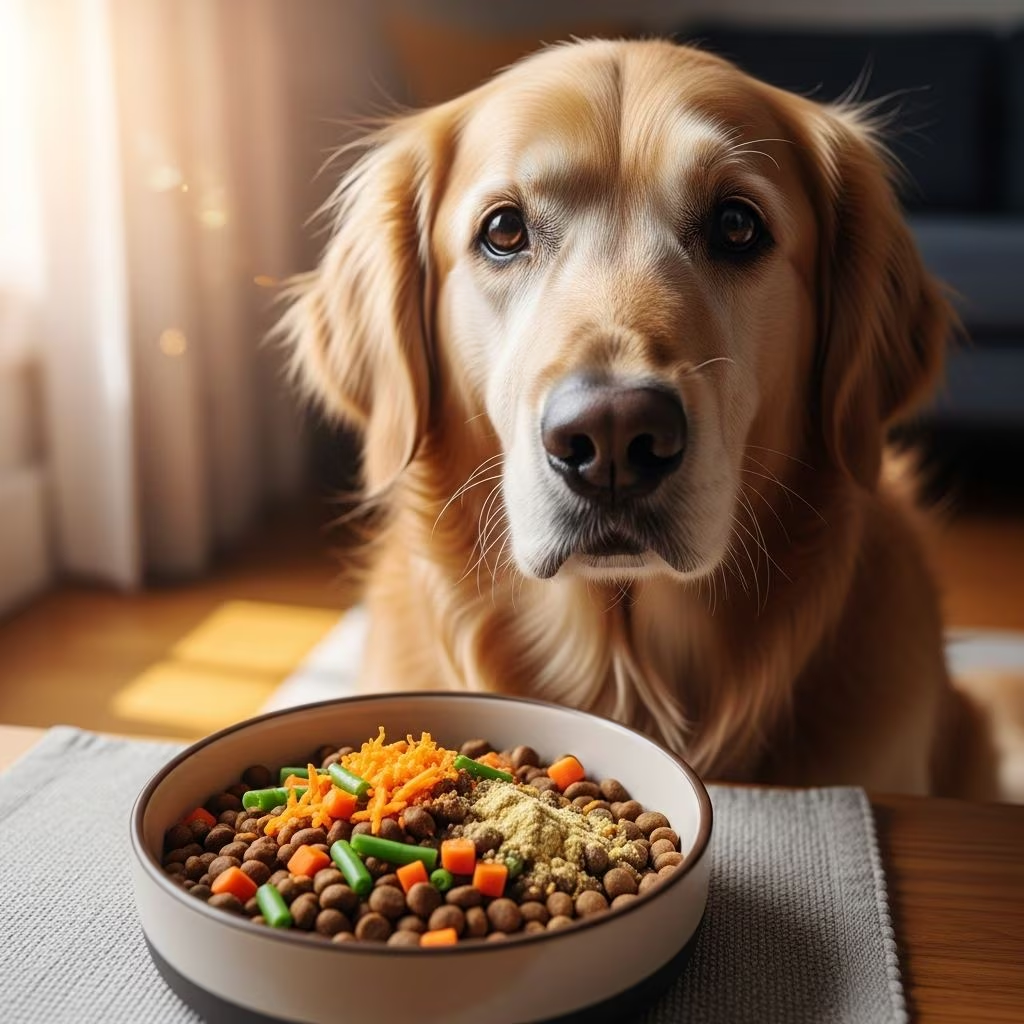
Senior Dog Diet: A Complete Nutrition Guide for Your Aging Companion
As your dog enters their golden years, their nutritional needs shift significantly. Senior dogs require a carefully balanced diet that supports their changing metabolism, maintains muscle mass, and addresses age-related health concerns. Understanding the fundamentals of senior dog nutrition is essential for ensuring your beloved companion enjoys a comfortable, healthy, and fulfilling life in their later years.
Understanding Your Senior Dog’s Changing Needs
Dogs are typically considered seniors between the ages of seven to ten years, though this varies by breed and individual health status. During this phase, dogs experience numerous physiological changes that directly impact their dietary requirements. Their metabolism slows, activity levels often decrease, and their bodies become less efficient at processing and utilizing nutrients. These changes necessitate adjustments to their diet to prevent obesity, maintain muscle mass, and support organ function.
The good news is that with proper nutrition and care, many senior dogs can maintain excellent quality of life well into their advanced years. The key lies in understanding what your senior dog needs and making informed dietary choices that address their specific requirements.
Protein: The Foundation of Senior Dog Nutrition
One of the most critical components of a senior dog’s diet is high-quality protein. Contrary to outdated beliefs that older dogs should consume less protein to protect their kidneys, modern veterinary science demonstrates that healthy senior dogs actually need adequate protein to combat age-related muscle loss, a condition known as sarcopenia. As dogs age, they naturally lose muscle mass and become less efficient at synthesizing protein on their own, making dietary protein increasingly important.
Protein Requirements and Quality
Veterinary nutritionists recommend that healthy senior dogs receive between 28 to 32 percent protein on a dry-matter basis. This level ensures adequate muscle maintenance without overburdening organs. In fact, according to veterinary research, older dogs need approximately 50% more protein than younger adults to maintain lean muscle mass.
When selecting senior dog food, prioritize products where real meat—such as chicken, turkey, lamb, or fish—appears as the primary ingredient. The protein should be highly digestible, allowing your senior dog to efficiently absorb and utilize the amino acids necessary for muscle maintenance, immune function, and overall health.
It’s important to note that if your dog has been diagnosed with kidney disease, your veterinarian may recommend a therapeutic diet with controlled protein and phosphorus levels. However, this is a medical necessity for dogs with compromised kidney function, not a general recommendation for all seniors.
Calorie Management and Weight Control
Senior dogs typically have reduced activity levels and lower metabolic rates compared to younger dogs. Research shows that daily energy requirements may decrease by 12-13% as dogs age. To prevent unwanted weight gain and its associated health risks, senior dog foods are formulated with fewer calories per serving and moderate fat content.
The Obesity Challenge
Obesity represents one of the most significant health concerns for aging pets. Extra weight places increased strain on joints, exacerbates arthritis, increases the risk of diabetes, and compromises cardiovascular function. Maintaining a healthy weight is paramount for joint health, mobility, and overall longevity.
As a general guideline, reduce a senior dog’s daily caloric intake by approximately 20 to 30% compared to their younger adult maintenance diet. However, this guideline should be adjusted based on individual factors including breed size, activity level, and current health status. Your veterinarian can help determine the ideal daily calorie intake for your specific dog.
Portion Control Strategies
Portion control becomes increasingly critical during your dog’s senior years. Monitor your senior dog’s weight regularly and adjust portions accordingly. Consider measuring food precisely rather than free-feeding, and be mindful of treat intake, which can quickly add unnecessary calories to their daily diet.
Fat and Fatty Acids: Brain and Heart Health
While senior dogs need moderate fat content to prevent excessive calorie intake, the quality and type of fat matters significantly. Omega-3 and omega-6 fatty acids play crucial roles in senior dog nutrition, supporting cognitive function, joint health, and heart health.
Omega-3 Fatty Acids
Omega-3 fatty acids are particularly beneficial for senior dogs as they help reduce inflammation associated with arthritis and may support cognitive function as dogs age. These fatty acids boost immune function and combat the natural inflammatory processes that accompany aging. Fish sources like sardines provide high-quality omega-3s with lower heavy metal contamination compared to larger fish species.
When adding omega-3 supplements to your senior dog’s diet, aim for a combined EPA and DHA intake in the range of 700 to 1,500 mg daily. Begin at the lower end and gradually increase the dosage, monitoring your dog for any digestive upset. If your dog experiences diarrhea or vomiting, reduce the amount accordingly.
Medium-Chain Triglycerides
Some senior dog foods include medium-chain triglycerides (MCTs), often sourced from coconut oil. MCTs provide an alternative energy source that may be particularly beneficial for aging brains, potentially improving cognitive function in senior dogs.
Digestibility: A Key Factor for Senior Dogs
As dogs age, their digestive systems become less efficient. Senior dogs require highly digestible proteins and fats to maximize nutrient absorption and utilization. Look for senior formulas that emphasize digestibility and include ingredients that are easier for aging digestive systems to process.
Many senior dogs experience digestive issues, including constipation, which is more prevalent in aging pets. Increased fiber content in senior diets helps maintain gastrointestinal health and supports regular bowel function.
Essential Vitamins, Minerals, and Antioxidants
Senior dogs benefit significantly from enhanced levels of specific nutrients that support aging processes:
Vitamins E and C: These powerful antioxidants help combat oxidative stress and may support cognitive function in aging dogs. They protect cells from damage and support immune system function.
Natural Antioxidant Sources: Blueberries, cranberries, carrots, spinach, and kale are excellent natural sources of antioxidants. Incorporating these into your senior dog’s diet provides nutritional benefits without artificial additives.
Joint-Supporting Supplements: Glucosamine and chondroitin help support joint health and may reduce arthritis-related discomfort. Other beneficial options include avocado and soybean unsaponifiables and curcumin, which have anti-inflammatory properties.
Liver Support: SAMe (S-adenosyl methionine) supports liver health, which becomes increasingly important as dogs age.
Breed-Specific Considerations
Different breed sizes have unique dietary requirements during their senior years.
Small Breed Senior Dogs
Small breed dogs have faster metabolisms and typically require more calories per pound of body weight compared to larger breeds. Their senior diets should be calorie-dense yet carefully balanced to prevent weight gain while supporting adequate energy levels for their activity needs.
Large Breed Senior Dogs
Joint health becomes a significant concern for large breed senior dogs due to the increased stress their weight places on joints. Diets rich in omega-3 fatty acids can help reduce inflammation associated with arthritis. Additionally, maintaining a healthy weight is particularly critical for large breeds to minimize stress on their joints and organs.
Choosing Quality Senior Dog Food
When selecting a senior dog food, several factors merit consideration:
Ingredient Quality: Look for foods where real meat is the primary ingredient. Avoid products with excessive fillers or low-quality protein sources.
Nutrient Balance: Ensure the food provides appropriate levels of protein (28-32%), moderate fat, controlled calories, and balanced phosphorus and sodium levels.
Digestibility: Choose formulas specifically designed for senior dogs with enhanced digestibility to maximize nutrient absorption.
Specialty Options: Senior dog foods come in various specialty formulations including grain-free, organic, weight management, gluten-free, and veterinary diet options. Select based on your dog’s specific health needs and any dietary sensitivities.
Hydration and Feeding Schedule
Proper hydration is essential for senior dogs. Ensure your dog has constant access to fresh, clean water throughout the day. Some seniors prefer wet or moistened food, which can aid in hydration while also being easier to chew and digest.
Consider adjusting feeding schedules for senior dogs. Some benefit from smaller, more frequent meals rather than one or two large meals daily. This approach can improve digestion and maintain more stable energy levels throughout the day.
Treats for Senior Dogs
Treats should complement rather than compromise your senior dog’s balanced diet. Your veterinarian may recommend commercial treats that reflect the nutrient balance of your dog’s chosen senior diet. Low-calorie treats containing fewer than 10 calories per piece are appropriate for dogs of any age.
Excellent, guilt-free treat options include water-based vegetables such as fresh or frozen green beans, carrots, cucumbers, broccoli, and lettuce. Fresh or frozen fruits including apples, bananas, oranges, and various berries also make nutritious treats that won’t derail your senior dog’s weight management efforts.
Avoid table scraps, which are typically unbalanced and often contain high levels of fat and sodium that are inappropriate for senior dogs.
When a Senior Dog Needs More Calories
While most senior dogs require fewer calories due to decreased activity, very old dogs sometimes experience the opposite challenge. In advanced age, some dogs may lose body condition and weight naturally. In these cases, your veterinarian may recommend increasing caloric and protein intake to sustain normal physique and overall health. This situation requires individual assessment and veterinary guidance.
Important Nutritional Parameters to Monitor
Several key nutritional factors require careful management in senior dog diets:
Phosphorus Levels: While not a concern for healthy seniors, phosphorus levels become important if kidney function is compromised. Work with your veterinarian to monitor kidney markers regularly.
Sodium Content: Excessive sodium can stress aging hearts and kidneys. Choose senior formulas with appropriate sodium levels.
Fiber Content: Adequate fiber supports gastrointestinal health and helps prevent constipation common in older dogs.
When Therapeutic Diets Are Necessary
Not all senior dogs require specialized senior diets. According to veterinary research, there is no true reason to feed a senior diet unless specific problems develop, such as lean body wasting, arthritis, or obesity. However, if your senior dog develops health conditions requiring dietary management—such as kidney disease, diabetes, heart disease, or gastrointestinal issues—your veterinarian may prescribe a therapeutic diet designed to address that specific condition.
Frequently Asked Questions About Senior Dog Diets
Q: At what age should I switch my dog to senior food?
A: Dogs are generally considered seniors between ages 7-10, though this varies by breed and individual health status. Rather than automatically switching at a certain age, assess your dog’s specific health needs and consult with your veterinarian about whether a senior formula would be beneficial.
Q: Do senior dogs really need less protein?
A: No. Modern veterinary science shows that healthy senior dogs need adequate protein—in fact, about 50% more than younger adults—to maintain muscle mass and combat age-related muscle loss. Only dogs with compromised kidney function require protein-restricted diets, under veterinary supervision.
Q: How can I help my senior dog maintain a healthy weight?
A: Reduce daily caloric intake by 20-30% compared to adult maintenance diets, practice portion control, monitor weight regularly, minimize high-calorie treats, and ensure regular appropriate exercise. Work with your veterinarian to determine ideal calorie intake for your dog’s specific situation.
Q: What supplements should my senior dog take?
A: Common beneficial supplements include omega-3 fatty acids for brain and joint health, glucosamine and chondroitin for joint support, and antioxidants like vitamins E and C. Always consult your veterinarian before adding supplements, as individual needs vary based on health status and current medications.
Q: How often should senior dogs eat?
A: While once or twice daily is standard, some senior dogs benefit from smaller, more frequent meals to improve digestion and maintain stable energy levels. Discuss feeding schedules with your veterinarian based on your dog’s specific needs.
Q: Can I feed table scraps to my senior dog?
A: Table scraps are not balanced nutritionally and often contain excessive fat and sodium inappropriate for senior dogs. Instead, offer healthy alternatives like fresh vegetables and appropriate commercial treats formulated for senior dogs.
Q: Should all senior dogs eat grain-free diets?
A: Not necessarily. Grain-free is one specialty option available for senior dog foods, but it’s not required for all seniors. Choose based on your dog’s individual preferences, digestive needs, and any specific health conditions. Consult your veterinarian for recommendations.
References
- Happy, Healthy, Senior: Your Guide to Feeding for Longevity — Newport Veterinary Referral Hospital. 2024. https://newportvetrh.com/happy-healthy-senior-your-guide-to-feeding-for-longevity/
- Feeding Mature and Senior Dogs — VCA Animal Hospitals. 2024. https://vcahospitals.com/know-your-pet/feeding-mature-and-senior-dogs
- Diet & Nutrition For Older Dogs — Orvis. 2024. https://www.orvis.com/diet-and-nutrition-for-older-dogs.html
- Choosing Food for Your Senior Dog — Cornell University College of Veterinary Medicine, Riney Canine Health Center. 2024. https://www.vet.cornell.edu/departments-centers-and-institutes/riney-canine-health-center/canine-health-information/choosing-food-your-senior-dog
- 8 Tips for Feeding Your Senior Dog — PetMD. 2024. https://www.petmd.com/dog/slideshows/8-tips-feeding-your-senior-dog
- Upgrade Your Senior Dog Nutrition: Choosing the Right Food — Creedmoor Road Animal Hospital. 2024. https://creedmoorroadanimalhospital.com/pet-nutrition/upgrade-your-senior-dog-nutrition-protein-fiber-omega-3s-choosing-the-right-food/
- Best Dog Food for Senior Dogs: What to Know When Choosing a Food — American Kennel Club. 2024. https://www.akc.org/expert-advice/nutrition/nutritional-needs-for-senior-dogs/



