

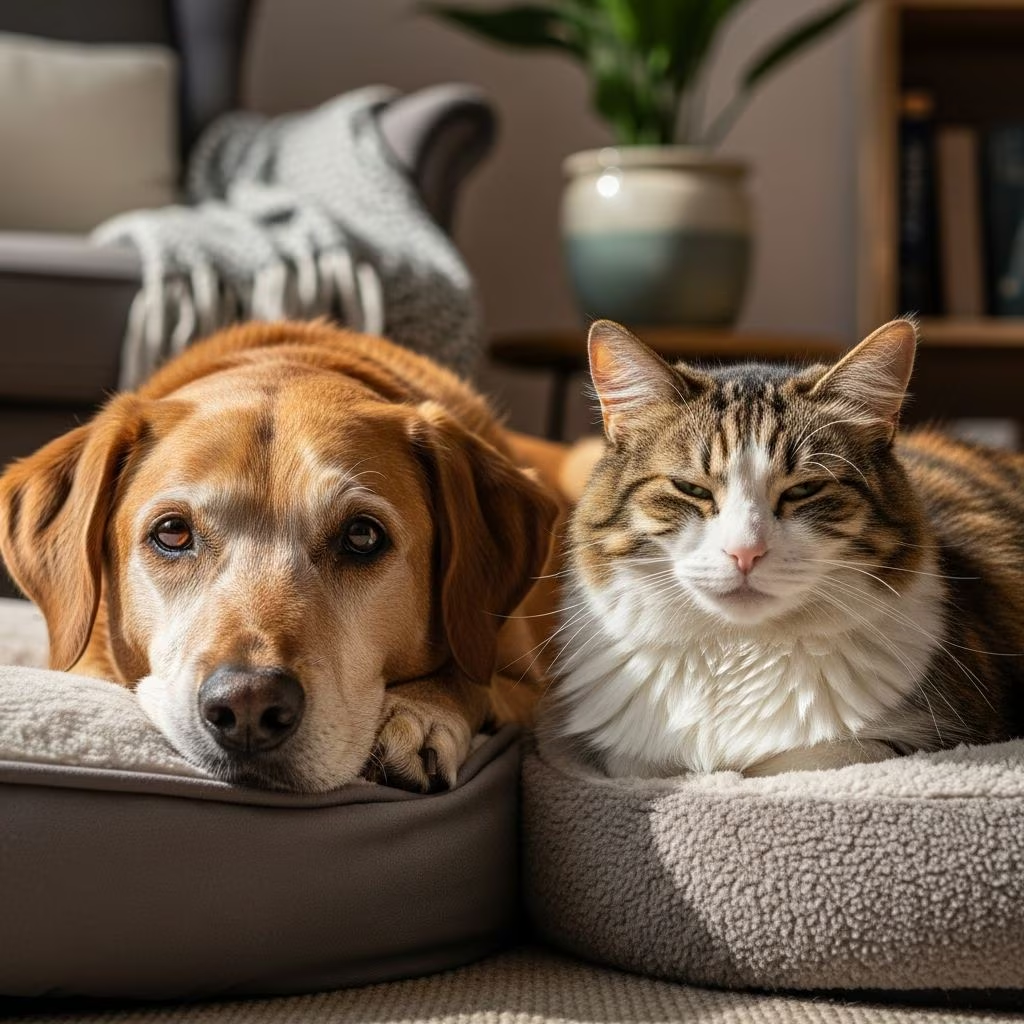
Senior Dog and Cat Care: Common Health Issues
As our beloved companion dogs and cats age, they often develop health conditions similar to those experienced by aging humans. With advances in veterinary medicine and improved pet nutrition, our furry friends are living longer than ever before. However, this extended lifespan also means pet owners and veterinarians must manage more age-related conditions than in previous generations. Understanding the most common health issues affecting senior pets is essential for providing appropriate care and maintaining their quality of life during their golden years.
Vision Problems in Senior Pets
Vision problems are among the most common health concerns affecting older dogs and cats. As pets age, changes in the structure and function of their eyes can lead to various visual impairments. Senior pets may experience cloudiness in their eyes, dilated or constricted pupils, or excessive squinting. These changes can significantly impact their ability to navigate their environment safely.
Watch for the following signs of vision decline in your senior pet:
- Difficulty navigating in low light or at night
- Bumping into objects or furniture
- Changes in eye appearance, including cloudiness or redness
- Squinting or excessive eye discharge
- Reluctance to move around familiar spaces
If you notice any of these symptoms, schedule a veterinary appointment promptly. Your veterinarian can perform a comprehensive ophthalmic examination and may refer you to a specialist in animal ophthalmology if needed. Early detection and treatment can help preserve your pet’s vision and prevent further deterioration.
Arthritis and Joint Disease
Arthritis is the primary cause of chronic pain in senior dogs and cats. As pets age, the cartilage in their joints degrades, leading to osteoarthritis, also known as degenerative joint disease. This progressive condition most commonly affects weight-bearing joints such as the elbows, shoulders, hips, and knees.
Senior dogs typically display obvious signs of arthritis, including difficulty rising from a lying position, limping, altered gait, and reluctance to exercise. However, symptoms of osteoarthritis in geriatric cats are more subtle and can be easily overlooked by pet owners. Common signs in aging cats include weight loss, loss of appetite, depression, poor grooming habits, inability to jump on furniture, and urination or defecation outside the litter box.
While arthritis cannot be cured, several management strategies can improve your senior pet’s comfort:
- Glucosamine supplementation to support joint health
- Chondroitin sulfate to protect cartilage
- Hyaluronic acid for joint lubrication
- Essential fatty acid supplements to reduce inflammation
- Orthopedic bedding for improved comfort
- Prescription pain medications as recommended by your veterinarian
- Regular, gentle exercise to maintain joint flexibility
If you observe signs of arthritis in your senior pet, discuss radiographs with your veterinarian to evaluate the extent of joint damage and develop an appropriate treatment plan.
Kidney Disease
Kidney disease is one of the most prevalent health conditions in aging pets, particularly affecting senior cats. As pets age, their kidneys naturally lose some of their functional capacity. In some cases, kidney disease may develop as a side effect of medications used to treat other age-related conditions.
In the early stages of kidney disease, your pet may not show any obvious signs of illness. However, as the condition progresses, you may notice:
- Increased water consumption
- More frequent urination
- Unexplained weight loss
- Vomiting or dry heaving
- Lethargy and decreased activity
- Mouth ulcers or foul-smelling breath
- Loss of appetite
While chronic kidney disease cannot be cured, it can be effectively managed through a combination of dietary modifications and medications. Your veterinarian may recommend a kidney-friendly diet that reduces protein and phosphorus levels while maintaining adequate nutrition. Regular blood work and urinalysis help monitor kidney function and allow your vet to adjust treatment as needed. Early detection through routine veterinary examinations is crucial for managing this condition and extending your senior pet’s lifespan.
Cancer and Tumors
Older pets have a significantly higher incidence of growths, tumors, and cancerous conditions compared to younger animals. Cancer is a serious concern for senior dogs and can manifest in various forms throughout the body. Regular monitoring of your aging pet is essential for early detection and treatment.
To protect your senior pet from cancer-related complications, follow these guidelines:
- Perform monthly physical examinations, feeling for lumps and bumps on your pet’s body
- Have any new or existing growths evaluated by your veterinarian annually
- Watch for rapid increases in the size of existing tumors or masses
- Monitor for unexplained weight loss or decreased appetite
- Note any marked lack of energy or changes in behavior
- Request cancer screening tests if you notice concerning changes
If you discover new masses or notice rapid changes in existing growths, schedule a veterinary appointment promptly rather than waiting. Early intervention can significantly impact treatment outcomes and quality of life for your senior pet.
Heart Disease
Heart disease represents a significant health concern for geriatric dogs, though it occurs less frequently in senior cats. The most common form of heart disease in aging dogs is congestive heart failure, which develops when the heart fails to pump blood efficiently. This malfunction causes fluid to accumulate in the heart, lungs, and chest cavity, leading to various systemic complications.
In senior cats, Feline Hypertrophic Cardiomyopathy (HCM) is relatively common. This condition causes the walls of the heart to thicken abnormally, reducing the organ’s ability to function efficiently. Heart disease in senior pets may present with symptoms including:
- Excessive fatigue and weakness
- Persistent coughing or difficulty breathing
- Shortness of breath, especially during activity
- Reluctance to exercise or play
- Loss of appetite and weight loss
- Fluid retention or swelling
Treatment typically involves medications such as pimobendan, along with dietary modifications and lifestyle adjustments to manage symptoms and improve quality of life. Regular veterinary monitoring through physical examinations and diagnostic tests like echocardiograms helps track disease progression and treatment effectiveness.
Diabetes
Although dogs and cats can develop diabetes at any age, most senior dogs are diagnosed around 7-10 years of age, while the majority of cats are diagnosed after 6 years of age. Obesity is a significant risk factor for diabetes development in both species, making weight management crucial for prevention.
Common symptoms of diabetes in senior pets include:
- Excessive thirst and increased water consumption
- Increased appetite despite accompanying weight loss
- Cloudy or hazy eyes
- Chronic or recurring infections
- Lethargy and decreased activity
Early diagnosis through routine veterinary examinations and blood tests is essential for managing this chronic condition. Treatment typically involves dietary modifications, weight management, and insulin therapy as prescribed by your veterinarian. Many senior pets can maintain excellent quality of life with appropriate diabetes management and regular monitoring.
Urinary Tract Disease and Incontinence
Senior dogs and cats frequently develop urinary tract conditions and incontinence issues. As pets age, the muscles controlling the bladder naturally weaken, making accidents more likely. However, it is important to recognize that incontinence may indicate a more serious underlying health problem such as a urinary tract infection, diabetes, kidney disease, or even cognitive dysfunction.
Signs of urinary tract problems in senior pets include:
- Accidents in the house despite previous house training
- Frequent urination in small amounts
- Straining or difficulty during urination
- Blood in urine or discolored urine
- Increased urgency to urinate
- Inappropriate urination or defecation outside designated areas
Never dismiss incontinence as simply a consequence of aging. Take your senior pet to the veterinarian for a thorough examination to rule out underlying medical conditions that may require treatment. A complete urinalysis and physical examination can identify urinary tract infections or other treatable conditions.
Liver Disease
Liver disease is common in senior cats and may result from high blood pressure or hyperthyroidism. In both dogs and cats, liver disease can cause serious and sometimes alarming symptoms. Senior cats with liver disease frequently display loss of appetite, jaundice (yellowing of the skin and eyes), excessive drooling, vomiting, diarrhea, and increased thirst.
Dogs with liver disease may experience more severe symptoms, including:
- Seizures or neurological changes
- Vomiting or regurgitation
- Diarrhea
- Fever
- Jaundice
- Abdominal fluid buildup
- Progressive weight loss
If your geriatric pet displays any symptoms of liver disease, veterinary care is essential. Liver-friendly diets supplemented with antioxidants and supportive nutrients can aid liver regeneration and detoxification. Your veterinarian may recommend specific medications and dietary modifications to support liver function and manage symptoms while preserving your senior pet’s quality of life.
Cognitive Dysfunction and Dementia
Senior dogs commonly experience cognitive decline as they age. Cognitive dysfunction syndrome (CDS) presents with symptoms including confusion, disorientation, changes in sleeping patterns, and altered interactions with family members. Affected senior dogs may become withdrawn, show decreased interest in activities they previously enjoyed, or develop behavioral changes such as inappropriate elimination in the house.
Signs of cognitive dysfunction in senior dogs include:
- Disorientation in familiar environments
- Altered sleep-wake cycles, including nighttime restlessness
- Changes in social interaction or increased neediness
- Loss of interest in play or activities
- Decreased response to commands
- House training accidents
Mental enrichment activities, consistent routines, and medications prescribed by your veterinarian can help manage cognitive decline and improve your senior pet’s quality of life.
Hearing and Dental Problems
Senior dogs frequently experience hearing loss due to tissue degeneration in the ears. Age-related hearing loss can affect your pet’s ability to respond to commands and may increase anxiety or behavioral issues. Dental problems are also common in aging pets, with tartar buildup, tooth decay, and periodontal disease leading to pain, difficulty eating, and systemic health complications.
Regular dental care, including professional cleanings as recommended by your veterinarian, helps prevent serious dental disease. At home, brush your senior pet’s teeth regularly and provide dental-friendly treats to maintain oral health.
Obesity in Senior Pets
Obesity is particularly prevalent in senior dogs due to decreased activity levels and age-related metabolic changes. Excess weight significantly impacts your aging pet’s health, exacerbating joint problems, contributing to diabetes development, and placing additional stress on the heart and other organs.
Maintaining a healthy weight through appropriate portion control, low-calorie treats, and regular moderate exercise is crucial for managing multiple age-related health conditions simultaneously.
Preventive Care and Management Strategies
The most effective approach to senior pet health involves comprehensive preventive care and early disease detection. Twice-yearly veterinary examinations with senior panel bloodwork allow your veterinarian to identify emerging health issues before they become serious. These wellness visits provide opportunities to discuss nutritional needs, behavioral changes, and appropriate exercise levels for your aging companion.
Small home adjustments can significantly improve your senior pet’s comfort and quality of life:
- Install orthopedic bedding for joint support
- Use ramps or stairs to reduce jumping on furniture
- Maintain consistent routines to reduce anxiety
- Provide mental enrichment activities to support cognitive function
- Ensure easy access to food, water, and litter boxes
- Maintain appropriate temperature and lighting in your home
Frequently Asked Questions
Q: At what age is a dog or cat considered senior?
A: A dog’s senior status varies depending on breed and size, with larger dogs reaching senior years earlier than smaller breeds. Most cats are considered senior around 7-10 years of age. Your veterinarian can help determine when your specific pet should transition to senior care protocols.
Q: How often should senior pets visit the veterinarian?
A: Senior pets should visit their veterinarian at least twice yearly for comprehensive wellness examinations and senior panel bloodwork, rather than the typical annual visit recommended for younger animals. This increased frequency allows for earlier detection of age-related health issues.
Q: Can arthritis in senior pets be cured?
A: No, arthritis cannot be cured, but it can be effectively managed through supplements, pain medications, orthopedic bedding, and appropriate exercise to slow progression and ease discomfort, significantly improving your senior pet’s quality of life.
Q: What should I do if my senior pet shows signs of kidney disease?
A: Contact your veterinarian immediately if you notice increased thirst, frequent urination, weight loss, or vomiting. While kidney disease cannot be cured, early diagnosis allows your vet to develop a management plan involving diet and medications to extend your pet’s life and improve quality.
Q: Are senior cats more prone to specific health issues than senior dogs?
A: Yes, senior cats are particularly susceptible to kidney disease, liver disease, and hyperthyroidism compared to dogs. Additionally, arthritis symptoms in cats are often more subtle and easily overlooked by owners compared to the obvious lameness seen in older dogs.
Q: How can I support my senior pet’s liver health?
A: Support liver health through liver-friendly diets recommended by your veterinarian, supplementation with antioxidants and supportive nutrients, and regular monitoring. Your vet may recommend specific medications and dietary modifications tailored to your individual pet’s needs.
References
- Care for Senior Dogs & Cats – Banning Veterinary Hospital — Banning Veterinary Hospital. Accessed 2025-11-28. https://www.banningvet.com/site/veterinary-services-riverside-county/geriatrics
- Senior Dog and Cat Care: Common Health Issues — Best Friends Animal Society. Accessed 2025-11-28. https://bestfriends.org/pet-care-resources/senior-dog-and-cat-care-common-health-issues
- Dog Senior Care — Cobblestone Veterinary Hospital. Accessed 2025-11-28. https://www.cobblestone.vet/services/dogs/senior-dog-care
- Common Health Problems in Geriatric Dogs — PetVet Care Centers. 2023-11-15. https://www.petvetcarecenters.com/site/blog/2023/11/15/common-health-problems-geriatric-dogs
- Senior Dog Care: How to Manage Common Health Issues — PetMD. Accessed 2025-11-28. https://www.petmd.com/dog/general-health/health-issues-look-when-you-have-older-dog
- Common health issues in senior dogs — Small Door Veterinary. Accessed 2025-11-28. https://www.smalldoorvet.com/learning-center/seniors/health-issues-senior-dogs



