

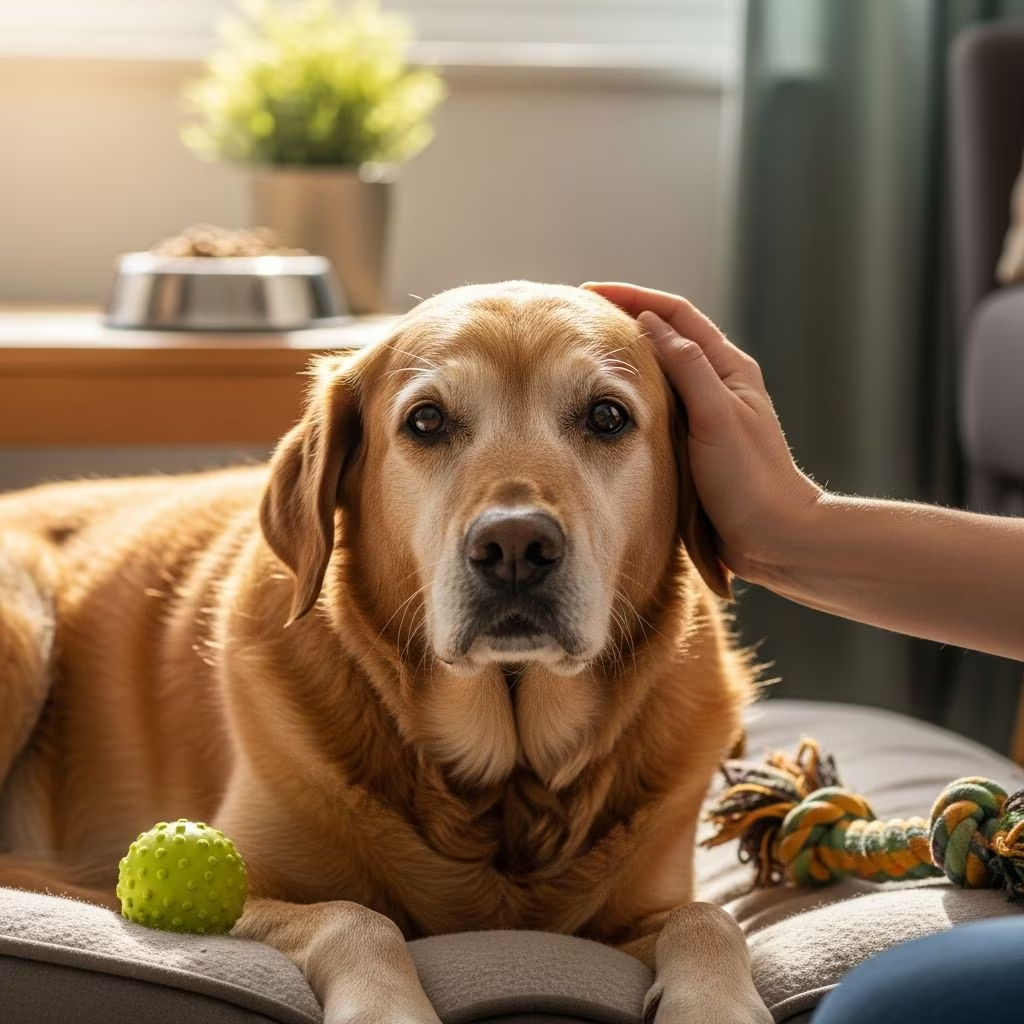
Senior Dog Care: Tips to Keep Older Dogs Happy and Healthy
As our beloved canine companions age, they experience changes both physically and mentally, much like their human counterparts. Senior dog care requires a different approach and greater awareness of your dog’s evolving needs and limitations. Understanding how to adapt your care routine is essential to ensuring that your older dog’s golden years are truly golden. By recognizing the signs of aging and taking proactive steps to address your senior dog’s unique requirements, you can significantly enhance their quality of life and help them enjoy their later years to the fullest.
Dogs age much more rapidly than humans do, which means that health issues can develop and progress quickly. A 12-year-old dog, for example, is comparable to a 75-year-old person in terms of aging. This accelerated aging process underscores the importance of tailored care strategies specifically designed for senior dogs. The following guide provides comprehensive information on how to keep your older dog comfortable, healthy, and happy during their senior years.
Regular Veterinary Visits for Senior Dogs
One of the most critical aspects of senior dog care is scheduling regular veterinary checkups. Senior pets should have a veterinary examination every six months, rather than the annual visits that younger dogs typically require. This more frequent schedule is necessary because dogs age so rapidly compared to humans.
To illustrate the importance of this recommendation, consider this comparison: a 12-year-old dog that receives veterinary care only once per year is comparable to a 75-year-old person who visits their physician only once every three years. Early detection of health problems can make a significant difference in your senior dog’s prognosis and quality of life. The age-old adage about an ounce of prevention being worth a pound of cure holds particularly true for older dogs, just as it does for senior citizens.
During these veterinary visits, your veterinarian will conduct thorough examinations to screen for common senior dog health issues. Regular checkups allow your vet to identify and address problems early, potentially preventing or slowing the progression of age-related conditions.
Maintaining Healthy Weight and Exercise Routines
Maintaining an appropriate body weight and providing age-appropriate exercise are fundamental components of senior dog care. Just as with humans, obesity in dogs leads to serious health complications and can significantly diminish quality of life.
Weight Management Concerns
Overweight senior dogs face numerous health challenges, including:
- Increased stress on joints and bones
- Development or worsening of osteoarthritis
- Difficulty breathing and reduced exercise tolerance
- Skin irritations and infections in skin folds
- Increased risk of diabetes and heart disease
- Reduced mobility and independence
To maintain your senior dog’s healthy weight, provide an appropriate amount of nutritious food and be mindful of treat consumption. If you are uncertain about the proper diet for your senior dog, consult with your veterinarian. They can recommend senior-specific dog food formulations that meet your dog’s nutritional needs while supporting weight management.
Exercise Considerations for Aging Dogs
Regular, age-appropriate exercise remains beneficial for senior dogs throughout their lives. Physical activity supports both the nervous and musculoskeletal systems, helping to maintain muscle tone and joint flexibility. Exercise also plays an important role in pain management and can help prevent the worsening of mobility issues.
However, the type and intensity of exercise should be tailored to your individual senior dog’s capabilities. Before establishing an exercise routine for your older dog, discuss activity levels with your veterinarian. They can recommend appropriate exercises based on your dog’s health status, mobility level, and any existing conditions such as arthritis. Some senior dogs may benefit from short, frequent walks rather than long hikes, while others may require even gentler activities like swimming or walking on soft surfaces.
Joint Support and Supplements for Senior Dogs
Many supplements are marketed to support joint health and mobility in aging dogs. Understanding which supplements have evidence supporting their effectiveness is important for making informed decisions about your senior dog’s care.
Glucosamine and Chondroitin
Glucosamine, often combined with chondroitin, is one of the most familiar supplements for joint health in older dogs. While some glucosamine brands are more effective than others, the scientific evidence supporting these products is somewhat limited. Despite the popularity of these supplements, dog owners should have realistic expectations about their effectiveness. Consulting with your veterinarian about whether glucosamine supplementation is appropriate for your individual dog is recommended.
Additional Supplements and Treatments
Several other supplements and therapeutic approaches may benefit senior dogs with joint and mobility issues:
- Turmeric – Often marketed as a natural anti-inflammatory agent for joint support
- Green-lipped mussel extract – Another “nutraceutical” option promoted for joint health
- Fish oil – Known for its anti-inflammatory properties that may help with arthritic conditions
- Essential fatty acids – Support joint health and overall coat condition
- Hyaluronic acid – May help maintain joint lubrication and flexibility
Beyond supplements, several therapeutic treatments can benefit older dogs with arthritis and mobility challenges. These include acupuncture, cold laser therapy, and low-energy laser therapy. Each of these approaches has shown promise in helping senior dogs manage pain and maintain better mobility.
The best approach is to discuss all options with your veterinarian, who can determine which supplements and treatments are most appropriate for your dog’s individual case. Your knowledge of your pet and observation of their response to various treatments is invaluable. If a particular supplement or treatment yields positive results, your senior dog will demonstrate improved comfort and vitality. Conversely, if a treatment doesn’t provide the hoped-for benefits, you can focus on other strategies for keeping your dog comfortable and content.
Adapting Your Senior Dog’s Lifestyle
As dogs age, they naturally slow down and may not have the same energy levels they once enjoyed. Rather than fighting against these natural changes, embracing and accommodating them can significantly improve your senior dog’s quality of life.
Many senior dogs are perfectly happy with a lifestyle that includes shorter walks and more rest periods. Instead of expecting your older dog to maintain the exercise routines of their youth, consider replacing long walks with several short jaunts throughout the day. Allow your senior dog ample time for naps and rest, just as aging humans naturally require more sleep. Providing a comfortable bed in a quiet location where your dog can rest undisturbed helps ensure adequate relaxation.
Creating an environment that accommodates your senior dog’s changing abilities—such as providing ramps to help them access furniture, using non-slip rugs on slippery floors, and keeping food and water bowls easily accessible—can help your older dog maintain their independence and dignity during their golden years.
Common Health Issues in Senior Dogs
Understanding the health conditions that commonly affect older dogs helps you recognize potential problems early and seek appropriate veterinary care.
Vision Problems
Vision problems are common in senior dogs. Watch for changes in your dog’s eyes, such as dilated or constricted pupils, squinting, or cloudiness. Additionally, monitor for vision deficits, particularly at night, and note whether your dog has difficulty navigating or bumps into objects or furniture. If you notice any of these signs, schedule a veterinary visit. Your veterinarian can perform an ophthalmic examination and may refer you to a specialist in animal ophthalmology if necessary.
Hearing Loss
Hearing loss is another frequent concern in aging dogs. It can sometimes be challenging to determine whether a pet has genuine hearing loss or is simply choosing to ignore commands. Signs that your dog may have hearing difficulties include startling easily when approached from behind, failing to react to the doorbell or other sounds they previously responded to, and going in the wrong direction or turning incorrectly when called. If you notice these signs, a veterinary visit is important to rule out other conditions and confirm hearing loss.
Cognitive Dysfunction
Cognitive dysfunction is a condition associated with brain aging in senior dogs. This condition often develops gradually, beginning with subtle changes. Common signs include disorientation and confusion, even in familiar environments. Affected dogs may pace aimlessly, become stuck in corners, or experience deterioration in house-training habits, including inappropriate urination and defecation. Changes in sleep cycles and random vocalizations may also occur.
If your dog displays these behaviors, consult your veterinarian. They may perform a neurological examination and check for other diseases with similar signs. Several newer medications can help manage cognitive dysfunction. Your veterinarian may also recommend dietary changes; research has shown that dogs consuming diets high in antioxidants, betacarotenoids (found in fruits and vegetables), and essential fatty acids show some improvement.
Kidney Disease
Kidney disease is common in aging dogs. Your veterinarian will check blood work and urine samples to diagnose this condition. Management typically involves special diet recommendations and fluid supplementation. Recent research has shown promising results with omega-3 fatty acid supplementation for dogs with kidney disease.
Cancer
Older dogs have a higher incidence of growths and tumors. Vigilantly monitor any lumps and bumps on your senior dog and have them examined by your veterinarian during regular checkups. If tumors grow rapidly or new masses suddenly appear, have your vet evaluate them promptly, as this could indicate a more aggressive form of cancer. If your dog experiences unexplained weight loss, marked lack of energy, or decreased appetite, cancer screening tests and a veterinary examination are recommended.
Arthritis
Arthritis is the primary cause of chronic pain in senior dogs. An older dog may experience intermittent pain or stiffness, particularly after vigorous activity. You might observe difficulty getting up and down, changes in gait, or limping. If you notice these signs, talk to your veterinarian about taking radiographs to evaluate your dog’s joints. Treatment approaches include glucosamine and chondroitin supplementation, weight loss if your dog is overweight, and moderate exercise to maintain muscle tone and joint flexibility.
Frequently Asked Questions About Senior Dog Care
Q: At what age is a dog considered senior?
A: While there is no universally accepted age, dogs are generally considered senior around age 7 or 8, though this varies by breed. Larger breeds may be considered senior earlier than smaller breeds. Your veterinarian can help you determine when to begin senior-focused care for your individual dog.
Q: How often should senior dogs see the veterinarian?
A: Senior dogs should have veterinary checkups approximately every six months, compared to annual visits for younger dogs. This more frequent schedule allows for early detection and management of age-related health issues.
Q: Is it normal for senior dogs to be less active?
A: Yes, it is completely normal for senior dogs to slow down both physically and mentally. Reduced activity levels are an expected part of aging. However, appropriate exercise should still be maintained to support joint health and overall wellness, adjusted to your dog’s capabilities.
Q: Should I change my senior dog’s diet?
A: Many senior dogs benefit from specially formulated senior dog foods that support their changing nutritional needs. Consult with your veterinarian about whether your dog would benefit from a senior diet formulation, especially if your dog has specific health conditions.
Q: Can supplements really help my senior dog’s joints?
A: While some supplements show promise, scientific evidence is mixed. Glucosamine, chondroitin, fish oil, and other supplements may help some dogs but not others. Discuss supplement options with your veterinarian, who can recommend products most likely to benefit your individual dog.
Q: What can I do if my senior dog seems confused or disoriented?
A: Confusion and disorientation may indicate cognitive dysfunction. Schedule a veterinary appointment promptly to rule out other medical conditions and discuss potential treatments, which may include medications or dietary modifications high in antioxidants and essential fatty acids.
Conclusion: Making Senior Years Golden
Senior dog care requires thoughtful consideration of your aging dog’s physical and mental needs. By maintaining regular veterinary visits every six months, managing weight and exercise appropriately, exploring supplements and treatments in consultation with your veterinarian, and adapting your dog’s lifestyle to accommodate age-related changes, you can significantly enhance your older dog’s quality of life.
Remember that you know your pet better than anyone else. Pay close attention to changes in behavior, mobility, appetite, and overall health. Your observations, combined with professional veterinary guidance, form the foundation of excellent senior dog care. Whether it’s adjusting to shorter walks, providing a comfortable resting space, or exploring new therapeutic options, the goal is to ensure your senior dog remains as happy, comfortable, and healthy as possible during their golden years.
References
- Senior Dog Care: Tips to Keep Older Dogs Happy and Healthy — Best Friends Animal Society. 2024. https://bestfriends.org/pet-care-resources/senior-dog-care-tips-keep-older-dogs-happy-and-healthy
- Senior Dog and Cat Care: Common Health Issues — Best Friends Animal Society. 2024. https://bestfriends.org/pet-care-resources/senior-dog-and-cat-care-common-health-issues
- Managing Your Older Pet’s Health — Best Friends Veterinary Center. 2023. https://bestfriendsvet.com/pet-care-resources/managing-older-pets-health/



