

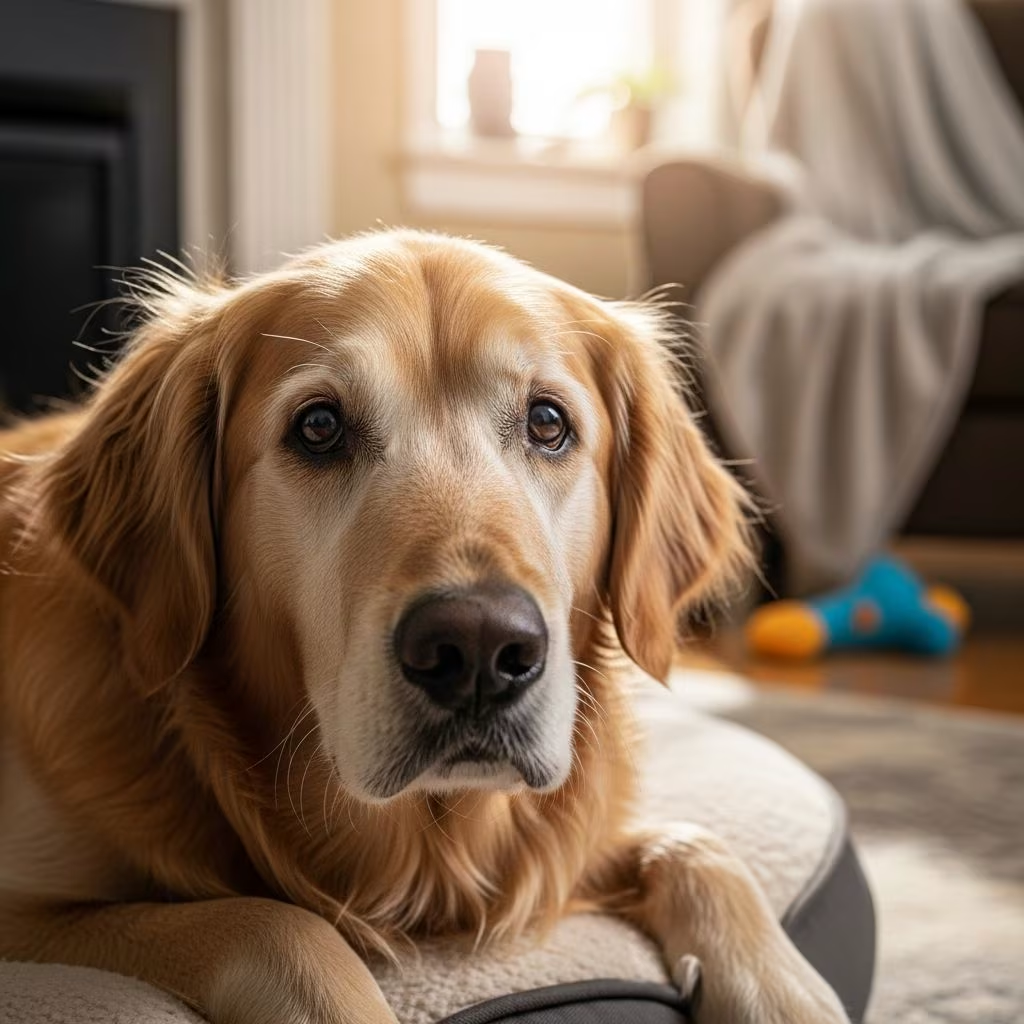
Supporting Your Senior Dog as They Age
As your beloved canine companion enters their golden years, their care requirements change significantly. Senior dogs face unique health challenges, mobility issues, and behavioral changes that require specialized attention and support. Understanding how to properly care for an aging dog is essential for maintaining their quality of life, comfort, and overall well-being. By implementing thoughtful preventive measures and making strategic adjustments to your home environment, you can help your senior dog enjoy their later years with dignity and happiness.
The Importance of Preventive Healthcare
One of the most critical aspects of senior dog care is maintaining a robust preventive healthcare routine. Early detection of chronic diseases such as kidney disease, thyroid disease, and diabetes is the key to successful treatment and preservation of quality of life. Regular veterinary visits become increasingly important as dogs age, allowing veterinarians to identify potential health issues before they become serious problems.
Vaccination and Testing Schedules
Keeping vaccinations current is fundamental to protecting your senior dog from preventable diseases. In addition to staying current with vaccines, senior dogs should have blood and urine tests evaluated at least once a year. These routine laboratory tests can reveal underlying conditions that may not yet show visible symptoms, enabling early intervention and treatment. Annual testing helps monitor kidney function, liver health, thyroid activity, and glucose levels, all of which are common areas of concern in aging dogs.
Nutrition and Weight Management
Proper nutrition becomes increasingly important as dogs age. Senior dogs often need fewer calories but more nutrients to maintain muscle mass and support joint health. It is crucial to feed your older dog high-quality, easily digestible food recommended by your veterinarian. This specialized nutrition helps address the metabolic changes that occur with aging while supporting their changing dietary needs.
Monitoring Water Intake and Diet
Keep plenty of fresh water available and monitor consumption carefully. Increased water consumption or urination is associated with diabetes and kidney and liver disease. Ensure there are water bowls on every floor of your home to make hydration easily accessible. Additionally, keep other pets from preventing your senior pet’s access to food and water by feeding your older dog in a separate, quiet space if necessary.
Weight Management and Monitoring
Weigh your dog on the same scale at least every two months. Weight changes can be an early indicator of disease, making regular monitoring an essential tool for catching health problems early. Excess weight can lead to increased stress on aging joints, exacerbating arthritis and mobility issues. Conversely, unexpected weight loss can signal underlying health concerns that require veterinary attention.
Grooming and Skin Care
As dogs age, their skin becomes more sensitive and prone to various conditions. Regular grooming is essential for maintaining your senior dog’s health and catching potential problems early.
Coat Maintenance
Brush your pet frequently to prevent mats. Mats can contribute to skin infections and may hide skin tumors. Regular brushing not only keeps your senior dog’s coat healthy but also allows you to inspect their skin for any abnormalities, lumps, or other concerning changes that might require veterinary attention.
Nail Care
Clip toenails as needed to prevent overgrowth. Long toenails may cause the dog to stand and walk abnormally and result in pain or accelerate and exacerbate arthritic changes. Proper nail maintenance is particularly important for senior dogs, as overgrown nails can alter their gait, leading to additional strain on joints and muscles already compromised by age.
Creating a Safe and Comfortable Home Environment
Your home environment plays a crucial role in your senior dog’s safety, comfort, and quality of life. Making thoughtful adjustments can prevent injuries and reduce stress on aging joints.
Sleeping and Resting Areas
Older dogs should have easy access to a warm and comfortable bed to sleep safely without fear of disturbance. Consider investing in orthopedic beds that provide additional support for aging joints and muscles. These specialized beds reduce pressure points and can significantly improve comfort, especially for dogs dealing with arthritis or other joint conditions.
Accessibility and Mobility Support
Make accommodations to keep your senior dog from having to climb or jump more than necessary. This might include low steps up to the bed or the couch, or ramps to get up and down the front steps or in and out of the car. Use pet ramps or stairs to help prevent strain on hips and knees. If your home has more than one floor, keep all their essentials on the ground floor to reduce their need to travel upstairs.
Fall Prevention and Surface Safety
Place rugs, yoga mats, or carpet runners on hard surfaces where they walk, and use paw balm to help increase their grip on slippery surfaces. Non-slip rugs on tile or hardwood floors are particularly important for senior dogs who may have vision impairment or balance issues. Use pet gates or exercise pens to block off stairs or other parts of the home where they might get hurt, especially if dealing with vision loss or cognitive changes.
Lighting and Visibility
Ensure your home is well-lit, as senior dogs often experience vision decline. Clear pathways of obstacles and maintain consistent lighting, especially during evening hours when older dogs may have more difficulty navigating their environment. Consider using nightlights in hallways and sleeping areas to help your senior dog move safely during nighttime bathroom trips.
Exercise and Activity Adjustment
While senior dogs still benefit from regular physical activity, their exercise requirements and capabilities change with age. Adjusting their play and exercise to be more low-impact and easier on their joints is essential for maintaining their health and preventing injury.
Tailored Exercise Plans
Instead of jogging or vigorous play, aim for slow, leisurely walks, moving at your pooch’s pace. Shorter, more frequent walks are gentler on joints and allow your senior dog to enjoy their surroundings without becoming overly fatigued. Light play with gentle toys or one-on-one time with you can be just as enriching for older dogs as more strenuous activities. Some senior dogs may also enjoy the low-impact exercise provided by swimming, which supports their muscles and joints without excessive strain.
Dental Health Care
Dental care becomes increasingly important in senior dogs, as they are especially susceptible to periodontal disease and other dental problems. Regular toothbrushing throughout your dog’s life is important, but senior dogs require particular attention to oral health. Have their teeth checked at least every six months. Heart disease and other age-related illnesses can make some dogs poor candidates for anesthesia, so addressing problematic teeth while they’re healthy enough to undergo the procedure is wise.
As your dog ages, their teeth tend to weaken, and your super chewer may need to switch to softer dog toys that are easier on their chompers. Maintaining good dental health not only prevents pain and infection but also supports overall systemic health, as oral bacteria can affect the heart, kidneys, and other vital organs.
Indoor Living and Environmental Considerations
Keep your senior pet indoors most of the time, especially in inclement weather. Senior dogs are more vulnerable to extreme temperatures and weather conditions. Cold weather can exacerbate arthritis and joint pain, while excessive heat can lead to heat exhaustion or heat stroke. By keeping your senior dog indoors during harsh weather, you protect them from unnecessary physical stress and discomfort.
Warning Signs and When to Contact Your Veterinarian
Being aware of warning signs that indicate your senior dog may be developing health problems is crucial for early detection and treatment. Contact your veterinarian if you notice any of the following symptoms:
Metabolic and Digestive Changes
Watch for sustained increased water consumption (normal water intake should be less than 100 ml/kg/day or approximately 1 1/2 cups for a 10-pound dog). Sustained significant increases in urination, weight loss, significant increases or decreases in appetite, and repeated vomiting are all warning signs that warrant veterinary evaluation.
Gastrointestinal Issues
Diarrhea lasting over three days, difficulty passing stool or urine, and incontinence require veterinary attention. These symptoms can indicate various underlying conditions, from dietary sensitivities to more serious systemic diseases.
Mobility and Neurological Concerns
Lameness lasting more than three days, complete non-weight bearing lameness lasting more than one day, or lameness in more than one leg should be evaluated promptly. Additionally, watch for noticeable decreases in vision, as this can significantly impact your senior dog’s quality of life and safety in their environment.
Skin and Coat Changes
Masses, ulcerations (open sores), or scabs on the skin that persist longer than one week require veterinary assessment. Hair loss, especially if accompanied by scratching or if the loss is in specific areas, can indicate allergies, infections, or other dermatological conditions.
Oral and Respiratory Symptoms
Foul breath or drooling lasting longer than two days may indicate dental disease or other oral problems. Persistent coughing or gagging can signal respiratory issues or heart disease, while excessive panting may indicate pain, anxiety, or respiratory compromise.
General Health and Behavioral Changes
An increased size of the abdomen, decreased activity or sleeping more than usual, and sudden collapse or bouts of weakness are serious symptoms requiring immediate veterinary evaluation. Changes in behavior or activity levels can indicate pain, cognitive decline, or systemic illness and should not be ignored.
Supporting Quality of Life in Your Senior Dog’s Golden Years
Caring for a senior dog requires commitment, attention, and compassion. By implementing preventive healthcare measures, making thoughtful environmental adjustments, monitoring your dog’s health and behavior, and maintaining open communication with your veterinarian, you can ensure that your aging companion enjoys their golden years with comfort, dignity, and love. Regular veterinary care, appropriate nutrition, gentle exercise, and a safe home environment work together to support your senior dog’s physical and emotional well-being, allowing them to remain an active and cherished member of your family for as long as possible.
Frequently Asked Questions (FAQs)
Q: At what age is my dog considered senior?
A: Dogs are generally considered senior around age seven to ten, though this varies based on breed and size. Larger breeds may enter their senior years earlier than smaller breeds. Your veterinarian can help determine when your individual dog should transition to senior care protocols.
Q: How often should my senior dog visit the veterinarian?
A: Senior dogs should have veterinary check-ups at least twice a year, compared to annual visits for younger dogs. More frequent visits allow for earlier detection of age-related health issues and enable more proactive management of chronic conditions.
Q: What type of food should I feed my senior dog?
A: Feed your senior dog high-quality, easily digestible food specifically formulated for older dogs and recommended by your veterinarian. Senior dog foods typically contain adjusted calorie levels, enhanced joint-supporting nutrients, and ingredients that are gentler on aging digestive systems.
Q: How much exercise does my senior dog need?
A: Senior dogs need regular, gentle exercise appropriate to their age and health status. Shorter, more frequent walks are typically better than long, strenuous outings. Aim for low-impact activities that maintain muscle tone without straining aging joints.
Q: What home modifications are most important for senior dogs?
A: The most critical modifications include comfortable, orthopedic bedding, easy access to food and water, non-slip flooring, ramps or steps to prevent jumping, and removal of obstacles that could cause falls or injuries. These changes significantly improve safety and comfort for aging pets.
References
- Senior Dog Care – Special Considerations — VCA Animal Hospitals. https://vcahospitals.com/know-your-pet/senior-dog-care-special-considerations-for-dogs
- Dog Boarding for Senior Dogs: Special Care and Considerations — Paw Oasis Pet Resort. https://pawoasispetresort.com/dog-boarding-for-senior-dogs-special-care-and-considerations/
- Caring for Your Senior Dog: Health Tips for the Golden Years — Richey Animal Clinic. 2025-06-15. https://richeyanimalclinic.com/2025/06/15/caring-for-your-senior-dog-health-tips-for-the-golden-years/
- 11 Tips to Help You Care for a Senior Dog — CareCredit. https://www.carecredit.com/well-u/pet-care/how-to-care-senior-dog/
- 2023 AAHA Senior Care Guidelines for Dogs and Cats — American Animal Hospital Association. 2023. https://www.aaha.org/guidelines/



