

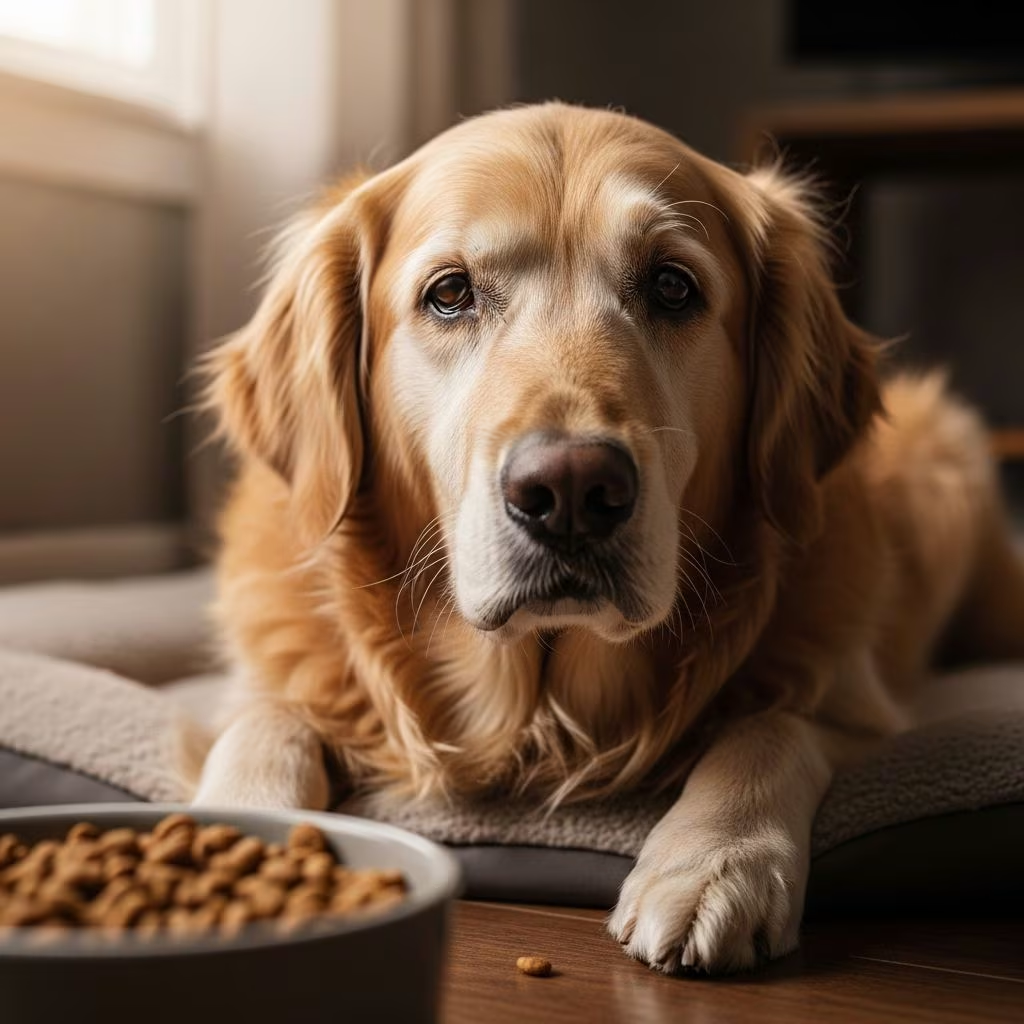
Many pet owners notice their beloved senior dogs turning away from food bowls, sparking worry about underlying health issues. This guide breaks down the primary reasons for appetite decline in aging canines, offers actionable solutions to stimulate eating, and highlights critical signs requiring immediate veterinary attention. Drawing from veterinary expertise, understanding these factors can help maintain your dog’s vitality and comfort in their golden years.
Recognizing Appetite Changes in Aging Dogs
As dogs enter their senior phase—typically after age 7 for most breeds—their eating habits often shift. A gradual reduction might stem from natural metabolic slowdowns, where energy needs drop and hunger signals weaken. However, sudden refusals to eat demand prompt investigation, as they frequently signal discomfort or disease.
- Normal vs. Abnormal Patterns: Occasional picky eating may relate to routine changes, but consistent meal skipping over 24-48 hours, especially with other symptoms like lethargy, warrants concern.
- Observation Tips: Track daily intake, note preferences for wet vs. dry food, and monitor weight weekly to catch declines early.
Sensory changes play a role too; diminished smell and taste in older dogs make familiar foods less appealing, compounding other issues.
Common Medical Culprits Behind Refused Meals
Several health conditions prevalent in seniors directly suppress hunger. Identifying these early through vet exams can prevent escalation.
Oral and Dental Discomfort
Dental disease tops the list, affecting up to 80% of dogs over age 3, worsening with age. Loose teeth, abscesses, fractured molars, or inflamed gums turn every chew into agony, leading dogs to avoid kibble while tentatively accepting soft treats.
- Signs include drooling, bad breath, pawing at the mouth, or blood-tinged saliva.
- Solution Preview: Professional cleanings under anesthesia, extractions, and antibiotics restore comfort, often sparking immediate appetite rebound.
Gastrointestinal Disruptions
Problems in the digestive tract, from pancreatitis to obstructions, cause nausea and pain that kill hunger. Pancreatitis, more common in middle-aged to seniors, brings vomiting, diarrhea, and abdominal tenderness.
Foreign objects or tumors can block intestines, halting food passage. Chronic issues like inflammatory bowel disease erode appetite over time.
| GI Issue | Symptoms | Initial Steps |
|---|---|---|
| Pancreatitis | Vomiting, diarrhea, hunched posture | Withhold food 12-24 hrs, vet bloodwork |
| Obstruction | Repeated vomiting, bloating | Emergency imaging, surgery if needed |
| IBD | Intermittent diarrhea, weight loss | Diet trials, anti-inflammatories |
Systemic Diseases Impacting Hunger
Chronic conditions like kidney failure, liver dysfunction, diabetes, heart disease, and cancer sap appetite systemically. In kidney disease, toxin buildup triggers nausea; cancer induces cachexia, a wasting syndrome.
Heart or lung issues prioritize breathing over digestion, slowing metabolism and promoting lethargy over eating. Diabetes alters blood sugar, confusing hunger cues.
Non-Physical Factors Influencing Eating
Cognitive and Behavioral Shifts
Canine Cognitive Dysfunction (CCD), akin to dementia, confuses seniors, making them forget food locations or wander restlessly instead of eating. Anxiety from routine changes, new pets, or household stress suppresses appetite via elevated cortisol.
- CCD Signs: Disorientation, sleep disturbances, house soiling.
- Stress Triggers: Moves, family losses, loud noises.
Medication Side Effects
Common senior prescriptions—antibiotics, NSAIDs for arthritis, heart meds—often irritate stomachs, causing vomiting or unease. Never abruptly stop meds; consult vets for alternatives like coated pills or dose adjustments.
Practical Strategies to Boost Senior Appetites
While awaiting vet input, try these evidence-based tactics to entice eating without masking serious problems.
Food and Feeding Adjustments
- Warm and Aromatize: Gently heat wet food to enhance smells, mimicking fresh meat appeal lost to age-dulled senses.
- Texture Switches: Offer soaked kibble, pureed meats, or prescription senior formulas easier on teeth.
- Toppers and Variety: Add low-sodium broths, plain yogurt, or fish oil; rotate proteins to combat boredom.
- Elevated and Stable Stations: Use raised bowls for joint comfort and non-slip mats to prevent slips.
Feeding Routines and Environment
Establish consistent mealtimes—2-3 small meals daily—reducing anxiety for CCD dogs. Hand-feeding or quiet, distraction-free zones encourage participation. For picky eaters, brief 15-minute windows prevent grazing.
Nutritional Support for Seniors
Aging dogs need diets higher in quality protein, omega-3s for joints, and antioxidants for cognition. Consult vets for supplements like probiotics aiding digestion or appetite stimulants like mirtazapine if needed.
| Nutrient | Benefit | Food Sources |
|---|---|---|
| High-Quality Protein | Muscle maintenance | Chicken, fish, eggs |
| Omega-3 Fatty Acids | Anti-inflammatory | Salmon oil, sardines |
| Fiber | Digestion aid | Pumpkin, sweet potato |
When to Escalate to Professional Care
Act fast if appetite loss lasts over 48 hours, accompanies vomiting (more than twice), diarrhea, labored breathing, or sudden weight drop. Diagnostic steps include blood panels, urinalysis, X-rays, and dental exams.
- Red Flags: Dehydration (skin tenting), pale gums, collapse.
- Preventive Measures: Annual senior wellness checks, dental prophylactics every 6-12 months.
Maintaining Long-Term Vitality
Beyond immediate fixes, holistic care sustains appetite: gentle exercise like short walks preserves muscle; mental stimulation via puzzle toys combats CCD; regular grooming prevents skin issues indirectly affecting eating.
Monitor body condition scores—ideal is visible waist, palpable ribs—to balance intake without overfeeding.
Frequently Asked Questions
Will my senior dog eat again if they stop completely?
Most recover with targeted treatment; prognosis hinges on underlying cause. Early intervention boosts success rates.
Is it okay to force-feed a non-eating senior dog?
Avoid force-feeding; it risks aspiration. Use syringes for critical cases under vet guidance.
How much weight loss is dangerous for older dogs?
Over 10% body weight in weeks signals urgency; even 5% merits checks.
Can CBD or herbal remedies help appetite?
Limited evidence; discuss with vets to avoid interactions.
What’s the best diet for picky senior eaters?
Vet-recommended AAFCO senior formulas, customized via bloodwork.
References
- Why Is My Old Dog Not Eating? 2 Vets Share Causes, Tips — ToeGrips. 2023. https://toegrips.com/old-dog-not-eating-causes-tips/
- Aged Appetite Woes: Solutions for an Old Dog Not Eating — Under the Weather Pet. 2024. https://www.undertheweatherpet.com/blogs/under-the-weather/aged-appetite-woes-solutions-for-an-old-dog-not-eating
- Senior Dog Not Eating But Drinking Water: What You Need to Know — Hope Crossing Animal Hospital. 2024-08-31. https://www.hopecrossing.com/site/blog/2024/08/31/senior-dog-not-eating
- Why Is My Dog Not Eating? Causes and What To Do — PetMD. 2024. https://www.petmd.com/dog/symptoms/why-my-dog-not-eating
- Dog Not Eating? Possible Causes and Appetite Solutions — WebMD Pets. 2024. https://www.webmd.com/pets/dogs/dog-not-eating-possible-causes-and-appetite-solutions



