

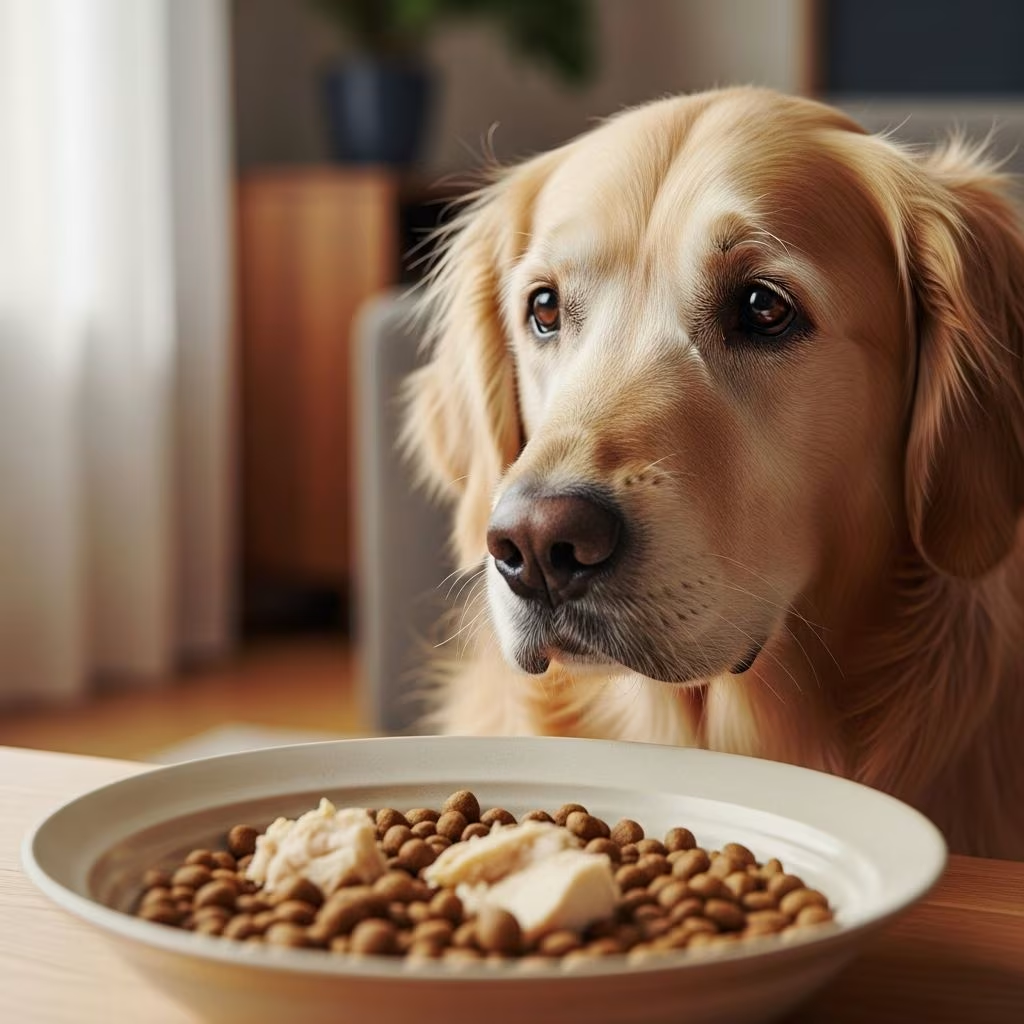
Observing a once-enthusiastic eater in your senior dog turn away from their bowl can spark immediate worry. This common issue in aging canines often stems from a mix of age-related changes, underlying health conditions, and environmental factors. Promptly addressing it helps maintain their strength, supports organ function, and enhances quality of life. This guide breaks down the primary triggers, diagnostic steps, practical interventions, and long-term management options.
Recognizing the Signs of Appetite Decline in Aging Dogs
Senior dogs, typically those over seven years old depending on breed size, may show gradual or sudden disinterest in food. Key indicators include skipping one or more meals, selective eating (like avoiding kibble but accepting treats), weight loss, lethargy, or changes in water intake. While a brief pickiness might resolve, persistence beyond 24-48 hours demands attention, especially if paired with vomiting, diarrhea, or labored breathing.
- Sudden refusal: Often signals acute issues like pain or obstruction.
- Gradual decline: Linked to metabolic slowdown or sensory loss.
- Selective avoidance: Points to oral discomfort or food boredom.
Tracking daily intake via a journal helps vets pinpoint patterns during checkups.
Primary Medical Causes Behind Refusal to Eat
Health problems dominate as culprits for appetite loss in older dogs. Systemic diseases build up over time, while acute conditions strike unexpectedly.
Oral and Dental Discomfort
Dental disease tops the list, affecting up to 80% of dogs over age three. Fractured teeth, abscesses, gum inflammation, or tartar buildup cause sharp pain during chewing, leading dogs to shun hard foods while lapping soft ones. Untreated, this escalates to infections spreading systemically, worsening overall health.
Signs include drooling, pawing at the mouth, bad breath, or facial swelling. Annual dental exams with cleanings under anesthesia prevent progression.
Gastrointestinal Disruptions
Issues in the digestive tract, such as pancreatitis, gastritis, or blockages, provoke nausea and pain. Pancreatitis, more prevalent in seniors, triggers vomiting and abdominal tenderness after fatty meals. Foreign objects or tumors can obstruct passages, halting food progression.
| GI Issue | Symptoms | Common in Seniors? |
|---|---|---|
| Pancreatitis | Vomiting, diarrhea, hunched posture | Yes, frequent |
| Obstruction | Repeated retching, distended belly | Possible from tumors |
| Inflammatory Bowel | Chronic loose stools, weight drop | Increasingly common |
Chronic Organ Failures
Kidney and liver diseases impair toxin filtration and nutrient processing, building uremic toxins that suppress hunger. Diabetes alters blood sugar, causing nausea, while heart or lung conditions prioritize oxygen over digestion, slowing metabolism.
Cancer, including oral tumors or gastrointestinal masses, directly interferes with eating mechanics or induces cachexia—a wasting syndrome.
Neurological and Cognitive Shifts
Canine cognitive dysfunction (CCD), akin to dementia, confuses dogs about routines, food locations, or mealtimes. Anxiety from disorientation reduces interest, and poor judgment leads to scavenging inappropriate items, causing secondary GI upset.
Non-Medical Influences on Eating Habits
Beyond illness, everyday factors contribute significantly.
- Medication side effects: Antibiotics, NSAIDs, or steroids irritate stomachs; consult vets for alternatives or protectants.
- Age-related sensory fade: Diminished smell and taste lessen food appeal; metabolism drops 10-20% post-maturity.
- Stress triggers: Routine changes, new pets, or household shifts spark anxiety, halting appetite.
- Diet monotony: Long-term same-food feeding bores palates; recent switches overwhelm.
Step-by-Step Diagnosis Process
Don’t delay professional evaluation. Start with a vet visit including:
- History review: Detail onset, diet, meds, stool patterns, and behaviors.
- Physical exam: Check mouth, abdomen, joints for pain indicators.
- Diagnostics: Blood panels for organ function, fecal tests, X-rays/ultrasounds for masses, dental probes.
- Specialized tests: Endoscopy for GI views or biopsies if cancer suspected.
Early detection of reversible issues like dental disease yields quick appetite rebounds.
Practical Strategies to Stimulate Appetite
While awaiting vet input, try these safe tactics:
Food Presentation Tweaks
- Warm meals slightly to amplify aromas.
- Switch to wet or soaked kibble for easier chewing.
- Elevate bowls to reduce neck strain.
- Hand-feed small portions to build association.
Nutritional Enhancements
Prioritize senior formulas with high palatability, omega-3s for anti-inflammation, and digestible proteins. Add toppers like bone broth or fish oil cautiously to avoid GI upset.
| Food Type | Benefits for Seniors | Potential Drawbacks |
|---|---|---|
| Wet Canned | Aromatic, soft texture | Costlier, dental calculus risk |
| Fresh/Cooked | Customizable, appealing smells | Prep time, balance needed |
| Senior Kibble | Joint support nutrients | May hurt damaged teeth |
Environmental and Routine Adjustments
Feed in quiet spots at fixed times, use puzzle feeders for mental engagement (if cognition allows), and ensure easy bowl access. Appetite stimulants like mirtazapine may be vet-prescribed short-term.
Long-Term Nutrition for Thriving Seniors
Post-resolution, tailor diets to needs: lower calories prevent obesity, but nutrient-dense to combat muscle loss (sarcopenia). Monitor weight bi-monthly; supplements like probiotics aid gut health.
- Joint aids: Glucosamine/chondroitin.
- Antioxidants: For cognitive support.
- Hydration boosts: Wet food or fountains.
Preventive Measures for Optimal Senior Health
Proactive care minimizes risks:
- Bi-annual vet wellness exams with bloodwork.
- Daily tooth brushing or dental chews.
- Consistent exercise suited to mobility.
- Gradual diet transitions.
These habits extend happy years.
When to Escalate to Emergency Care
Seek immediate help if:
- No eating >48 hours with vomiting/dehydration.
- Bloated abdomen or collapse.
- Heavy panting, pale gums, or seizures.
- Weight loss >10% body mass.
Dehydration hits fast in seniors; pinch skin on neck—if slow to snap back, rush in.
Frequently Asked Questions (FAQs)
Why does my senior dog drink water but not eat?
This pattern often indicates oral pain, nausea, or early organ disease where thirst persists but appetite fades. Vet exam essential.
Is it normal for old dogs to eat less?
A mild 10-15% drop aligns with slower metabolism, but sharp refusals signal problems needing intervention.
Can stress alone cause prolonged appetite loss?
Yes, but if lasting over days, rule out medical overlaps like CCD or pain.
What home remedies safely boost appetite?
Try warmed wet food or bland boiled chicken/rice temporarily, but never force-feed or use human meds.
How long can a senior dog safely go without eating?
Maximum 2-3 days; fats deplete first, risking liver issues (hepatic lipidosis).
Holistic Support for Aging Canines
Integrate acupuncture, massage, or CBD (vet-guided) for pain/stress relief. Emotional bonds—extra cuddles and play—also reignite sparks. With diligence, many seniors regain gusto, enjoying meals and life fully.
References
- Why Is My Old Dog Not Eating? 2 Vets Share Causes, Tips — ToeGrips. 2023. https://toegrips.com/old-dog-not-eating-causes-tips/
- Aged Appetite Woes: Solutions for an Old Dog Not Eating — Under the Weather Pet. 2024. https://www.undertheweatherpet.com/blogs/under-the-weather/aged-appetite-woes-solutions-for-an-old-dog-not-eating
- Senior Dog Not Eating But Drinking Water: What You Need to Know — Hope Crossing. 2024-08-31. https://www.hopecrossing.com/site/blog/2024/08/31/senior-dog-not-eating
- Why Is My Dog Not Eating? Causes and What To Do — PetMD. 2024. https://www.petmd.com/dog/symptoms/why-my-dog-not-eating
- What to Do If Your Senior Dog Is Not Eating — The Farmer’s Dog. 2023. https://www.thefarmersdog.com/digest/what-to-do-if-your-senior-dog-is-not-eating/



