

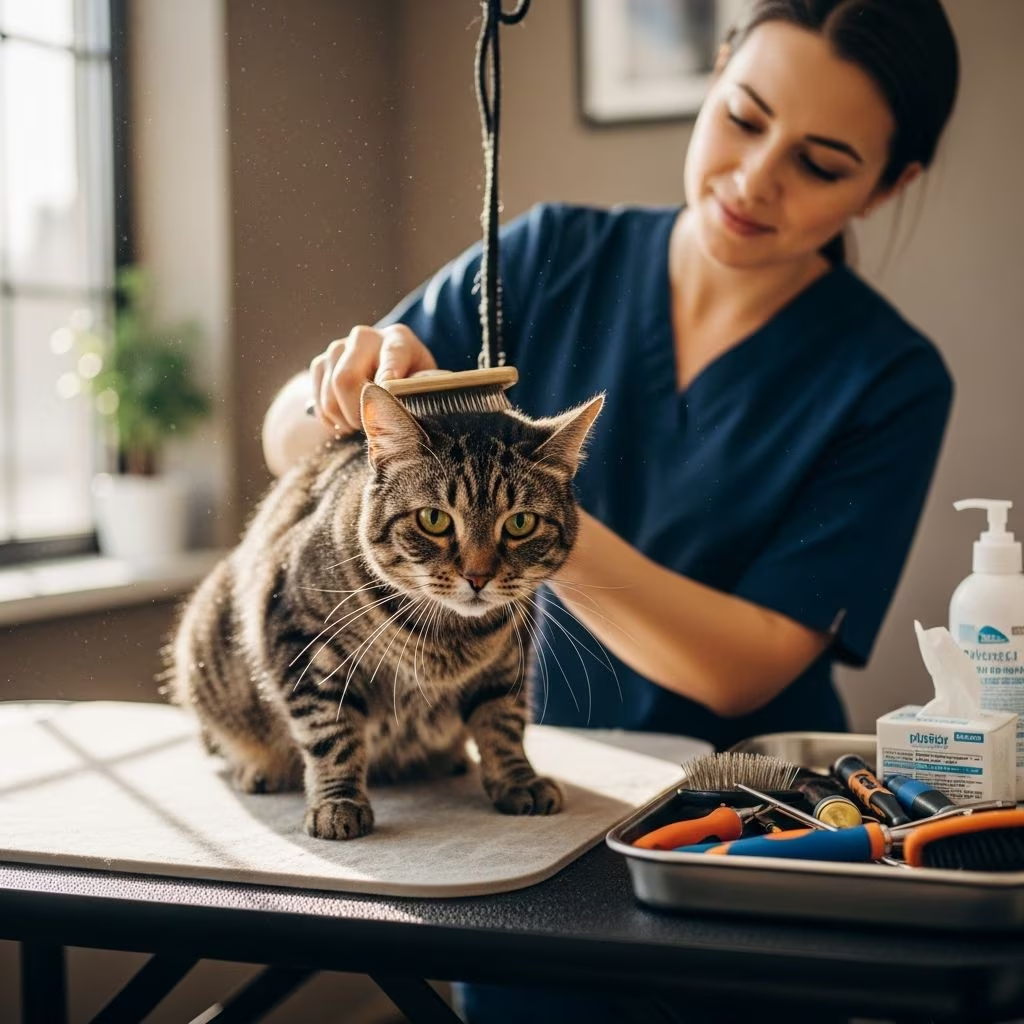
Why Senior Cats Need Special Grooming
As cats age, their ability to groom themselves naturally declines. While cats are renowned for their independent self-cleaning habits, senior felines often struggle to maintain their coats and personal hygiene as effectively as they did in their younger years. This decline in grooming ability stems from various age-related factors, including arthritis, reduced flexibility, dental problems, and cognitive changes that can significantly impact their quality of life. Regular grooming becomes not merely a cosmetic concern but rather an essential component of maintaining your aging cat’s comfort, health, and dignity.
The importance of senior cat grooming extends far beyond aesthetics. When older cats cannot groom themselves properly, they face numerous health challenges that can compound existing age-related conditions. Understanding these needs and implementing appropriate grooming routines can make a meaningful difference in your senior cat’s overall well-being and comfort during their golden years.
The Health Benefits of Regular Senior Cat Grooming
Professional and consistent grooming provides multiple health advantages specifically tailored to the needs of aging felines. These benefits address the unique challenges that senior cats face as their bodies change and their physical capabilities diminish.
Preventing Matting and Skin Issues
One of the most significant benefits of regular grooming for senior cats is the prevention of painful matting. As cats age and lose flexibility, they cannot reach certain areas of their body, particularly behind the ears, under the legs, and around the hindquarters. Without regular brushing and mat removal, these areas become prone to tangles and matting that can restrict movement, cause skin irritation, and even lead to infections. Consistent grooming helps remove loose hair before it becomes matted and allows you to inspect the skin beneath for any abnormalities or concerns.
Improving Circulation and Skin Health
Gentle brushing stimulates blood circulation to the skin, promoting overall skin health and coat quality. This increased circulation helps deliver nutrients more effectively to aging skin, which naturally becomes thinner and more delicate. Regular grooming sessions also allow for early detection of skin conditions, parasites, lumps, or other abnormalities that might otherwise go unnoticed. Catching these issues early can prevent more serious health complications down the road.
Maintaining Nail Health and Mobility
Overgrown nails represent a serious concern for senior cats, as they can cause pain, affect mobility, and lead to joint problems. Cats with long nails may alter their gait to compensate, which places additional strain on arthritic joints. Regular nail trimming helps maintain proper foot structure and reduces the risk of the nails curling into the paw pads, a painful condition that can severely impact your senior cat’s ability to move comfortably. Well-maintained nails also protect your furniture and reduce accidental scratching injuries.
Supporting Hygiene and Dignity
Senior cats sometimes experience difficulty maintaining hygiene around their hindquarters, leading to sanitary concerns and reduced quality of life. Regular grooming, including sanitary trims when necessary, helps maintain cleanliness in these sensitive areas. This attention to hygiene supports not only physical health but also preserves your senior cat’s dignity and comfort.
Understanding Age-Related Grooming Challenges
Senior cats face specific physical and behavioral changes that make grooming more challenging. Recognizing these challenges helps you develop appropriate grooming strategies and know when to seek professional assistance.
Arthritis and Reduced Flexibility
Arthritis is one of the most common conditions affecting senior cats, impacting their ability to twist, stretch, and reach different parts of their body. Cats with arthritis experience pain when moving into positions necessary for self-grooming, causing them to groom less frequently and less thoroughly. This creates a cycle where inadequate grooming leads to matting and skin issues, which then cause additional discomfort and further reduce grooming efforts.
Dental Problems and Oral Health
Many senior cats develop dental issues that make grooming uncomfortable or painful. Poor oral health can affect their willingness to engage in grooming behavior and may indicate underlying health concerns that require veterinary attention. Including dental care as part of your grooming routine helps maintain oral hygiene and prevents additional complications.
Cognitive Changes
Some senior cats experience cognitive decline that affects their grooming habits and behaviors. They may forget grooming routines, become confused about their environment, or show decreased interest in self-care activities. These cognitive changes require patience and understanding from caregivers, along with more frequent assisted grooming.
Skin and Coat Changes
Aging naturally affects skin texture and coat quality. Senior cat skin becomes thinner, more fragile, and more prone to dryness and irritation. Their coats may become coarser, less lustrous, or develop unusual patterns. These changes necessitate gentler grooming techniques and potentially different grooming products to avoid causing discomfort or damage to delicate aging skin.
Gentle Grooming Techniques for Senior Cats
Implementing proper grooming techniques specifically designed for senior cats ensures their comfort and safety during grooming sessions. These methods prioritize gentle handling while effectively addressing their grooming needs.
Creating a Calm Grooming Environment
Senior cats are often more sensitive to environmental stressors, loud noises, and unfamiliar situations. Creating a calm, quiet grooming space helps reduce anxiety and makes the experience more tolerable. Speak softly, move slowly and predictably, and maintain a patient, gentle demeanor throughout the grooming process. Many senior cats benefit from shorter, more frequent grooming sessions rather than one long session, as this reduces stress and physical strain.
Selecting Appropriate Grooming Tools
Using the right tools makes grooming more comfortable for your senior cat. Soft-bristled brushes, grooming gloves, and gentle combs are preferable to harsh de-matting tools that can irritate sensitive skin. For nail trimming, use nail trimmers with safety guards to prevent cutting nails too short, which can cause bleeding and pain. Avoid tools designed for younger, more resilient cats, as these may be too aggressive for aging skin and coat.
Supporting Your Cat’s Body During Grooming
Always support your senior cat’s body to prevent strain on arthritic joints. Groom them in their favorite resting spots or place them on a soft towel on your lap or a table at a comfortable height. Avoid lifting or twisting your cat into awkward positions, as this can cause pain and injury. Let your cat maintain natural postures during grooming, and take breaks whenever they show signs of discomfort or fatigue.
Focusing on Problem Areas
Pay special attention to areas where senior cats commonly develop mats, including behind the ears, under the front and back legs, and around the hindquarters. These regions are difficult for aging cats to reach and maintain. Regular inspection of these areas allows you to address mats when they’re small and easier to manage. Watch for flaky skin, unusual odors, or changes in coat condition that might indicate underlying health issues.
Recognizing When Professional Grooming Is Necessary
While home grooming is valuable, professional cat groomers possess specialized training and experience handling senior cats with special needs. Recognizing when to seek professional assistance ensures your senior cat receives appropriate care.
Signs Your Senior Cat Needs Professional Grooming
Several indicators suggest your senior cat would benefit from professional grooming services. Persistent mats that resist home brushing, overgrown nails that visibly affect your cat’s walking, soiling around the rear end, reluctance to be touched or groomed at home, and signs of skin irritation or discomfort all warrant professional evaluation and care. Professional groomers can address severe matting, perform sanitary trims, and handle cats with anxiety or behavioral challenges in a stress-minimized environment.
Benefits of Professional Senior Cat Grooming
Professional cat groomers receive specialized training in handling aging felines with sensitivity and expertise. They understand feline behavior and body language, allowing them to recognize stress signals and adjust their approach accordingly. Many professional facilities use only non-toxic products and maintain cat-only environments, reducing fear and stress compared to multi-pet facilities. Professional groomers can perform advanced grooming tasks safely, including mat removal, sanitary trims, claw clipping, and even sedated grooming when necessary for extremely stressed or aggressive cats.
Medical Grooming Services
Some veterinary clinics and specialized grooming facilities offer medical grooming services specifically designed for senior or special-needs cats. These services often include skin examination during grooming for early detection of health issues, sedation options for stressed cats, and services performed by trained veterinary technicians. Medical grooming combines grooming with health monitoring, making it an excellent option for senior cats with complex medical needs.
Senior Cat Grooming Best Practices
Grooming Schedule and Frequency
The appropriate grooming frequency varies depending on your individual senior cat’s coat type, health status, and specific needs. Long-haired cats typically require more frequent grooming than short-haired varieties. Most senior cats benefit from weekly grooming sessions, though some may need more frequent attention depending on their coat condition. Your veterinarian or professional groomer can recommend an appropriate schedule tailored to your cat’s specific requirements.
Essential Grooming Components
| Grooming Task | Frequency | Purpose |
|---|---|---|
| Brushing/Combing | 2-3 times weekly | Remove loose hair, prevent matting, stimulate circulation |
| Nail Trimming | Every 2-4 weeks | Maintain mobility, prevent joint strain |
| Ear Cleaning | As needed, typically monthly | Prevent infections, remove debris and wax |
| Sanitary Trimming | As needed | Maintain hygiene and cleanliness |
| Skin Inspection | During each grooming | Detect lumps, parasites, irritation early |
Products and Tools for Senior Cat Grooming
Invest in gentle, high-quality grooming supplies specifically suitable for senior cats. Choose shampoos and conditioners formulated for sensitive or aging skin, preferably with natural ingredients and free from harsh chemicals. Opt for brushes with soft bristles, metal combs with smooth teeth, and ergonomic grooming tools designed for comfortable handling. Always prioritize products and equipment specifically recommended for senior or sensitive cats over general pet grooming supplies.
Frequently Asked Questions About Senior Cat Grooming
Q: How often should I groom my senior cat at home?
A: Most senior cats benefit from grooming sessions two to three times weekly, though frequency may vary based on coat type, health status, and individual needs. Consult with your veterinarian or professional groomer for recommendations specific to your cat.
Q: What should I do if my senior cat’s nails are severely overgrown?
A: Severely overgrown nails should be addressed by a professional groomer or veterinarian, as they require careful trimming to avoid causing pain or bleeding. Do not attempt aggressive trimming at home, as this can injure your cat.
Q: Can I bathe my senior cat as part of grooming?
A: While traditional baths can stress senior cats, gentle towel baths using pet-safe wipes offer a water-free cleaning alternative. Discuss bathing options with your veterinarian before attempting any bathing routine.
Q: How do I handle matted fur in my senior cat’s coat?
A: Small mats may be gently worked out with a soft-bristled brush or metal comb. Severe or persistent mats require professional removal to avoid causing pain or skin damage. Never use harsh de-matting tools on senior cat skin.
Q: What signs indicate my senior cat is experiencing pain during grooming?
A: Signs of pain include reluctance to move into grooming positions, vocalization or hissing, muscle tension, ears pinned back, or attempting to move away. Stop grooming immediately if your cat shows these signs and consult your veterinarian.
Q: Are there grooming options for senior cats with mobility issues?
A: Yes, professional groomers can accommodate mobility limitations by adjusting grooming positions, using elevated grooming tables, and implementing gentle handling techniques. Medical grooming services through veterinary clinics may also offer specialized care.
Q: How can I tell if my senior cat needs dental care as part of grooming?
A: Signs of dental problems include bad breath, difficulty eating, excessive drooling, or visible tartar on teeth. Discuss dental care options with your veterinarian, as dental health significantly impacts overall grooming and wellness.
Conclusion
Senior cats deserve special attention and care, particularly when it comes to grooming. As aging cats lose the flexibility and motivation to groom themselves effectively, their caregivers must step in to maintain their comfort, health, and dignity. Regular grooming prevents painful matting, promotes skin health, maintains nail health, and allows for early detection of potential health problems. By implementing gentle grooming techniques, using appropriate tools and products, and recognizing when professional assistance is needed, you can significantly enhance your senior cat’s quality of life during their golden years. Whether through consistent home grooming or professional services, investing in your aging cat’s grooming needs is a meaningful way to show appreciation for years of companionship and love.
References
- Gentle Grooming Tips for Senior Cats — Alex the Cat Groomer. 2024. https://alexthecatgroomer.com/gentle-grooming-tips-for-senior-cats/
- Cat Grooming Services in St. Louis Park — Pet Evolution. 2024. https://www.petevolution.com/mn-st-louis-park/services/cat-grooming/
- Medical Grooming Services for Cats and Dogs — Minnehaha Animal Hospital. 2024. https://minnehahaanimalhospital.com/services/medical-grooming/
- Holistic Cat Grooming Approach — The Cat’s Meow Grooming & Boarding. 2024. https://thecatsmeowgrooming.com/cat-grooming
- Grooming Care for the Senior Cat — Way of Cats. 2024. https://www.wayofcats.com/blog/grooming-care-for-the-senior-cat/36033
- Cat Grooming Services in Maple Grove, MN — VCA Animal Hospitals. 2024. https://vcahospitals.com/maple-grove-resort/services/grooming/cat-grooming



