

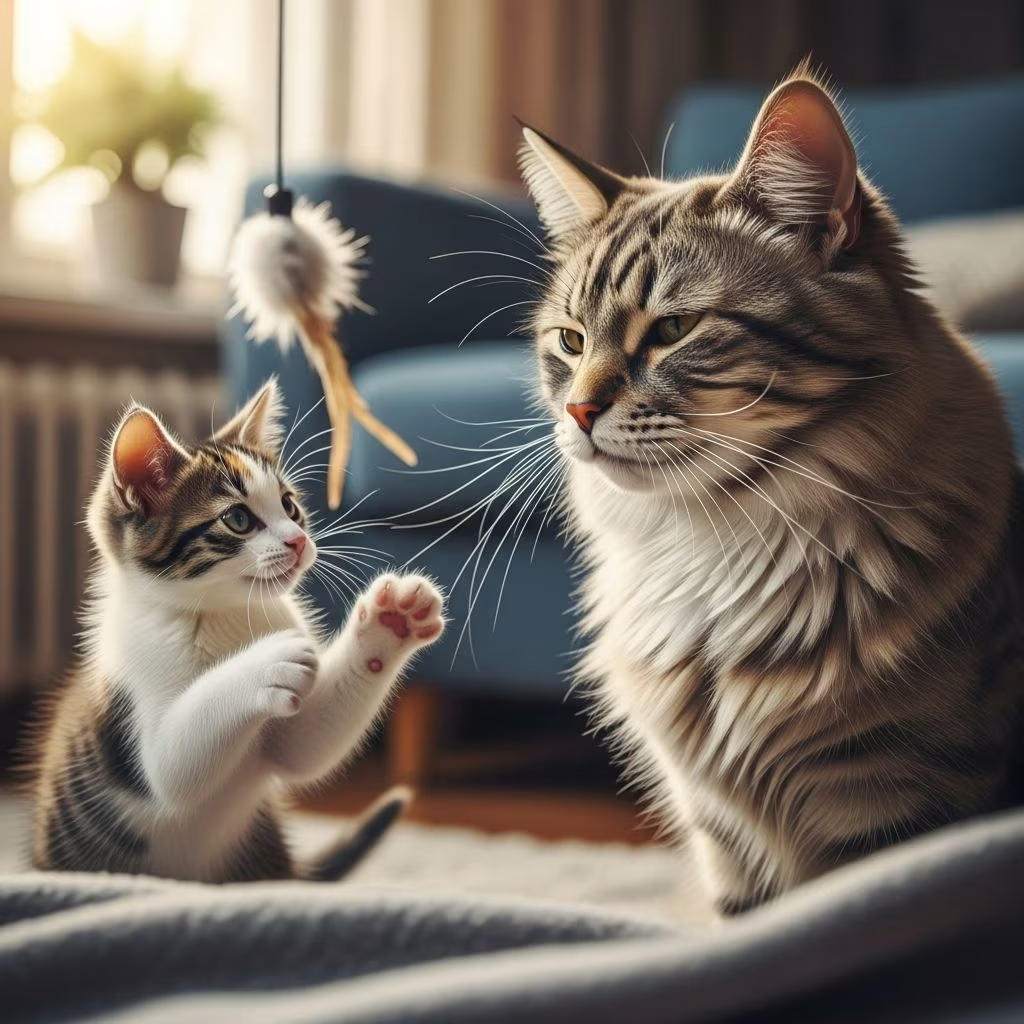
Energetic kittens and relaxed senior cats often clash due to vast differences in energy levels and life stages, making successful pairings rare without careful management. While some households achieve harmony, many face stress, aggression, or resentment, so thoughtful preparation is essential.
Understanding the Core Challenges
Senior cats, typically aged 11 years or older, prioritize rest, routine, and minimal disruption. They crave quiet spots for napping and established territories free from chaos. Kittens, bursting with curiosity and playfulness up to their first year, demand constant action, pouncing on anything that moves—including the tail of a dozing elder.
This mismatch frustrates both: the kitten seeks playmates but encounters rejection, while the senior feels overwhelmed, potentially leading to hissing, swatting, or withdrawal. Health issues common in older cats, like arthritis or dental pain, amplify irritability, turning minor annoyances into full conflicts.
- Energy disparity: Seniors nap 16-20 hours daily; kittens play for hours.
- Territorial instincts: Elders guard resources fiercely against intruders.
- Social immaturity: Kittens lack skills to read subtle ‘back off’ signals from adults.
Why Direct Pairings Often Fail
Many owners assume a kitten will revitalize their senior cat, but evidence shows the opposite. The disruption shatters routines, spiking stress hormones like cortisol. Seniors may hide, refuse food, or lash out, while kittens become bored or destructive without outlets.
Experts note that cats reach social maturity around 2-4 years, meaning kittens treat elders like peers for roughhousing—unwelcome for the recipient. In multi-cat homes, this dynamic frequently results in chronic tension rather than companionship.
| Factor | Senior Cat Needs | Kitten Behavior | Potential Conflict |
|---|---|---|---|
| Activity Level | Short, gentle play; long naps | High-energy chasing, wrestling | Exhaustion and irritation |
| Social Interaction | Low-key affection; solitude | Constant pestering | Aggression or avoidance |
| Health | Prone to pain, slower movement | Clumsy, rough play | Injury risk, heightened stress |
Health Considerations for Older Cats
Before any introduction, schedule a vet check for your senior. Conditions like hyperthyroidism, kidney disease, or mobility issues can mimic behavioral problems, making them extra reactive. Pain management and a comfortable environment—think heated beds and easy-access litter boxes—can improve tolerance.
Maintain separate resources initially: food bowls, scratching posts, and beds prevent competition. Kittens thrive on high-protein diets, but seniors need senior-specific formulas low in phosphorus; mixing can harm both.
Step-by-Step Introduction Process
Success hinges on slow, positive associations over weeks. Rushing guarantees setbacks.
- Scent swapping (Days 1-7): Rub separate cloths on each cat’s cheeks and body, then exchange. Reward calm sniffing with treats. Repeat until indifference or rubbing occurs.
- Visual barriers (Week 2): Use baby gates or cracked doors for supervised viewing. Ensure the senior can retreat; confine the kitten if needed.
- Room swaps (Week 2-3): Alternate spaces daily so each explores the other’s scent without contact. Provide toys to distract.
- Supervised meetings (Week 4+): Short sessions in neutral areas with escape routes like high perches. End on positive notes.
- Full integration: Gradual unsupervised time, monitoring body language: relaxed ears and tails signal progress; dilated pupils mean pause.
Patience varies—some adapt in days, others months. If hissing persists beyond 4 weeks, consult a behaviorist.
Smart Alternatives to Single Kittens
Adopt two compatible kittens (littermates ideal) to channel energy mutually, sparing the senior. They play together, reducing pestering. Adult cats (2-5 years) better match senior temperaments, sharing low-key vibes.
- Two kittens: Play partners, less senior harassment.
- Young adult: Balanced energy, learned social skills.
- Same-sex pairs: Fewer territorial spats.
Signs of Success and Warning Flags
Harmony shows in mutual grooming, shared spaces, or playful tolerance. Stress signs include flattened ears, swatting, urine marking, or appetite loss—separate immediately and revisit steps.
Provide vertical space: cat trees, shelves for ‘time-sharing.’ Pheromone diffusers like Feliway mimic calming scents, aiding adjustment.
Realistic Expectations for Multi-Cat Homes
Not all cats bond deeply; tolerance suffices. Monitor long-term: as kittens mature, dynamics shift, potentially improving or worsening relations. Annual vet visits ensure ongoing health supports behavior.
Frequently Asked Questions
Will my senior cat ever play with a kitten?
Rarely—short, gentle sessions possible if energy aligns, but expect mostly parallel living.
How long does adjustment take?
Weeks to months; force it, and issues entrench.
What if aggression escalates?
Separate, seek vet for medical checks, then certified behaviorist.
Can spaying/neutering help?
Yes, reduces hormone-driven conflicts; do pre-intro if possible.
Is a kitten ever ideal for seniors?
Only if the senior is exceptionally social and healthy; test via fosters first.
References
- Adopting a kitten into a senior cat household — Animal Wellness Magazine. 2023-05-15. https://animalwellnessmagazine.com/adopting-kitten-senior-cat-household/
- Introducing a Kitten to an Older Cat — Vets4Pets. 2024-08-20. https://www.vets4pets.com/pet-health-advice/cat-advice/kitten/introducing-kittens-to-adult-cats/
- Should You Get A Kitten If You Have An Adult Cat? — Class Act Cats. 2023-11-10. https://classactcats.com/blog/get-a-kitten-if-you-have-an-adult-cat/
- Introducing a kitten to older cat — NexGard SPECTRA. 2024-02-28. https://nexgard.com.au/pet-care/kitten-care/introducing-kitten-to-older-cat



